
Coal Mine Limestone Grinding Mill: Key Equipment for Efficient Mineral Processing
We provide a wide range of mills — including Raymond mill, trapezoidal mill, vertical mill, ultrafine mill, and ball mill, obtained ISO9001 international quality certification, EU CE certification, and Customs Union CU-TR certification. Suitable for processing minerals such as limestone, phosphate, quicklime, kaolin, talc, barite, bentonite, calcium carbonate, dolomite, coal, gypsum, clay, carbon black, slag, cement raw materials, cement clinker, and more.
The discharge range of these mills can be adjusted to meet specific processing needs, typically from 80-400 mesh, 600-3250 mesh, and can achieve the finest particle size of up to 6000 mesh(D50).
If you are looking for a reliable grinding solution to turn stone or minerals into fine powder, please feel free to contact our online customer service.
Coal Mine Limestone Grinding Mill: Key Equipment for Efficient Mineral Processing
In the demanding world of mineral processing, particularly within coal mining operations, the efficient grinding of limestone and other auxiliary materials stands as a critical determinant of overall productivity and cost-effectiveness. Limestone is frequently used in coal mine applications for various purposes, including flue gas desulfurization, soil stabilization, and as a key component in certain backfilling materials. The selection of an appropriate grinding mill directly influences particle size distribution, energy consumption, operational stability, and environmental compliance.
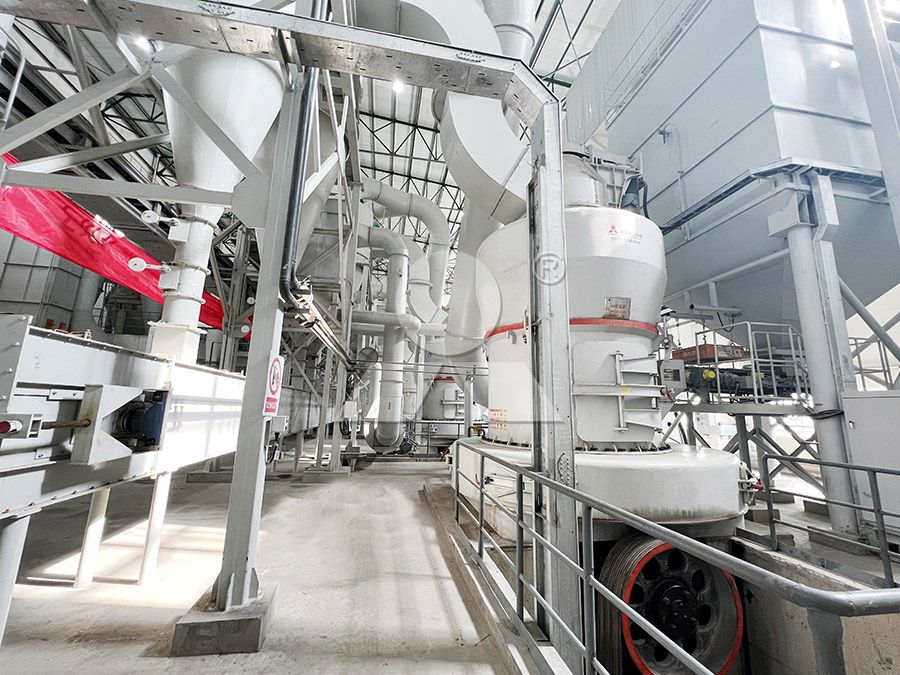
The Critical Role of Grinding Technology
Modern mineral processing demands equipment that can deliver consistent performance under challenging conditions. The transition from traditional ball mills to more advanced grinding technologies has revolutionized how operations approach size reduction. Today’s operations require mills that offer not just grinding capability but integrated systems that handle drying, classification, and conveying in a single, efficient package.
When processing limestone for coal mine applications, several factors become paramount: the ability to achieve precise fineness control, minimal iron contamination, low energy consumption per ton processed, and robust construction that withstands continuous operation. The evolution of grinding technology has specifically addressed these needs through innovative engineering solutions.
Advanced Mill Solutions for Modern Operations
Among the sophisticated equipment available for limestone grinding applications, our MW Ultrafine Grinding Mill represents a significant technological advancement. Engineered specifically for customers requiring ultra-fine powder production, this machine processes materials with an input size of 0-20 mm and delivers capacities ranging from 0.5 to 25 tons per hour. What makes this equipment particularly valuable for coal mine limestone processing is its exceptional efficiency in producing powders adjustable between 325-2500 meshes, with the capability to achieve d97≤5μm in a single pass.
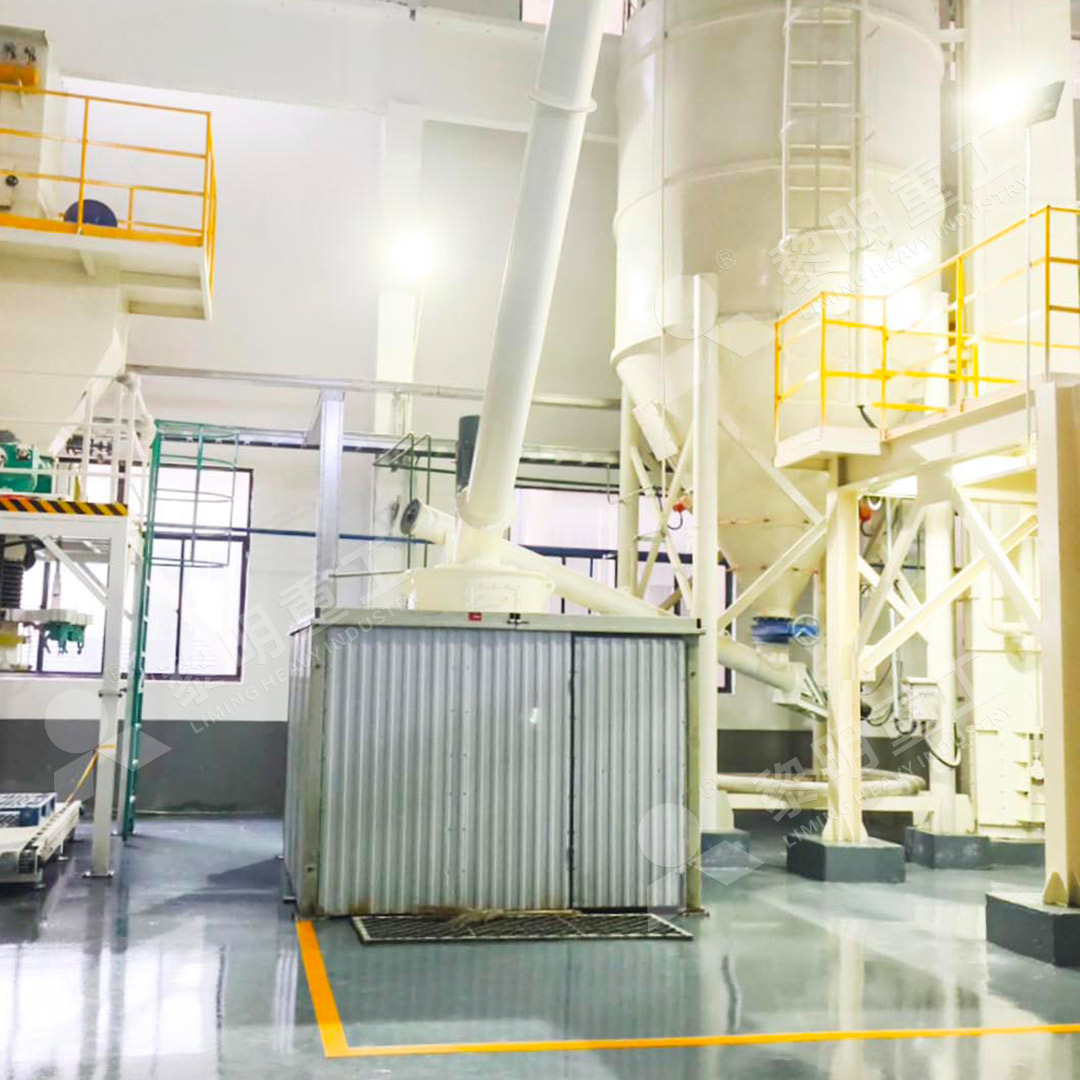
The MW series incorporates several proprietary technologies that directly benefit mining operations. Its newly designed grinding curves for the roller and ring assembly enhance grinding efficiency substantially. Comparative performance data demonstrates a 40% higher production capacity than jet mills or stirred grinding mills at equivalent fineness and power consumption, while delivering twice the output of traditional ball mills. Perhaps most significantly for cost-conscious operations, the system energy consumption is merely 30% of comparable jet milling systems.
Engineering Excellence in Design
The architectural decisions behind advanced grinding mills focus on addressing common pain points in mineral processing. The MW Ultrafine Grinding Mill eliminates rolling bearings and screws within the grinding chamber entirely, liberating operators from concerns about bearing damage or seal failures. This design philosophy extends to the external lubrication system, which permits lubrication without shutdowns, enabling continuous 24-hour production cycles that are essential for mining operations.
Environmental considerations have been integrated into the core design. The mill incorporates an efficient pulse dust collector that ensures no dust pollution occurs during operation. Combined with silencers and noise elimination rooms, the system operates fully in compliance with national environmental protection standards, a critical consideration for mining operations subject to stringent regulatory oversight.

Operational Advantages in Coal Mine Applications
For limestone processing in coal mining contexts, the precision offered by advanced grinding technology translates to tangible benefits. The cage-type powder selector, incorporating German technology, provides exceptional separation accuracy. Operators can configure multi-head cage-type selectors based on specific requirements for yield, fineness, and sieving rate, offering unprecedented flexibility to meet varying production demands.
This technological sophistication extends to the manufacturing process itself. With dozens of numerical control machine lines handling cutting, bending, planing, milling, and painting operations, the machining precision—particularly for core components—ensures consistent performance and extended service life. This manufacturing approach guarantees that every mill delivers the reliability that mining operations depend on for continuous processing.
Beyond Basic Grinding: Integrated System Benefits
The value proposition of modern grinding equipment extends beyond the mill itself. Comprehensive support including original spare parts availability and technical services ensures worry-free operation. For coal mine operations where downtime translates directly to financial impact, this support infrastructure becomes as critical as the equipment performance.
The applications for finely ground limestone in coal mining continue to expand, from traditional uses in emissions control to innovative applications in mine safety and rehabilitation. Having equipment capable of producing precisely controlled particle size distributions opens new possibilities for operational optimization and environmental stewardship.
Conclusion
The evolution of grinding technology has positioned advanced mills as cornerstone equipment in modern mineral processing operations. For coal mine limestone applications, the combination of precision engineering, energy efficiency, environmental compliance, and operational reliability makes equipment like the MW Ultrafine Grinding Mill an investment that pays dividends through enhanced productivity and reduced operating costs. As mining operations continue to face pressure to improve efficiency while maintaining environmental responsibility, the role of sophisticated grinding technology becomes increasingly central to operational success.
Frequently Asked Questions
What fineness range can the MW Ultrafine Grinding Mill achieve for limestone processing?
The MW Ultrafine Grinding Mill can produce limestone powders adjustable between 325-2500 meshes, with the capability to achieve d97≤5μm in a single pass, making it suitable for various industrial applications requiring precise particle size control.
How does the energy consumption compare to traditional grinding systems?
The MW series demonstrates significantly lower energy consumption, using only 30% of the energy required by jet milling systems while delivering 40% higher capacity than jet mills and twice the output of ball mills at equivalent fineness.
What environmental features are incorporated into the design?
The mill includes an efficient pulse dust collector that prevents dust pollution during operation, along with silencers and noise elimination rooms. The entire system operates under negative pressure and complies with national environmental protection standards.
How does the mill handle continuous operation requirements?
With no rolling bearings or screws in the grinding chamber and an external lubrication system that allows lubrication without shutdown, the MW Ultrafine Grinding Mill is designed for 24-hour continuous operation with minimal maintenance requirements.
What materials besides limestone can this equipment process?
The MW Ultrafine Grinding Mill is suitable for various non-metallic minerals including calcite, dolomite, petroleum coal, gypsum, barite, marble, talc, and coal powder, as well as applications in chemical, paint, cosmetic, and food additive industries.
What is the typical input size and capacity range?
The equipment processes materials with input sizes of 0-20 mm and delivers capacities ranging from 0.5 to 25 tons per hour, depending on material characteristics and required fineness.
How does the powder selection system work?
The cage-type powder selector utilizes German technology for high-precision separation. Multi-head cage-type selectors can be configured based on specific requirements for yield, fineness, and sieving rate, providing exceptional control over final product characteristics.