
Coal Mill Process Flow in Cement Plant: Step-by-Step Guide
We provide a wide range of mills — including Raymond mill, trapezoidal mill, vertical mill, ultrafine mill, and ball mill, obtained ISO9001 international quality certification, EU CE certification, and Customs Union CU-TR certification. Suitable for processing minerals such as limestone, phosphate, quicklime, kaolin, talc, barite, bentonite, calcium carbonate, dolomite, coal, gypsum, clay, carbon black, slag, cement raw materials, cement clinker, and more.
The discharge range of these mills can be adjusted to meet specific processing needs, typically from 80-400 mesh, 600-3250 mesh, and can achieve the finest particle size of up to 6000 mesh(D50).
If you are looking for a reliable grinding solution to turn stone or minerals into fine powder, please feel free to contact our online customer service.
Coal Mill Process Flow in Cement Plant: A Step-by-Step Guide
In the cement manufacturing process, the coal mill plays a crucial role in providing the necessary thermal energy for clinker production. Proper coal grinding is essential for efficient combustion in the kiln. Here’s a detailed, step-by-step breakdown of the typical coal mill process flow in a modern cement plant.
Step 1: Raw Coal Feeding
The process begins with the transportation of raw coal from the storage yard to the coal mill feed hopper. This is typically done via belt conveyors. The raw coal, with a size usually ranging from 0 to 50 mm, is fed into the mill. Precise feeding is critical to maintain a stable grinding process and avoid mill overloads or underloads. A vibrating feeder or rotary feeder often controls the feed rate.
Step 2: Drying and Grinding
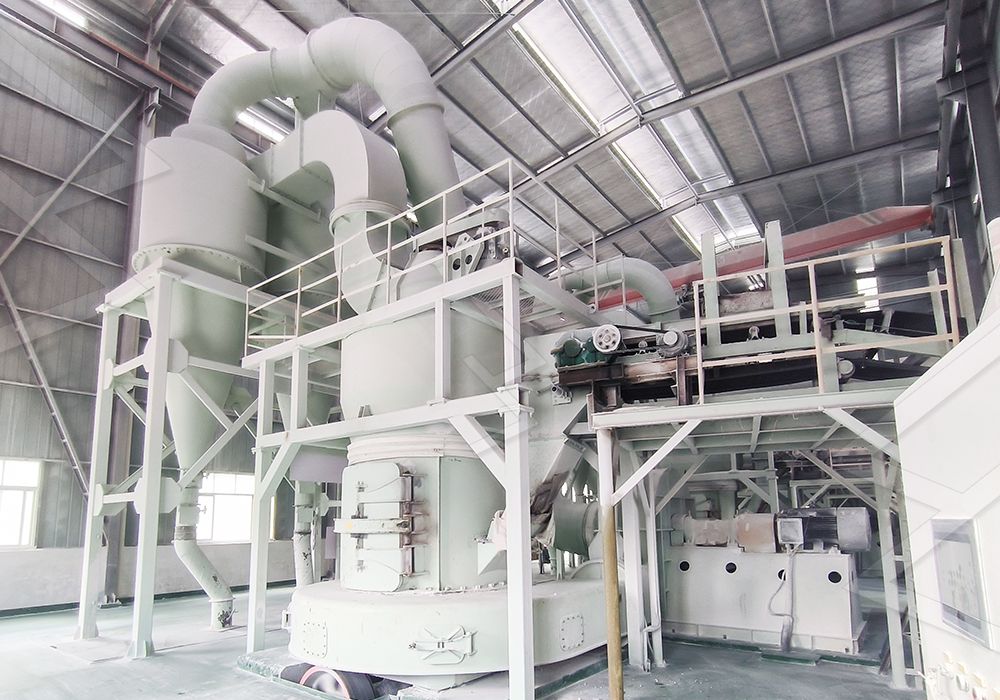
Inside the coal mill, the primary functions are drying and grinding. Hot gases from the kiln or a dedicated hot gas generator are introduced into the mill. These gases, often at temperatures between 250°C and 350°C, dry the coal by evaporating its surface moisture. Simultaneously, the grinding mechanism—whether it’s vertical rollers, balls, or rollers and race—pulverizes the dried coal into a fine powder. The target fineness is usually around 10-15% residue on a 90-micron sieve for optimal combustion.
Step 3: Classification and Separation
As the coal is ground, the fine particles are carried upwards by the drying air stream. They enter a classifier integrated at the top of the mill. This classifier, often with adjustable vanes or a dynamic rotor, separates the fine,合格 product from coarse particles. The coarse material is rejected and returned to the grinding zone for further size reduction. This closed-circuit system ensures that only coal meeting the desired fineness specification proceeds to the next stage.
Step 4: Product Conveyance and Storage
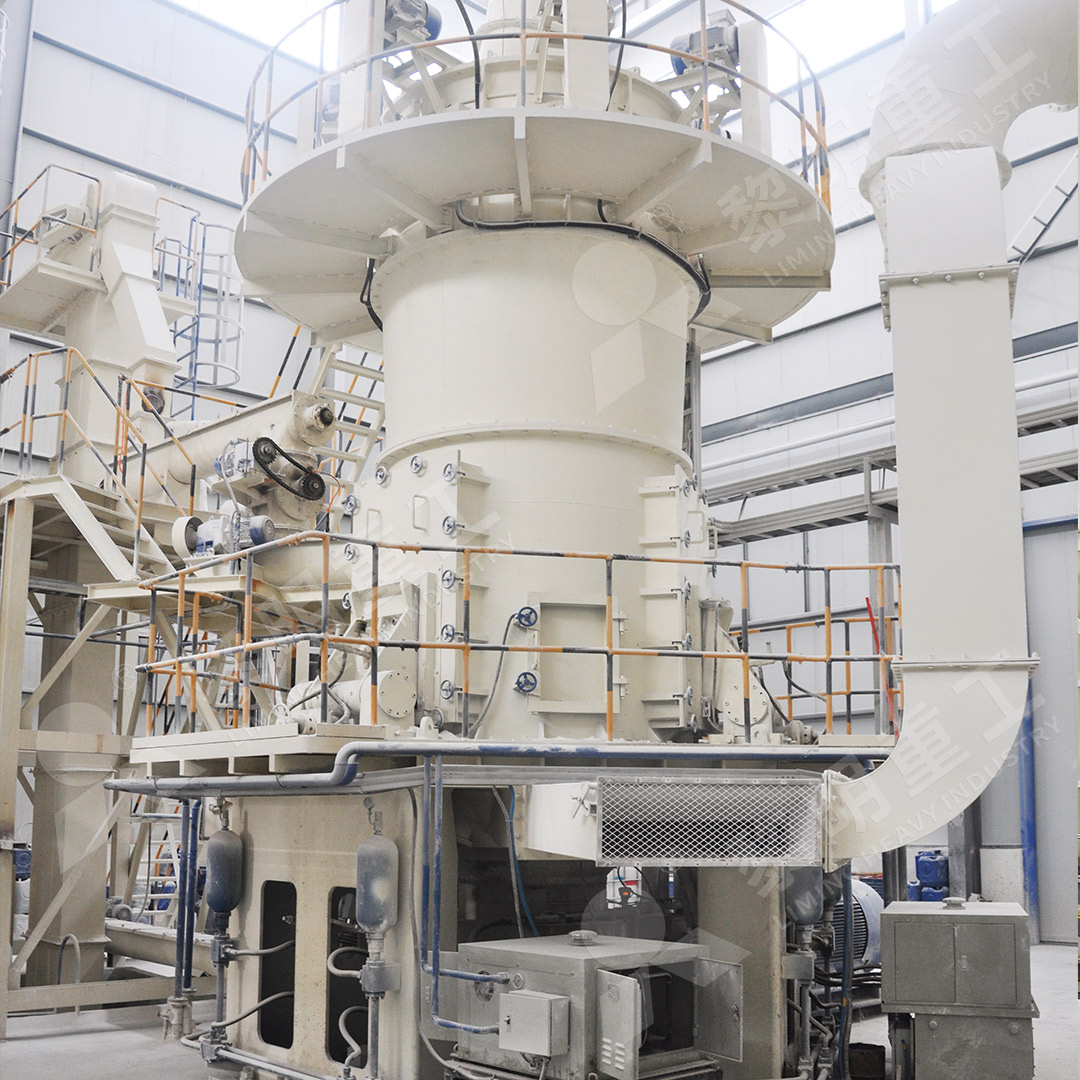
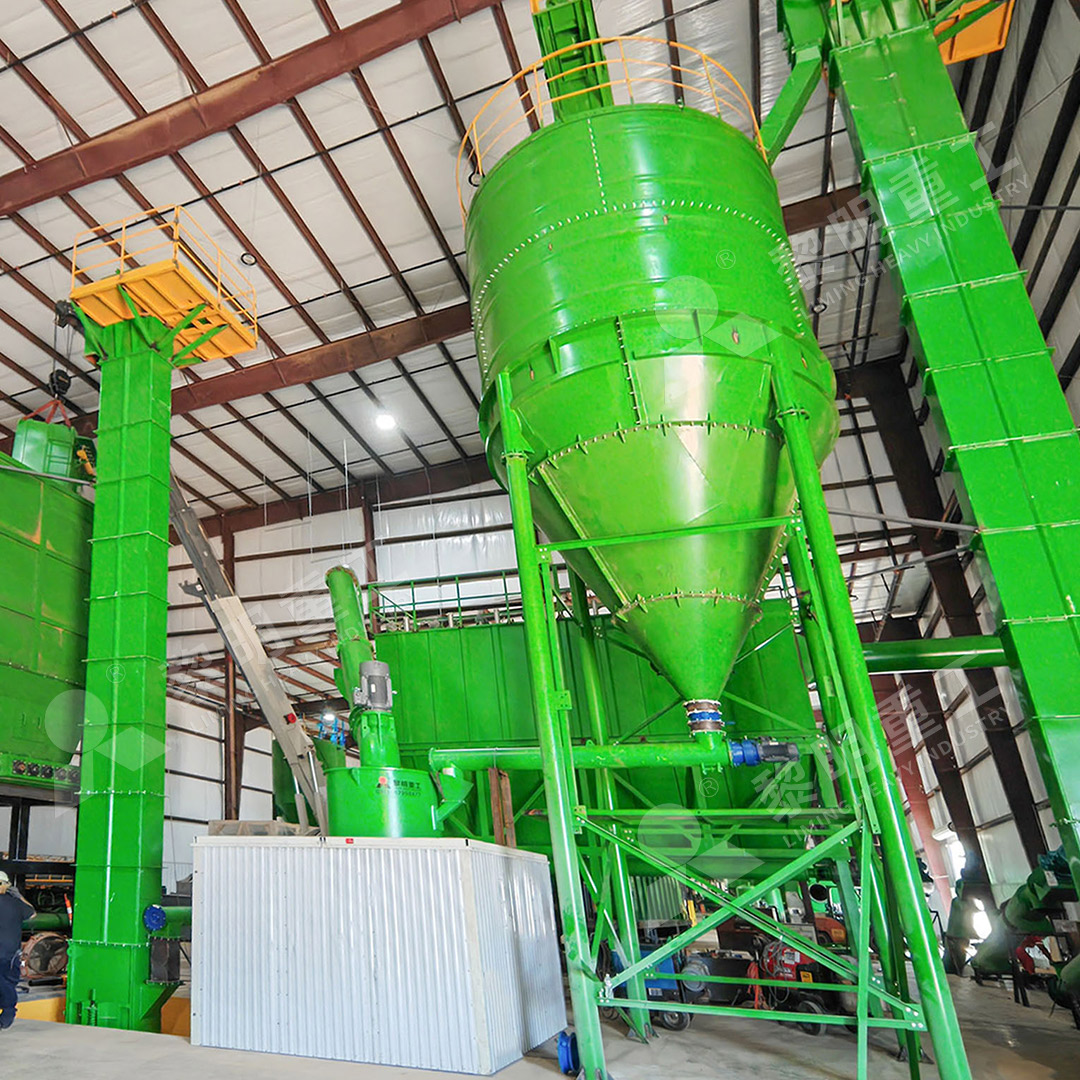
The fine coal powder, now called pulverized coal or coal dust, is transported from the mill outlet by the air stream to a cyclone separator or a bag filter. Here, the powdered coal is separated from the air. The collected coal is then stored in a fine coal silo, ready to be fed to the kiln burners. The transport air is often recirculated back to the mill inlet or vented after passing through a final dust collector to meet environmental standards.
Step 5: Combustion in the Kiln
The final step is the controlled feeding of this pulverized coal from the storage silo to the main burners of the cement kiln and the calciner. Here, it is combusted to provide the intense, consistent heat required to convert raw meal into cement clinker at temperatures exceeding 1400°C. The efficiency of this combustion is directly linked to the quality of grinding achieved in the coal mill.
Enhancing Efficiency with Advanced Grinding Technology
To optimize this entire process, many plants are upgrading to more efficient and reliable grinding systems. For instance, our LM Vertical Coal Mill is specifically engineered for this application. It integrates drying, grinding, classification, and conveying into a single unit, significantly reducing energy consumption by 30-40% compared to traditional ball mills. Its compact design saves space, and the robust construction ensures stable, continuous operation with minimal maintenance, thanks to features like hydraulic roller turning-out devices for easy wear part replacement.
For plants requiring even finer pulverization or processing other materials like limestone or slag, our MW Ultrafine Grinding Mill offers exceptional performance. With an input size of 0-20 mm and capacity ranging from 0.5 to 25 tph, it’s perfect for producing ultra-fine powders. Its key advantages include higher yielding with lower energy consumption—achieving 40% higher capacity than jet mills—and adjustable fineness between 325-2500 meshes. The innovative design without rolling bearings or screws in the grinding chamber eliminates common failure points, making it an incredibly reliable and worry-free choice for modern cement plants aiming for peak efficiency and lower operating costs.
Understanding and optimizing each step of the coal mill process is paramount for any cement plant seeking to improve its energy efficiency, reduce production costs, and maintain consistent product quality. Investing in the right grinding technology is a cornerstone of achieving these goals.