
Coal Mill Operation and Maintenance: A Detailed Guide for Optimal Performance
We provide a wide range of mills — including Raymond mill, trapezoidal mill, vertical mill, ultrafine mill, and ball mill, obtained ISO9001 international quality certification, EU CE certification, and Customs Union CU-TR certification. Suitable for processing minerals such as limestone, phosphate, quicklime, kaolin, talc, barite, bentonite, calcium carbonate, dolomite, coal, gypsum, clay, carbon black, slag, cement raw materials, cement clinker, and more.
The discharge range of these mills can be adjusted to meet specific processing needs, typically from 80-400 mesh, 600-3250 mesh, and can achieve the finest particle size of up to 6000 mesh(D50).
If you are looking for a reliable grinding solution to turn stone or minerals into fine powder, please feel free to contact our online customer service.
Coal Mill Operation and Maintenance: A Detailed Guide for Optimal Performance
Maintaining a coal mill isn’t just about keeping the lights on; it’s about ensuring efficiency, reliability, and longevity in one of your plant’s most critical systems. A poorly maintained mill can lead to significant downtime, increased energy consumption, and sub-par product quality. Let’s dive into the key operational practices and maintenance routines that will keep your coal grinding process running smoothly.
Key Operational Best Practices
First things first, consistent feed is king. Fluctuations in the feed rate are the arch-enemy of stable mill operation. They cause swings in the internal load, leading to poor particle size distribution and increased specific energy consumption. Always ensure your feed system—whether a gravimetric feeder or a screw conveyor—is calibrated and operating within its designed parameters.
Monitoring the mill’s sound is an old-school but incredibly effective trick. A trained ear can detect changes in the grinding noise that indicate under-loading or over-loading conditions. A deep, rumbling sound often means there’s not enough material in the grinding zone (under-load), while a high-pitched, metallic screech can signal that the rollers are grinding directly on the table with insufficient material (over-load). Modern systems use electronic accelerometers for this, but don’t underestimate the value of operator experience.
Critical Maintenance Routines You Can’t Ignore
Your maintenance schedule is your bible. Stick to it religiously. Daily walk-bys should include visual checks for any oil leaks, especially around the grinding roller hubs and the main gearbox. Listen for unusual noises and feel for excessive vibration. Weekly, you should be checking the wear on the grinding elements. For roller mills, this means measuring the remaining life of your roller tires and your grinding table segments. The rule of thumb is to replace them in sets to maintain balance and grinding efficiency. Don’t just replace one worn roller; do them all at once.
Lubrication is the lifeblood of your mill. The wrong grease or oil, or the wrong interval, is a surefire way to a catastrophic failure. Follow the manufacturer’s specifications to the letter for the main bearing, gearbox, and roller bearings. For mills with hydraulic systems, regular fluid analysis can predict problems long before they cause a shutdown. Contaminated oil is a silent killer for servo valves and hydraulic pumps.
Upgrading for the Future: The MW Ultrafine Grinding Mill
If you’re battling with constant downtime from bearing failures or struggling to meet increasingly strict fineness requirements, it might be time to consider a technological upgrade. A fantastic solution for operations needing to produce ultra-fine coal powder is the MW Ultrafine Grinding Mill.
This piece of kit is a game-changer. It’s designed with a brilliant feature: there are no rolling bearings or screws inside the actual grinding chamber. This might sound like a small detail, but it’s huge for maintenance teams. It completely eliminates the worry of in-chamber bearing seizures or the nightmare of loose screws causing catastrophic damage. The lubrication points are all on the outside, meaning you can perform routine greasing without ever having to shut down. That translates directly to higher availability and more tons ground per year.
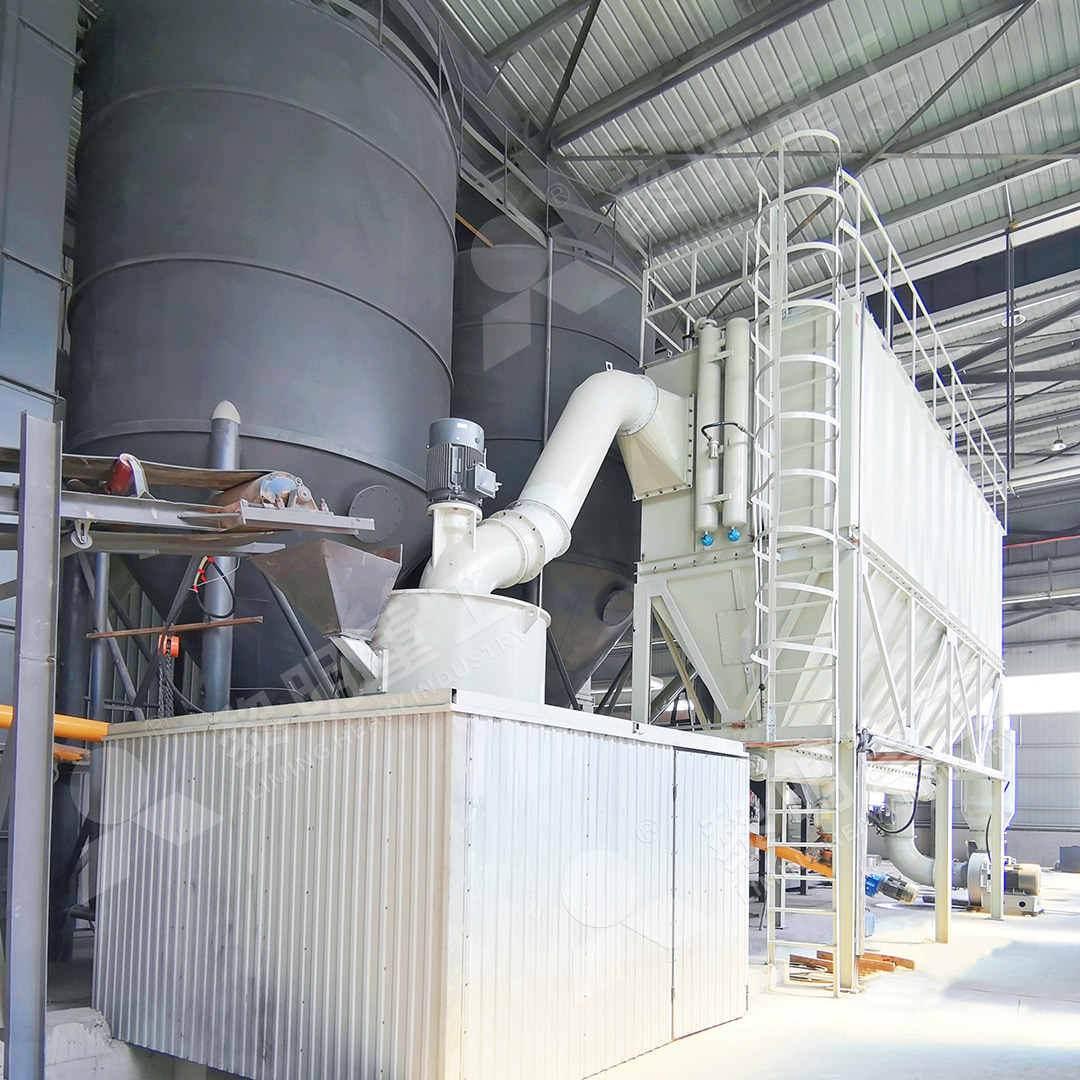
Beyond its robust design, the MW Mill boasts a cage-type powder selector that allows you to dial in your product fineness with precision, anywhere between 325 and 2500 meshes. It’s also incredibly energy-efficient, with system consumption reported to be about 30% lower than some jet mills. For operations grinding materials like petroleum coal or looking to supply to specialized chemical, paint, or additive industries, this mill offers the yield, quality, and reliability needed to stay competitive.
Combating Common Issues: Vibration and Wear
Excessive vibration is often the first sign of trouble. The most common culprits are uneven wear on grinding components, imbalanced roller assemblies, or foreign material (tramp iron) that has found its way into the mill. A good maintenance practice is to keep a vibration log, tracking trends over time. A sudden spike is a clear call to action.
Wear is inevitable, but its rate is manageable. Besides using high-quality, OEM-specific wear parts, you can control wear by ensuring your raw coal’s moisture and hardness are within the mill’s design limits. Grinding overly abrasive or wet coal will shred your components. Also, ensure your mill’s internal airflows are balanced; improper gas flow can recirculate coarse particles, accelerating wear on the grinding zone.
Conclusion
There’s no magic bullet for perfect coal mill performance. It’s a discipline built on consistent operation, diligent preventative maintenance, and a willingness to invest in modern, reliable technology when the time is right. By understanding the nuances of your equipment and addressing issues proactively, you can maximize throughput, minimize energy costs, and avoid those costly, unplanned shutdowns that keep plant managers up at night. Remember, an hour of preventative maintenance is always cheaper than a day of emergency repairs.