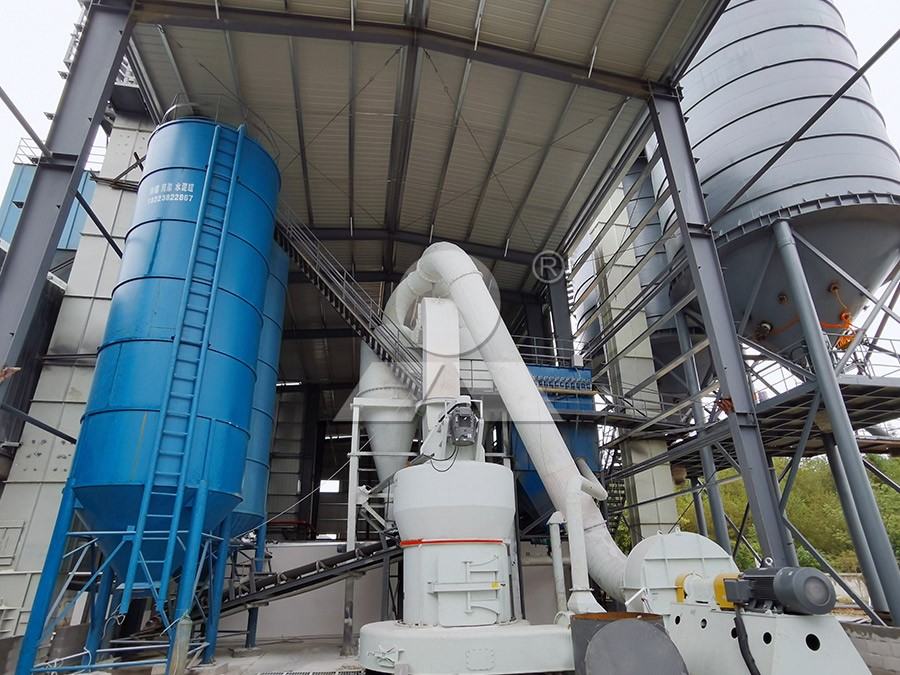
Coal Mill Baghouse Explosion Vent Safety Latch Maintenance Guide
We provide a wide range of mills — including Raymond mill, trapezoidal mill, vertical mill, ultrafine mill, and ball mill, obtained ISO9001 international quality certification, EU CE certification, and Customs Union CU-TR certification. Suitable for processing minerals such as limestone, phosphate, quicklime, kaolin, talc, barite, bentonite, calcium carbonate, dolomite, coal, gypsum, clay, carbon black, slag, cement raw materials, cement clinker, and more.
The discharge range of these mills can be adjusted to meet specific processing needs, typically from 80-400 mesh, 600-3250 mesh, and can achieve the finest particle size of up to 6000 mesh(D50).
If you are looking for a reliable grinding solution to turn stone or minerals into fine powder, please feel free to contact our online customer service.
Coal Mill Baghouse Explosion Vent Safety Latch Maintenance Guide
Maintaining the integrity of explosion vent safety latches on coal mill baghouses is a critical, yet often overlooked, aspect of plant safety and operational continuity. These components are the first line of defence against catastrophic events resulting from combustible dust explosions. A poorly maintained latch can fail to activate or seal properly, leading to equipment damage, prolonged downtime, and severe safety hazards. This guide outlines essential maintenance procedures to ensure these vital safety devices function as intended.
Understanding the Risks: Why Maintenance is Non-Negotiable
Coal dust is highly combustible. Within the confined space of a grinding mill and its connected baghouse, a spark or heat source can trigger a rapid pressure rise. Explosion vents are designed to release this pressure safely to the atmosphere, and their latches must open instantaneously at a predetermined pressure and then re-seal to prevent oxygen ingress and a potential secondary, often more devastating, explosion. Dust accumulation, corrosion, mechanical damage, and environmental wear can all compromise latch functionality.
Routine Inspection Checklist
A proactive inspection schedule is paramount. We recommend a weekly visual check and a more thorough monthly inspection.
- Visual Inspection: Check for obvious signs of damage, corrosion, or deformation on the latch arm, hinge pins, and clamping surfaces.
- Dust & Debris: Ensure the latch mechanism and the vent seat are free from dust buildup, which can impede movement or prevent a proper seal.
Lubrication: Lightly lubricate hinge points with a high-temperature, graphite-based lubricant. Avoid over-lubrication, as it can attract and hold dust.- Seal Integrity: Inspect the gasket or sealing surface on the vent door for brittleness, cracking, or wear. Replace immediately if compromised.
- Operational Check: Manually test the latch release mechanism to ensure it moves freely without binding.
Advanced Preventative Measures
Beyond basic checks, consider these steps for enhanced reliability:
- Use a torque wrench during reinstallation after inspection to ensure clamps are tightened to the manufacturer’s exact specifications. Overtightening can warp components.
- Implement a strict documentation log, recording every inspection, any maintenance performed, and the condition of parts. This history is invaluable for predicting lifespan.
- Consider the operating environment. Mills located in areas with high humidity or temperature fluctuations may require more frequent inspections for corrosion and thermal expansion issues.
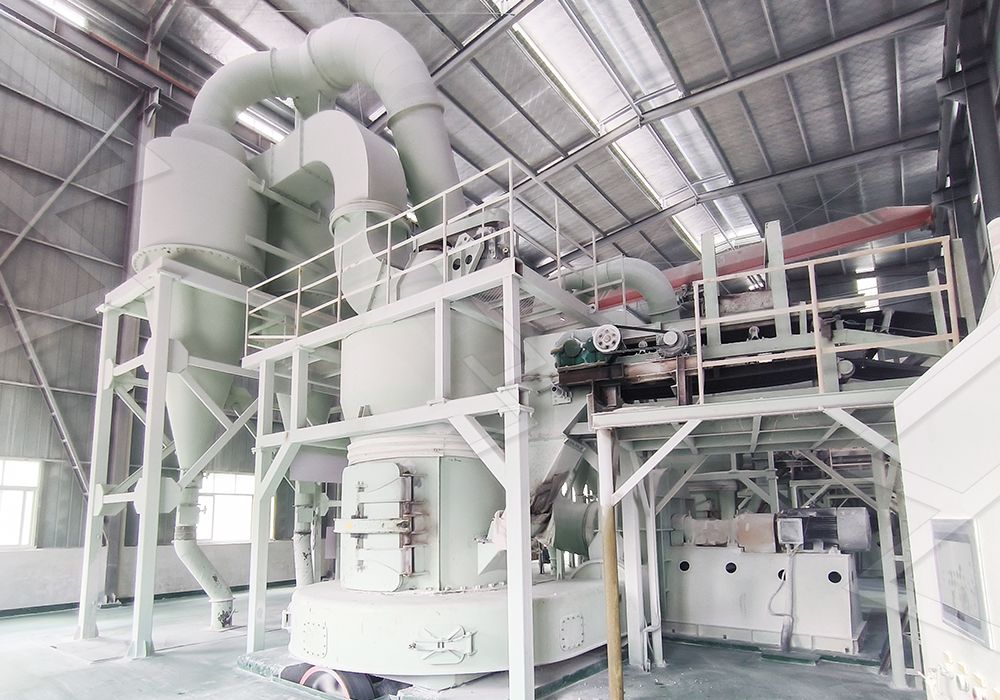
The Foundation of Safety: A Modern, Efficient Grinding Mill
While maintaining safety equipment is crucial, the best strategy is to minimize explosion risk at its source. A modern, well-designed grinding mill operates more efficiently and with features specifically engineered to enhance safety. For operations processing coal powder, our MW Ultrafine Grinding Mill is an exceptional choice. It is equipped with an efficient pulse dust collector that significantly reduces the amount of airborne dust within the system, directly lowering the primary explosion risk. Furthermore, its design boasts No Rolling Bearing & Screw in Grinding Chamber, eliminating potential sources of sparking from mechanical failures and making the entire milling process inherently safer and more reliable.
For larger scale operations requiring vertical integration, our LM Vertical Coal Mill is another robust solution. It integrates crushing, drying, grinding, and powder selection into a single, compact unit. Its fully automatic control system allows for precise operational control, and the entire system operates under negative pressure, ensuring no dust溢出 (spillage) and maintaining a cleaner, safer plant environment. Both mills are designed with the latest safety and environmental standards as a core priority.
Conclusion
Never underestimate the importance of a well-maintained explosion vent safety latch. It is a small component with a massive responsibility. By integrating rigorous, scheduled maintenance of these safety devices with the operation of modern, efficient grinding equipment like the MW Ultrafine Grinding Mill or LM Vertical Coal Mill, plant managers can create a comprehensive strategy that protects both their personnel and their productivity.