
Coal Grinding Mill Machine for Processing in Chongqing
We provide a wide range of mills — including Raymond mill, trapezoidal mill, vertical mill, ultrafine mill, and ball mill, obtained ISO9001 international quality certification, EU CE certification, and Customs Union CU-TR certification. Suitable for processing minerals such as limestone, phosphate, quicklime, kaolin, talc, barite, bentonite, calcium carbonate, dolomite, coal, gypsum, clay, carbon black, slag, cement raw materials, cement clinker, and more.
The discharge range of these mills can be adjusted to meet specific processing needs, typically from 80-400 mesh, 600-3250 mesh, and can achieve the finest particle size of up to 6000 mesh(D50).
If you are looking for a reliable grinding solution to turn stone or minerals into fine powder, please feel free to contact our online customer service.
Coal Grinding Mill Machine for Processing in Chongqing
Chongqing, a major industrial hub in Southwest China, has a significant demand for efficient and reliable coal processing equipment. The region’s power generation, cement production, and chemical manufacturing sectors rely heavily on consistent supplies of pulverized coal. Selecting the right coal grinding mill is therefore a critical decision for plant managers and engineers, impacting not only production efficiency but also operational costs and environmental compliance.
The ideal coal grinding solution must balance several key factors: the required fineness of the final product (often measured in meshes or micrometers), the desired throughput capacity, energy consumption, system footprint, and adherence to stringent environmental regulations concerning dust and noise. Traditional ball mills, while common, often fall short in terms of energy efficiency and precise particle size control for modern applications.
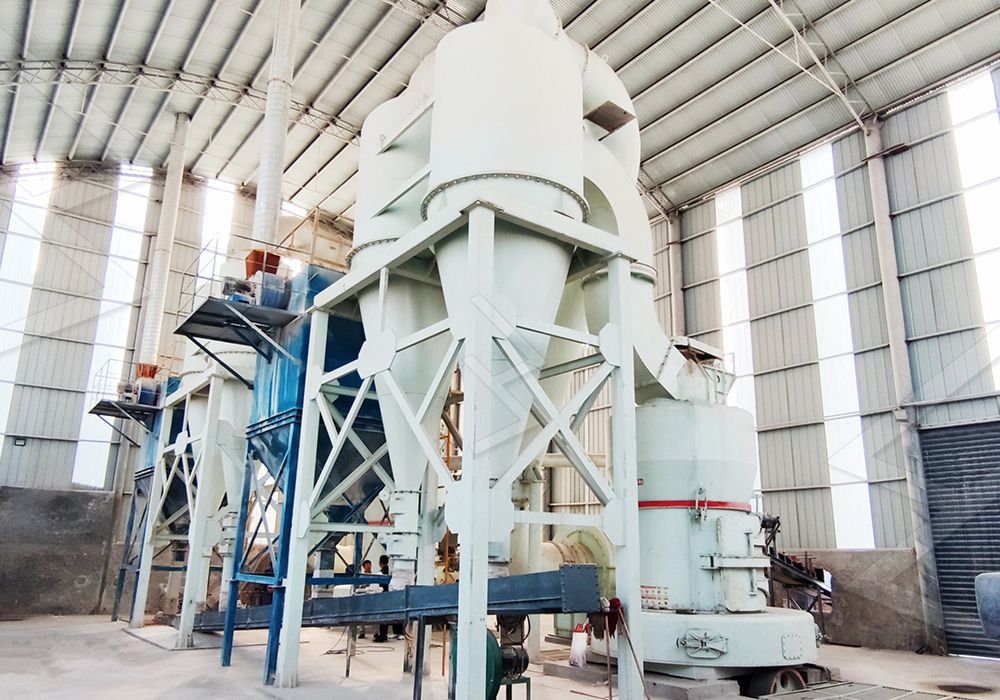
For operations in Chongqing requiring high-capacity processing with integrated drying and grinding, the LM Vertical Coal Mill stands out as a premier choice. This mill is engineered to handle raw coal with an input size of less than 50mm and offers a robust capacity range of 5-100 tons per hour. Its integrated design combines crushing, drying, grinding, and powder selection into a single, compact unit, significantly reducing the plant’s overall footprint—a valuable advantage in areas with space constraints. The system operates under negative pressure, ensuring a dust-free environment, while its unique grinding roller and table design contributes to energy savings of 40-50% compared to traditional ball mills.
Advancing Ultra-Fine Coal Powder Production
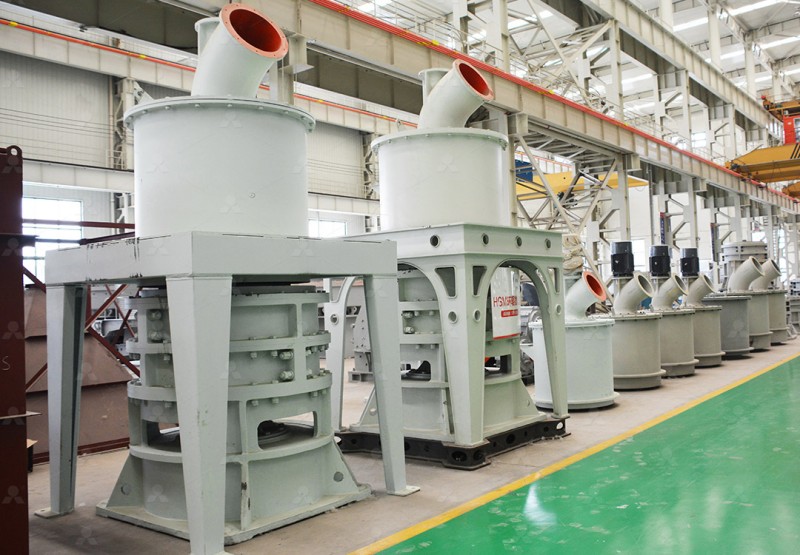
When the application demands ultra-fine coal powder, particularly for specialized uses in advanced materials or chemical processes, a different class of mill is required. Here, the MW Ultrafine Grinding Mill demonstrates exceptional capability. Designed for customers needing to produce ultra-fine powder, this machine accepts feed sizes of 0-20 mm and delivers a capacity range of 0.5 to 25 tons per hour.
The MW Mill’s core strength lies in its adjustable fineness, which can be precisely calibrated between 325 and 2500 meshes, with the ability to achieve a d97 ≤5μm particle size in a single pass. This is made possible by its advanced German-technology, cage-type powder selector. Furthermore, its innovative design eliminates rolling bearings and screws within the grinding chamber, virtually eradicating common failure points and enabling worry-free, continuous 24-hour operation. For environmentally conscious operations in Chongqing, it comes equipped with an efficient pulse dust collector and muffler, minimizing both particulate emissions and noise pollution.
Key Selection Criteria for Chongqing’s Market
The diverse industrial landscape of Chongqing means that a one-size-fits-all approach does not work. Key considerations include:
- Raw Material Characteristics: Moisture content, hardness, and feed size of the coal.
- Product Specification: Required fineness and particle size distribution for the end-use process.
- Operational Priorities: Emphasis on energy savings, low maintenance, automation level, or minimal environmental impact.
- Space and Layout: The physical constraints of the existing or new plant facility.
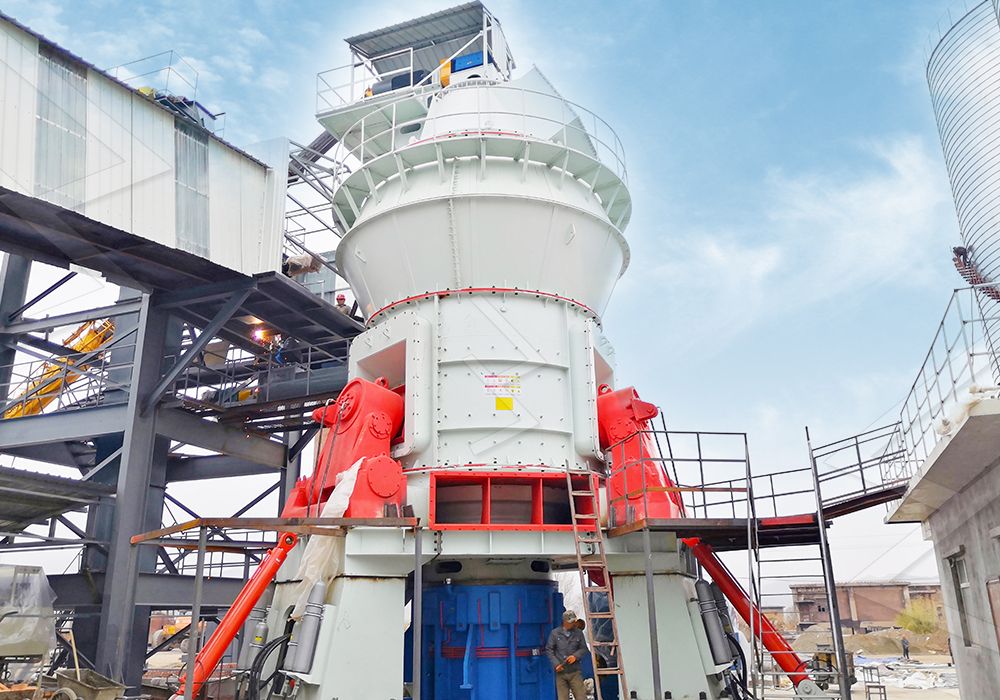
Vertical roller mills, like the LM series, are generally favored for large-scale coal preparation due to their high drying capacity (important for coal with higher moisture) and excellent energy efficiency. Ultrafine mills like the MW series cater to niche, high-value-added applications where superior product fineness and purity are paramount.
Conclusion: Partnering for Performance
Investing in the right coal grinding technology is an investment in long-term productivity and sustainability. For companies in Chongqing looking to upgrade their coal processing lines, focusing on mills that offer digitalized processing for higher precision, comprehensive environmental controls, and robust after-sales support with genuine spare parts is crucial. Solutions like the LM Vertical Coal Mill for integrated, high-capacity grinding and the MW Ultrafine Grinding Mill for specialized fine-powder production represent the kind of advanced, reliable technology that can drive efficiency and competitiveness in today’s demanding market.
Frequently Asked Questions (FAQ)
- What is the main advantage of a vertical coal mill over a traditional ball mill for coal grinding in Chongqing?
Vertical coal mills, such as the LM series, offer significantly higher energy efficiency (saving 40-50% power), integrated drying and grinding, a much smaller footprint, and operate under negative pressure for a cleaner, dust-free workshop environment. - Can the MW Ultrafine Grinding Mill handle the high moisture content sometimes found in coal?
The MW Mill is primarily designed for fine and ultra-fine grinding. For coal with high surface moisture, a system with integrated hot air drying (like the LM Vertical Coal Mill) is typically recommended upstream or as the primary grinding solution to ensure efficient processing. - How is the fineness of the final coal powder controlled in these mills?
Fineness is precisely controlled by an internal powder separator. In the MW Ultrafine Mill, a multi-head cage-type selector allows adjustment between 325-2500 meshes. In the LM Vertical Mill, the speed of the separator rotor is adjusted to control the cut point, allowing coarse particles to be returned for regrinding. - Are these mills suitable for processing other materials besides coal?
Yes. The LM Vertical Coal Mill is also adept at processing petroleum coke and desulfurized limestone powder. The MW Ultrafine Grinding Mill has a wide range of applications, including limestone, calcite, dolomite, barite, and talc for industries like chemicals, paints, and cosmetics. - What kind of after-sales support and maintenance can be expected?
Manufacturers like LIMING provide full technical services and a guaranteed supply of original spare parts. Features like the external lubrication system on the MW Mill and the reversible roller structure on the LUM series are designed to simplify maintenance and ensure worry-free, long-term operation.