
Coal Grinding Mill for Processing in Liaoning: A Technical Perspective
We provide a wide range of mills — including Raymond mill, trapezoidal mill, vertical mill, ultrafine mill, and ball mill, obtained ISO9001 international quality certification, EU CE certification, and Customs Union CU-TR certification. Suitable for processing minerals such as limestone, phosphate, quicklime, kaolin, talc, barite, bentonite, calcium carbonate, dolomite, coal, gypsum, clay, carbon black, slag, cement raw materials, cement clinker, and more.
The discharge range of these mills can be adjusted to meet specific processing needs, typically from 80-400 mesh, 600-3250 mesh, and can achieve the finest particle size of up to 6000 mesh(D50).
If you are looking for a reliable grinding solution to turn stone or minerals into fine powder, please feel free to contact our online customer service.
Coal Grinding Mill for Processing in Liaoning: A Technical Perspective
The industrial landscape of Liaoning, a cornerstone of China’s heavy industry, demands robust and efficient solutions for raw material processing. Among these, coal grinding stands as a critical operation, powering everything from steel production to thermal power generation. The choice of grinding equipment directly impacts productivity, operational costs, and environmental compliance. This article delves into the technical considerations for coal grinding in this region and explores advanced milling solutions.
The Liaoning Context: Demands on Coal Processing
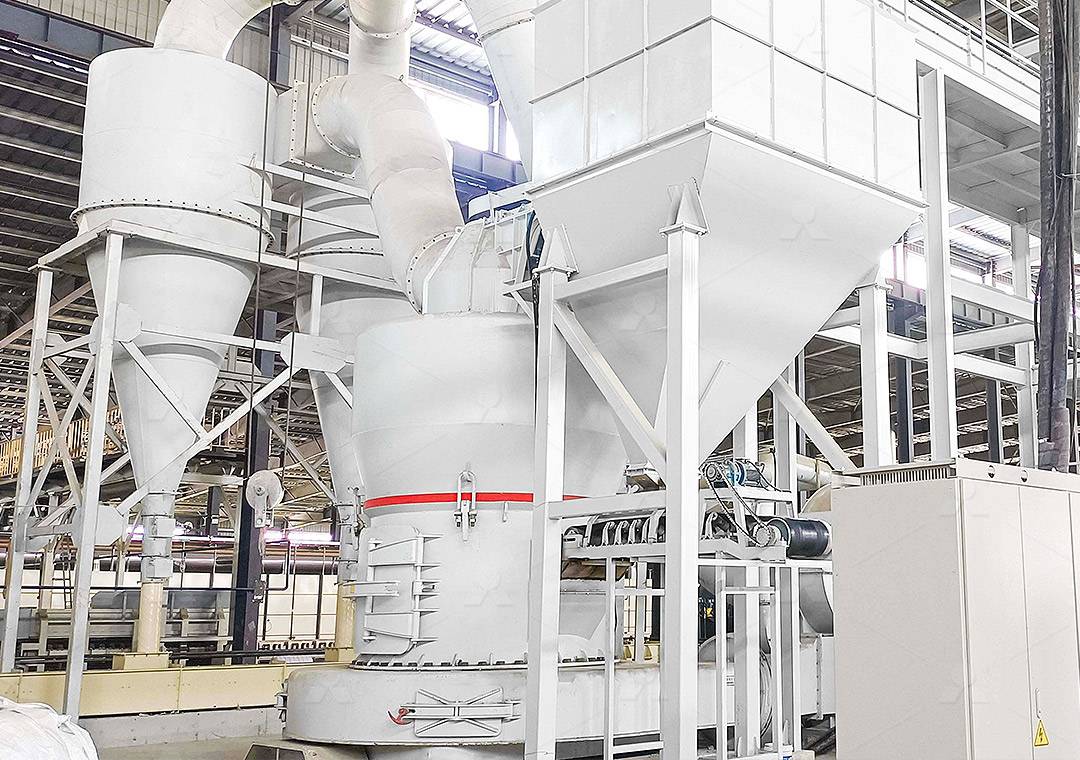
Liaoning’s industrial sectors require consistent supplies of pulverized coal with specific fineness and quality. The region’s focus on modernization and environmental stewardship places additional pressure on milling systems to be not only high-yielding but also clean and energy-efficient. Traditional ball mills, while reliable, often fall short in terms of energy consumption, footprint, and the ability to produce ultra-fine powders required for advanced applications like injection processes or clean combustion.
Key Considerations for Modern Coal Grinding
Selecting the right mill involves evaluating several core parameters:
- Grinding Efficiency & Energy Consumption: The primary cost driver. Modern mills must offer significantly lower kWh/ton than older designs.
- Product Fineness & Adjustability: The ability to reliably produce powder ranging from coarse (for boilers) to ultra-fine (for specialized industrial uses) is paramount.
- System Reliability & Maintenance: Downtime is costly. Designs that simplify maintenance and use durable, wear-resistant materials are essential.
- Environmental Integration: Effective built-in dust collection and low-noise operation are no longer optional but mandatory for sustainable production.
- Footprint & Automation: Compact designs save valuable plant space, while advanced control systems ensure stable, repeatable results with minimal manual intervention.
Advanced Milling Technology: The Vertical Mill Advantage
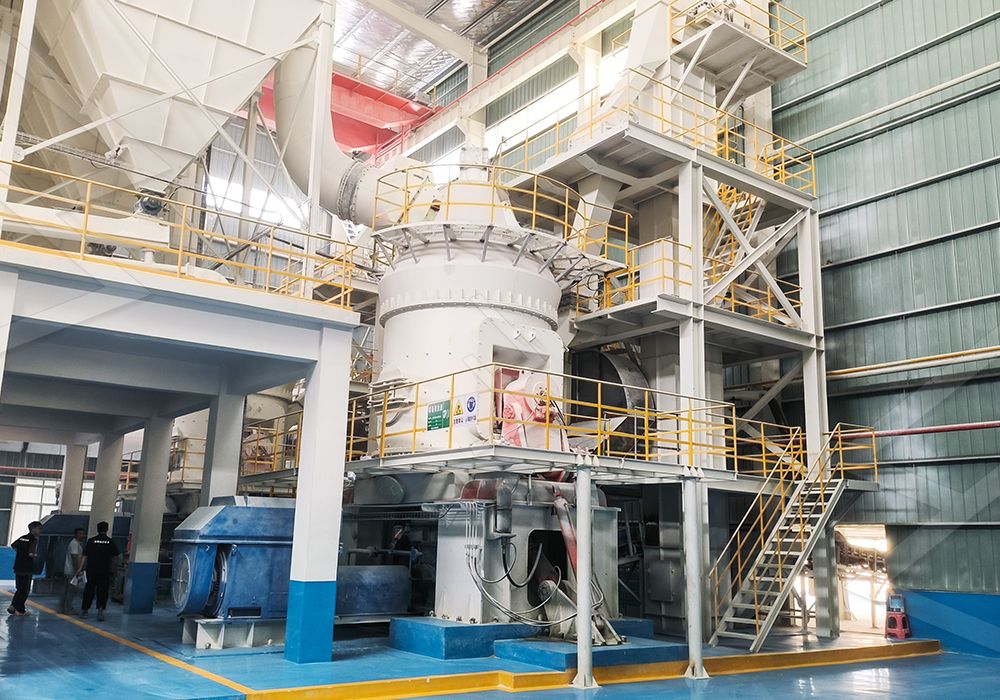
For large-scale coal preparation in settings like Liaoning’s power plants or steel mills, vertical roller mills have become the technology of choice. Their integrated drying-grinding-classifying process offers a compelling package. A standout example in this category is the LM Vertical Coal Mill. This system is engineered specifically for pulverized coal and desulfurized limestone powder production.
The LM Vertical Coal Mill integrates crushing, drying, grinding, and powder selection into a single, compact unit. Its defining feature is a grinding device that prevents direct contact between the roller and the table, utilizing a material bed for inter-particle comminution. This results in energy savings of 40-50% compared to traditional ball mills. Furthermore, the material’s short residence time (2-3 minutes) minimizes over-grinding and allows for rapid quality control adjustments. The entire system operates under negative pressure, ensuring no dust spillage and contributing to a cleaner plant environment—a critical factor for any operation in Liaoning aiming for stringent environmental compliance.
Pushing the Limits: Ultrafine Coal Powder Production
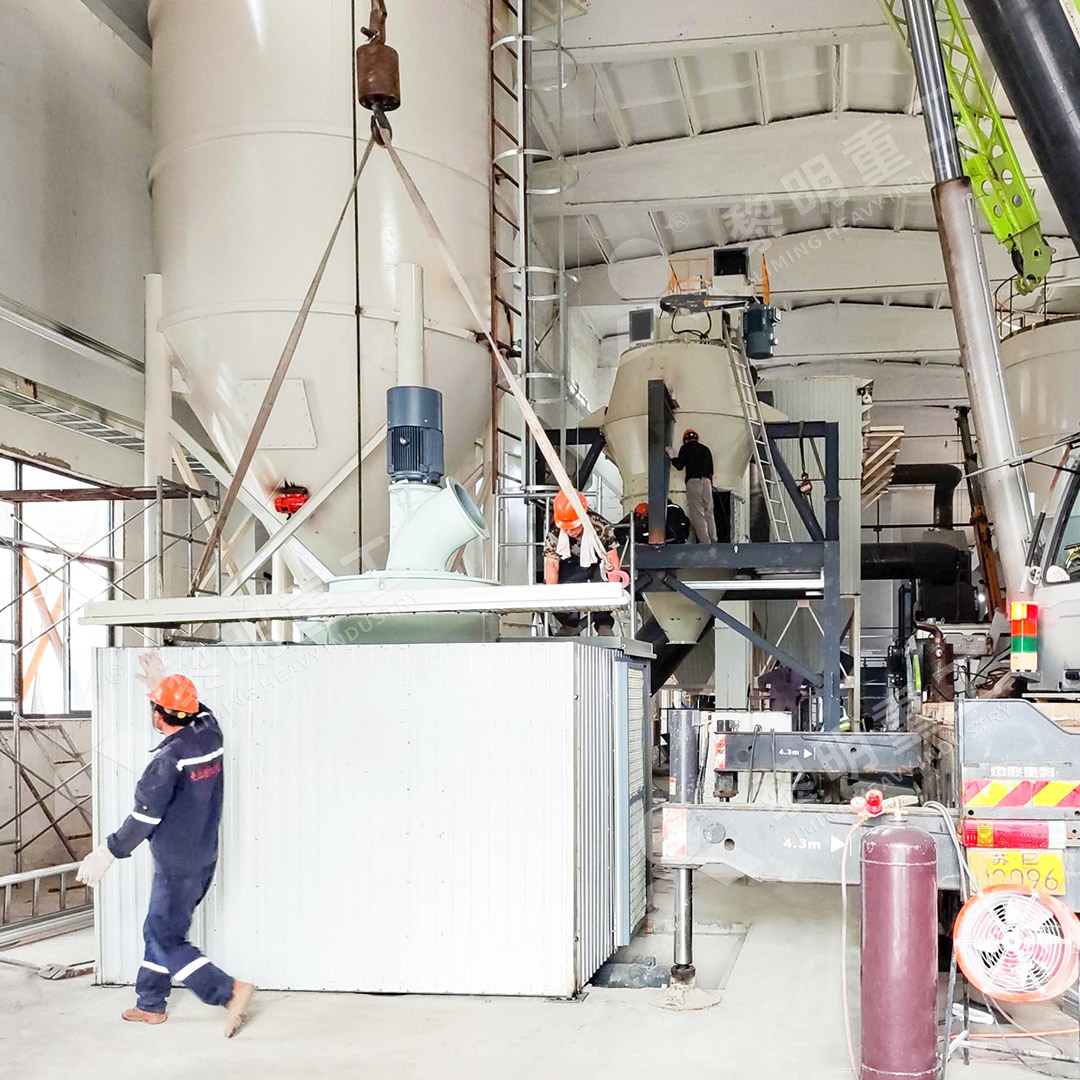
For applications demanding exceptionally fine coal powder, such as in advanced material synthesis or high-efficiency combustion systems, standard vertical mills may reach their limit. Here, specialized ultrafine grinding technology takes center stage. Our MW Ultrafine Grinding Mill is specifically designed for this challenging task.
With an input size of 0-20 mm and a capacity range of 0.5-25 tph, the MW Series is a powerhouse for fine powder generation. Its core advantage lies in a newly designed grinding curve for the roller and ring, which enhances efficiency to yield 40% higher output than jet mills at the same power and fineness. Perhaps most impressively, it can achieve a adjustable fineness between 325 and 2500 meshes, with a screening rate of d97≤5μm in a single pass. The mill’s internal design eliminates rolling bearings and screws in the grinding chamber, virtually eliminating failures related to these components. Coupled with an efficient pulse dust collector and silencer, it delivers ultra-fine powder without compromising on environmental or noise standards—a perfect fit for high-tech, environmentally conscious production lines.
Conclusion: Strategic Selection for Sustainable Output
The success of coal processing in Liaoning’s competitive industrial sector hinges on strategic equipment investment. Whether the requirement is for high-volume pulverized coal for power generation—where the LM Vertical Coal Mill excels with its integrated efficiency and stability—or for specialized, ultra-fine coal powders necessitating the precision of the MW Ultrafine Grinding Mill, the focus must be on total lifecycle value. This encompasses not just purchase price, but energy savings, maintenance costs, product quality consistency, and adherence to environmental regulations. By adopting these advanced milling technologies, operations in Liaoning can secure a reliable, efficient, and sustainable foundation for their core industrial processes.
Frequently Asked Questions (FAQ)
- What is the main advantage of a vertical coal mill over a traditional ball mill for coal grinding in Liaoning?
The primary advantages are significantly lower energy consumption (saving 40-50%), a much smaller footprint, integrated drying capability for raw coal with moisture, and a fully sealed system that operates under negative pressure to prevent dust pollution. - Can the MW Ultrafine Grinding Mill handle the abrasive nature of coal?
Yes. The MW Mill is designed with wear-resistant materials for grinding components. Furthermore, its innovative design without rolling bearings or screws in the grinding chamber specifically avoids common failure points associated with abrasive materials, ensuring higher reliability and lower maintenance costs. - How important is the dust collection system for coal mills in an industrial setting?
It is critical. Effective dust collection is essential for worker safety, plant cleanliness, equipment longevity, and regulatory compliance. Modern mills like the LM and MW series come equipped with high-efficiency pulse jet dust collectors as an integral part of the system, making them environmentally friendly by design. - What fineness range can I expect for pulverized coal used in power plant boilers?
Typical fineness for pulverized coal in thermal power plants ranges from 70% to 85% passing through a 200-mesh screen (about 74 microns). Both the LM Vertical Coal Mill and larger Raymond or MTW series mills can be precisely adjusted to meet this specification consistently. - Are these mills suitable for grinding other materials common in Liaoning, such as limestone or slag?
Absolutely. The technology is highly versatile. The LM series, for instance, has dedicated models for slag (LM Vertical Slag Mill). The MW Ultrafine Mill is also applicable for limestone, gypsum, and other non-metallic minerals, making them multi-purpose assets for diversified industrial operations.