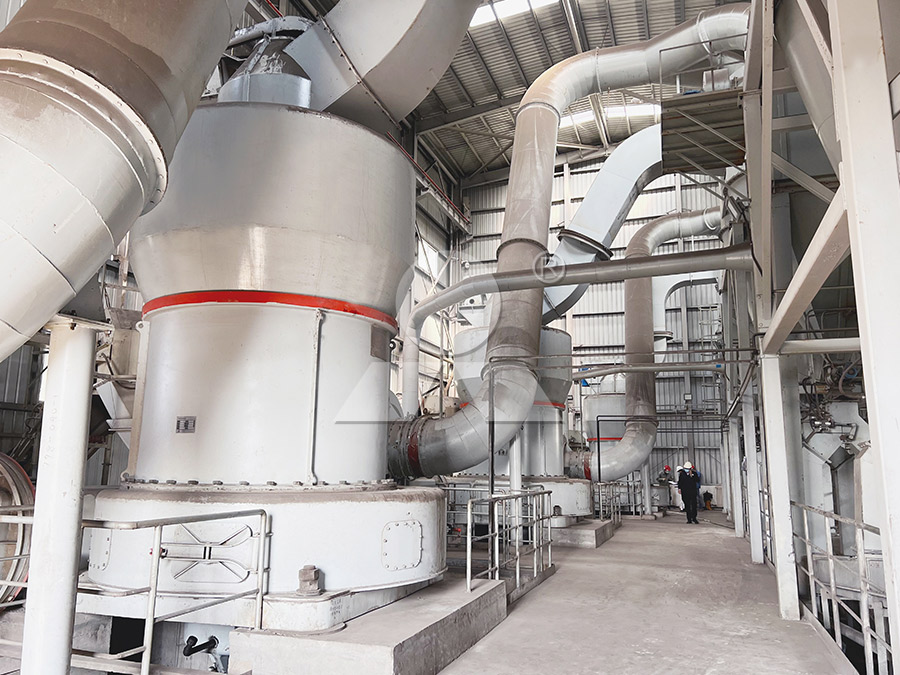
Coal Gangue Ball Mill Grinding System: Design and Optimization
We provide a wide range of mills — including Raymond mill, trapezoidal mill, vertical mill, ultrafine mill, and ball mill, obtained ISO9001 international quality certification, EU CE certification, and Customs Union CU-TR certification. Suitable for processing minerals such as limestone, phosphate, quicklime, kaolin, talc, barite, bentonite, calcium carbonate, dolomite, coal, gypsum, clay, carbon black, slag, cement raw materials, cement clinker, and more.
The discharge range of these mills can be adjusted to meet specific processing needs, typically from 80-400 mesh, 600-3250 mesh, and can achieve the finest particle size of up to 6000 mesh(D50).
If you are looking for a reliable grinding solution to turn stone or minerals into fine powder, please feel free to contact our online customer service.
Coal Gangue Ball Mill Grinding System: Design and Optimization
Coal gangue, a solid waste generated during coal mining and washing, presents both an environmental challenge and a potential resource. Its effective utilization hinges on efficient grinding to a suitable fineness for applications such as building material additives, cement production, or backfill material. Traditional ball mill systems have long been the workhorse for such tasks, but their design and operational parameters significantly impact efficiency, energy consumption, and final product quality. This article delves into the critical aspects of designing and optimizing a coal gangue ball mill grinding system, exploring modern advancements that move beyond conventional setups.
System Design Considerations
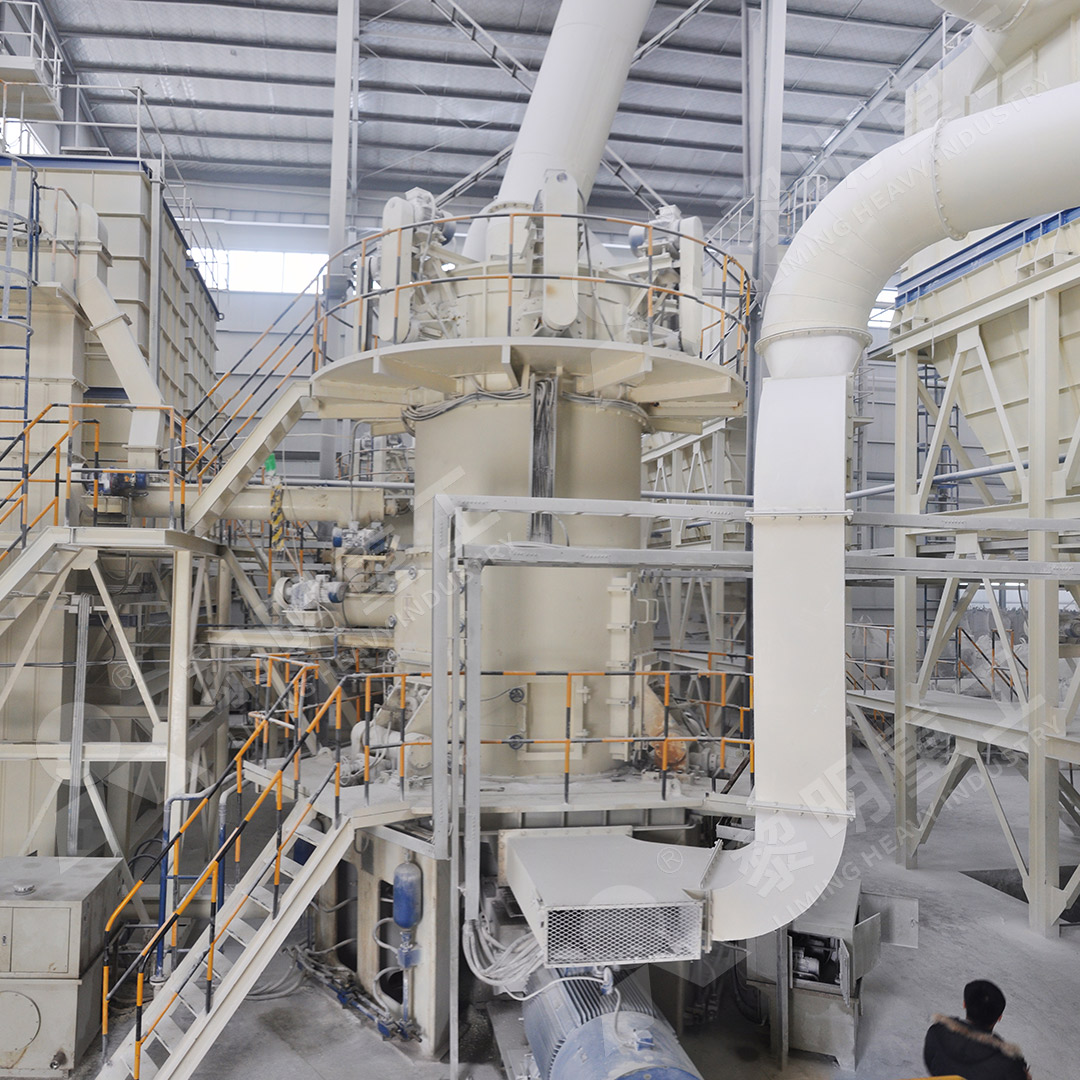
A well-designed coal gangue grinding circuit extends beyond the ball mill itself. It is an integrated system comprising several key components:
- Pre-Crushing and Feeding: Coal gangue feed size is crucial. Implementing a jaw crusher or hammer crusher to reduce the raw material to below 25mm ensures a consistent feed for the ball mill, preventing overload and promoting grinding efficiency.
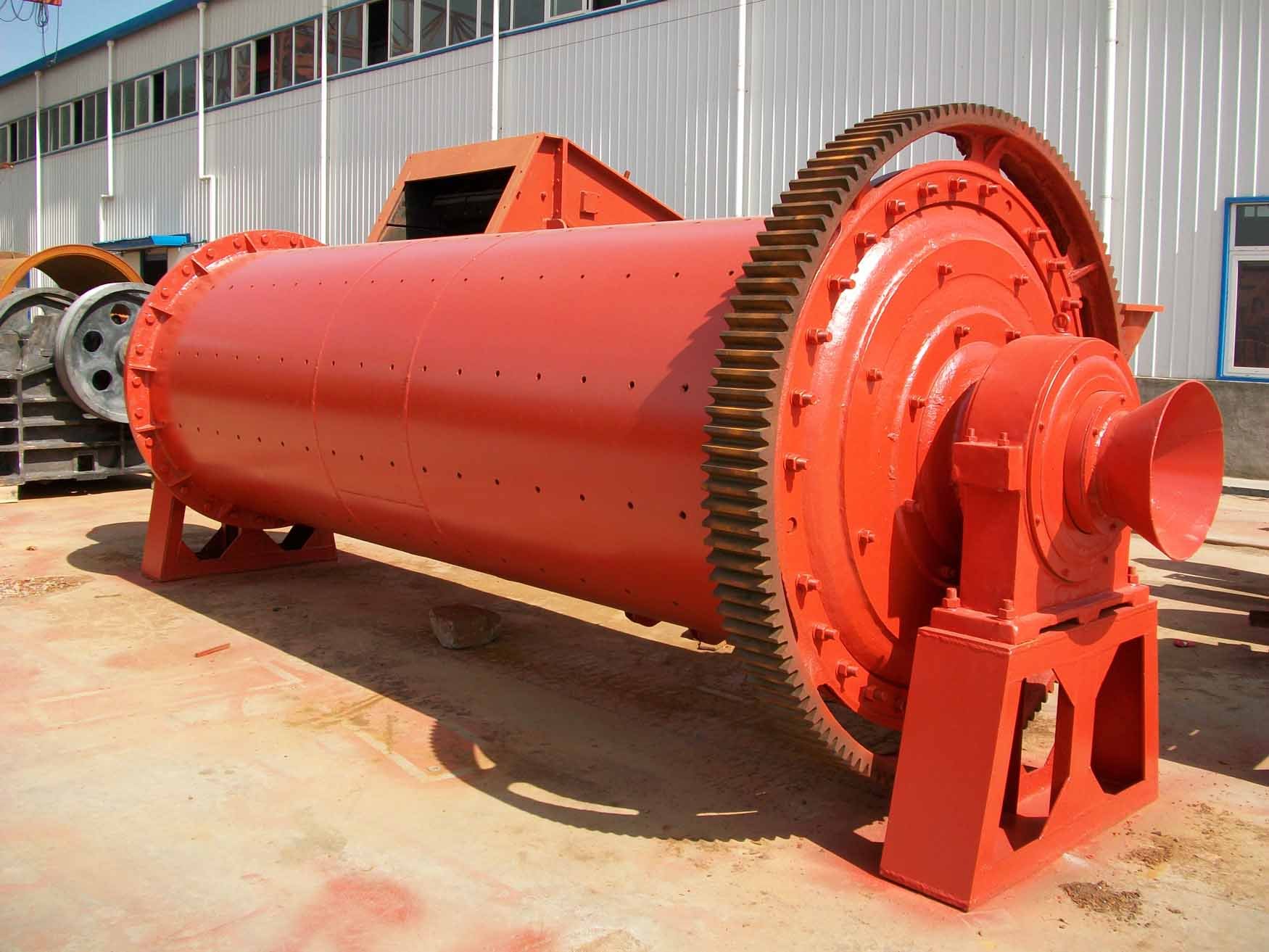
- The Ball Mill Core: Design factors include the length-to-diameter ratio (L/D), which influences residence time and product fineness. For coal gangue, a balanced ratio is preferred. Liner design (e.g., wave or stepped liners) impacts the lifting and cascading action of the grinding media. The selection of grinding media (ball size, composition, and filling ratio) is paramount; a multi-sized charge of high-chromium steel balls is often optimal for breaking down the heterogeneous hardness of gangue.
- Classification and Circulation: A closed-circuit system with a classifier (like a spiral or hydrocyclone) is essential for efficiency. The classifier returns coarse particles to the mill for regrinding, ensuring the final product meets the target fineness and preventing over-grinding, which wastes energy.
- Drying Integration: Coal gangue often has variable moisture. Integrating a drying stage, either pre-drying the feed or using a hot air source within a concurrent drying-grinding system, is vital for maintaining mill throughput and preventing material clogging.
- Dust Collection and Noise Control: An efficient pulse-jet baghouse dust collector is non-negotiable for environmental compliance and operator safety. Sound enclosures or mufflers for the mill and ancillary equipment are necessary to meet noise regulations.
Key Optimization Strategies
Optimization focuses on maximizing throughput while minimizing specific energy consumption (kWh/ton).
- Process Control Automation: Implementing PLC-based control systems to monitor and regulate feed rate, mill sound, bearing pressure, and classifier operation can stabilize the process. Automated systems adjust parameters in real-time to maintain optimal loading, directly boosting efficiency.
- Grinding Media Management: Regularly analyzing media wear and replenishing with optimally sized balls maintains grinding efficiency. Using wear-resistant media reduces consumption rates and operational costs.
- Circulating Load Optimization: The circulating load (tonnage of classifier returns) must be carefully controlled. An excessively high load leads to mill congestion, while a low load indicates poor classifier efficiency. Targeting an optimal load (typically 150-250%) ensures the mill works on the correct particle size fraction.
- Liner Profile Maintenance: Worn liners change the grinding dynamics. Scheduled inspection and replacement maintain the designed lifting action, ensuring consistent energy transfer to the charge.
Beyond Traditional Ball Milling: The Modern Alternative
While optimized ball mill systems are effective, technological evolution offers solutions with significantly higher energy efficiency and finer grinding capabilities, which are sometimes required for advanced gangue utilization. Vertical roller mills (VRMs) and advanced ultrafine grinding mills have emerged as powerful alternatives.
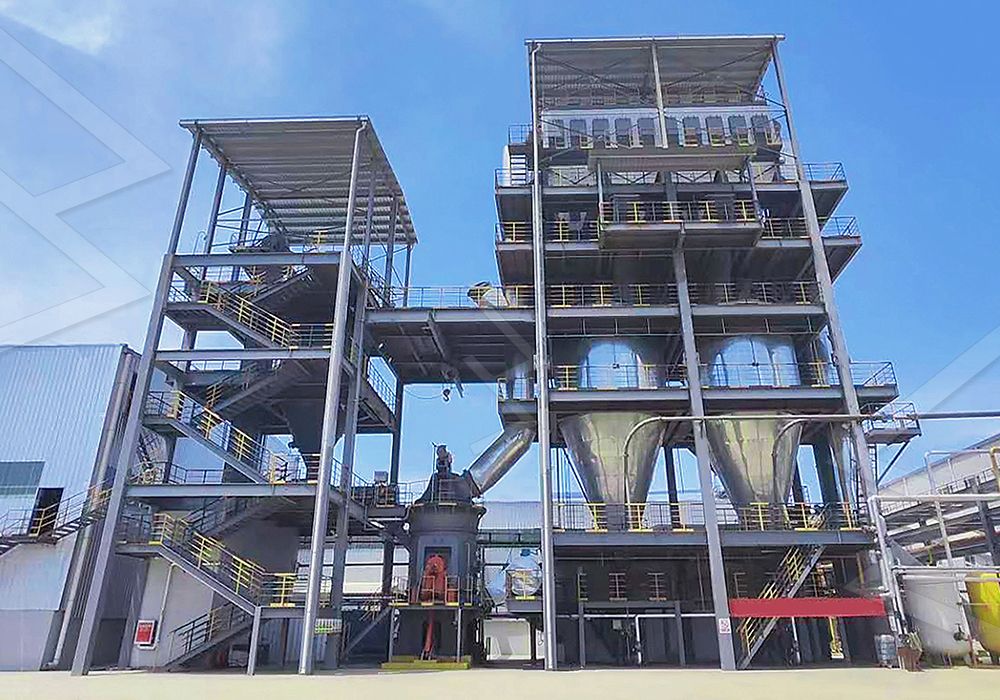
For instance, our LUM Ultrafine Vertical Grinding Mill represents a leap forward. Integrating grinding, classification, and conveying, it operates on a principle of material bed comminution between rollers and a rotating table, which is inherently more energy-efficient than the impact/attrition of a tumbling ball mill. For coal gangue requiring ultra-fine powders (325-2500 meshes), our MW Ultrafine Grinding Mill is exceptionally capable. Its unique design, featuring a cage-type powder selector and the absence of rolling bearings in the grinding chamber, allows for precise fineness control, higher yield, and remarkably lower energy consumption—reportedly just 30% of some traditional fine grinding systems. Both mills are equipped with advanced pulse dust collectors and noise reduction features, addressing the core environmental concerns of any grinding operation.
Conclusion
The design and optimization of a coal gangue grinding system is a multi-faceted engineering challenge. A holistic approach—considering the entire circuit from feed preparation to product collection—is essential. While traditional ball mills can be highly optimized through media management, process control, and circuit design, exploring modern vertical and ultrafine grinding technologies can unlock new levels of efficiency, product quality, and environmental performance. The choice ultimately depends on the target fineness, required capacity, and total cost of ownership, making a thorough technical evaluation a critical first step.
Frequently Asked Questions (FAQs)
- What is the typical feed size for a coal gangue ball mill?
Ideally, coal gangue should be pre-crushed to below 25mm, and often to within 0-20mm, to ensure efficient operation and prevent blockages in the feeding system. - How can I reduce the energy consumption of my existing ball mill system?
Key strategies include optimizing the grinding media charge (size and filling ratio), implementing automated process controls to maintain optimal mill loading, ensuring the classifier is efficiently separating fines, and checking for worn liners that reduce grinding efficiency. - What are the main advantages of a vertical roller mill over a ball mill for coal gangue?
VRMs generally offer 30-50% lower specific energy consumption, have a smaller footprint, integrate drying and grinding, and provide quicker product fineness adjustment. They are particularly advantageous for larger capacity requirements. - Is a closed-circuit grinding system necessary for coal gangue?
Yes, for most applications requiring a consistent and specific product fineness, a closed-circuit system with a classifier is essential. It improves efficiency by preventing over-grinding and ensures the mill energy is used on particles that actually need size reduction. - How important is dust collection in a coal gangue grinding plant?
It is critically important for environmental compliance, worker health, and equipment longevity. Modern pulse-jet baghouse collectors are the standard, capable of achieving emission levels well below regulatory limits. - Can coal gangue with high moisture content be processed directly?
High moisture can cause clogging and reduce mill throughput. Systems must either include a pre-drying stage or utilize mills designed for grinding with hot air, such as vertical roller mills or some configured ball mill systems.