
Coal Crushing, Milling, and Screening Process Flow PDF Download
We provide a wide range of mills — including Raymond mill, trapezoidal mill, vertical mill, ultrafine mill, and ball mill, obtained ISO9001 international quality certification, EU CE certification, and Customs Union CU-TR certification. Suitable for processing minerals such as limestone, phosphate, quicklime, kaolin, talc, barite, bentonite, calcium carbonate, dolomite, coal, gypsum, clay, carbon black, slag, cement raw materials, cement clinker, and more.
The discharge range of these mills can be adjusted to meet specific processing needs, typically from 80-400 mesh, 600-3250 mesh, and can achieve the finest particle size of up to 6000 mesh(D50).
If you are looking for a reliable grinding solution to turn stone or minerals into fine powder, please feel free to contact our online customer service.
Optimizing the Coal Preparation Process: From Raw Feed to Refined Powder
The efficient processing of coal is a cornerstone of numerous industries, including power generation, cement production, and steel manufacturing. The journey from raw, mined coal to a precisely graded powder suitable for combustion or other applications involves a meticulously designed sequence of crushing, milling, and screening. Understanding this process flow is critical for maximizing productivity, ensuring consistent product quality, and minimizing operational costs.
The Core Stages of Coal Preparation
The transformation of coal typically follows a three-stage mechanical process:
1. Primary and Secondary Crushing
Run-of-mine (ROM) coal is first reduced in size through primary crushers, like jaw crushers, which handle large lumps. Secondary crushers further break down the material to a more manageable size, typically below 50mm, preparing it for the milling stage. This initial size reduction is crucial for optimizing the efficiency of downstream equipment.
2. Milling and Grinding
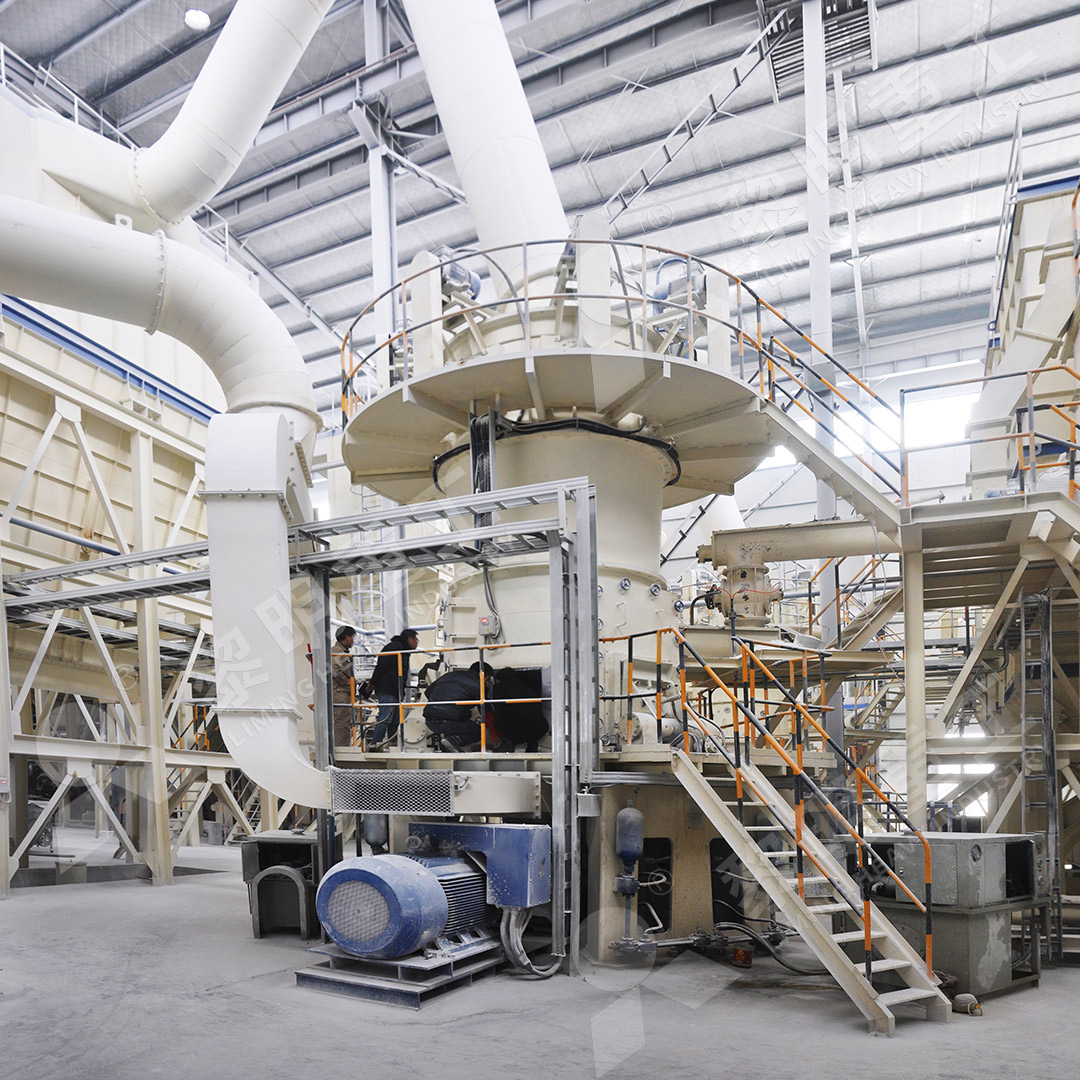
This is the heart of the preparation process, where crushed coal is pulverized into a fine powder. The choice of grinding mill is paramount and depends on the desired fineness, moisture content, and required capacity. Traditional ball mills are common, but modern operations increasingly favor vertical roller mills for their superior energy efficiency and drying capabilities.
For operations demanding ultra-fine coal powder with superior consistency, the MW Ultrafine Grinding Mill represents a significant technological leap. Engineered for customers who need to make ultra-fine powder, this machine is equipped with an efficient pulse dust collector and muffler, ensuring minimal environmental impact. Its cage-type powder selector, which adopts German technology, allows for precise fineness adjustment between 325-2500 meshes, achieving a remarkable screening rate of d97≤5μm in a single pass. With a capacity range of 0.5-25 TPH and higher yielding at lower energy consumption, the MW Mill is an ideal solution for advanced coal processing applications.
3. Screening and Classification
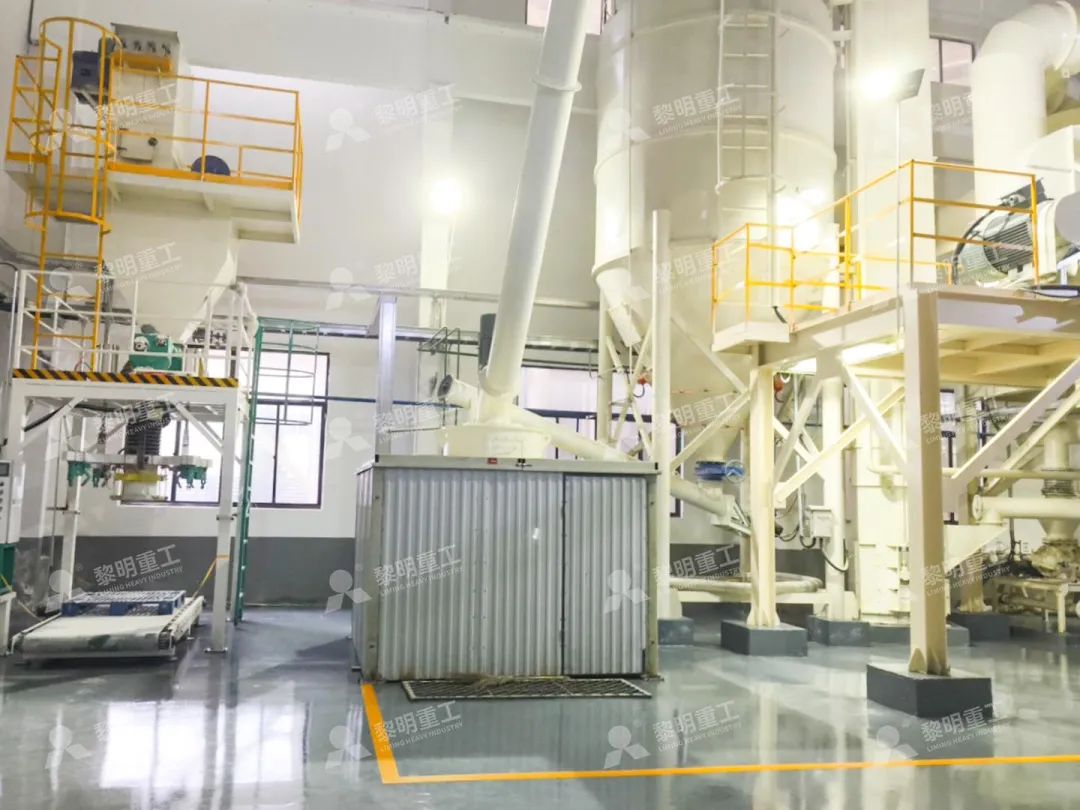
Post-milling, the coal powder is fed into screening equipment, such as vibrating screens or air classifiers. This step separates the particles based on size, ensuring the final product meets strict specifications. Oversized particles are often recirculated back to the mill for further grinding, creating a closed-loop system that maximizes yield and quality control.
Enhancing Efficiency with Advanced Technology
Modern coal preparation plants leverage fully integrated systems. Technologies like PLC-based automation control the entire flow, adjusting feed rates, mill parameters, and classifier settings in real-time to maintain optimal performance. Furthermore, environmental considerations are addressed through closed-system designs and efficient baghouse filters, which capture dust and particulates, making the entire process cleaner and safer.
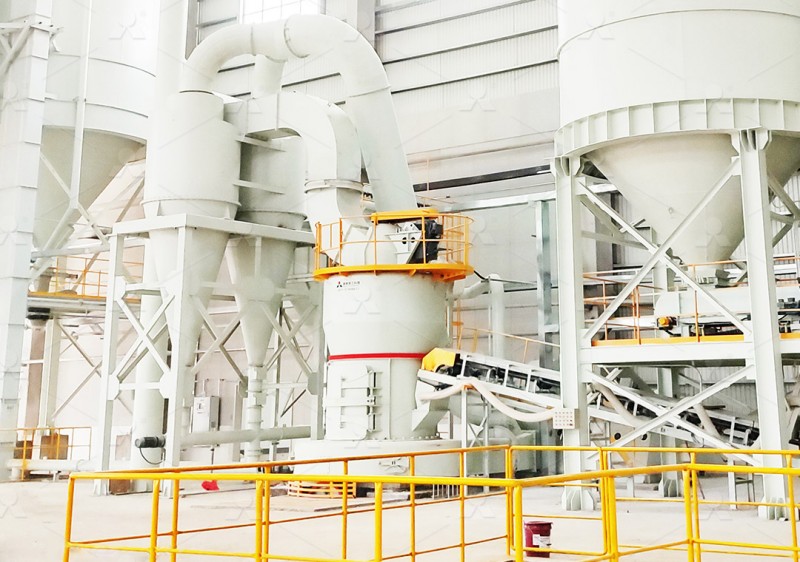
Another standout performer for integrated crushing and grinding is the LM Vertical Grinding Mill. It brilliantly integrates crushing, drying, grinding, classifying, and conveying into a single, compact unit. Specializing in non-metallic minerals and pulverized coal, its coverage area is reduced by 50% compared to a ball mill, while energy consumption is saved by 30%-40%. Its stable operation, short grinding time, and low iron content in the final product make it an excellent choice for large-scale coal preparation needs.
Frequently Asked Questions (FAQ)
What is the typical output fineness required for pulverized coal combustion (PCC)?
For most PCC applications in power plants, over 70% of the coal powder should pass through a 200-mesh (74μm) screen. This ensures efficient combustion and complete burnout in the furnace.
Why is vertical roller mill technology often preferred over ball mills for coal grinding?
Vertical roller mills (VRMs) like our LM and MW series offer significant advantages: they combine grinding and drying in a single unit, consume 30-50% less energy, have a smaller footprint, and offer more precise control over product fineness and particle size distribution.
How is dust control managed in the coal crushing and milling process?
Dust is primarily controlled through a combination of system sealing and efficient dust collection equipment. Modern mills are designed to operate under negative pressure, preventing dust leakage. Baghouse filters (pulse jet dust collectors) are then used to capture over 99.9% of airborne particulates from the process air before it is vented.
Where can I download a detailed PDF process flow diagram?
For a comprehensive PDF detailing the complete coal crushing, milling, and screening process flow, including equipment specifications and layout recommendations, please contact our technical support team. We provide detailed documentation tailored to your specific project requirements and material characteristics.