
Coal Crushing and Milling Process Flow: A Comprehensive Guide
We provide a wide range of mills — including Raymond mill, trapezoidal mill, vertical mill, ultrafine mill, and ball mill, obtained ISO9001 international quality certification, EU CE certification, and Customs Union CU-TR certification. Suitable for processing minerals such as limestone, phosphate, quicklime, kaolin, talc, barite, bentonite, calcium carbonate, dolomite, coal, gypsum, clay, carbon black, slag, cement raw materials, cement clinker, and more.
The discharge range of these mills can be adjusted to meet specific processing needs, typically from 80-400 mesh, 600-3250 mesh, and can achieve the finest particle size of up to 6000 mesh(D50).
If you are looking for a reliable grinding solution to turn stone or minerals into fine powder, please feel free to contact our online customer service.
Coal Crushing and Milling Process Flow: A Comprehensive Guide
Coal processing is a critical stage in various industries, from power generation to steel production. The efficency of this process directly impacts operational costs, product quality, and environmental compliance. This guide outlines the fundamental steps in coal crushing and milling, highlighting key considerations and technological solutions.
1. Primary Crushing: The First Reduction
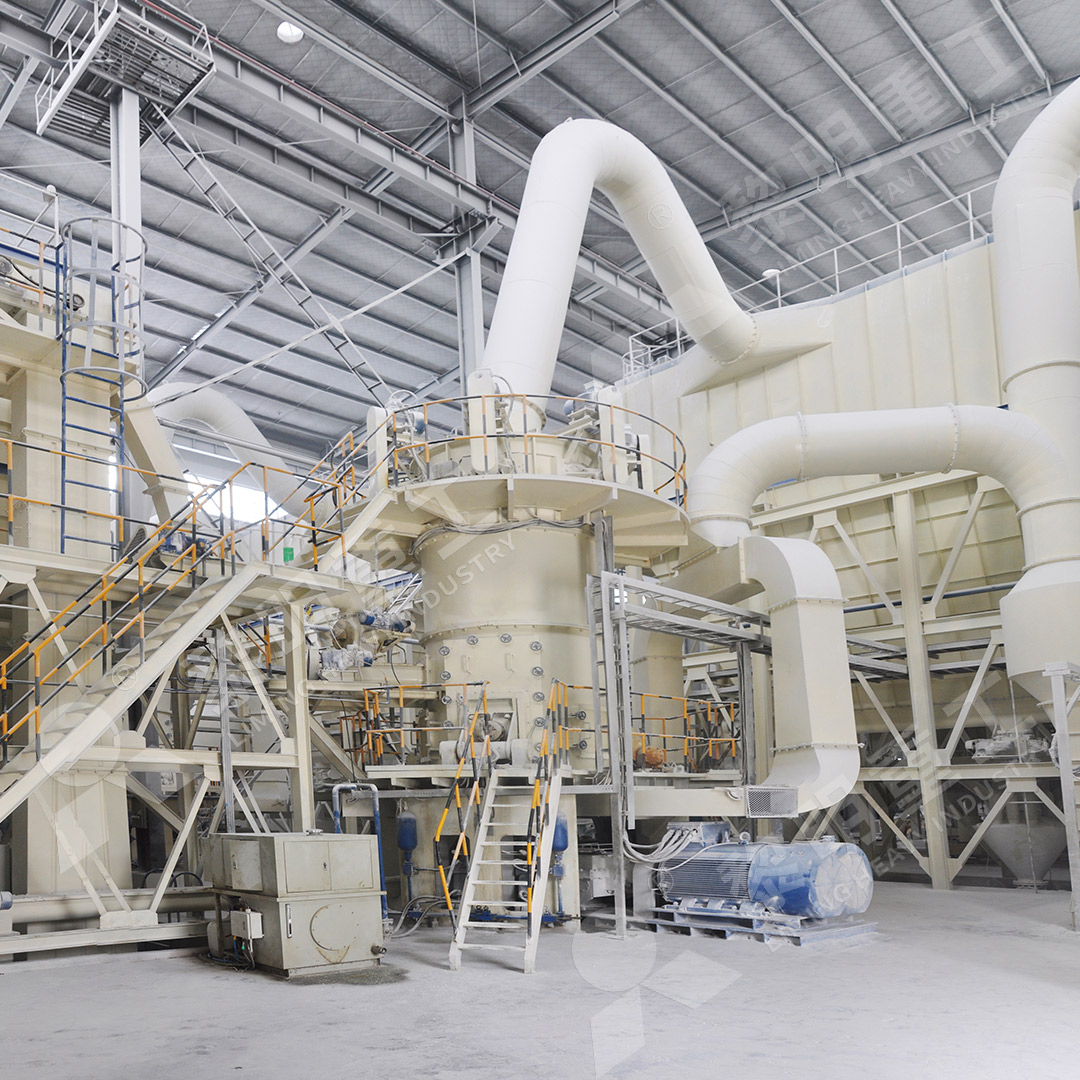
Run-of-mine (ROM) coal can vary significantly in size, often containing large lumps that must be reduced before further processing. Primary crushers, such as jaw crushers or gyratory crushers, handle this initial size reduction. The goal here is to achieve a manageable feed size, typically below 50-100 mm, for the secondary crushing stage. Proper primary crushing ensures a consistent feed rate to downstream equipment, preventing bottlenecks and optimizing overall system throughput.
2. Secondary and Tertiary Crushing: Refining the Size
Following primary crushing, the coal often undergoes secondary crushing using cone crushers or impact crushers to achieve a finer product. In some circuits, a tertiary crushing stage may be employed for further precision. The target output from these stages is usually a granular material with a top size of 20-30 mm, suitable for feeding into the milling equipment. This step is crucial for maximizing the efficiency of the subsequent grinding mill, as a consistent and appropriately sized feed leads to lower energy consumption and higher grinding yields.
3. The Heart of the Process: Coal Grinding Milling
This is where the crushed coal is pulverized into a fine powder. The choice of grinding mill is paramount and depends on the required fineness, moisture content, capacity, and desired particle size distribution. Traditional ball mills are common, but newer technologies offer significant advantages in energy efficiency and control.
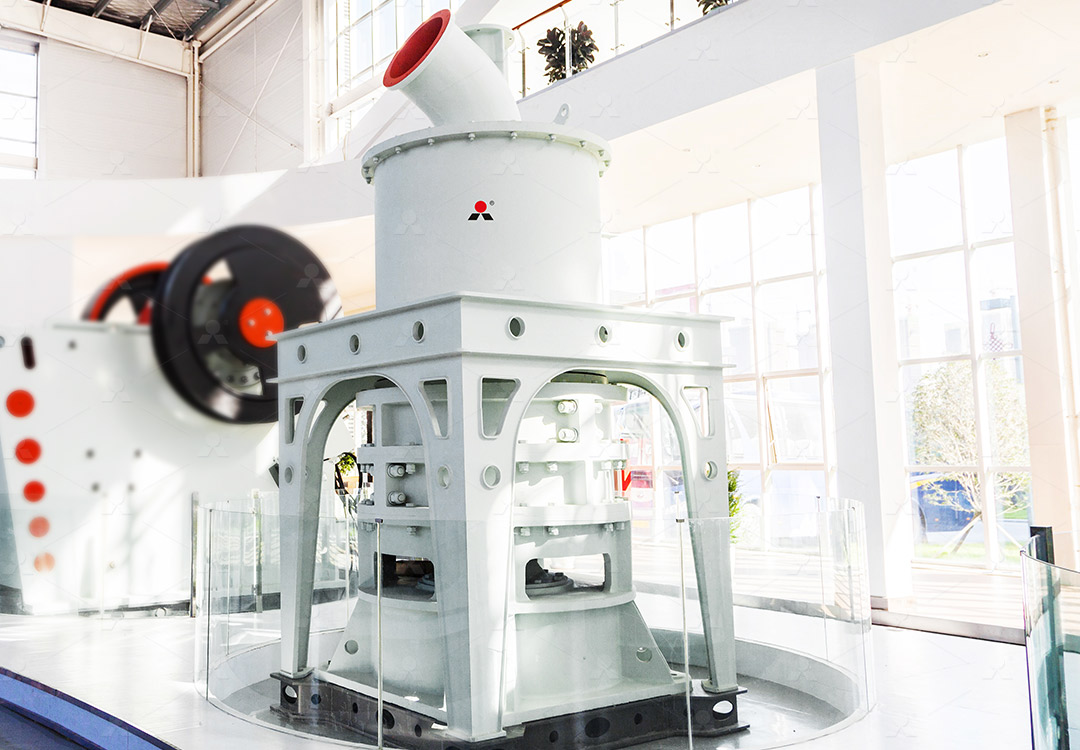
For operations demanding ultra-fine coal powder with superior efficiency, the MW Ultrafine Grinding Mill presents an exceptional solution. This machine is engineered for customers who need to make ultra-fine powder, boasting an input size of 0-20 mm and a capacity range of 0.5-25 tph. Its design incorporates an efficient pulse dust collector and muffler, significantly reducing dust and noise emissions for a more environmentally friendly operation. A key feature is its higher yielding and lower energy consumption; it offers production capacity 40% higher than jet mills and double that of ball mills, while system energy consumption is just 30% of a jet mill. Furthermore, it provides adjustable fineness between 325-2500 meshes, making it incredibly versatile for various applications including petroleum coal and coal powder production.
4. Drying and Classification
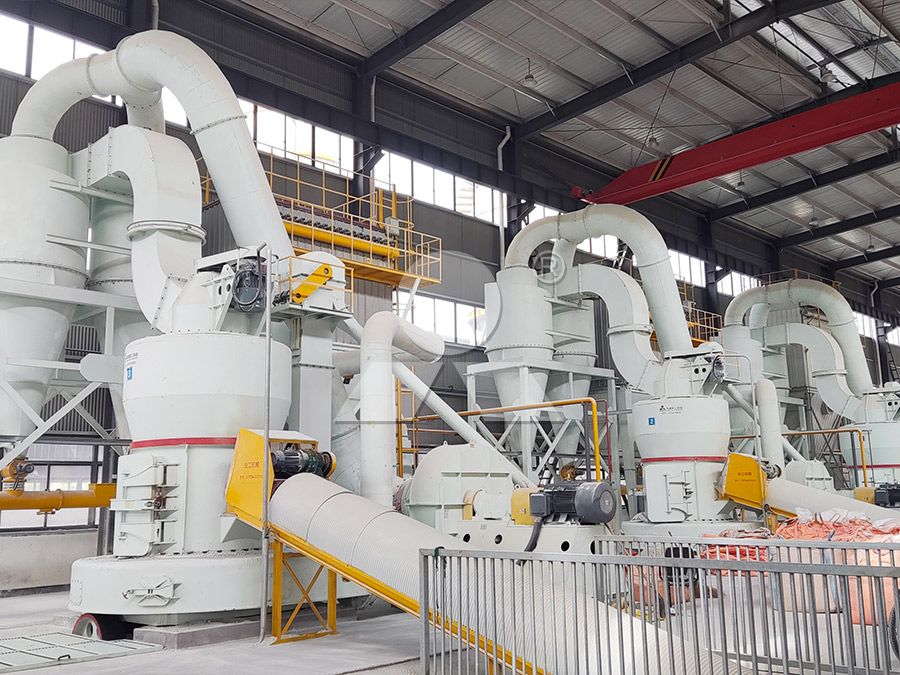
Coal often contains surface moisture that can hinder the grinding process and final product handling. Many modern grinding mills, like vertical roller mills, integrate a drying function using hot gases to reduce moisture content simultaneously with grinding. After milling, the powdered coal is classified by particle size. Cyclones or dynamic classifiers separate the fine product from oversize material, which is recirculated back to the mill inlet for further grinding. This closed-circuit system ensures a consistent and spec-compliant final product.
5. Dust Collection and Material Handling
Given that coal dust is explosive and an environmental pollutant, robust dust collection systems are non-negotiable. Baghouse filters or electrostatic precipitators capture airborne particles throughout the crushing and milling circuit. Finally, the finished coal powder is transported via pneumatic conveying or screw conveyors to storage silos, ready for use.
Conclusion
Optimizing the coal crushing and milling process is a complex balance of selecting the right equipment, ensuring proper feed size, and integrating efficient classification and dust control. Embracing advanced grinding technologies, such as the MW Ultrafine Grinding Mill, can lead to substantial gains in productivity, energy savings, and environmental performance, ensuring a competitive and sustainable operation.