
Closed Circuit Ball Mill for Coal Grinding: Process Flow Diagram & Efficiency Benefits
We provide a wide range of mills — including Raymond mill, trapezoidal mill, vertical mill, ultrafine mill, and ball mill, obtained ISO9001 international quality certification, EU CE certification, and Customs Union CU-TR certification. Suitable for processing minerals such as limestone, phosphate, quicklime, kaolin, talc, barite, bentonite, calcium carbonate, dolomite, coal, gypsum, clay, carbon black, slag, cement raw materials, cement clinker, and more.
The discharge range of these mills can be adjusted to meet specific processing needs, typically from 80-400 mesh, 600-3250 mesh, and can achieve the finest particle size of up to 6000 mesh(D50).
If you are looking for a reliable grinding solution to turn stone or minerals into fine powder, please feel free to contact our online customer service.
Closed Circuit Ball Mill for Coal Grinding: Process Flow Diagram & Efficiency Benefits
In the power generation and cement industries, efficient coal grinding is a critical process that directly impacts combustion efficiency, operational costs, and environmental compliance. The closed-circuit ball mill system represents a significant advancement over traditional open-circuit grinding, offering superior control over product fineness and enhanced operational efficiency. This article delves into the process flow, key components, and the substantial benefits of employing a closed-circuit configuration for coal grinding applications.
Process Flow Diagram & System Overview
A typical closed-circuit ball mill system for coal grinding consists of several integrated components working in harmony. The process begins with the feeding of raw coal (typically crushed to <25mm) into the ball mill via a weigh feeder or screw conveyor. Inside the rotating mill, steel balls within the grinding chamber impact and attrition the coal into finer particles.
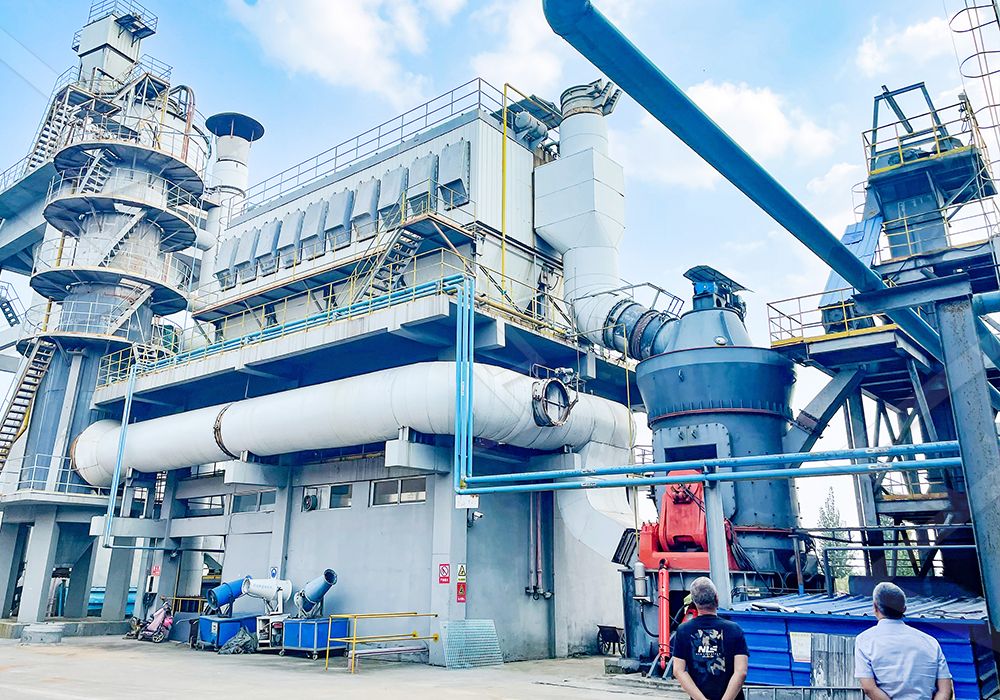
The ground coal is then pneumatically transported out of the mill by a stream of hot air (which also serves to dry the coal) and enters a high-efficiency separator, most commonly a dynamic or cyclone type. This is the heart of the “closed circuit.” The separator performs a critical classification function: fine particles that meet the desired fineness specification (e.g., 75% passing 200 mesh) are carried forward as the final product to the product collection system, typically a baghouse or electrostatic precipitator.
The coarse particles, rejected by the separator, are continuously recirculated back to the inlet of the ball mill for further grinding. This recirculation of oversize material ensures that energy is not wasted by over-grinding already fine particles and focuses grinding power where it is most needed, leading to a narrower and more consistent particle size distribution in the final product.
Key Efficiency Benefits of the Closed-Circuit Design
The adoption of a closed-circuit system offers a multitude of efficiency benefits:
- Enhanced Grinding Efficiency & Lower Specific Energy Consumption: By eliminating over-grinding, the system operates more efficiently. Energy is directed solely at particles that require further size reduction, leading to lower kWh/ton energy consumption compared to open-circuit mills.
- Tighter Control over Product Fineness: The dynamic separator allows for real-time adjustment of the product fineness simply by changing the separator’s rotor speed or air flow, ensuring the final product consistently meets the specific requirements of the combustion process.
- Increased Mill Capacity: The ability to quickly remove finished product from the grinding chamber prevents a buildup of fine material that can cushion the grinding action. This allows for a higher throughput of material for a given mill size.
- Improved System Stability: The continuous recirculation load provides a more consistent feed density to the mill, contributing to stable operation and reduced motor load fluctuations.
Modern Alternatives: Embracing Advanced Grinding Technology
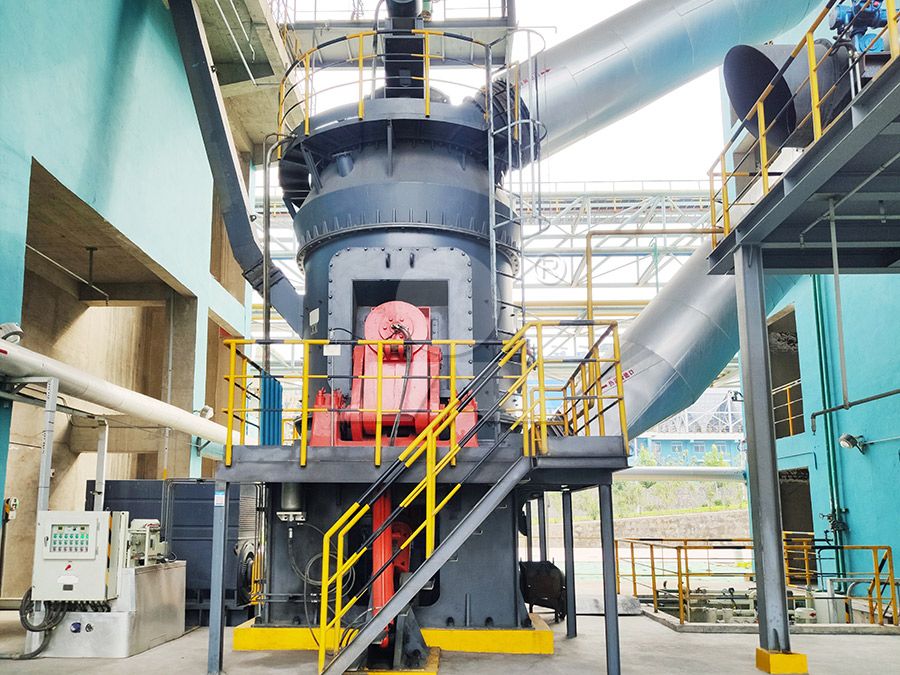
While closed-circuit ball mills are a robust and proven technology, the industry is continuously evolving towards even more efficient solutions. For new projects or plant upgrades, considering modern vertical grinding mills can yield dramatic improvements in energy savings and footprint.
For instance, our LM Vertical Coal Mill is engineered specifically for this application. It integrates drying, grinding, classification, and conveying in a single compact unit. Its performance advantages are profound: it can reduce power consumption by 40%-50% compared to a traditional ball mill system. The material residence time is short (only 2-3 minutes), allowing for quick adjustments and stable product quality. Furthermore, its unique design prevents direct contact between the grinding roller and table, minimizing wear and enabling easy maintenance. The entire system operates under negative pressure, ensuring no dust spillage and a cleaner, safer working environment.
For operations requiring ultra-fine pulverized coal or dealing with other industrial minerals, our MW Ultrafine Grinding Mill presents an excellent solution. With an adjustable fineness range between 325-2500 meshes and a capacity of 0.5-25 TPH, it is perfect for specialized applications. Its higher yielding and lower energy consumption, being 40% more efficient than jet mills, make it a cost-effective choice for producing high-value fine powders from coal and other materials.

Conclusion
The closed-circuit ball mill remains a workhorse for coal grinding in many industries due to its reliability and improved efficiency over open-circuit systems. However, to achieve the next level of operational savings, reduced carbon footprint, and automated control, upgrading to advanced vertical roller mills like the LM Vertical Coal Mill or the MW Ultrafine Grinding Mill is a strategic move. Evaluating the specific production needs, desired product fineness, and total cost of ownership is essential for selecting the optimal grinding technology for any modern industrial facility.