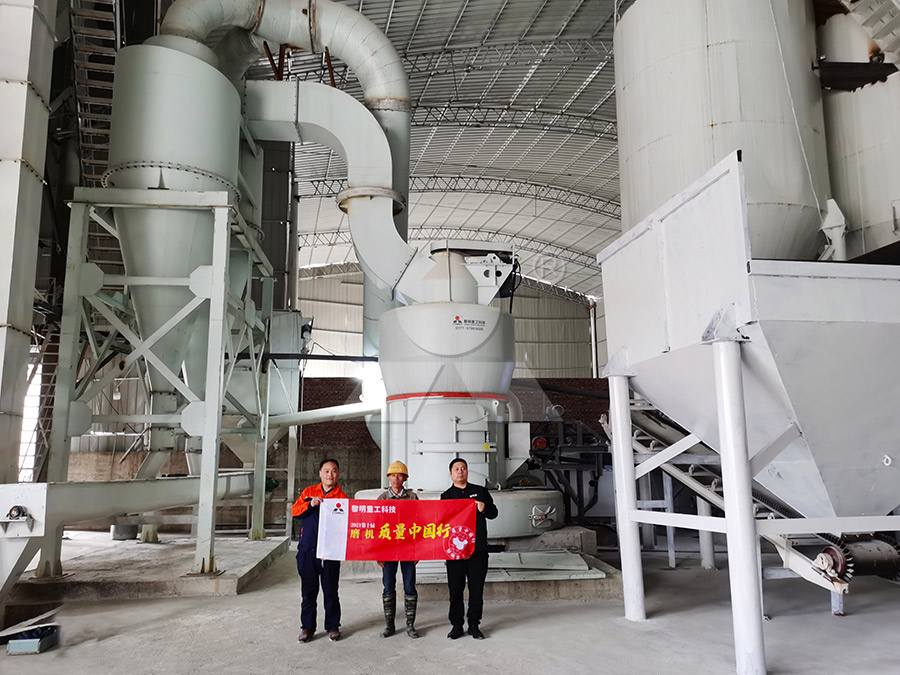
Clinker Grinding Mill Manufacturer in Indonesia: Key Selection Criteria
We provide a wide range of mills — including Raymond mill, trapezoidal mill, vertical mill, ultrafine mill, and ball mill, obtained ISO9001 international quality certification, EU CE certification, and Customs Union CU-TR certification. Suitable for processing minerals such as limestone, phosphate, quicklime, kaolin, talc, barite, bentonite, calcium carbonate, dolomite, coal, gypsum, clay, carbon black, slag, cement raw materials, cement clinker, and more.
The discharge range of these mills can be adjusted to meet specific processing needs, typically from 80-400 mesh, 600-3250 mesh, and can achieve the finest particle size of up to 6000 mesh(D50).
If you are looking for a reliable grinding solution to turn stone or minerals into fine powder, please feel free to contact our online customer service.
Clinker Grinding Mill Manufacturer in Indonesia: Key Selection Criteria
Selecting the right clinker grinding mill in Indonesia’s dynamic construction and cement industry is a critical decision that impacts productivity, operational costs, and final product quality. With numerous manufacturers and models on the market, understanding the key selection criteria is paramount for plant managers and procurement specialists. This article outlines the essential factors to consider when investing in grinding technology.
1. Production Capacity and Feed Size
The mill’s capacity must align with your plant’s output targets. Under-sizing leads to bottlenecks, while over-sizing results in unnecessary capital expenditure and higher energy consumption. Similarly, the maximum input size the mill can handle is crucial for integrating with your existing crushing circuit. Always match the mill’s specifications with your daily production goals and raw material characteristics.
2. Energy Efficiency and Operating Costs
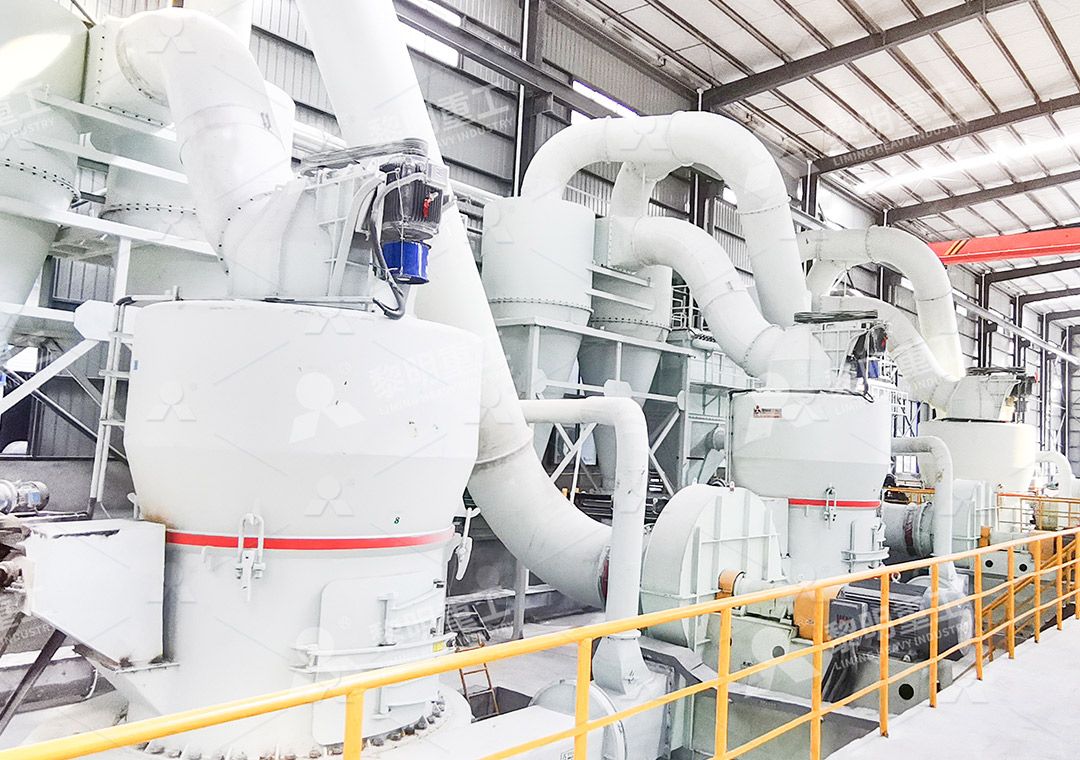
In an era of rising energy prices, the efficiency of your grinding mill is a primary determinant of long-term profitability. Modern mills are designed to consume significantly less power per ton of output compared to traditional ball mills. Look for technologies that offer higher yielding rates with lower energy consumption, as this directly reduces your operating expenses and carbon footprint.
3. Product Fineness and Adjustability
The ability to produce a consistent, high-quality powder with the required fineness is non-negotiable. The best mills offer a wide adjustable range, allowing you to produce different grades of product for various applications without sacrificing efficiency. Advanced powder selection technology is key to achieving precise particle size distribution.
4. Reliability and Maintenance Requirements
Downtime is the enemy of productivity. A reliable mill with minimal maintenance needs is essential, especially in remote locations where technical support may not be immediately available. Look for designs that simplify maintenance, such as those with easily accessible components and without critical elements like rolling bearings and screws in the grinding chamber. A great example of this design philosophy is our MW Ultrafine Grinding Mill. It’s engineered for worry-free operation with no rolling bearings or screws inside its chamber, eliminating common failure points. With an input size of 0-20 mm and a capacity range of 0.5-25 tph, it’s perfectly suited for producing ultra-fine powder for applications ranging from limestone and calcite to cosmetics and food additives.
5. Environmental Compliance and Dust Control
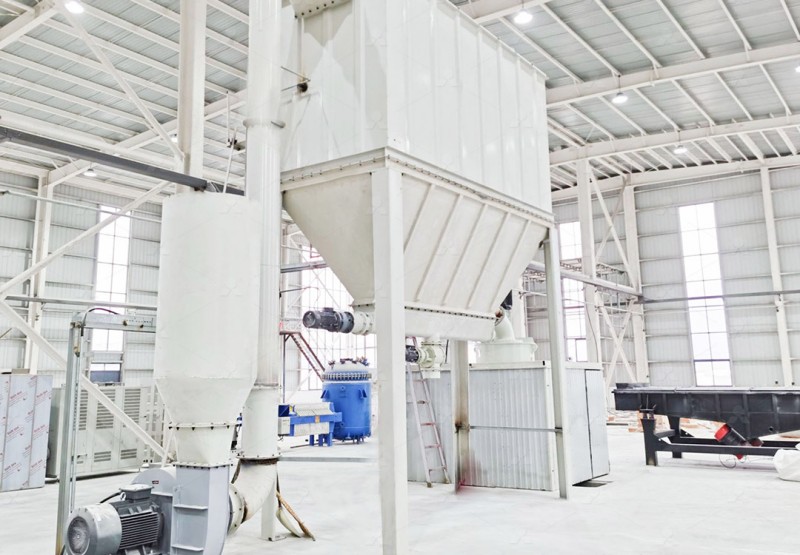
Indonesian regulations are increasingly stringent regarding industrial emissions and workplace safety. A modern grinding mill must incorporate effective dust collection and noise reduction systems. Integrated pulse dust collectors and mufflers are not just accessories but essential components for environmentally responsible and compliant operation.
6. After-Sales Support and Spare Parts Availability
The manufacturer’s presence and commitment to after-sales support in Indonesia are critical. Ensure your supplier can provide timely technical services, original spare parts, and local expertise. A machine is only as good as the support behind it. For operations requiring robust, large-scale vertical grinding, our LUM Ultrafine Vertical Grinding Mill stands out. It integrates advanced grinding roller and powder separating technology for exceptional efficiency (5-18 tph capacity). Its reversible structure is a game-changer, allowing operators to easily move the grinding roller out of the body for maintenance, drastically reducing shutdown time and associated losses.
Conclusion
Choosing the right clinker grinding mill is a complex decision that balances technical specifications, operational costs, and long-term reliability. By carefully evaluating these key criteria—capacity, efficiency, product quality, reliability, environmental impact, and manufacturer support—you can make an informed investment that will drive your Indonesian operations toward greater profitability and sustainability. Partnering with a manufacturer that offers proven technology and local expertise is the final, crucial step in this process.