
Chromite Crusher and Ball Mill: Complete Equipment Database
We provide a wide range of mills — including Raymond mill, trapezoidal mill, vertical mill, ultrafine mill, and ball mill, obtained ISO9001 international quality certification, EU CE certification, and Customs Union CU-TR certification. Suitable for processing minerals such as limestone, phosphate, quicklime, kaolin, talc, barite, bentonite, calcium carbonate, dolomite, coal, gypsum, clay, carbon black, slag, cement raw materials, cement clinker, and more.
The discharge range of these mills can be adjusted to meet specific processing needs, typically from 80-400 mesh, 600-3250 mesh, and can achieve the finest particle size of up to 6000 mesh(D50).
If you are looking for a reliable grinding solution to turn stone or minerals into fine powder, please feel free to contact our online customer service.
Chromite Crusher and Ball Mill: Complete Equipment Database
Chromite processing demands robust and efficient machinery to handle its abrasive nature and achieve the precise fineness required for various industrial applications. The journey from raw chromite ore to a valuable powder involves two critical stages: primary crushing and fine grinding. While jaw crushers and cone crushers are typically employed for the initial size reduction, the selection of the grinding mill is paramount for determining the final product’s quality and operational efficiency.
The Role of Ball Mills in Chromite Processing
For decades, the ball mill has been a workhorse in mineral processing plants, including those handling chromite. Its simple, robust design allows it to grind a wide variety of materials. The process involves a rotating cylinder filled with grinding media (steel balls) that cascade and impact the ore, reducing it to a fine powder. However, traditional ball mills can be limited by higher energy consumption, significant wear on liners and balls, and potential iron contamination from the grinding media, which can be a critical concern for certain chromite applications.
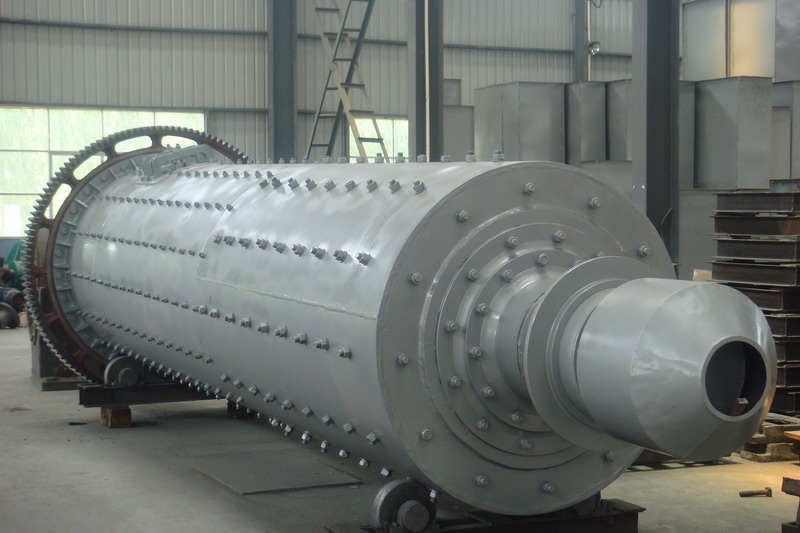
Advancing Beyond Traditional Grinding: The Ultrafine Solution
As industry standards evolve, the demand for higher efficiency, lower energy consumption, and superior product quality has led to the development of advanced grinding technologies. For operations aiming to produce ultra-fine chromite powder with minimal contamination and maximum yield, traditional ball mills are often no longer the optimal choice.
This is where innovative grinding solutions come into play. A prime example is our MW Ultrafine Grinding Mill. This machine is engineered for customers who need to make ultra-fine powder without the drawbacks of older technologies. With an input size of 0-20 mm and a capacity range of 0.5-25 tph, it is exceptionally versatile. It is equipped with an efficient pulse dust collector and muffler, ensuring that the entire production process is eco-friendly with reduced dust and noise emissions.
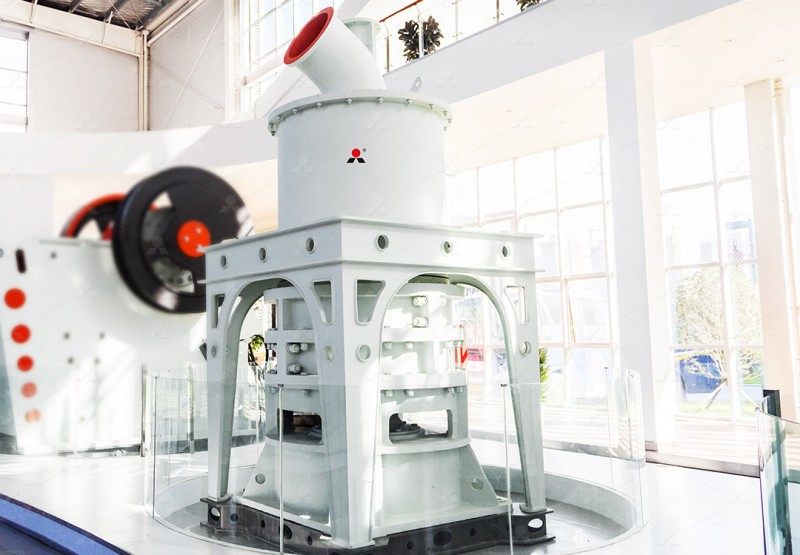
Key Advantages of Modern Grinding Equipment
The MW Ultrafine Grinding Mill offers distinct benefits over conventional ball mills for chromite processing:
- Higher Yielding, Lower Energy Consumption: Its newly designed grinding curves enhance efficiency, offering production capacity 40% higher than jet mills and twice that of ball mills, while using only 30% of the energy of a jet mill.
- Adjustable Fineness (325-2500 meshes): A German-technology, cage-type powder selector allows for precise control over product fineness, achieving a screening rate of d97≤5μm in a single pass.
- Minimal Contamination & Worry-Free Operation: A significant design advantage is the absence of rolling bearings and screws in the grinding chamber. This eliminates concerns about bearing damage or loose screws causing machine failure. Furthermore, external lubrication allows for 24/7 continuous operation.
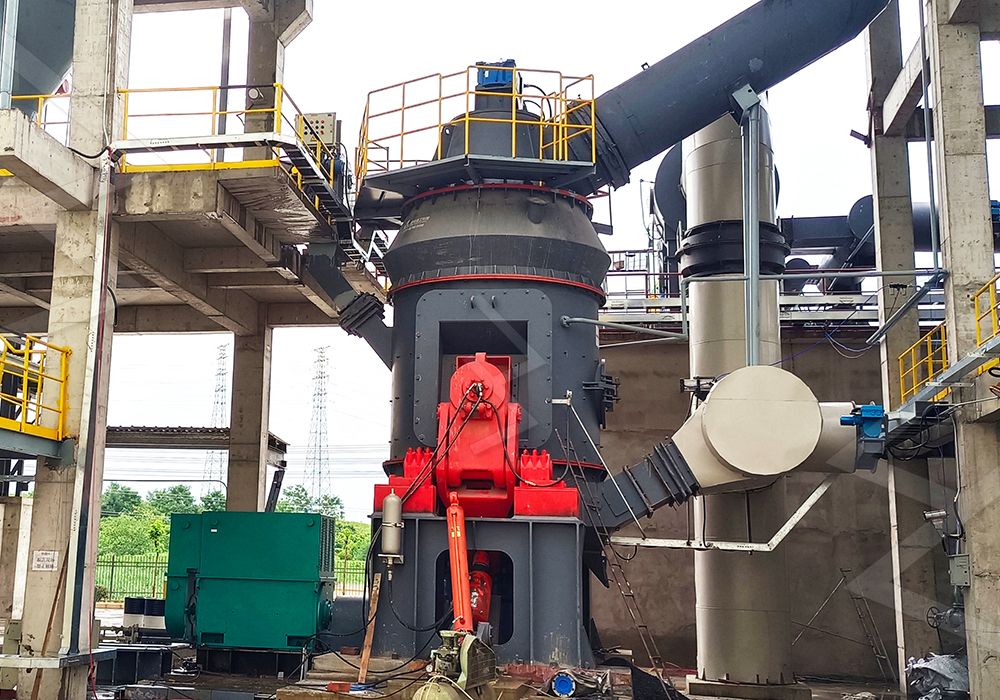
For operations requiring a different approach, our LUM Ultrafine Vertical Grinding Mill presents another excellent option. It integrates grinding, grading, and transporting with higher yielding rates and better product quality. Its unique roller shell design minimizes iron content issues, and its reversible structure makes maintenance quicker and easier, drastically reducing downtime.
Conclusion
Selecting the right grinding equipment is crucial for the profitability and sustainability of any chromite processing operation. While ball mills have a proven history, modern ultrafine grinding mills like the MW and LUM series provide superior performance, remarkable energy savings, and unparalleled product quality. By investing in this advanced technology, operators can future-proof their plants, reduce their environmental footprint, and meet the most stringent market demands.
Frequently Asked Questions (FAQ)
- What is the main drawback of using a ball mill for chromite?
The primary drawbacks include higher energy consumption, significant wear on grinding media leading to maintenance costs, and potential iron contamination from the steel balls, which can affect product purity. - Why should I consider an ultrafine grinding mill over a traditional ball mill?
Ultrafine mills offer dramatically lower energy consumption (up to 30-50% less), higher production capacity, adjustable and finer product fineness, and designs that minimize contamination and maintenance issues. - Can the MW Ultrafine Grinding Mill handle other materials besides chromite?
Absolutely. The MW Mill is highly versatile and suitable for a wide range of non-metallic minerals including limestone, calcite, dolomite, talc, barite, and coal powder, among others. - How does the MW Mill control dust and noise pollution?
It comes equipped with an integrated efficient pulse dust collector and a muffler system. This ensures the entire milling system operates with minimal dust emissions and reduced noise, complying with national environmental standards. - What is the key maintenance advantage of the MW Mill’s design?
The absence of rolling bearings and screws in the grinding chamber is a key advantage. Users are free from worries about these internal components failing. Furthermore, lubrication can be performed externally without shutting down the machine.