
China Stone Powder Grinding Mill: Price, Manufacturers & Factory Guide
We provide a wide range of mills — including Raymond mill, trapezoidal mill, vertical mill, ultrafine mill, and ball mill, obtained ISO9001 international quality certification, EU CE certification, and Customs Union CU-TR certification. Suitable for processing minerals such as limestone, phosphate, quicklime, kaolin, talc, barite, bentonite, calcium carbonate, dolomite, coal, gypsum, clay, carbon black, slag, cement raw materials, cement clinker, and more.
The discharge range of these mills can be adjusted to meet specific processing needs, typically from 80-400 mesh, 600-3250 mesh, and can achieve the finest particle size of up to 6000 mesh(D50).
If you are looking for a reliable grinding solution to turn stone or minerals into fine powder, please feel free to contact our online customer service.
Navigating the World of Stone Powder Grinding
The demand for finely ground stone powders spans a vast array of industries, from construction and ceramics to paints, plastics, and advanced chemical applications. Selecting the right grinding mill is a critical decision that impacts product quality, operational efficiency, and long-term profitability. As a cornerstone of industrial processing, the right mill must balance throughput, fineness control, energy consumption, and environmental compliance. This guide delves into the key considerations for choosing a grinding mill and highlights advanced solutions that define modern powder processing.
Core Considerations: Beyond the Price Tag
While initial cost is a factor, the total cost of ownership is paramount. A mill’s price is influenced by its technology, build quality, capacity, and the level of automation. However, savvy buyers focus on operational metrics: energy consumption per ton, wear part longevity, maintenance complexity, and the consistency of the final product’s particle size distribution. A slightly higher upfront investment in a more efficient, durable system often yields significant savings in energy and downtime over years of operation.
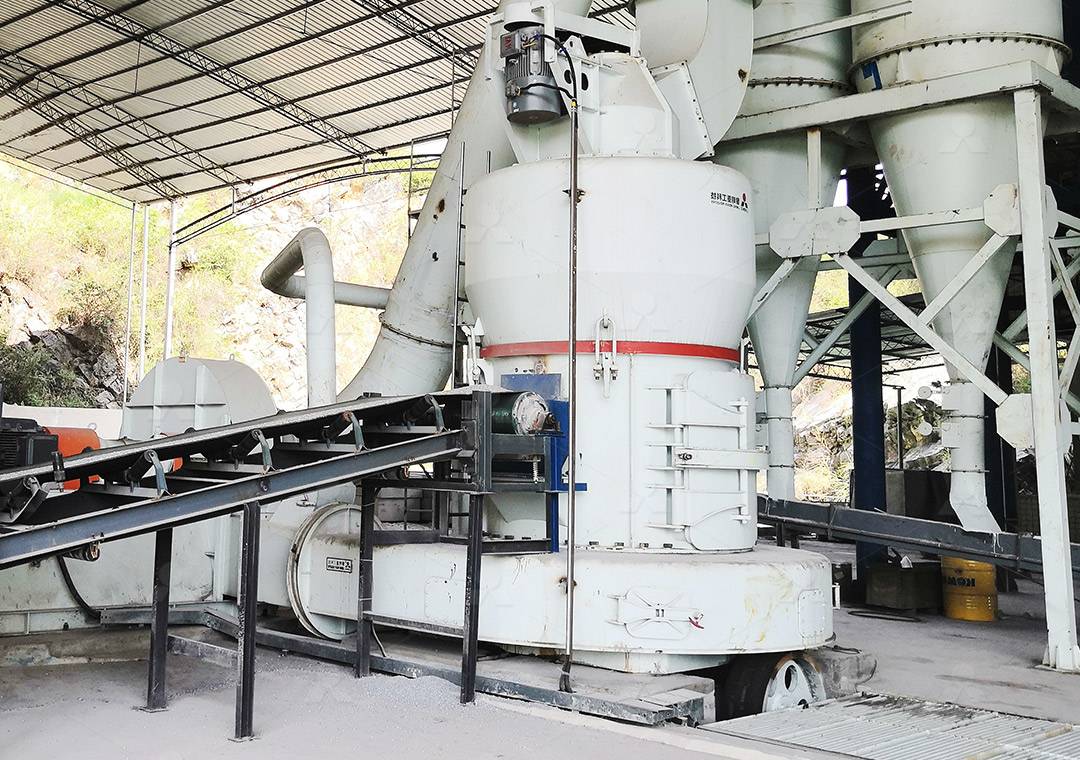
Furthermore, the specific characteristics of your material—its hardness, moisture content, abrasiveness, and desired final fineness—dictate the suitable mill type. A one-size-fits-all approach does not exist in precision grinding.
The Evolution of Grinding Technology
The traditional workhorses like Raymond mills and ball mills paved the way, but technological evolution has introduced far more efficient and precise systems. Modern mills integrate drying, grinding, classifying, and conveying into single, compact units. Key advancements include:
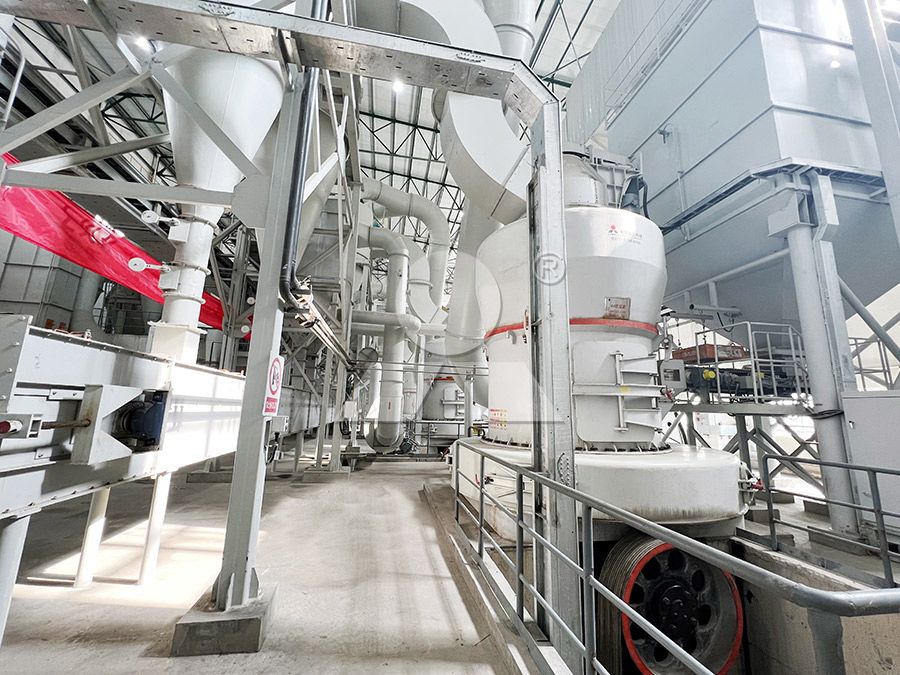
- Vertical Roller Mill (VRM) Technology: Dominating large-scale operations for raw meal, coal, and slag due to their exceptional energy efficiency and high drying capacity.
- European Trapezium Mills: Offering robust performance for medium-fine grinding with features like curved air ducts and advanced powder separators for improved efficiency.
- Ultrafine Grinding Solutions: For applications requiring powders in the 2500 mesh range, specialized mills with advanced classifier technology are essential.
Spotlight on Advanced Solutions: The MW Ultrafine Grinding Mill
For operations requiring ultra-fine powders with superior particle size control, the MW Ultrafine Grinding Mill represents a significant leap forward. Engineered for customers who need to make ultra-fine powder, this machine addresses the core challenges of high-end powder production.
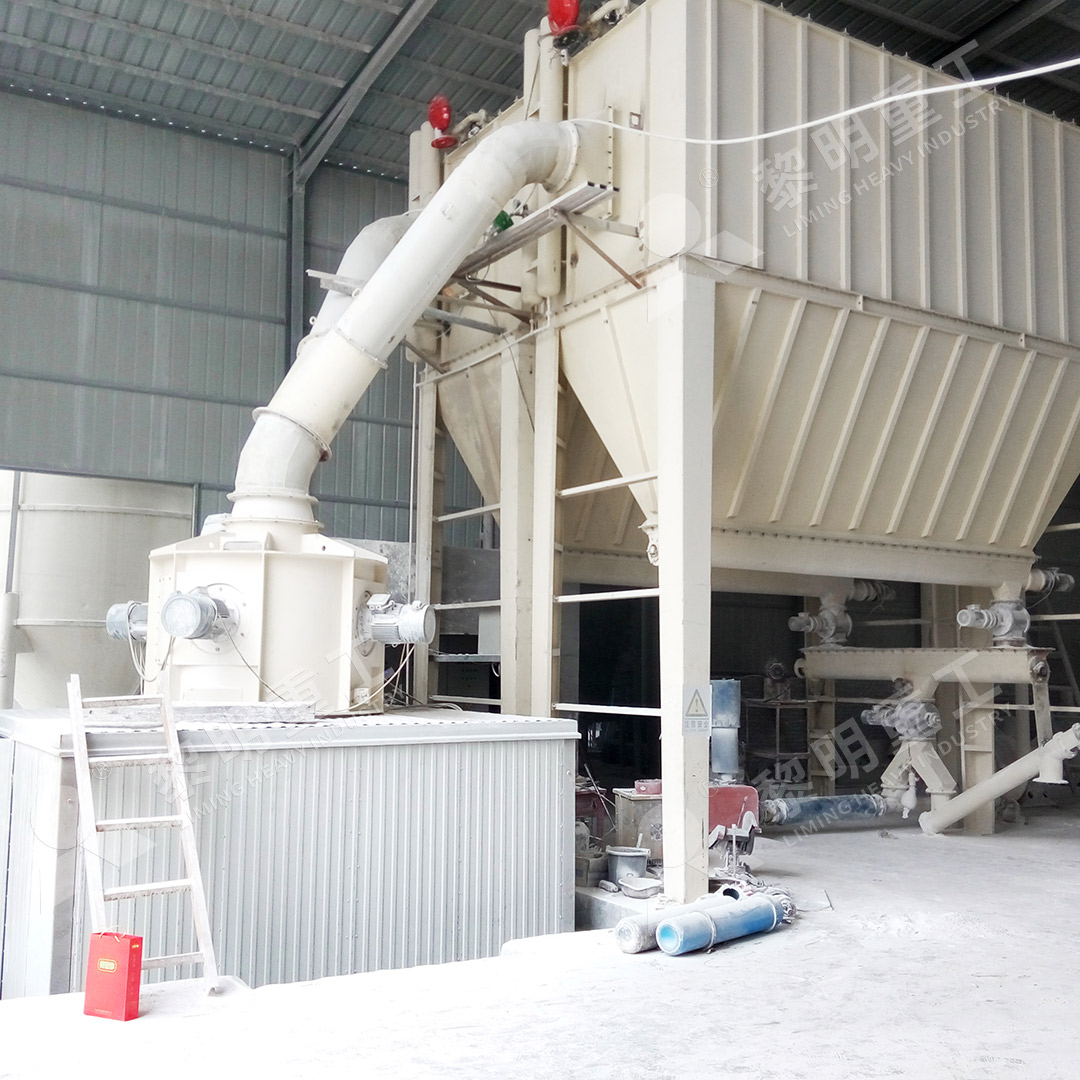
Its design philosophy centers on efficiency and reliability. The newly designed grinding curves of the roller and ring enhance grinding efficiency, yielding up to 40% higher capacity than jet or stirred mills at the same power and fineness. A standout feature is its cage-type powder selector, which allows precise fineness adjustment between 325 and 2500 meshes, achieving a d97 ≤5μm in a single pass. Crucially, the grinding chamber contains no rolling bearings or screws, eliminating common failure points and enabling worry-free, continuous 24-hour operation. Coupled with an efficient pulse dust collector and muffler, the MW Mill ensures an environmentally friendly production process with minimal dust and noise.
Another Benchmark: The LUM Ultrafine Vertical Grinding Mill
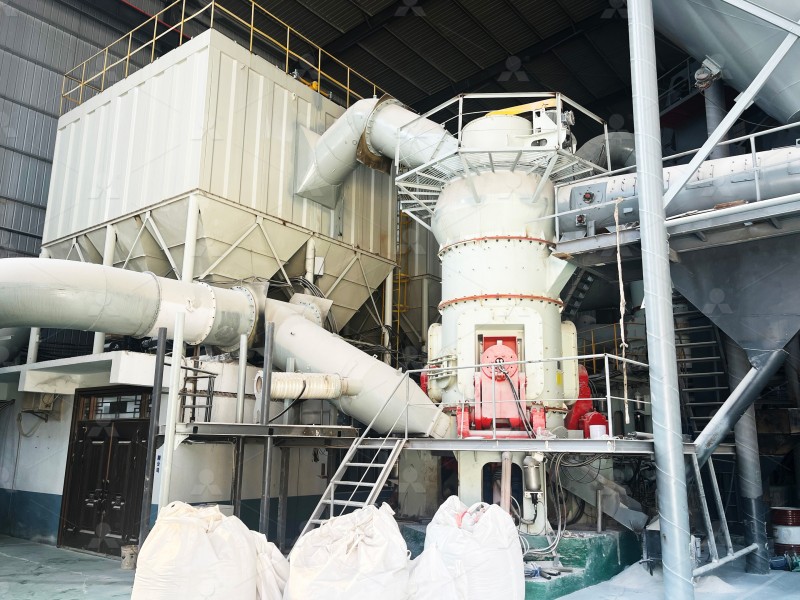
For projects demanding even higher integration and operational flexibility, the LUM Ultrafine Vertical Grinding Mill is a premier choice. Independently designed with the latest grinding roller and German powder separating technology, it integrates ultrafine grinding, grading, and transporting seamlessly. Its unique roller shell and lining plate grinding curve promote stable material layer formation, enabling a high rate of finished product from a single pass, which enhances whiteness and cleanliness. The mill incorporates a PLC control system and multi-head powder separating technology, allowing precise control over grinding parameters and reducing energy consumption by 30%-50% compared to common mills. Its reversible structure, facilitated by a hydraulic system, allows grinding rollers to be easily moved out for maintenance, drastically reducing downtime and associated losses.
Choosing a Manufacturer: What to Look For
Partnering with the right manufacturer is as important as selecting the right machine. A reputable manufacturer should offer:
- Proven Expertise & Customization: The ability to tailor solutions to specific material and output requirements.
- Comprehensive Testing: Access to test centers to verify mill performance with your actual material.
- Full-Service Support: From installation and commissioning to ongoing technical service and operator training.
- Genuine Spare Parts Supply: A guaranteed supply of original, high-quality spare parts to ensure worry-free operation and maintain machine integrity.
Manufacturers like LIMING, which handle both production and sales, take direct responsibility for their machines. This vertical integration ensures quality control and reliable after-sales support, providing customers with technical services and original spare parts to guarantee long-term, efficient operation.
Conclusion: Investing in Precision and Efficiency
The landscape of stone powder grinding is defined by a push towards higher efficiency, finer control, and greener operations. Moving beyond basic price comparisons to evaluate total lifecycle cost and technological fit is crucial. Advanced mills like the MW Ultrafine Grinding Mill and the LUM Ultrafine Vertical Grinding Mill exemplify how innovative design in grinding curves, powder separation, and maintenance-friendly features can deliver tangible returns in productivity and product quality. By carefully assessing your needs and partnering with a capable manufacturer, you can secure a grinding solution that becomes a reliable, profitable cornerstone of your production line for years to come.
Frequently Asked Questions (FAQs)
- What is the main advantage of a vertical roller mill over a traditional ball mill?
Vertical roller mills (VRMs) offer significantly higher energy efficiency (saving 30-50% on power), integrated drying capability, a smaller footprint, and produce less noise. They are ideal for large-scale operations grinding materials like limestone, coal, and slag. - How fine can an ultrafine grinding mill actually grind?
Advanced ultrafine mills, such as the MW Ultrafine Grinding Mill, are capable of producing powders with a fineness range between 325 and 2500 meshes. With specialized classifiers, they can achieve a top cut size (d97) of 5 microns or less in a single pass. - What affects the final price of a grinding mill the most?
The key cost drivers are the mill’s technology level (e.g., standard vs. ultrafine), its maximum capacity (tph), the complexity of its automation and control systems, and the quality of its construction materials and components. Customizations for specific materials also affect the price. - How important is after-sales service and spare parts availability?
It is critical. Reliable access to genuine spare parts and expert technical support minimizes unplanned downtime, ensures optimal performance, and protects your long-term investment. A manufacturer that guarantees part supply and offers remote and on-site service is essential. - Can one mill handle materials with different hardness and moisture levels?
While some mills are versatile, optimal performance requires matching the mill type to the material. VRMs excel with moderately abrasive materials and can handle higher moisture with integrated drying. Ultrafine mills are best for dry, less abrasive materials. Always consult with the manufacturer for a material-specific recommendation. - What are the environmental benefits of modern grinding mills?
Modern mills are designed with stringent environmental standards in mind. They feature fully sealed negative-pressure systems to prevent dust spillage, efficient pulse-jet bag dust collectors, and noise reduction technologies like silencers and soundproofing rooms, making them much cleaner and quieter than older generations of equipment.