
China Stone Horizontal Milling Grinding Machine: Price, Types & Working Principle
We provide a wide range of mills — including Raymond mill, trapezoidal mill, vertical mill, ultrafine mill, and ball mill, obtained ISO9001 international quality certification, EU CE certification, and Customs Union CU-TR certification. Suitable for processing minerals such as limestone, phosphate, quicklime, kaolin, talc, barite, bentonite, calcium carbonate, dolomite, coal, gypsum, clay, carbon black, slag, cement raw materials, cement clinker, and more.
The discharge range of these mills can be adjusted to meet specific processing needs, typically from 80-400 mesh, 600-3250 mesh, and can achieve the finest particle size of up to 6000 mesh(D50).
If you are looking for a reliable grinding solution to turn stone or minerals into fine powder, please feel free to contact our online customer service.
China Stone Horizontal Milling Grinding Machine: Price, Types & Working Principle
In the world of industrial mineral processing, horizontal milling and grinding machines are the workhorses for reducing hard stones into fine powders. These machines are critical across sectors like construction, ceramics, paint, and pharmaceuticals. As a leading manufacturer, we at LIMING understand that choosing the right equipment is paramount. This article breaks down the key types, their working principles, and what to consider, including a look at some of our top-performing models.
Common Types of Grinding Mills
There isn’t a one-size-fits-all grinding solution. The choice depends on your desired fineness, capacity, and material hardness. Common types include Raymond Mills for fine powder (80-325 mesh), Ball Mills for traditional grinding, Vertical Roller Mills (VRM) for large-capacity drying and grinding, and European-Type Trapezium Mills for advanced, efficient processing. For the most demanding ultra-fine applications, however, specialized equipment is required.
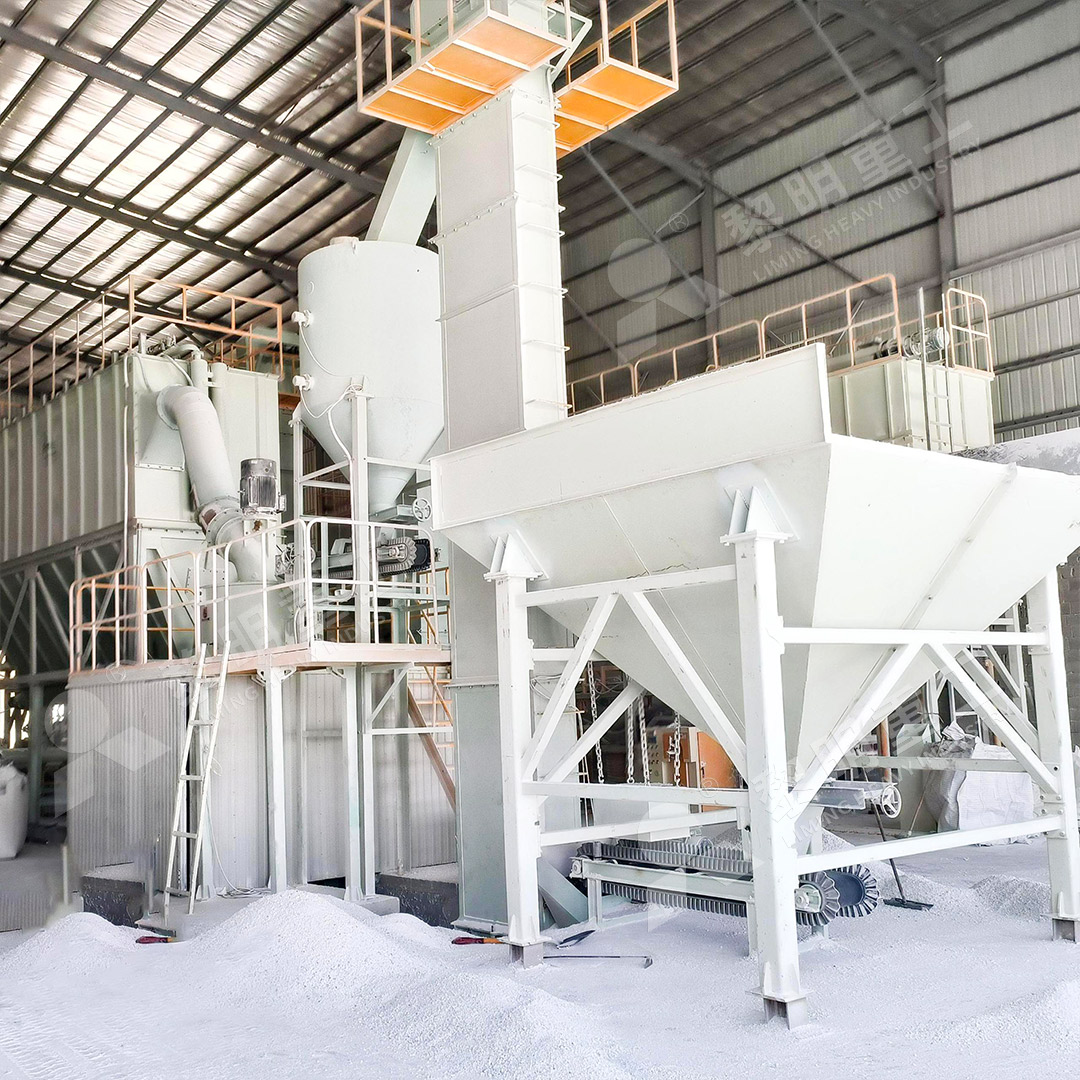
The Core Working Principle
While designs vary, the fundamental principle remains similar across many horizontal milling machines. Material is fed into a grinding chamber where rotating components (like rollers or balls) exert force on it, crushing and grinding it against a stationary surface (a ring or the chamber itself). The crushed material is then carried by an air stream to an integrated classifier. The classifier acts like a precise sieve, allowing only particles that meet the target fineness to pass through as the final product. Coarser particles are rejected and fall back into the grinding chamber for further milling, creating a continuous, closed-loop system.
Spotlight: MW Ultrafine Grinding Mill
For operations requiring ultra-fine powders between 325 and an incredible 2500 meshes, our MW Ultrafine Grinding Mill is an industry standout. It’s engineered for customers who need to make ultra-fine powder with higher yielding and lower energy consumption.
- Input Size: 0-20 mm
- Capacity: 0.5-25 tph
Its genius lies in its German-technology cage-type powder selector, which provides unparalleled precision in particle separation. A key maintenance advantage is the absence of rolling bearings and screws inside the grinding chamber, eliminating common failure points and worries about loose screws causing damage. Furthermore, its efficient pulse dust collector and muffler system ensure eco-friendly, low-noise operation that meets strict environmental standards.
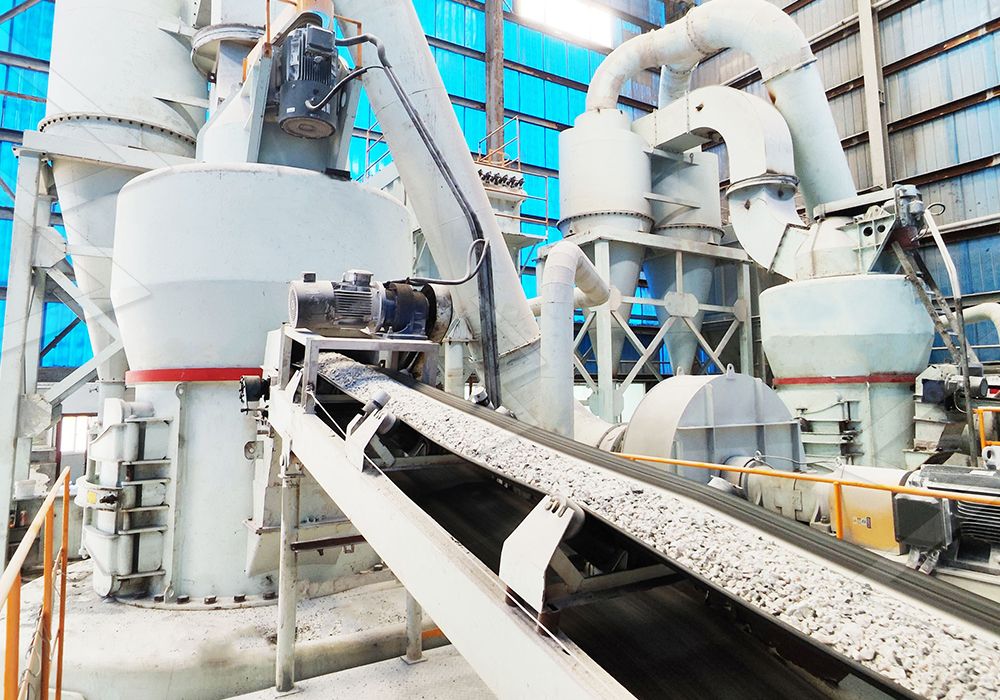
Another Top Performer: LUM Ultrafine Vertical Grinding Mill
Another excellent choice in our lineup is the LUM Ultrafine Vertical Grinding Mill. It integrates ultrafine powder grinding, grading, and transporting in a single, compact unit.
- Input Size: 0-10 mm
- Capacity: 5-18 tph
It boasts unique features like PLC-controlled multi-head powder separating technology for precise cuts and energy savings of 30-50%, and a reversible structure that allows grinding rollers to be easily swung out for maintenance, drastically reducing downtime.
Factors Influencing Price
The price of a horizontal milling machine isn’t just about the machine itself. It’s a reflection of its capacity (tph), the fineness it can achieve, the technology and materials used in its construction (e.g., wear-resistant alloys), and the level of automation and environmental controls (like advanced dust collectors). While initial investment is a factor, considering the total cost of ownership—including energy consumption, maintenance downtime, and part replacement costs—is crucial for long-term profitability.
Conclusion
Selecting the right grinding mill is a strategic decision that impacts your product quality, operational efficiency, and bottom line. Understanding the different types and their working principles is the first step. For applications demanding ultra-fine powders with exceptional efficiency and reliability, we invite you to explore our advanced solutions like the MW Ultrafine Grinding Mill and the LUM Ultrafine Vertical Grinding Mill. Our technical team is ready to help you find the perfect machine for your specific needs.