
Centralized Pulverized Coal Preparation Process and System Overview
We provide a wide range of mills — including Raymond mill, trapezoidal mill, vertical mill, ultrafine mill, and ball mill, obtained ISO9001 international quality certification, EU CE certification, and Customs Union CU-TR certification. Suitable for processing minerals such as limestone, phosphate, quicklime, kaolin, talc, barite, bentonite, calcium carbonate, dolomite, coal, gypsum, clay, carbon black, slag, cement raw materials, cement clinker, and more.
The discharge range of these mills can be adjusted to meet specific processing needs, typically from 80-400 mesh, 600-3250 mesh, and can achieve the finest particle size of up to 6000 mesh(D50).
If you are looking for a reliable grinding solution to turn stone or minerals into fine powder, please feel free to contact our online customer service.
Centralized Pulverized Coal Preparation Process and System Overview
In modern industrial operations, particularly within power generation, cement production, and metallurgy, the efficient preparation of pulverized coal is a critical determinant of overall system performance, fuel efficiency, and environmental compliance. A centralized pulverized coal preparation system represents a sophisticated approach, consolidating grinding, drying, classification, and conveying into a single, integrated, and automated workflow. This methodology stands in contrast to decentralized or older batch-processing systems, offering superior control, consistency, and operational economics.
The Core Philosophy: Integration and Control
The fundamental advantage of a centralized system lies in its holistic design. Raw coal, with a controlled feed size (typically 0-50mm), is introduced into a primary crusher before being conveyed to a central grinding mill. Here, the simultaneous drying and grinding process is paramount. Modern systems integrate hot gas generators (using waste heat from kilns or dedicated air heaters) to dry the coal during comminution, preventing clogging and ensuring optimal grindability. The heart of this system is the grinding mill itself, whose technology directly dictates the system’s efficiency, product fineness, and reliability.
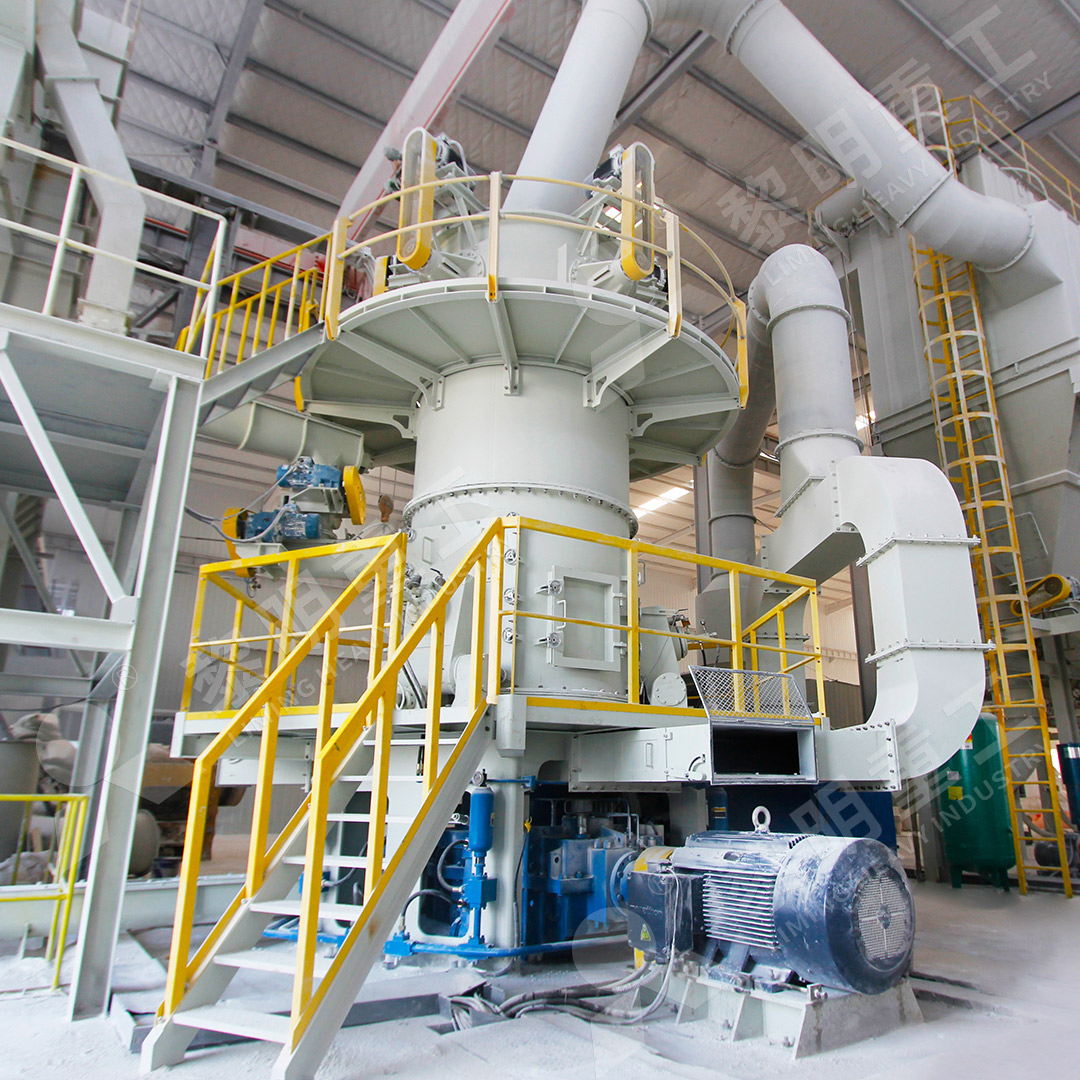
Following grinding, the coal-air mixture is transported to a high-efficiency classifier—often a dynamic or cage-type separator. This component is crucial for ensuring the final product’s particle size distribution. Oversized particles are rejected and returned to the mill for regrinding (creating a closed-circuit loop), while the correctly sized pulverized coal is extracted by a cyclone collector or baghouse filter. The entire process is managed by a centralized PLC/DCS control system, monitoring parameters like feed rate, mill temperature, grinding pressure, and product fineness in real-time.
Technological Evolution in Grinding: The Vertical Mill Advantage
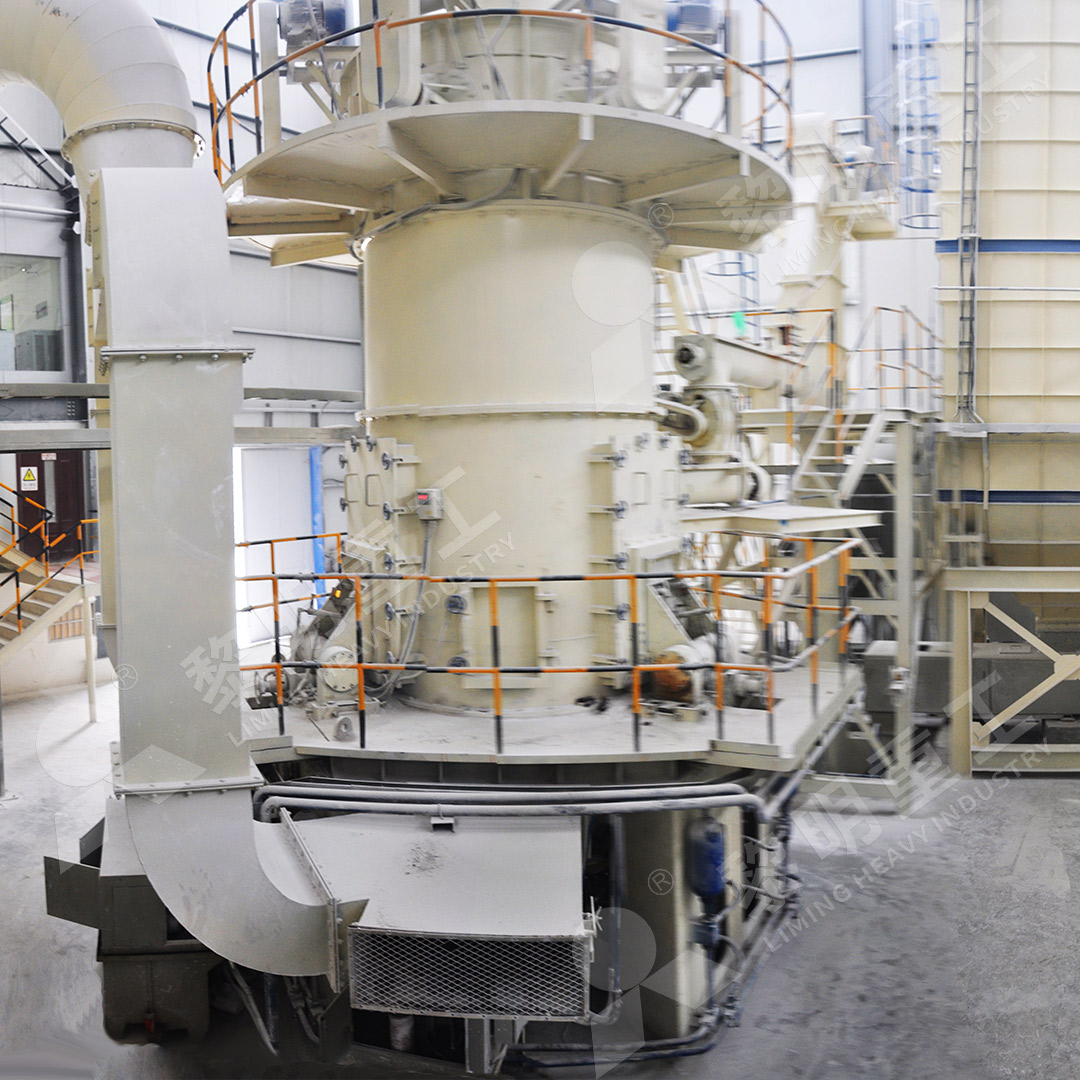
The evolution from traditional ball mills or Raymond mills to advanced vertical roller mills (VRMs) has been a game-changer for centralized coal preparation. VRMs, such as the LM Vertical Coal Mill, exemplify the integrated system philosophy. They combine crushing, grinding, drying, and classification within a single, compact unit. Their design offers a significantly smaller footprint—about 50% less than a ball mill system—and reduces energy consumption by 30-50%.
The working principle is elegant: material is fed onto a rotating grinding table and is ground under pressure by hydraulically loaded rollers. A hot gas stream flowing through the mill dries the coal and carries the fine particles upward to an integrated classifier. The direct grinding mechanism and efficient material-bed comminution lead to lower metal wear, less noise, and a more stable product quality with low iron contamination. For operations prioritizing high capacity (5-100 T/H), integrated drying, and automated stability, the LM Vertical Coal Mill is a cornerstone technology for a modern centralized plant.
Pushing the Boundaries of Fineness and Efficiency
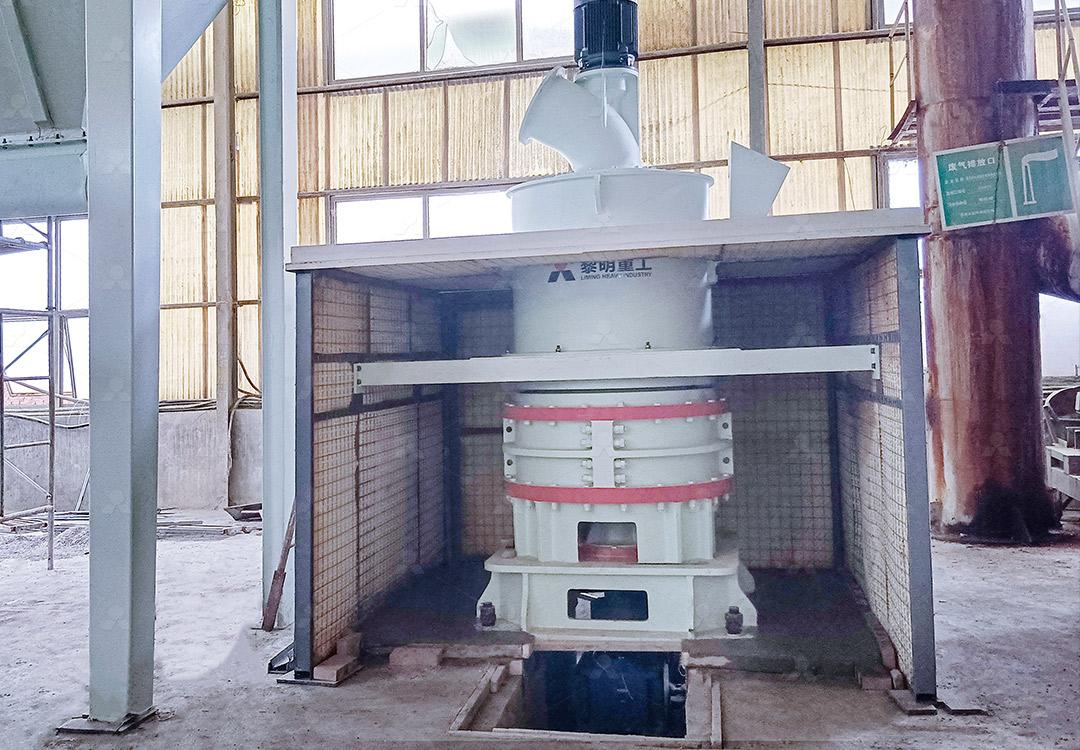
For applications demanding ultra-fine pulverized coal or specialized carbon powders, such as in advanced combustion systems or as a raw material in chemicals, the limits of standard grinding are pushed further. Here, technology designed for ultra-fine powder production becomes relevant. Equipment like the MW Ultrafine Grinding Mill demonstrates this capability. While often associated with non-metallic minerals, its design principles are applicable for advanced carbon processing.
This mill achieves remarkable fineness, adjustable between 325 to 2500 meshes, thanks to its multi-head cage-type powder selector employing German separation technology. Its design eliminates rolling bearings and screws within the grinding chamber, drastically reducing failure points and maintenance concerns from bearing wear or loose components. Furthermore, it is engineered with environmental stewardship at its core, featuring an efficient pulse dust collector and silencer to ensure dust-free and low-noise operation. For centralized systems that require a dedicated line for producing superfine coal derivatives with exceptional precision and cleanliness, the MW Ultrafine Grinding Mill offers a specialized, high-yield solution.
System Benefits and Implementation Considerations
The implementation of a centralized pulverized coal preparation system delivers tangible benefits:
- Operational Efficiency: Lower specific energy consumption per ton of product and higher overall availability.
- Product Consistency: Tight control over particle size distribution and moisture content, leading to improved combustion efficiency.
- Reduced Footprint: Compact, integrated design saves valuable plant space.
- Environmental Compliance: Fully enclosed negative-pressure operation with integrated baghouse filters minimizes dust emissions. Lower noise levels are also achieved.
- Lower Operating Costs: Reduced wear part consumption, automated controls requiring less manpower, and higher reliability contribute to a lower total cost of ownership.
When designing such a system, key considerations include the characteristics of the raw coal (hardness, moisture, volatility), the required product fineness and capacity, the availability of a drying heat source, and the desired level of automation. Partnering with an experienced provider who can supply not only the core equipment but also the system engineering, original spare parts, and long-term technical support is essential for a worry-free, future-proof operation.
Conclusion
The centralized pulverized coal preparation process represents the modern industrial standard, where integration, automation, and advanced grinding technology converge. By selecting the appropriate mill technology—whether the high-capacity, all-in-one LM Vertical Coal Mill for primary fuel preparation or the precision-focused MW Ultrafine Grinding Mill for specialized applications—operators can build a system that maximizes efficiency, ensures consistent quality, and meets stringent environmental and economic goals. This systematic approach is fundamental to the sustainable and competitive operation of any industry reliant on pulverized coal.
Frequently Asked Questions (FAQ)
1. What are the primary advantages of a centralized system over decentralized coal mills?
Centralized systems offer superior consistency in product fineness, higher overall energy efficiency, reduced manpower requirements through automation, easier implementation of emission controls, and lower long-term maintenance costs due to the consolidation of major equipment.
2. How is moisture in the raw coal handled during the grinding process?
Modern centralized systems integrate drying directly into the grinding circuit. Hot gases (often from process waste heat or a dedicated heater) are introduced into the mill. As the coal is ground, it is simultaneously dried by this hot gas stream, which then carries the dry fines to the classifier. This prevents clogging and ensures efficient operation.
3. What determines the choice between a vertical roller mill (like the LM model) and other mill types for coal grinding?
The choice depends on capacity, moisture content, and desired fineness. Vertical Roller Mills are generally preferred for medium to high capacities (5-100+ T/H) and coals with higher moisture due to their excellent drying capability and lower energy consumption. For specific, very high fineness requirements or lower capacity needs, other specialized mills may be considered.
4. How is the final fineness of the pulverized coal controlled?
Fineness is primarily controlled by the dynamic classifier (or separator) located at the mill’s outlet. By adjusting the speed of the classifier rotor, the cut point for particle size can be precisely altered. Faster speeds allow only finer particles to pass, resulting in a finer product.
5. Are these centralized systems suitable for different types of coal?
Yes, but the system design and mill settings must be tailored to the coal’s grindability index (HGI), moisture, ash content, and volatility. Equipment like the LM Vertical Coal Mill is designed to handle a range of coals, but proper engineering analysis is required for optimal performance.
6. What are the key maintenance aspects of a centralized coal grinding system?
Key maintenance focuses on wear parts like grinding rollers and tables, classifier blades, and fan impellers. Modern mills are designed for easier maintenance; for example, some feature hydraulic systems to swing grinding rollers out for inspection. Regular checks of the grinding pressure, vibration levels, and lubrication systems are also critical for predictive maintenance.