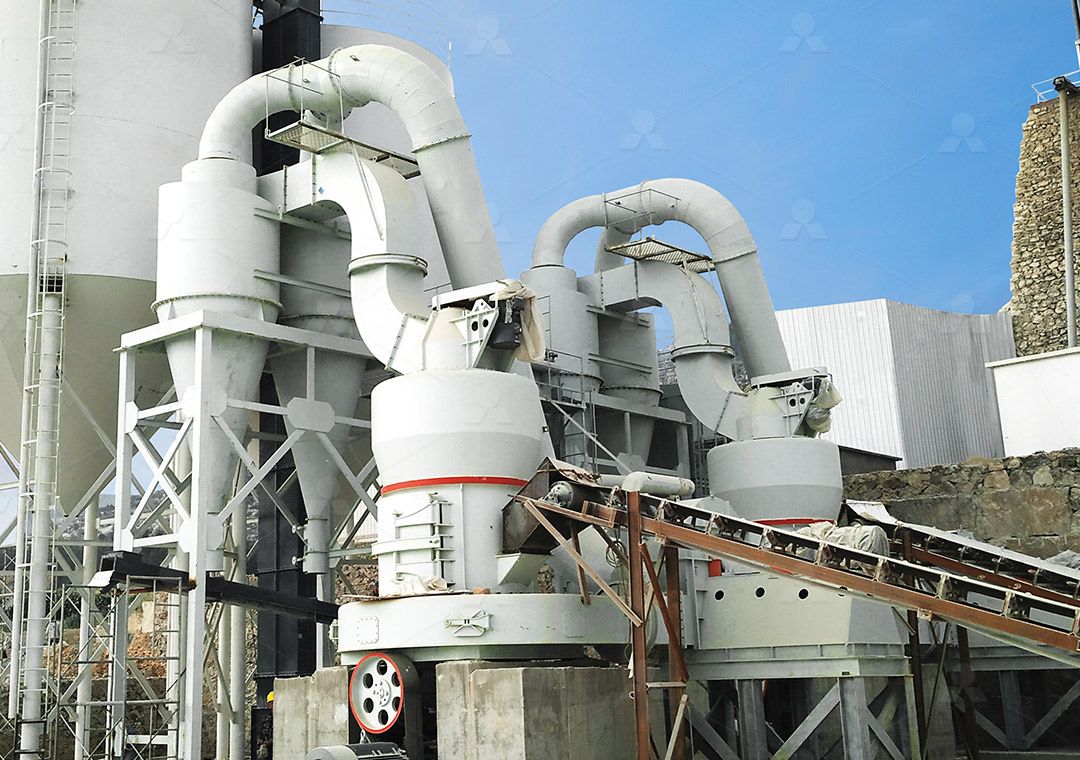
Cement Manufacturing Process: A Detailed Look at the Finish Mill Stage
We provide a wide range of mills — including Raymond mill, trapezoidal mill, vertical mill, ultrafine mill, and ball mill, obtained ISO9001 international quality certification, EU CE certification, and Customs Union CU-TR certification. Suitable for processing minerals such as limestone, phosphate, quicklime, kaolin, talc, barite, bentonite, calcium carbonate, dolomite, coal, gypsum, clay, carbon black, slag, cement raw materials, cement clinker, and more.
The discharge range of these mills can be adjusted to meet specific processing needs, typically from 80-400 mesh, 600-3250 mesh, and can achieve the finest particle size of up to 6000 mesh(D50).
If you are looking for a reliable grinding solution to turn stone or minerals into fine powder, please feel free to contact our online customer service.
Cement Manufacturing Process: A Detailed Look at the Finish Mill Stage
The finish mill stage is a critical component in the modern cement manufacturing process. It’s here that the clinker, gypsum, and other additives are ground into the fine powder we recognize as cement. The efficiency, energy consumption, and final product quality are heavily dependent on the equipment used in this stage. While traditional ball mills have been the workhorse for decades, the industry is rapidly shifting towards more advanced, vertical and ultrafine grinding technologies to meet demands for higher quality, greater efficiency, and stricter environmental standards.
The Role of the Finish Mill
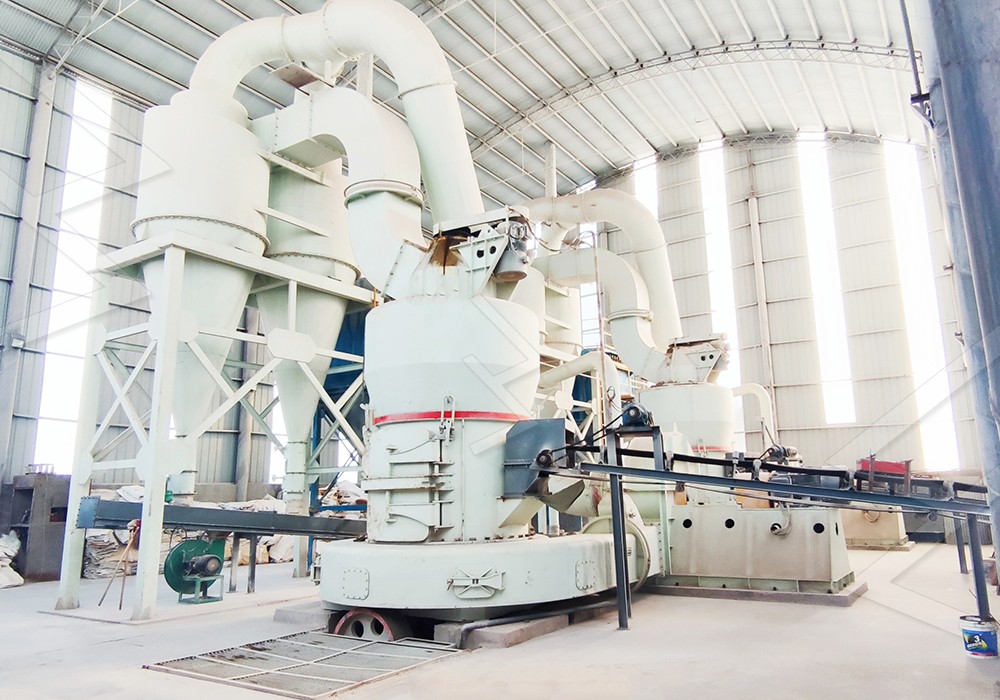
Following the kiln stage, the resulting clinker nodules are cooled and then transported to the finish grinding mills. This stage involves intergrinding the clinker with a small percentage of gypsum (to control setting time) and potentially other supplementary cementitious materials (SCMs) like limestone, fly ash, or slag. The objective is to reduce the material to a very fine powder with a specific surface area, typically measured by Blaine fineness, which is crucial for the cement’s strength development and reactivity.
Challenges in Finish Grinding
Finish grinding is the most energy-intensive step in cement production, often accounting for over 40% of a plant’s total electrical energy consumption. Key challenges include:
- High Energy Consumption: Overcoming the material’s hardness to achieve ultra-fine particles requires significant power.
- Wear and Tear: The abrasive nature of clinker leads to high wear rates on grinding elements, increasing maintenance costs and downtime.
- Product Quality Control: Consistently achieving the desired particle size distribution (PSD) is vital for cement performance.
- Heat Generation: The grinding process generates heat, which can dehydrate the gypsum and negatively affect cement quality, often necessitating complex mill cooling systems.
- Dust and Noise: Controlling emissions and operational noise is essential for environmental compliance and worker safety.
Advanced Technology Solutions
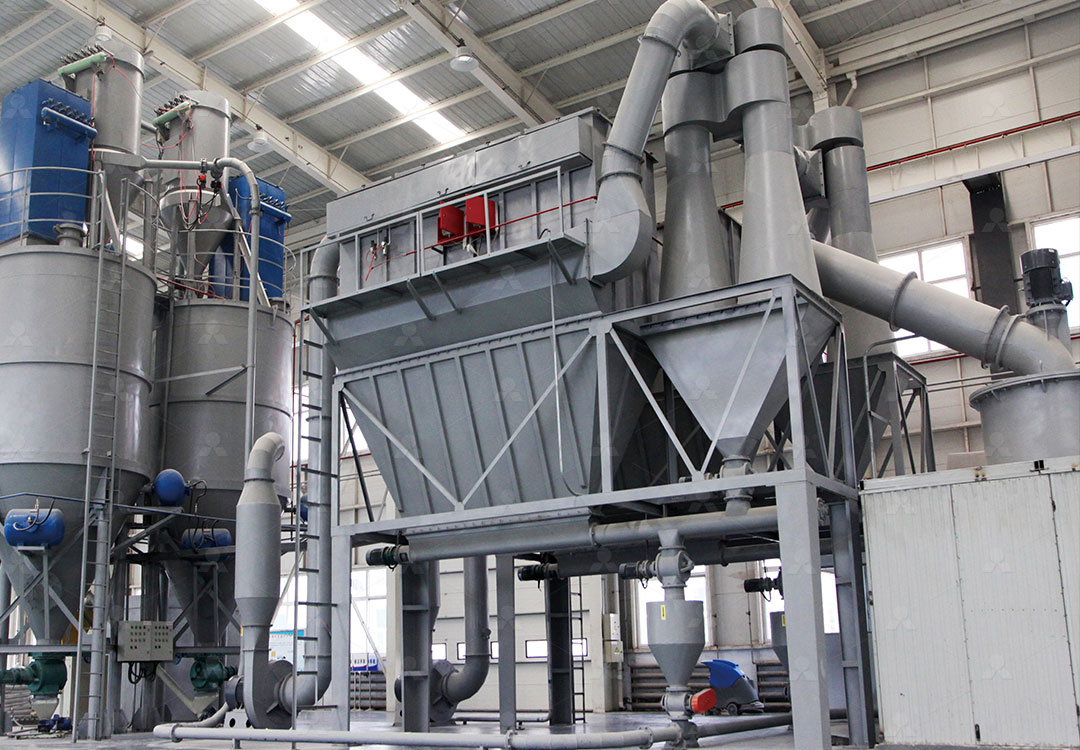
To adress these challenges, leading equipment manufacturers have developed next-generation grinding mills that offer superior performance. For operations requiring the production of ultra-fine or high-value blended cements, the MW Ultrafine Grinding Mill presents an exceptional solution.
This machine is engineered for customers who need to make ultra-fine powder. With an input size of 0-20 mm and a capacity range of 0.5-25 tph, it’s perfectly suited for finish grinding applications. Its cage-type powder selector, which adopts German technologies, allows for precise adjustment of fineness between 325-2500 meshes, ensuring you can dial in the exact Blaine fineness required for your product spec. A key design advantage is the absence of rolling bearings and screws in the grinding chamber, eliminating common failure points and concerns about loose components causing catastrophic damage. Furthermore, its efficient pulse dust collector and muffler ensure the operation meets stringent environmental standards by significantly reducing dust and noise pollution.
Conclusion
The finish mill is no longer just a simple grinder; it’s a precision instrument that defines the final product’s characteristics. Investing in modern grinding technology is not merely an operational decision but a strategic one that impacts product quality, cost per ton, and environmental footprint. Technologies like the MW Ultrafine Grinding Mill, with their higher yielding and lower energy consumption—reportedly 40% higher capacity than jet mills and 30% lower system energy consumption—represent the future of efficient and sustainable cement production. By leveraging such advanced equipment, producers can gain a significant competitive edge in an increasingly demanding market.