
Cement Clinker Grinding Ball Mill Supplier in Indonesia
We provide a wide range of mills — including Raymond mill, trapezoidal mill, vertical mill, ultrafine mill, and ball mill, obtained ISO9001 international quality certification, EU CE certification, and Customs Union CU-TR certification. Suitable for processing minerals such as limestone, phosphate, quicklime, kaolin, talc, barite, bentonite, calcium carbonate, dolomite, coal, gypsum, clay, carbon black, slag, cement raw materials, cement clinker, and more.
The discharge range of these mills can be adjusted to meet specific processing needs, typically from 80-400 mesh, 600-3250 mesh, and can achieve the finest particle size of up to 6000 mesh(D50).
If you are looking for a reliable grinding solution to turn stone or minerals into fine powder, please feel free to contact our online customer service.
Navigating the Indonesian Cement Industry: A Guide to Efficient Clinker Grinding
The Indonesian cement industry is a cornerstone of the nation’s rapidly developing infrastructure. At the heart of cement production lies a critical process: the grinding of cement clinker into the fine powder that becomes cement. For plant managers and engineers, selecting the right grinding technology is not just a procurement decision; it’s a strategic choice impacting operational efficiency, product quality, and the bottom line. While the traditional ball mill has been a long-standing workhorse, advancements in grinding technology offer compelling alternatives for modern, high-demand operations.
The Role of Clinker Grinding in Cement Production
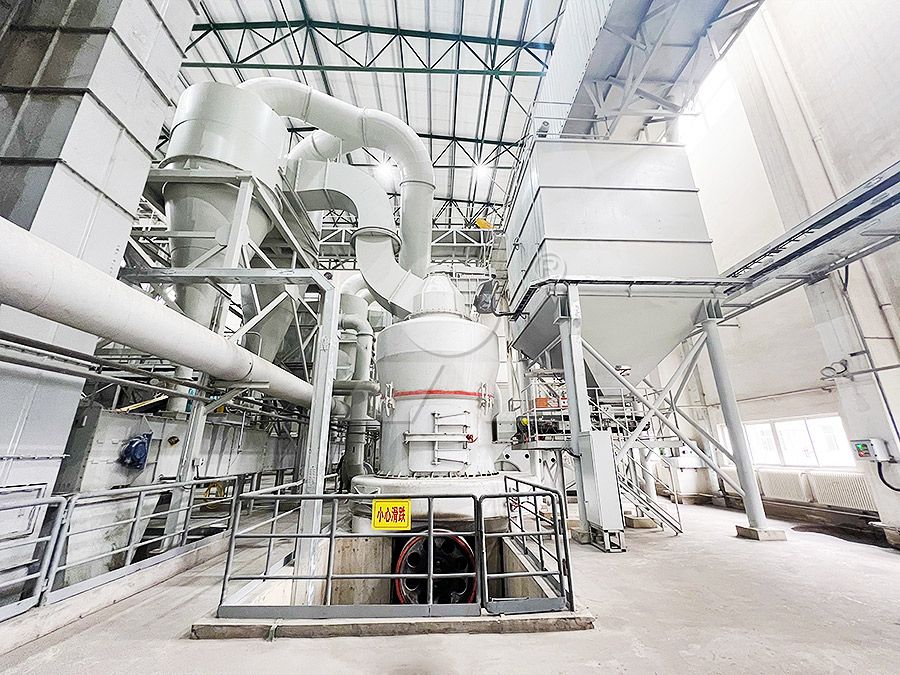
Cement clinker, the nodular material produced from the kiln during the cement-making process, is extremely hard. Grinding this clinker is highly energy-intensive, often accounting for a significant portion of a plant’s total power consumption. The goal is to achieve a specific surface area (fineness) that guarantees the final cement product’s strength and setting properties. A ball mill accomplishes this by using steel balls within a rotating cylinder to crush and grind the clinker through impact and attrition. While effective, this method can be inefficient, generating excessive heat and noise.
Beyond the Ball Mill: Embracing Advanced Grinding Solutions
For operations seeking to maximize yield and minimize energy costs, considering advanced milling systems is essential. Technologies like vertical roller mills and ultra-fine grinding mills have revolutionized particle size reduction. A standout solution for operations requiring superior fineness and energy savings is our MW Ultrafine Grinding Mill.
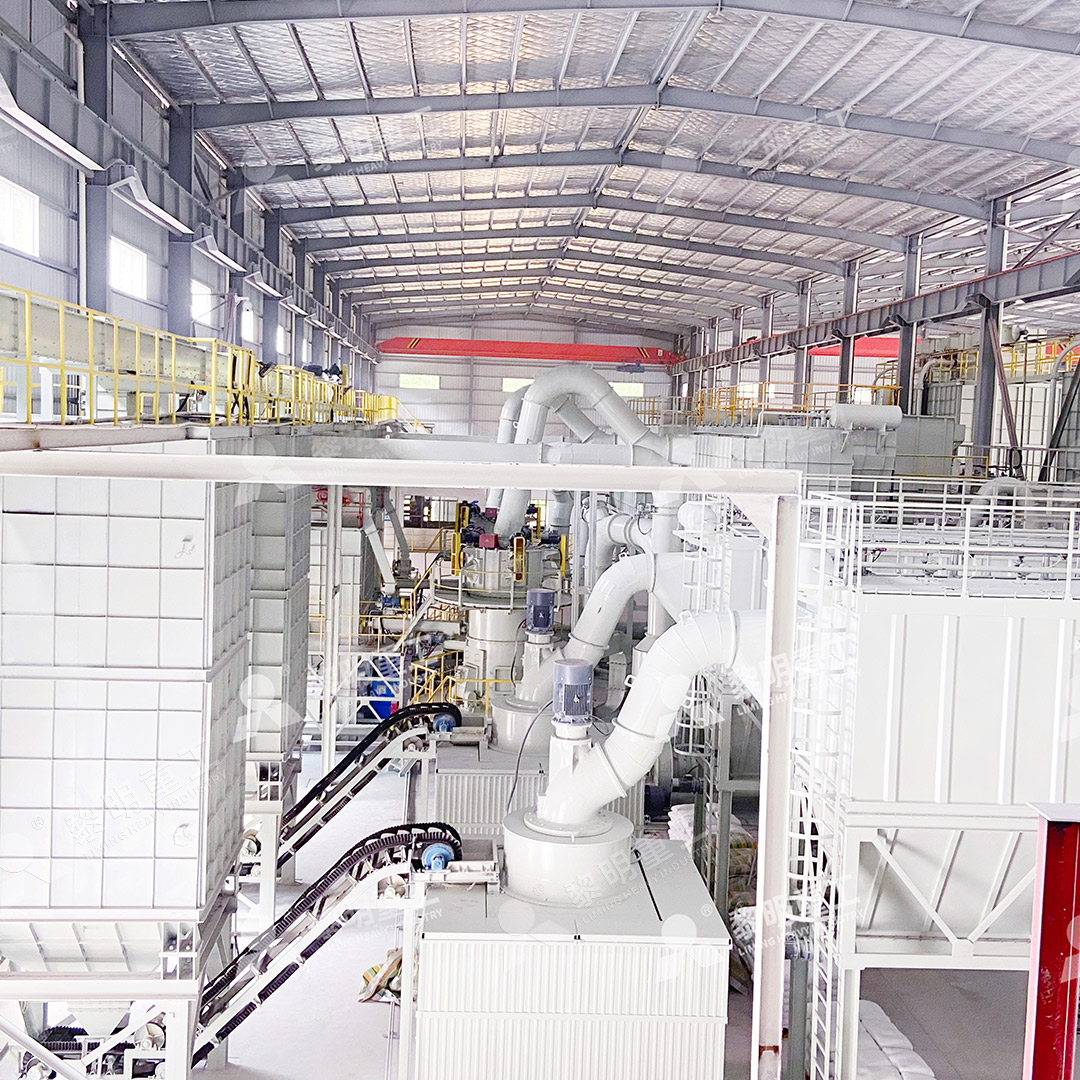
This machine is engineered for customers who need to produce ultra-fine powder efficiently. With an input size of 0-20 mm and a capacity range of 0.5-25 tph, it is remarkably versatile. A key advantage is its significantly higher yielding and lower energy consumption. Its newly designed grinding curves enhance efficiency, offering production capacity up to 40% higher than jet mills and twice that of ball mills, while using only 30% of the energy of a jet mill. Furthermore, its innovative design features no rolling bearings or screws in the grinding chamber, eliminating common failure points and allowing for external lubrication without shutdown, enabling continuous 24/7 operation.
Why Partner with a Specialized Supplier in Indonesia?
Choosing a supplier goes beyond the initial sale. It’s about forming a partnership for the long-term reliability of your operation. A reputable supplier provides not only high-quality equipment but also comprehensive technical support, readily available genuine spare parts, and local service expertise. This is crucial in Indonesia’s diverse industrial landscape, where conditions can vary greatly from island to island. A supplier with a strong local presence ensures minimal downtime and expert troubleshooting.
For larger-scale production needs, another excellent option is the LUM Ultrafine Vertical Grinding Mill. Designed with advanced grinding roller and powder separating technology, it integrates grinding, grading, and transporting into a single, compact unit. With an input size of 0-10 mm and a capacity of 5-18 tph, it offers higher yielding rates and better quality finished product. Its reversible structure simplifies maintenance, allowing for easy access to grinding rollers, which dramatically reduces shutdown time for checks and part replacements.
Conclusion: Investing in the Future of Your Plant
The decision to invest in new grinding technology is an investment in the future competitiveness of your cement plant. By moving beyond conventional ball mills to more efficient systems like the MW or LUM series, Indonesian producers can achieve substantial gains in productivity, energy efficiency, and environmental compliance. The right equipment, backed by the right supplier, is the key to unlocking new levels of performance.
Frequently Asked Questions (FAQ)
What is the main advantage of an MW Ultrafine Grinding Mill over a traditional ball mill for clinker grinding?
The primary advantage is dramatically reduced energy consumption—up to 70% less than a jet mill and significantly less than a ball mill—while simultaneously increasing production capacity by up to 40-100%. It also offers superior fineness control and more reliable, maintenance-friendly operation.
Can these advanced mills handle the abrasive nature of cement clinker?
Yes. Both the MW and LUM mills are constructed with wear-resistant alloys and feature designs that minimize direct mechanical wear on core components. The absence of rolling bearings in the grinding chamber of the MW mill, for instance, specifically addresses concerns about damage from abrasive materials.
Are spare parts and technical support readily available in Indonesia?
Absolutely. A key part of our service commitment is ensuring a sufficient supply of original spare parts and providing accessible technical support to ensure worry-free operation for our clients across the Indonesian archipelago.
How does the environmental performance of these mills compare?
They are designed with environmental protection as a priority. They are equipped with efficient pulse dust collectors and mufflers, ensuring dust-free operation and low noise levels, fully compliant with national environmental standards.