
Cement Ball Mill vs. Vertical Roller Mill: A Comprehensive Comparison
We provide a wide range of mills — including Raymond mill, trapezoidal mill, vertical mill, ultrafine mill, and ball mill, obtained ISO9001 international quality certification, EU CE certification, and Customs Union CU-TR certification. Suitable for processing minerals such as limestone, phosphate, quicklime, kaolin, talc, barite, bentonite, calcium carbonate, dolomite, coal, gypsum, clay, carbon black, slag, cement raw materials, cement clinker, and more.
The discharge range of these mills can be adjusted to meet specific processing needs, typically from 80-400 mesh, 600-3250 mesh, and can achieve the finest particle size of up to 6000 mesh(D50).
If you are looking for a reliable grinding solution to turn stone or minerals into fine powder, please feel free to contact our online customer service.
Cement Ball Mill vs. Vertical Roller Mill: A Comprehensive Comparison
In the cement industry, the choice of grinding technology is a critical decision that impacts operational costs, product quality, and overall plant efficiency. For decades, the ball mill has been the industry workhorse. However, the advent of the Vertical Roller Mill (VRM) has introduced a compelling alternative. This article provides a detailed, professional comparison of these two dominant grinding systems.
Fundamental Operating Principles
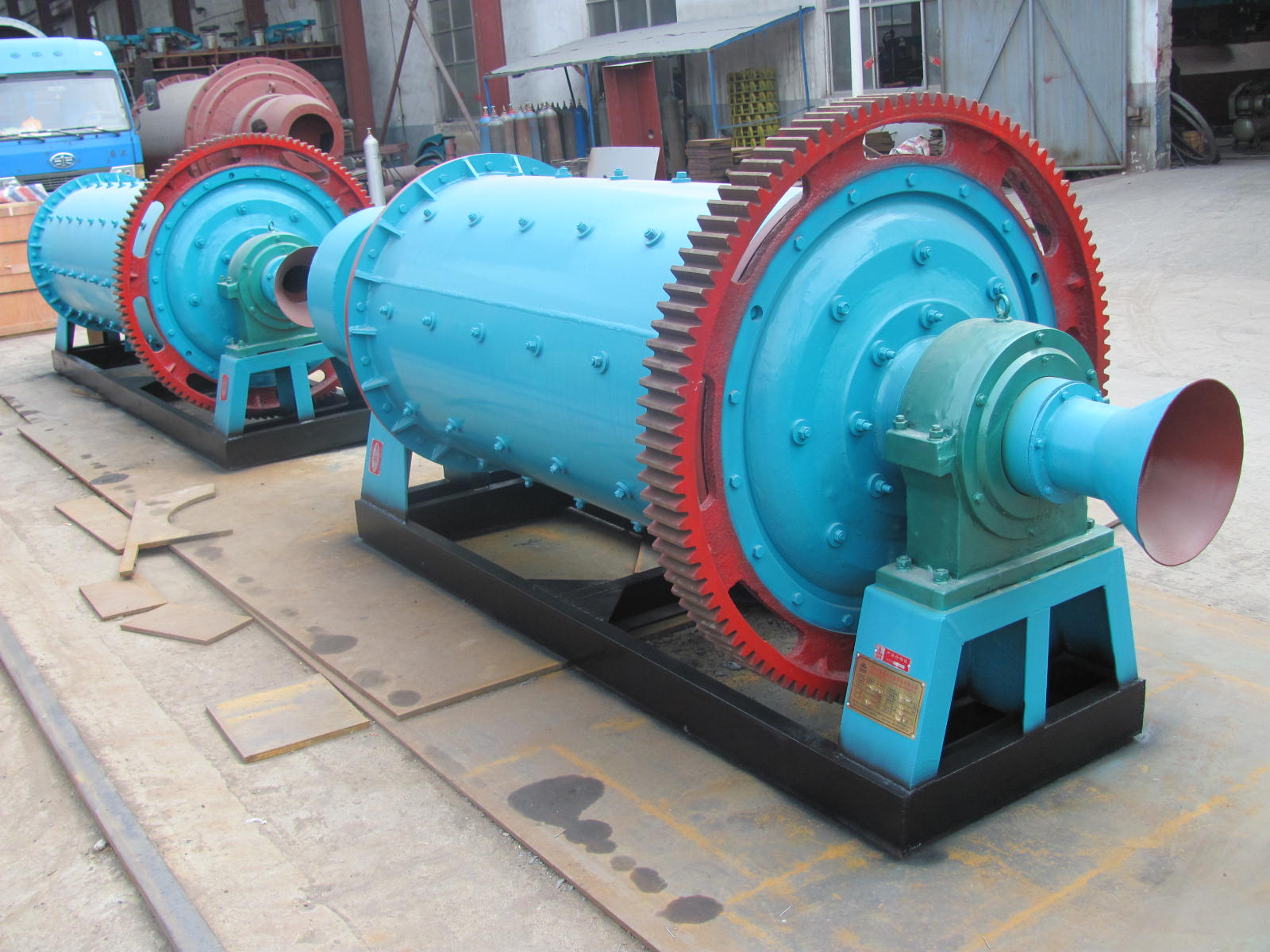
The core difference lies in their grinding mechanisms. A Ball Mill is a horizontal, rotating cylinder partially filled with grinding media (typically steel balls). The material is crushed and ground by the tumbling action of these balls. In contrast, a Vertical Roller Mill employs a bed-compaction principle. Material is fed onto a rotating grinding table and is crushed between the table and rollers that are pressed hydraulically against the bed of material.
Key Performance Metrics: A Head-to-Head Analysis
Energy Consumption
This is arguably the most significant advantage of the VRM. By utilizing a more efficient grinding principle, VRMs typically consume 30-50% less energy than a ball mill producing the same product. The ball mill’s tumbling action is inherently less energy-efficient, with a larger portion of energy being lost as heat and noise.
Drying Capacity
VRMs excel in grinding raw materials with high moisture content. Hot gases can be introduced directly into the mill body, simultaneously drying and grinding the feed material. Ball mills have limited drying capabilities and often require a separate, energy-intensive pre-drying system.
Product Fineness and Particle Size Distribution
Ball mills are renowned for producing a very consistent product with a relatively steep particle size distribution. VRMs have made significant strides in this area. Modern separators allow for excellent control, though the product distribution can sometimes be wider. For ultra-fine grinding requirements beyond traditional cement, technologies like our MW Ultrafine Grinding Mill offer superior performance, achieving adjustable fineness between 325-2500 meshes with higher yielding and lower energy consumption compared to jet or ball mills.
Footprint and Installation
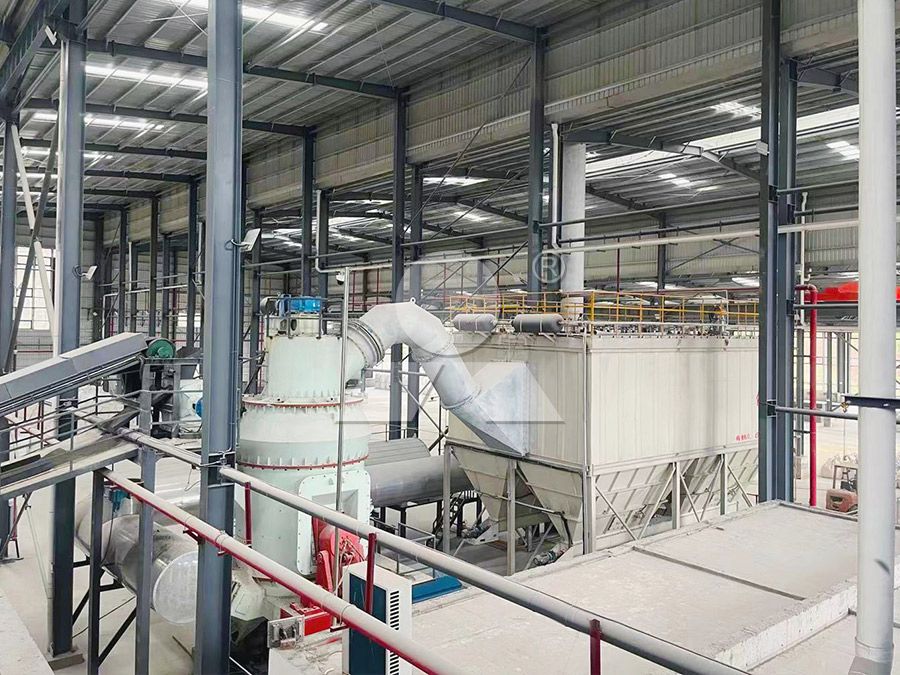
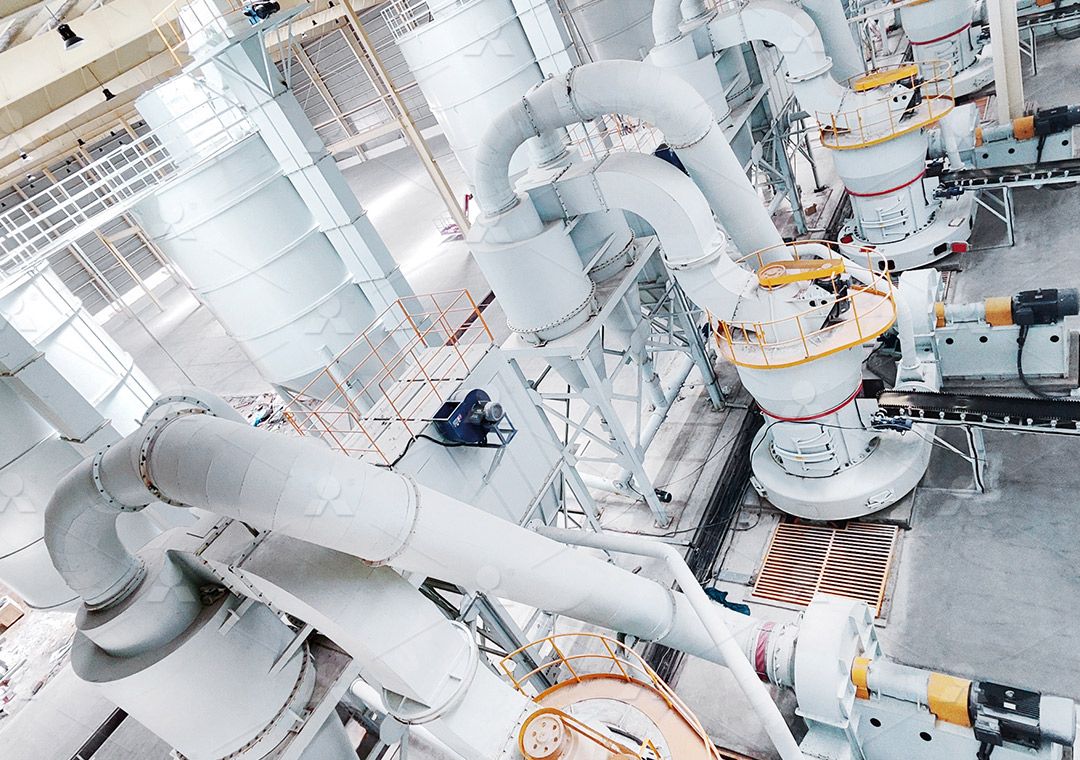
The vertical design of the VRM gives it a distinct advantage, occupying only about 50-70% of the floor space of an equivalent ball mill. This compact design can lead to substantial savings in building costs.
Maintenance and Operational Flexibility
Ball mills have a reputation for robustness and simpler mechanical design, which can translate to easier maintenance for some components. VRMs have more complex systems (e.g., hydraulic cylinders, sophisticated separators) but are designed for easier roller maintenance. For operations seeking a balance of high efficiency and operational simplicity, our LUM Ultrafine Vertical Grinding Mill is an excellent choice. It features a reversible structure that allows grinding rollers to be easily swung out for maintenance, minimizing downtime.
Conclusion: Which One is Right for Your Operation?
There is no universal “best” choice. The decision hinges on specific project parameters:
- Choose a Ball Mill if: Capital cost is the primary driver, the raw materials are dry, and you prioritize proven, simple technology with a long history of reliable operation.
- Choose a Vertical Roller Mill if: Minimizing long-term operating costs (especially energy) is critical, you need to grind wet materials, or plant space is limited.
The trend in the global cement industry is firmly toward VRMs for new installations due to their superior energy efficiency. However, ball mills remain a viable and often preferable option for many applications, particularly for finish grinding where product quality is paramount.
Frequently Asked Questions (FAQ)
Q1: Can a VRM achieve the same product quality as a ball mill?
A: Yes, modern VRMs with advanced separator technology can produce cement that meets all international standards. The particle shape may differ slightly, but the strength development and other key properties are comparable.
Q2: Which system has a longer lifespan?
A: Both systems are designed for decades of service. Ball mill shells and trunnions can last virtually forever, while grinding media and liners are wear parts. In a VRM, the grinding table and rollers are the primary wear parts. Lifespan depends heavily on the abrasiveness of the material being ground.
Q3: Is it easier to switch between different cement types with one system over the other?
A: VRMs generally offer greater flexibility and faster transition times between different products due to quicker response times in their grinding and separation systems.
Q4: Are ball mills being phased out?
A: Not entirely. While VRMs dominate new project markets, thousands of ball mills remain in successful operation worldwide. They are still the preferred technology for certain materials and applications, and their simplicity and reliability ensure their continued use for years to come.