
Cement Ball Mill for Sale in Indonesia: Price, Capacity, and Supplier Guide
We provide a wide range of mills — including Raymond mill, trapezoidal mill, vertical mill, ultrafine mill, and ball mill, obtained ISO9001 international quality certification, EU CE certification, and Customs Union CU-TR certification. Suitable for processing minerals such as limestone, phosphate, quicklime, kaolin, talc, barite, bentonite, calcium carbonate, dolomite, coal, gypsum, clay, carbon black, slag, cement raw materials, cement clinker, and more.
The discharge range of these mills can be adjusted to meet specific processing needs, typically from 80-400 mesh, 600-3250 mesh, and can achieve the finest particle size of up to 6000 mesh(D50).
If you are looking for a reliable grinding solution to turn stone or minerals into fine powder, please feel free to contact our online customer service.
Cement Ball Mill for Sale in Indonesia: Price, Capacity, and Supplier Guide
Indonesia’s booming construction industry has created a massive demand for high-quality cement. For any serious player in this sector, investing in reliable and efficient grinding equipment is not just an option—it’s a necessity. The cement ball mill has long been a traditional workhorse in clinker grinding, but modern operations demand more: higher efficiency, lower energy consumption, and greater environmental compliance. This guide will walk you through the key considerations for sourcing a ball mill in Indonesia and introduce a superior alternative for ultra-fine powder production.
Understanding Cement Ball Mills
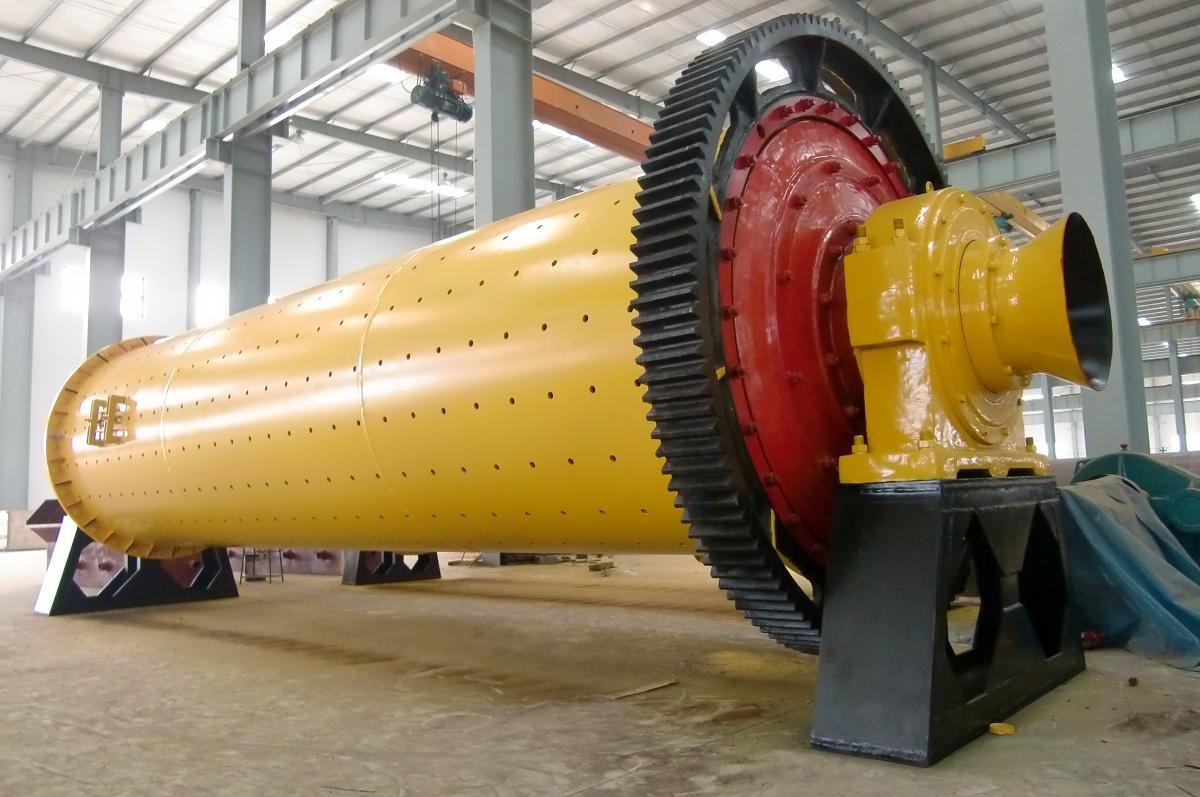
A ball mill is a horizontal, rotating cylinder filled with steel balls that grind clinker and gypsum into the fine powder we know as cement. The centrifugal force generated by the rotation lifts the balls, which then cascade and impact the material, crushing it into finer particles. While a proven technology, traditional ball mills are known for their high energy consumption, significant wear on grinding media, and substantial noise and dust generation.
Key Considerations for Buyers in Indonesia
Price Factors
The price of a ball mill in Indonesia can vary widely based on several factors:
- Capacity: Ranging from small pilot plants (0.65 tph) to large industrial units (50+ tph).
- Manufacturer & Origin: European brands often command a premium, while Chinese and local Indonesian manufacturers offer more competitive pricing.
- Shipping & Import Duties: Logistics to the Indonesian archipelago and applicable import taxes must be factored into the total cost.
- Ancillary Equipment: Costs for crushers, elevators, feeders, and dust collectors add significantly to the overall investment.
Capacity Requirements
Matching the mill’s capacity to your plant’s output is crucial. Ball mills are typically chosen for their robustness, but their efficiency for fine grinding is often surpassed by newer technologies. For operations that require a finer product or process a variety of materials, a specialized mill might be a better investment.
Beyond the Ball Mill: A Modern Alternative for Fine Grinding
While ball mills are common, forward-thinking plants are upgrading to more advanced technology for specific applications, especially for producing ultra-fine powders or when energy costs are a primary concern. For these needs, we highly recommend considering our MW Ultrafine Grinding Mill.
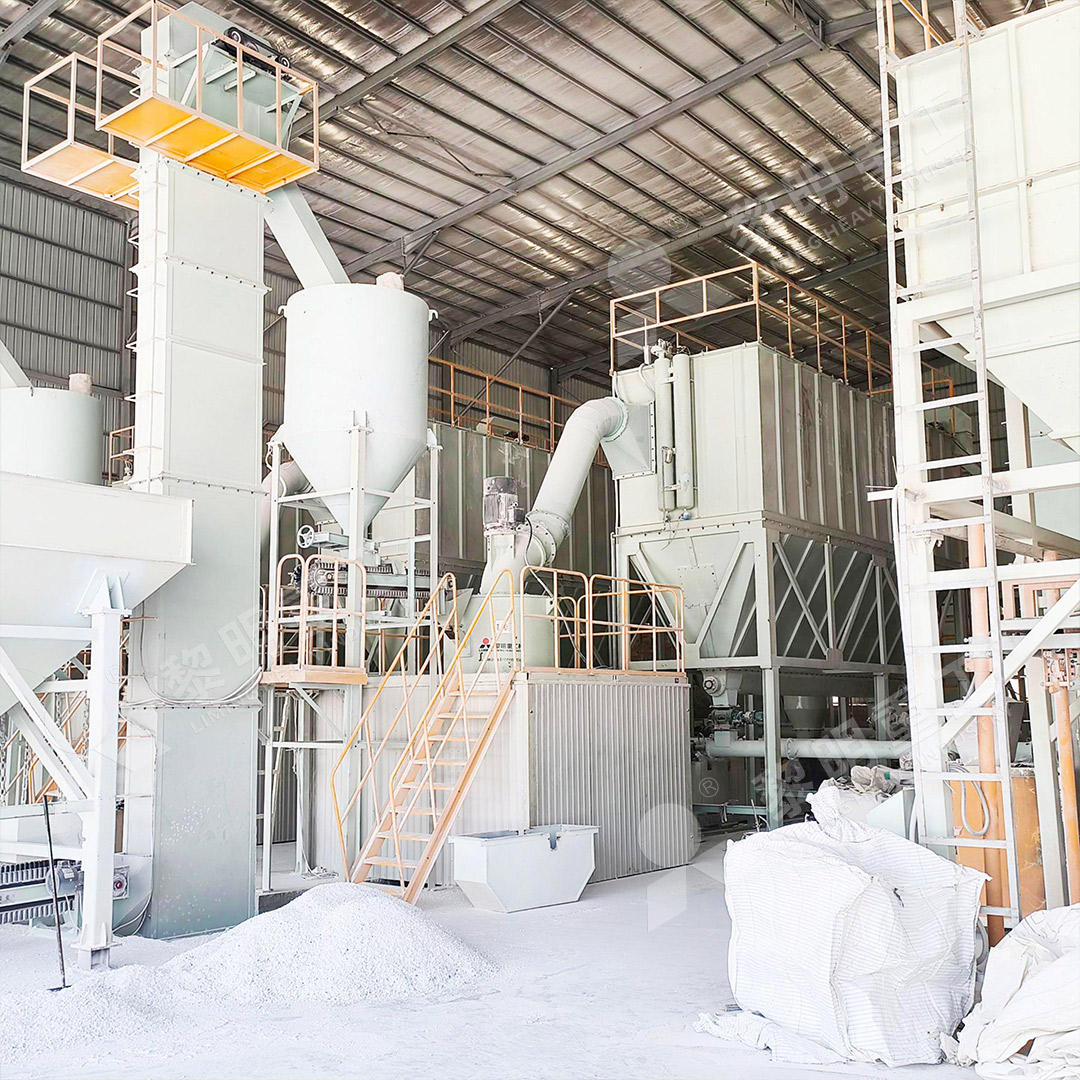
The MW Ultrafine Grinding Mill is engineered for customers who need to make ultra-fine powder efficiently and cleanly. With an input size of 0-20 mm and a capacity range of 0.5-25 tph, it’s incredibly versatile. It’s equipped with an efficient pulse dust collector and muffler, drastically reducing dust and noise pollution, making the entire production process more environmentally friendly—a key advantage in today’s regulated market.
Why Choose the MW Mill Over a Traditional Ball Mill?
- Higher Yielding, Lower Energy Consumption: Its newly designed grinding curves enhance efficiency. Production capacity is 40% higher than jet mills and double that of ball mills, while system energy consumption is only 30% of a jet mill.
- Adjustable Fineness (325-2500 meshes): A German-tech cage-type powder selector allows for precise control over product fineness, achieving a superb d97≤5μm in a single pass.
- Worry-Free Maintenance: A key design advantage is the absence of rolling bearings and screws in the grinding chamber. This eliminates common failure points and allows for external lubrication without shutdown, enabling continuous 24/7 production.
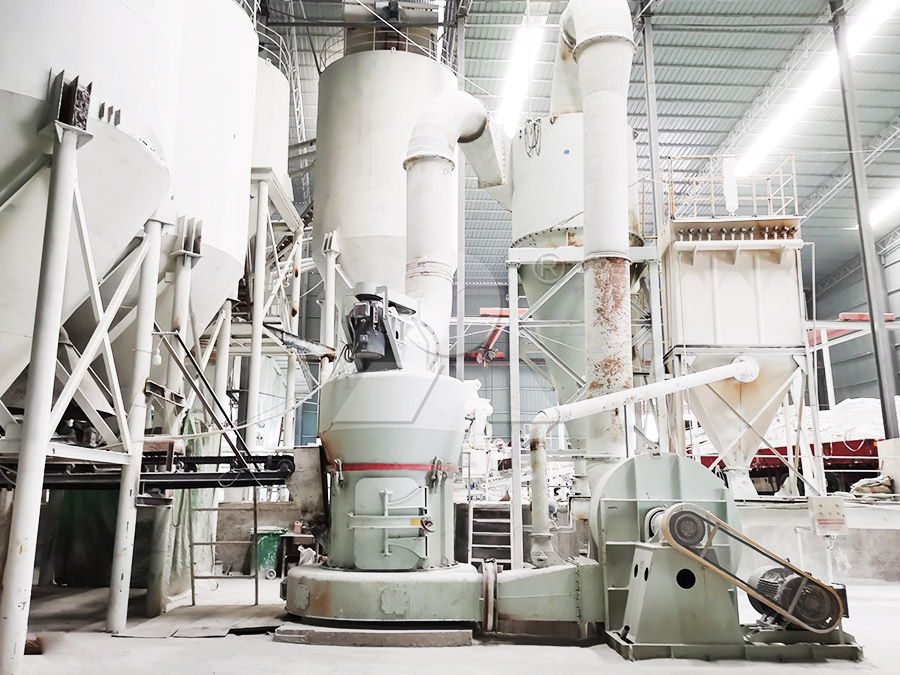
For projects that require vertical integration and handle slightly smaller feed sizes, our LUM Ultrafine Vertical Grinding Mill is another excellent option. It integrates grinding, grading, and transporting with higher yielding rates and more energy-saving multi-head powder separating technology, reducing energy consumption by 30%-50%.
Choosing the Right Supplier in Indonesia
Selecting a reputable supplier is as important as choosing the right equipment. Look for a partner that offers:
- Local technical support and service teams.
- A genuine supply of original spare parts.
- Proven experience with installations in the Indonesian market.
- Comprehensive after-sales service and training.
Conclusion
The Indonesian market offers tremendous opportunities for cement producers. While the ball mill remains a viable option for standard grinding tasks, embracing newer technologies like the MW Ultrafine Grinding Mill can provide a significant competitive edge through drastically lower operating costs, superior product quality, and enhanced environmental performance. Carefully assess your production needs, total cost of ownership, and partner with a supplier who can support your long-term growth in the region.