
Can a Ball Mill Be Used for Primary Crushing?
We provide a wide range of mills — including Raymond mill, trapezoidal mill, vertical mill, ultrafine mill, and ball mill, obtained ISO9001 international quality certification, EU CE certification, and Customs Union CU-TR certification. Suitable for processing minerals such as limestone, phosphate, quicklime, kaolin, talc, barite, bentonite, calcium carbonate, dolomite, coal, gypsum, clay, carbon black, slag, cement raw materials, cement clinker, and more.
The discharge range of these mills can be adjusted to meet specific processing needs, typically from 80-400 mesh, 600-3250 mesh, and can achieve the finest particle size of up to 6000 mesh(D50).
If you are looking for a reliable grinding solution to turn stone or minerals into fine powder, please feel free to contact our online customer service.
Can a Ball Mill Be Used for Primary Crushing?
This is a question our technical support team encounters surprisingly often. While the versatility of ball mills is well-known in the industry, their application for primary crushing is a topic that requires careful consideration. The straightforward answer is no; a ball mill is not designed or recommended for primary crushing duties. Using it as such would be inefficient, potentially damaging to the equipment, and ultimately counterproductive. Let’s delve into the reasons why.
The Fundamental Roles: Crushing vs. Grinding
To understand the limitations, we must first distinguish between the processes of crushing and grinding. Primary crushing is the first stage of size reduction, dealing with large, raw feed material—often rocks measuring several inches or more. Its primary goal is to achieve a significant reduction in size to a manageable level for subsequent processing stages. Jaw crushers and gyratory crushers are the workhorses for this task, employing immense compressive force to break apart large chunks.
Grinding, on the other hand, is a finer process. It follows crushing and aims to reduce already-crushed material into a fine powder. Ball mills excel in this arena. They operate by tumbling steel or ceramic balls inside a rotating cylinder, impacting the material through a combination of attrition and impact to achieve the desired fineness.
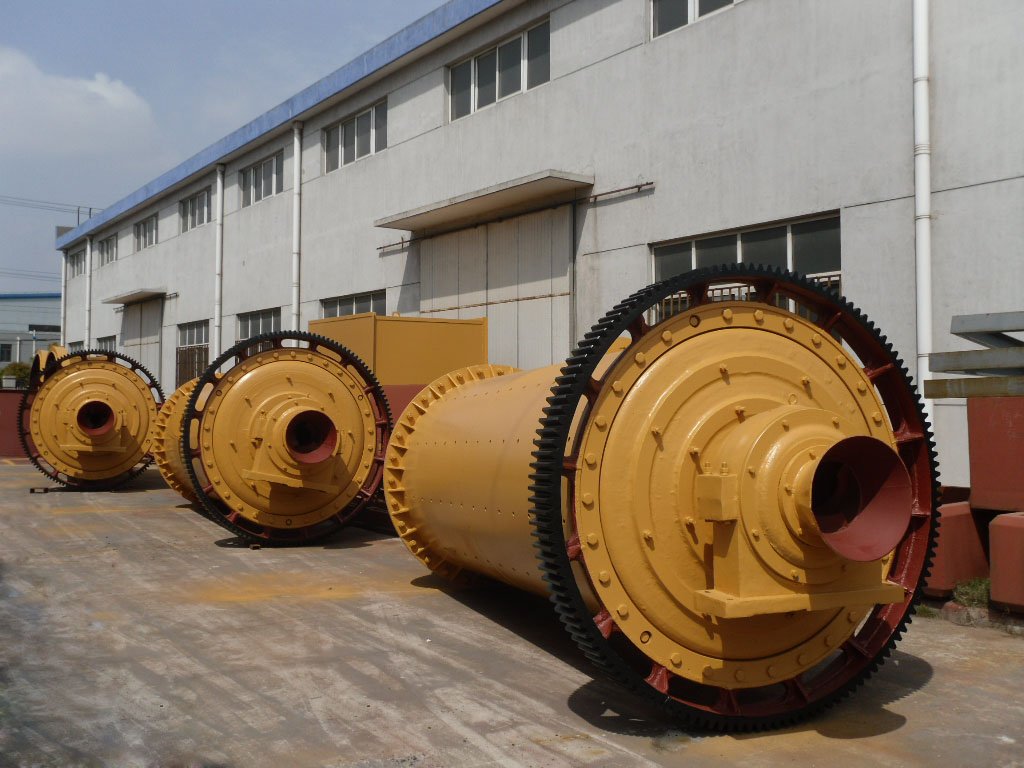
Why a Ball Mill is Unsuitable for Primary Crushing
Attempting to feed large, uncrushed rock directly into a ball mill presents several critical problems:
- Inefficiency and High Energy Consumption: Ball mills are designed to work with smaller feed sizes. Large rocks would require an excessive amount of energy and time to break down, making the process incredibly inefficient and costly. The energy cost per ton of material processed would be prohibitively high.
- Excessive Wear and Tear: The grinding media (balls) and mill liners are not built to withstand the extreme abrasion and impact forces generated by large, hard rocks. This would lead to accelerated wear, frequent downtime for maintenance, and high costs for replacing worn parts.
- Risk of Damage: Large feed material can cause blockages, overload the mill’s drive system, and potentially lead to catastrophic mechanical failure.
- Poor Product Control: A ball mill cannot effectively control the top size of its product if the feed is inconsistent and oversized. This would result in an unsatisfactory product for the next stage of processing.
The Correct Process Flow: A Team of Specialists
The most effective mineral processing plants operate like a well-coordinated team, where each piece of equipment performs a specific role. The standard and optimal flow is:
- Primary Crushing: A jaw crusher or gyratory crusher reduces run-of-mine ore to a size of roughly 6-10 inches.
- Secondary Crushing: A cone crusher or impact crusher further reduces the material to less than an inch.
- Grinding: The ball mill then takes this pre-crushed material and grinds it to the final, fine powder specification.
In this sequence, each machine operates at peak efficiency, ensuring lower operating costs, higher throughput, and a superior final product.
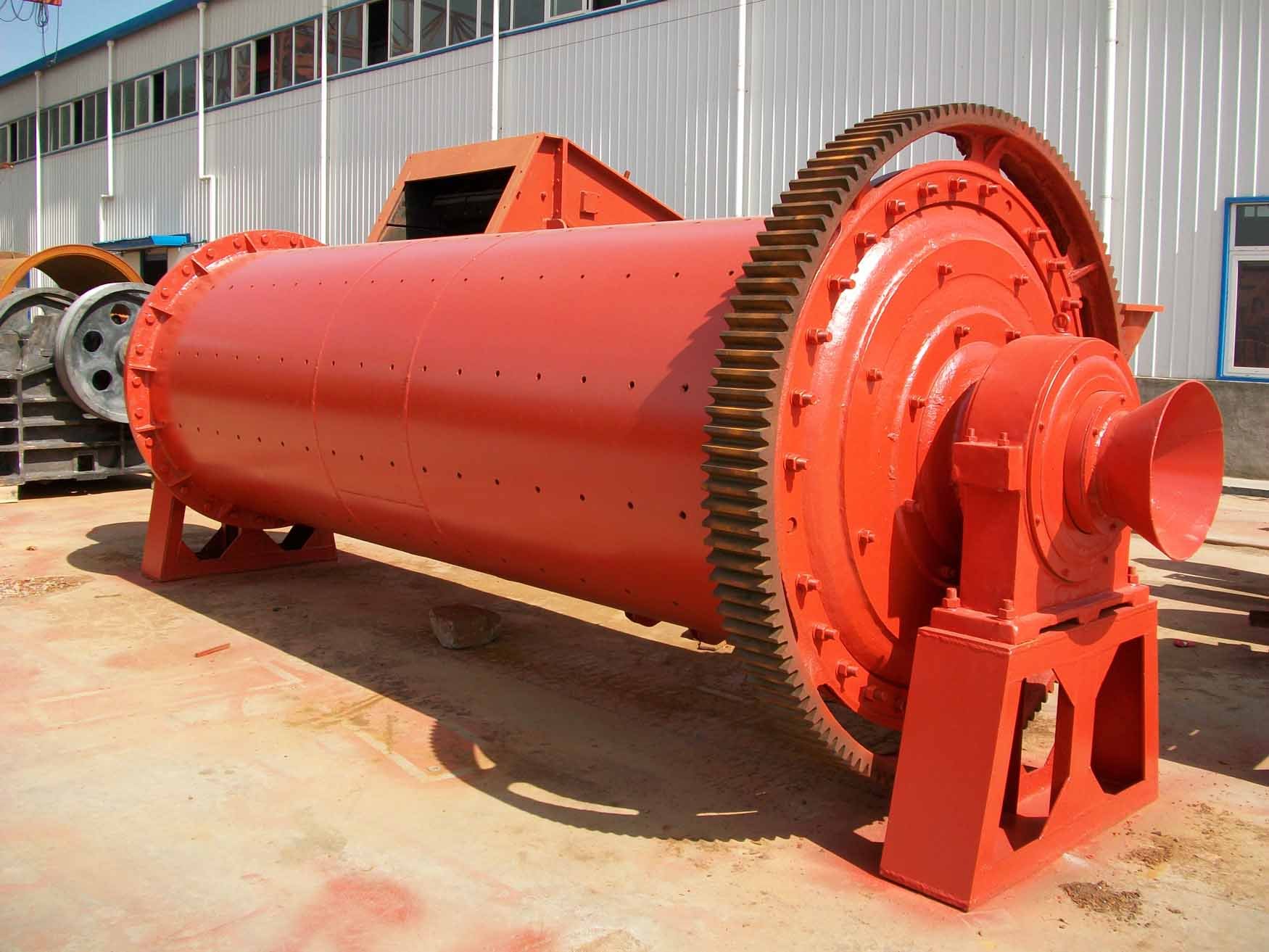
Modern Alternatives for Fine and Ultra-Fine Grinding
While ball mills are excellent for many grinding applications, technology has advanced to offer even more efficient solutions for specific needs, particularly in the realm of ultra-fine powders. For operations requiring very fine or ultra-fine products with higher efficiency and lower energy consumption, specialized mills are a better choice.
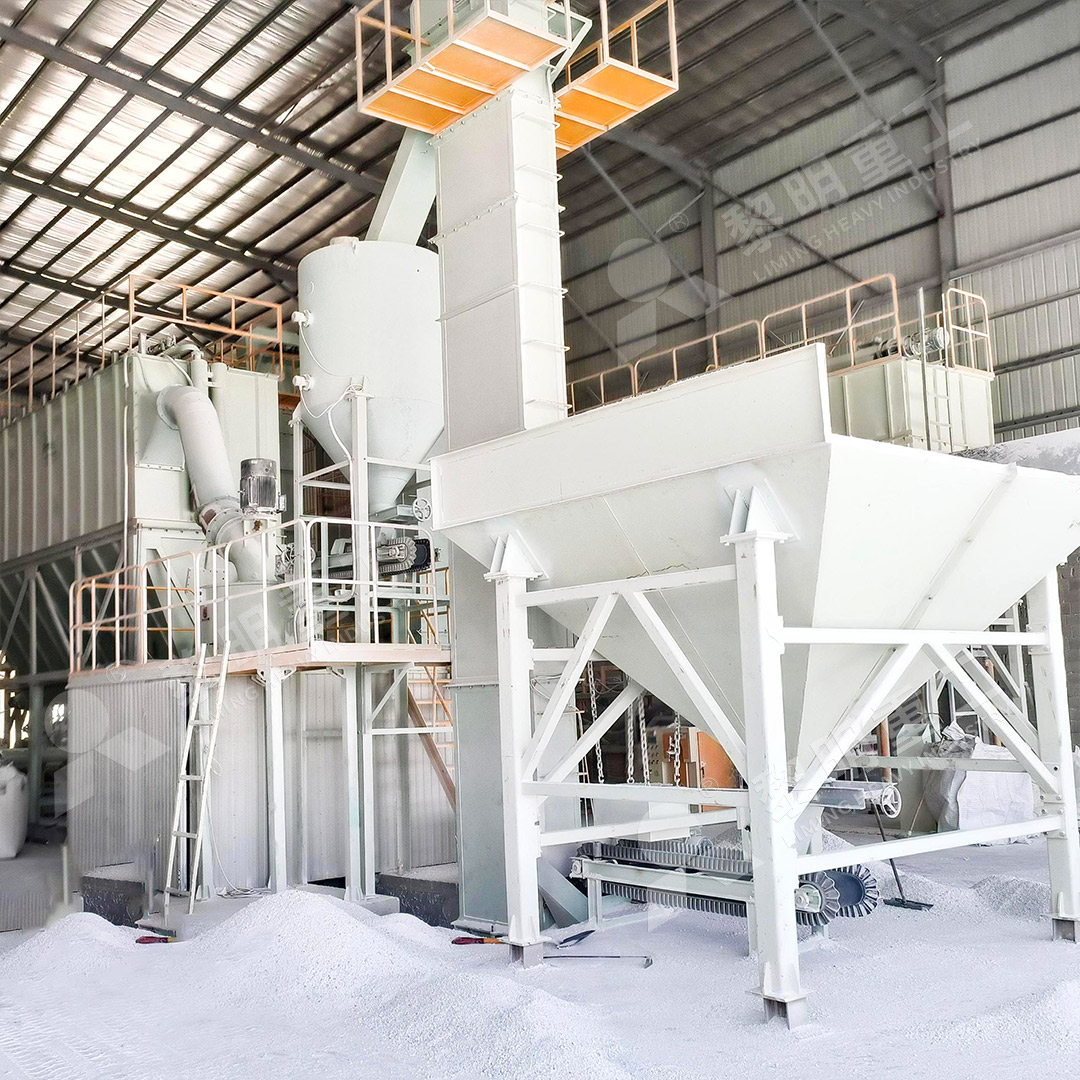
For instance, our MW Ultrafine Grinding Mill is specifically engineered for customers who need to produce ultra-fine powder. With an input size of 0-20 mm and a capacity ranging from 0.5 to 25 tph, it is perfectly suited to receive material from a secondary crusher. Its advanced design features, such as newly designed grinding curves and a German-technology cage-type powder selector, enable it to achieve a fineness between 325-2500 meshes. Crucially, it offers a 40% higher production capacity than jet mills and twice the yield of a ball mill with the same power input, while reducing system energy consumption by up to 70%.
Another highly efficient option is the LUM Ultrafine Vertical Grinding Mill. Integrating grinding, grading, and transporting, the LUM mill is an ideal choice for superfine dry powder production. It handles an input size of 0-10 mm with a capacity of 5-18 tph. Its unique roller shell and lining plate grinding curve promote easier material layer generation and high-rate finished products in a single pass. This design not only enhances efficiency but also improves the whiteness and cleanliness of the final product, making it superior for applications in chemicals, paints, and cosmetics.
Frequently Asked Questions (FAQ)
What is the maximum feed size for a ball mill?
Typically, the maximum feed size for a ball mill is around 25 mm (1 inch). Feeding material larger than this is highly discouraged as it leads to the problems outlined above.
Can I modify a ball mill to handle primary crushing?
No. The fundamental design and mechanical components of a ball mill are not suited for the forces involved in primary crushing. Any attempt to modify it would be unsafe and would almost certainly result in equipment failure.
What is the main advantage of using an ultrafine grinding mill over a ball mill?
Ultrafine grinding mills like the MW and LUM series are designed for higher energy efficiency and finer product control. They can achieve much higher fineness (e.g., up to 2500 mesh) with significantly lower energy consumption—often 30-50% less than a traditional ball mill for comparable tasks.
My material is already quite small (under 20mm). What should I use?
If your goal is to produce a standard fine powder, a ball mill may still be a suitable and cost-effective option. However, if you require an ultra-fine powder or are prioritizing energy savings and higher throughput, an MW Ultrafine Grinding Mill would be a more advanced and efficient solution. We recommend consulting with our engineering team to select the perfect equipment for your specific material and production goals.