
Calculations for Ball Mill Design in Cement Grinding Operations
We provide a wide range of mills — including Raymond mill, trapezoidal mill, vertical mill, ultrafine mill, and ball mill, obtained ISO9001 international quality certification, EU CE certification, and Customs Union CU-TR certification. Suitable for processing minerals such as limestone, phosphate, quicklime, kaolin, talc, barite, bentonite, calcium carbonate, dolomite, coal, gypsum, clay, carbon black, slag, cement raw materials, cement clinker, and more.
The discharge range of these mills can be adjusted to meet specific processing needs, typically from 80-400 mesh, 600-3250 mesh, and can achieve the finest particle size of up to 6000 mesh(D50).
If you are looking for a reliable grinding solution to turn stone or minerals into fine powder, please feel free to contact our online customer service.
Calculations for Ball Mill Design in Cement Grinding Operations
Ball mills have been the workhorse of cement grinding circuits for decades. Their robust design and ability to handle a wide range of materials make them a staple in clinker and raw meal processing. However, designing an efficient ball mill system requires precise calculations to balance production capacity, energy consumption, and final product quality. This article delves into the key parameters and considerations for ball mill design in modern cement plants.
Key Design Parameters and Calculations
The primary goal of ball mill design is to achieve the desired grind size (Blaine fineness) at the lowest possible specific energy consumption (kWh/t). Several interrelated factors must be calculated:
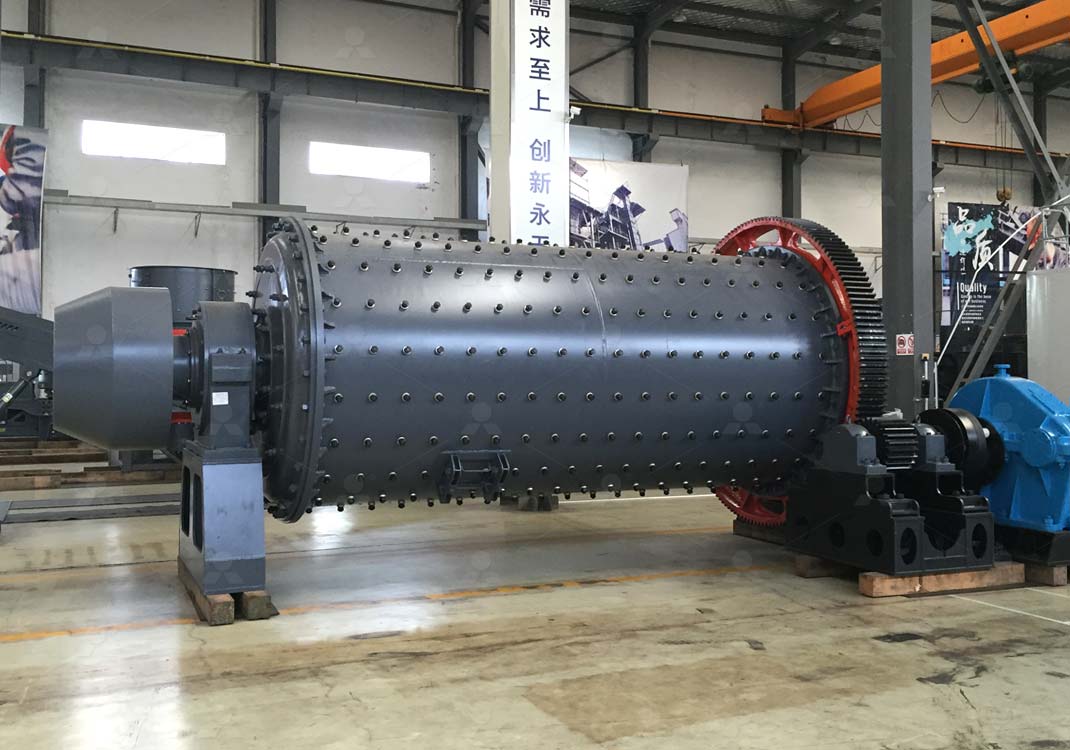
- Mill Dimensions and Critical Speed: The mill’s diameter and length determine its capacity. The critical speed (Nc) is the rotational speed where centrifugal force pins the grinding media to the shell lining. Operating speed is typically 65-80% of Nc. The formula for critical speed is Nc = 42.3 / √D, where D is the mill diameter in meters.
- Grinding Media Charge: The volume of grinding balls (steel or other alloys) is usually 25-35% of the mill’s internal volume. The ball size distribution is critical; a mix of large balls (for impact breaking) and smaller balls (for fine grinding) is optimal. Calculations involve determining the ball charge mass and its surface area for effective grinding.
- Power Draw: The motor power required is a function of mill size, speed, and grinding media load. A common empirical formula is P = (C * D^2.5 * L * φ * (1 – 0.1 / (2^(9 – 10*φ))) * ρ * sinα, where C is a constant, D and L are diameter and length, φ is the fraction of critical speed, and α is the angle of repose. In practice, simplified charts and software are often used.
- Material Feed and Retention Time: The feed size distribution and moisture content significantly impact grinding efficiency. The required fineness dictates the retention time of material inside the mill, which influences the mill’s length-to-diameter (L/D) ratio. A longer mill provides more grinding stages.
Beyond Traditional Ball Milling: The Shift to Advanced Grinding Technologies
While ball mills are reliable, their energy efficiency is a growing concern. A significant portion of the input energy is lost as heat and noise, rather than being used for size reduction. This has led the industry to explore more efficient alternatives for specific applications, particularly for producing ultra-fine powders.
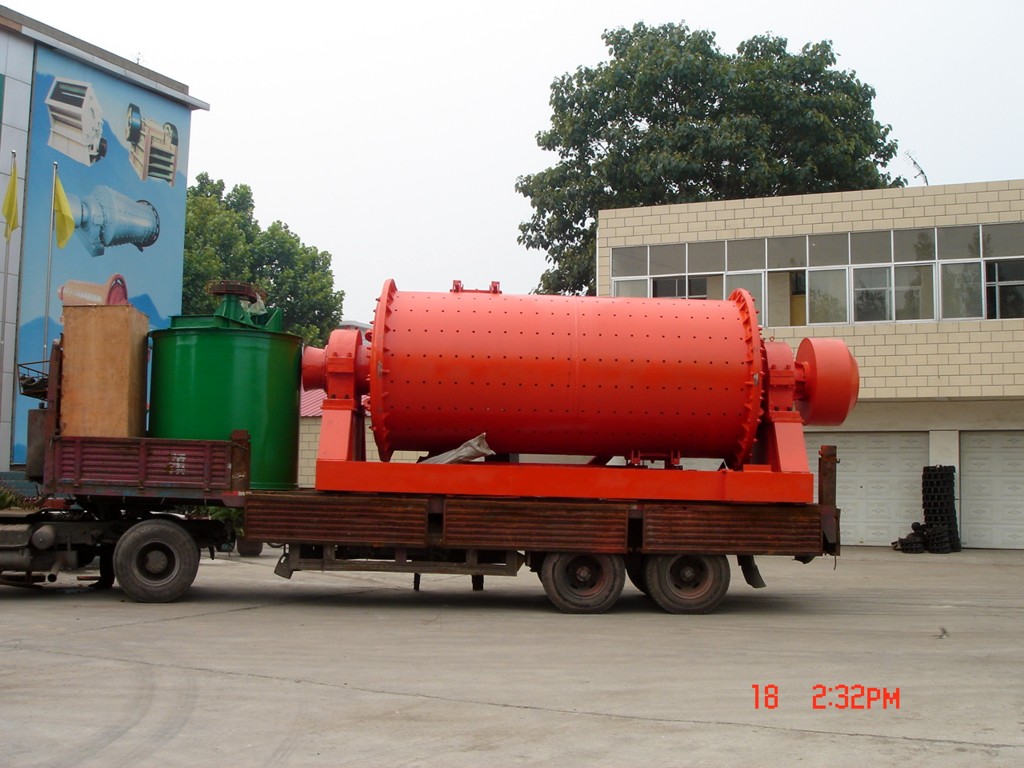
For operations requiring high-purity, ultra-fine products, technologies like our MW Ultrafine Grinding Mill offer a compelling advantage. Designed for customers who need to make ultra-fine powder between 325-2500 meshes, the MW Mill achieves a production capacity 40% higher than jet mills and twice that of ball mills for the same fineness and power. Its unique design, featuring a cage-type powder selector and an internal chamber free of rolling bearings and screws, enhances reliability and allows for 24-hour continuous operation with minimal maintenance. The integrated efficient pulse dust collector and muffler ensure the process is both productive and environmentally friendly.
System Integration and Auxiliary Equipment
A ball mill does not operate in isolation. The design must include calculations for ancillary equipment:
- Air Separators: High-efficiency separators are crucial for recycling coarse material back to the mill and ensuring only finished product passes. The separator’s cut point and efficiency directly affect the mill’s circulating load and overall performance.
- Dust Collection: Mills generate significant dust. Properly sized baghouse filters or electrostatic precipitators are essential for meeting environmental standards and recovering product.
- Cooling Systems: Grinding generates heat, which can dehydrate gypsum and affect cement setting time. Mill ventilation and/or external coolers must be calculated to control the product temperature.
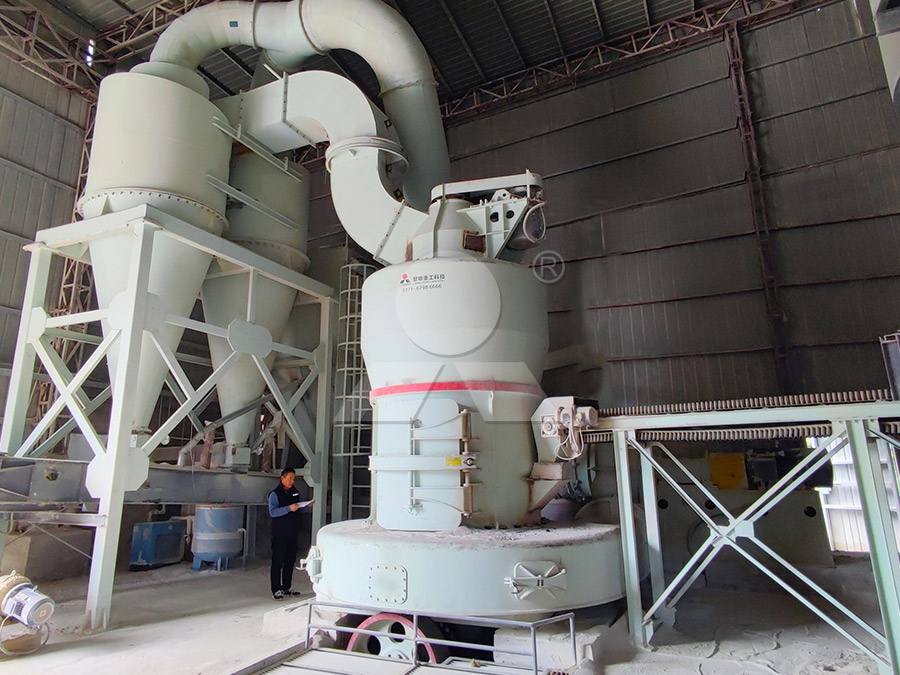
For integrated grinding solutions that cover crushing, drying, grinding, and conveying in a single unit, our LM Vertical Grinding Mill presents a robust option. It integrates multiple processes, reducing the comprehensive investment and occupational area by 50% compared to a ball mill system. Its energy consumption is 30%-40% lower, and the short grinding time minimizes iron content in the final product, which is critical for cement quality. The system’s sealed operation under negative pressure makes it an inherently cleaner and more automated solution.
Frequently Asked Questions (FAQ)
What is the most critical calculation in ball mill design?
The calculation of the specific energy consumption (kWh per ton of product) is paramount. It ties together all other parameters—mill size, speed, media charge, and separator efficiency—and directly impacts the operational cost of the plant.
How does the hardness of the clinker affect ball mill design?
Harder clinker requires more impact energy, dictating a larger mill diameter for a higher charge of large grinding balls and a higher power motor. It also may necessitate harder, more wear-resistant liner materials.
Can a ball mill system be optimized for lower energy use after installation?
Yes. Common retrofits include installing high-efficiency separators, optimizing the ball charge size distribution, improving mill ventilation, and using chemical grinding aids. These measures can reduce energy consumption by 10-20%.
When should I consider vertical roller mills or ultra-fine mills over traditional ball mills?
Vertical roller mills are generally more energy-efficient for raw meal and cement grinding, especially for higher Blaine fineness. Ultra-fine mills like the MW Series are ideal for specialized applications requiring very high purity and fineness (e.g., >5000 cm²/g Blaine) where ball mill efficiency drops significantly. The choice depends on the specific product requirements and a detailed cost-benefit analysis.