
Calculation of Cement Mill Output and Production Capacity
We provide a wide range of mills — including Raymond mill, trapezoidal mill, vertical mill, ultrafine mill, and ball mill, obtained ISO9001 international quality certification, EU CE certification, and Customs Union CU-TR certification. Suitable for processing minerals such as limestone, phosphate, quicklime, kaolin, talc, barite, bentonite, calcium carbonate, dolomite, coal, gypsum, clay, carbon black, slag, cement raw materials, cement clinker, and more.
The discharge range of these mills can be adjusted to meet specific processing needs, typically from 80-400 mesh, 600-3250 mesh, and can achieve the finest particle size of up to 6000 mesh(D50).
If you are looking for a reliable grinding solution to turn stone or minerals into fine powder, please feel free to contact our online customer service.
Calculation of Cement Mill Output and Production Capacity
In the cement manufacturing industry, accurately calculating mill output and production capacity is fundamental to operational efficiency, cost control, and meeting market demand. A thorough understanding of the factors influencing these calculations allows plant managers to optimize processes, reduce energy consumption, and maximize profitability. This article delves into the key considerations and methodologies for determining the productive potential of your grinding circuits.
Key Factors Influencing Mill Capacity
The theoretical production capacity of a cement mill is not a fixed number; it is a variable influenced by a complex interplay of several factors. Primarily, the feed material characteristics play a crucial role. This includes the hardness (often measured by grindability indices like Bond Work Index), moisture content, initial feed size, and chemical composition. Harder materials like clinker require more energy to grind, directly reducing throughput for a given power input.
Secondly, the desired product fineness is a major determinant. Achieving a finer product (e.g., a higher Blaine surface area) necessitates a longer residence time of the material inside the mill and greater specific energy consumption, thereby reducing the hourly output. The relationship between fineness and capacity is often inversely proportional.
Other critical factors include the mill’s mechanical design and condition (e.g., liner profile, grinding media charge and size distribution for ball mills), system ventilation (which cools the process and removes fine particles), and the efficiency of the classification system (e.g., separators). An inefficient separator allows coarse particles to circulate back unnecessarily, overloading the mill and wasting energy.
Modern Solutions for Enhanced Grinding Efficiency
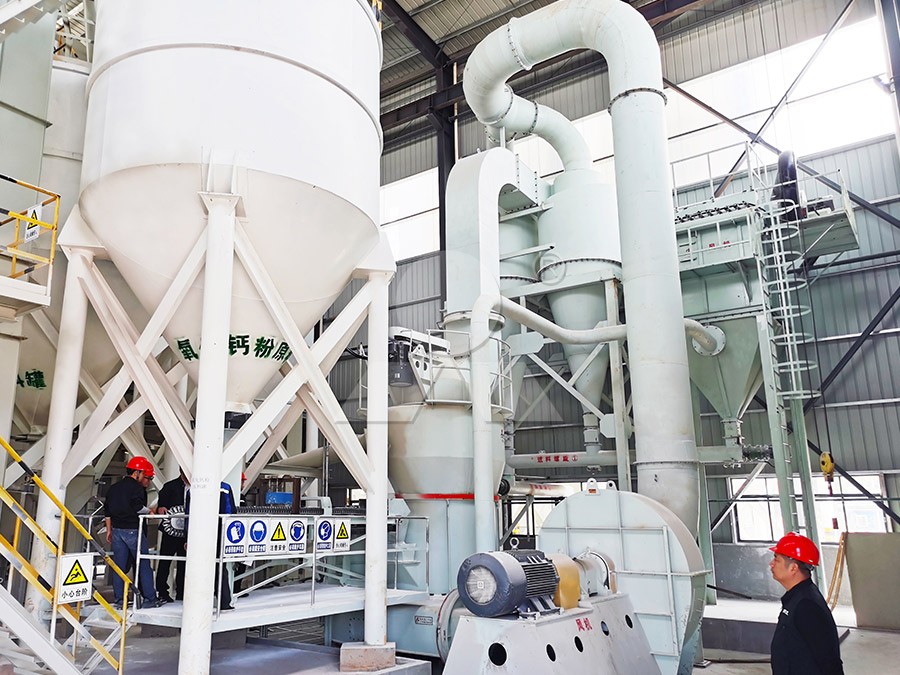
While traditional ball mills have been the workhorses of the industry for decades, technological advancements have introduced more efficient grinding solutions. For operations requiring ultra-fine powders or seeking significant energy savings, advanced vertical roller mills and specialized ultrafine grinders offer superior performance.
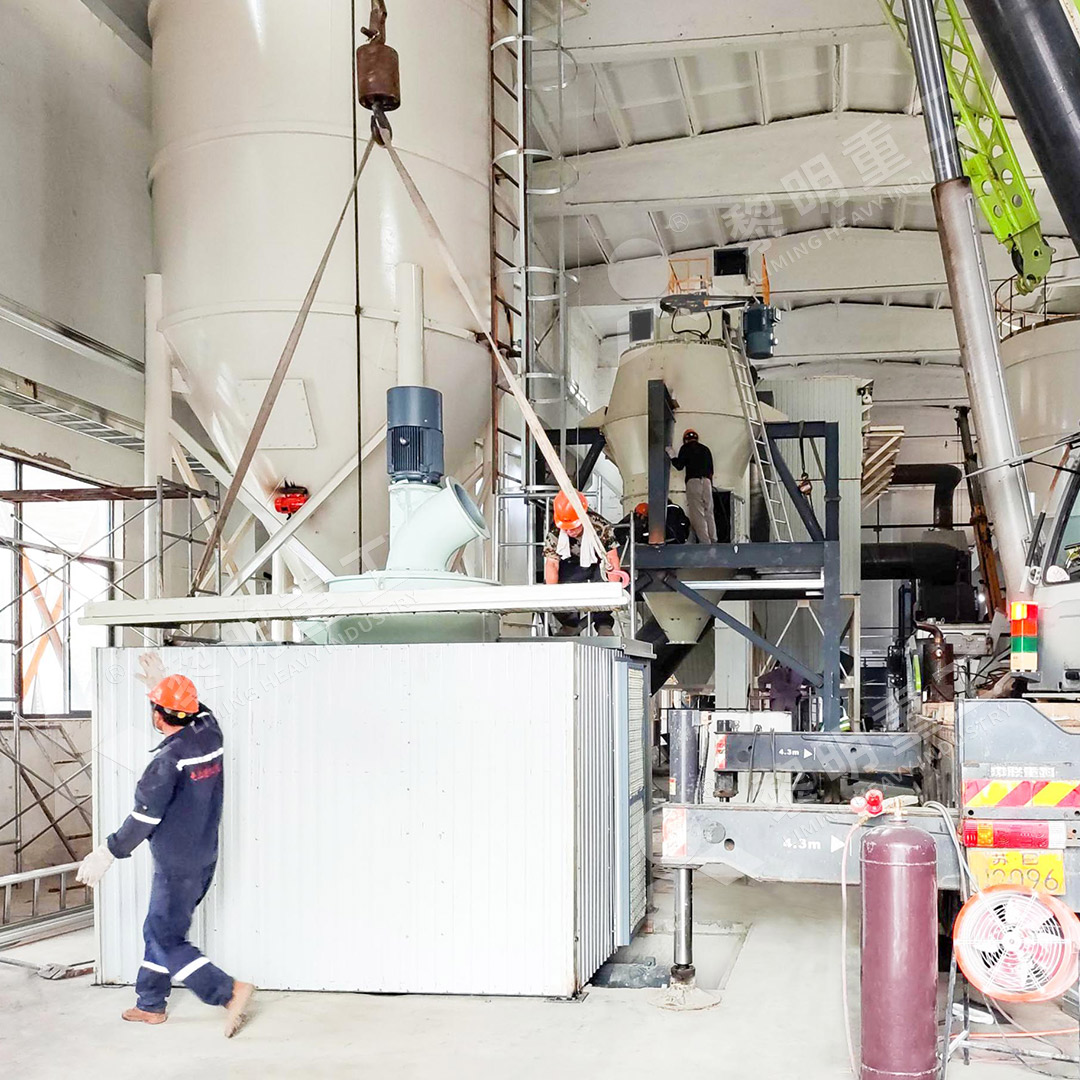
A standout solution in this domain is our MW Ultrafine Grinding Mill. This machine is engineered for customers who need to produce high-quality ultra-fine powder efficiently. With an input size of 0-20 mm and a capacity range of 0.5-25 tph, it is remarkably versatile. Its design incorporates an efficient pulse dust collector and muffler, significantly reducing dust and noise pollution, making the entire production process more environmentally friendly. A key advantage is its innovative design that eliminates rolling bearings and screws in the grinding chamber, virtually eradicating concerns about bearing damage or machine failure from loose screws. Furthermore, its cage-type powder selector allows for precise fineness adjustment between 325-2500 meshes, ensuring you get the exact product specification you need with a high sieving rate of d97≤5μm in a single pass.
Basic Calculation Principles
At its core, the output calculation can be approached through the specific energy consumption (SEC) of the mill. The SEC, usually expressed in kWh/t, represents the energy required to grind one ton of material to a specific fineness. It is influenced by all the factors mentioned previously.
The basic formula for estimating output is:
Production Output (t/h) = Mill Motor Power (kW) / Specific Energy Consumption (kWh/t)
For example, if a mill has a 3500 kW motor and the specific energy consumption for the given material and fineness is 35 kWh/t, the estimated output would be 100 t/h. It is crucial to use an accurate SEC value derived from pilot testing, historical plant data, or reliable software simulations, as this number varies widely.
Another critical calculation involves the circulating load, which is the ratio of the amount of material returned to the mill feed by the separator to the amount of finished product. An optimal circulating load (typically 100-250% for ball mills) ensures efficient grinding without overloading the system. Monitoring and controlling this load is essential for maximizing capacity.
Optimizing for Maximum Throughput
Beyond calculation, achieving maximum capacity is an ongoing process of optimization. This involves regular maintenance to ensure mill internals and classifiers are in good condition, optimizing the grinding media charge, and controlling the mill feed rate to avoid overfilling or underfilling. Utilizing advanced process control (APC) systems can automate much of this optimization, responding in real-time to changes in feed material and operating conditions to keep the mill running at its peak performance.
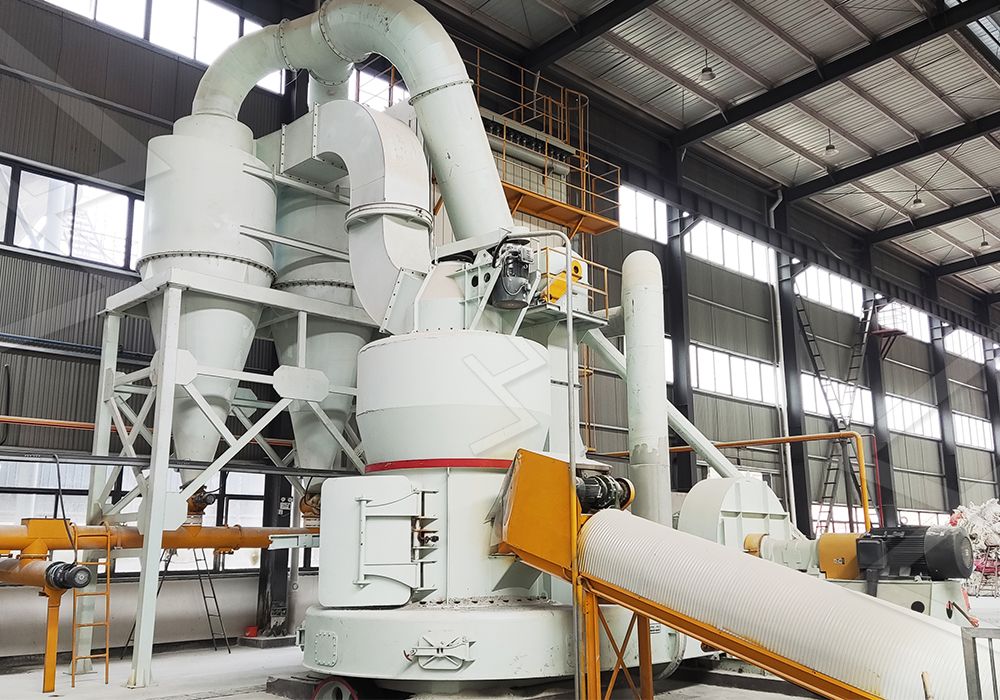
For those looking to upgrade their grinding circuit, considering a mill like the LUM Ultrafine Vertical Grinding Mill can be a game-changer. Independently designed with the latest roller and powder separating technology, it integrates grinding, grading, and transporting. It features a unique roller shell and lining plate grinding curve for a higher yielding rate and better product quality, while its multi-head powder separating technology reduces energy consumption by 30%-50% compared to common grinding mills. Its reversible structure also makes maintenance quicker and easier, minimizing costly downtime.
In conclusion, accurately calculating and ultimately maximizing cement mill output requires a deep understanding of material properties, mill mechanics, and classification efficiency. By leveraging modern equipment like the MW and LUM mills and employing sound calculation principles and process control, producers can significantly enhance their production capacity and operational efficiency.