
Calcium Feldspar European Version Grinding Mill Equipment Guide
We provide a wide range of mills — including Raymond mill, trapezoidal mill, vertical mill, ultrafine mill, and ball mill, obtained ISO9001 international quality certification, EU CE certification, and Customs Union CU-TR certification. Suitable for processing minerals such as limestone, phosphate, quicklime, kaolin, talc, barite, bentonite, calcium carbonate, dolomite, coal, gypsum, clay, carbon black, slag, cement raw materials, cement clinker, and more.
The discharge range of these mills can be adjusted to meet specific processing needs, typically from 80-400 mesh, 600-3250 mesh, and can achieve the finest particle size of up to 6000 mesh(D50).
If you are looking for a reliable grinding solution to turn stone or minerals into fine powder, please feel free to contact our online customer service.
Calcium Feldspar European Version Grinding Mill Equipment Guide
Calcium feldspar, a crucial industrial mineral primarily composed of anorthite (CaAl2Si2O8), is extensively used in ceramics, glassmaking, paints, and plastics. Its value is directly tied to its purity and fineness, making the selection of grinding equipment a pivotal decision for processors. The European-style grinding mill, renowned for its robust construction, energy efficiency, and precise particle size control, has become a benchmark in modern mineral processing. This guide explores the key considerations for grinding calcium feldspar and highlights advanced solutions that meet the rigorous demands of today’s industry.
Key Challenges in Calcium Feldspar Grinding
Processing calcium feldspar presents specific challenges. Its moderate hardness (around 6 on the Mohs scale) requires a balanced approach—equipment must be durable enough to handle the abrasive nature of the mineral without introducing excessive iron contamination, which can degrade the product’s whiteness and chemical purity. Furthermore, achieving a consistent, ultra-fine powder (often required in the 325 to 2500 mesh range) demands advanced classification technology integrated with the grinding mechanism. Energy consumption, operational stability, and environmental compliance are no longer secondary concerns but primary factors in equipment selection and total cost of ownership.
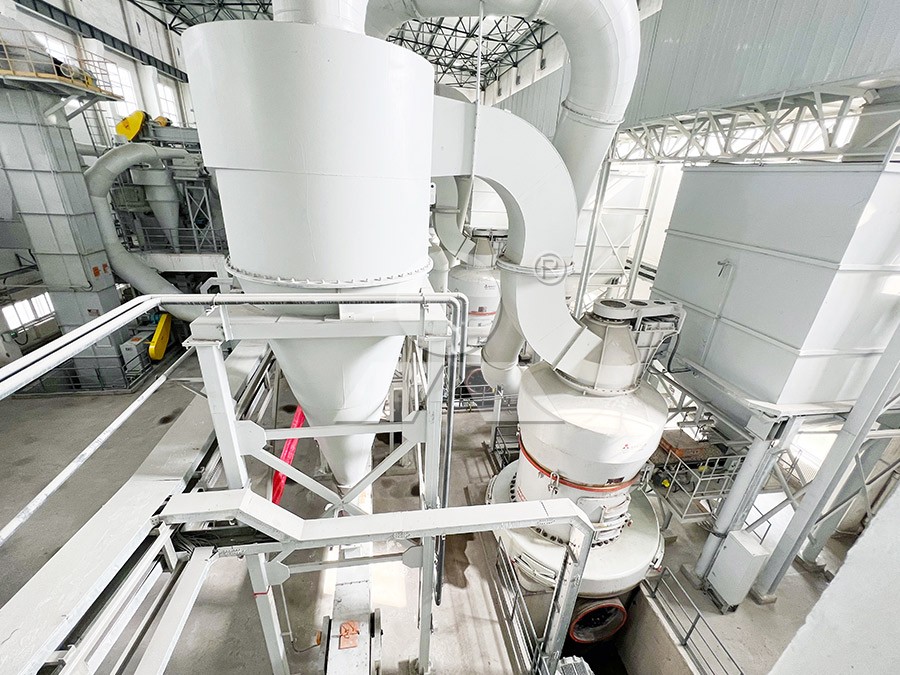
The European Engineering Philosophy: Efficiency and Precision
European-derived mill designs emphasize a holistic system approach. Key characteristics include:
- Integrated Grinding and Classification: Combining grinding rollers/rings with high-efficiency, cage-type powder selectors within a single housing ensures a closed-loop process that enhances yield and fineness control.
- Advanced Drive and Lubrication: Bevel gear overall drives and external dilute oil lubrication systems reduce internal friction, lower maintenance frequency, and improve operational reliability.
- Environmental Stewardship: Built-in pulse jet dust collectors and silencer systems ensure the entire milling process meets strict environmental standards for dust and noise emissions.
- Digital Manufacturing: Core components are machined with high-precision CNC equipment, guaranteeing the dimensional accuracy and longevity critical for consistent performance.
Recommended Solution for High-Precision Ultrafine Grinding
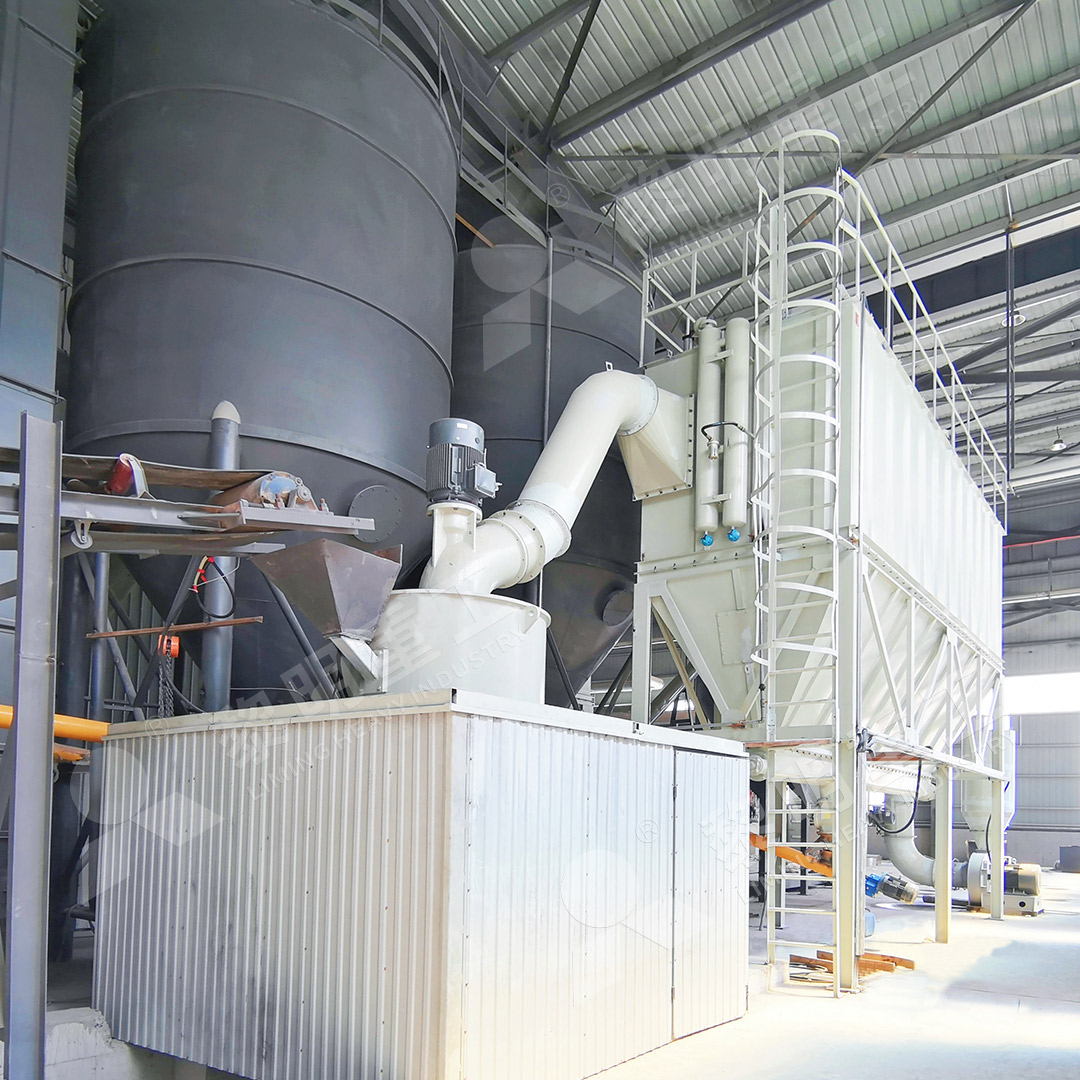
For operations targeting the high-value, ultrafine powder market (325-2500 mesh), a specialized mill is essential. The MW Ultrafine Grinding Mill is engineered precisely for this demanding application. It is designed for customers who need to make ultra-fine powder from minerals like calcium feldspar. With an input size of 0-20 mm and a capacity range of 0.5-25 tph, it offers remarkable flexibility.
Its standout feature is the German-technology, cage-type powder selector, which allows precise fineness adjustment between 325 and 2500 meshes, achieving a screening rate of d97≤5μm in a single pass. The grinding chamber is ingeniously designed without rolling bearings or screws, eliminating common failure points and concerns about loose parts causing damage. Furthermore, its efficient pulse dust collector and muffler ensure the production process is clean and quiet, with minimal environmental impact. The design offers higher yield and lower energy consumption—production capacity can be 40% higher than jet mills with system energy consumption only 30% of comparable systems.
A Robust Alternative for High-Capacity Processing
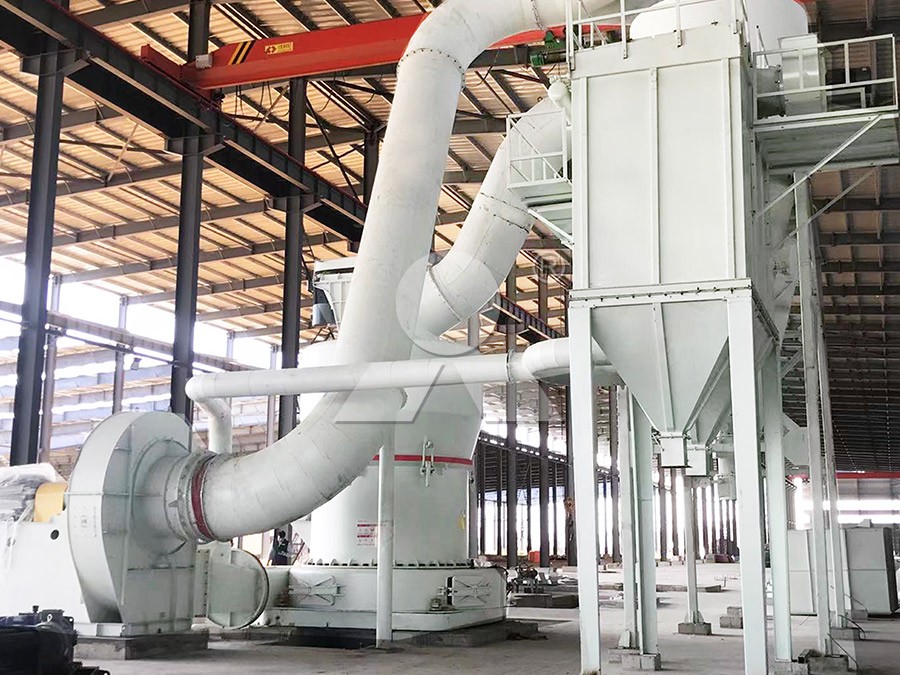
When project parameters call for high-volume processing with excellent product quality, the MTW-Z European Trapezium Mill presents a formidable option. This mill builds upon the proven European trapezium design with significant upgrades. It handles input sizes up to 50 mm with capacities from 3 to 55 tph, making it suitable for larger-scale feldspar processing plants.
The MTW-Z incorporates several innovative features that directly address operational pain points. Its grinding rollers use a maintenance-free dilute oil lubrication system, drastically reducing downtime and lubrication costs. The removal of the traditional shovel blade cylinder increases the ventilation area, reducing air-conveying resistance and improving overall grinding efficiency. For stability, an elastic volute damping structure protects the mill from vibrational damage, ensuring consistent operation and product quality. Its low-resistance hanging cage-type powder concentrator further contributes to lower energy consumption while maintaining high output.
Making the Right Choice for Your Operation
Selecting the ideal mill hinges on a clear analysis of your production goals. Consider the following:
- Target Fineness & Output: Define your required powder size distribution and hourly capacity. Ultrafine projects (e.g., for high-grade ceramics) lean towards the MW series, while general high-capacity powder production is well-served by the MTW-Z or similar trapezium mills.
- Total Operational Cost: Evaluate energy consumption metrics, wear part longevity, and maintenance schedules. Mills with external lubrication and no internal bearings typically offer lower lifetime costs.
- Plant Footprint & Integration: Consider the system’s layout. Modern European-style mills often have a compact, vertical design that saves significant floor space compared to traditional ball mill circuits.
- Supplier Support: Choose a manufacturer that guarantees the supply of original spare parts and provides comprehensive technical support to ensure worry-free, long-term operation.
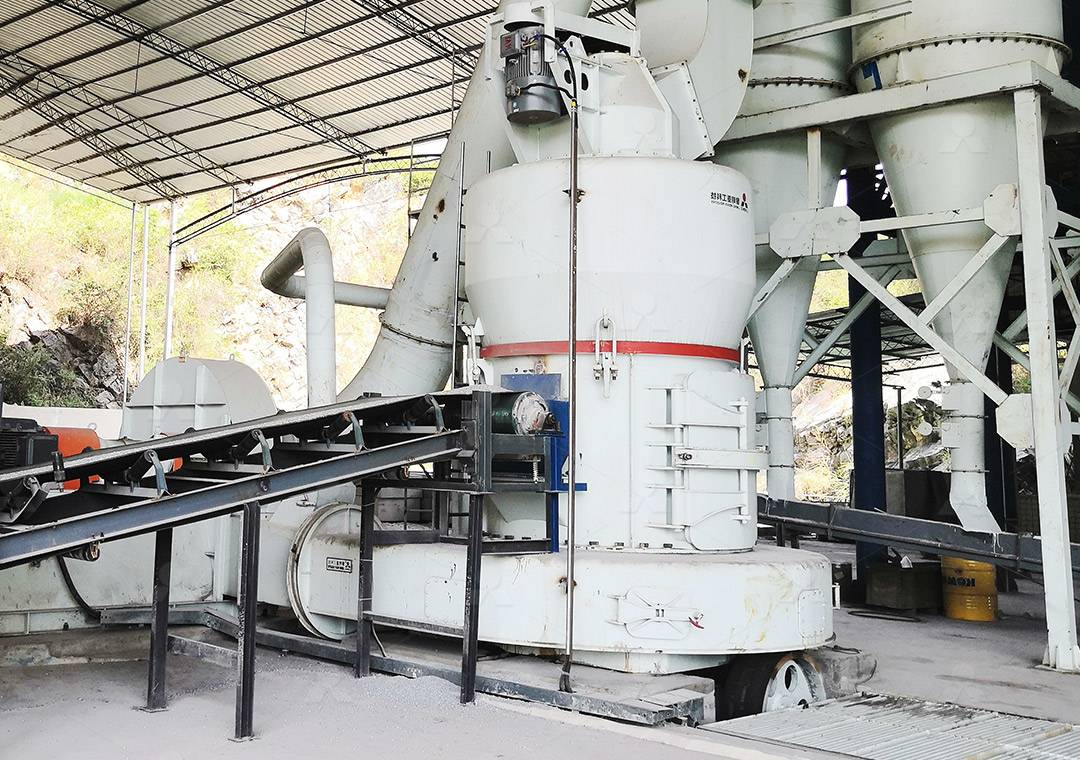
In conclusion, processing calcium feldspar to its highest potential requires more than just a grinder; it requires a sophisticated processing system. By leveraging the engineering principles embodied in modern European version grinding mills—such as the precision-focused MW Ultrafine Grinding Mill or the robust, high-efficiency MTW-Z European Trapezium Mill—producers can achieve superior product quality, operational economy, and sustainable production practices, securing a competitive edge in the global market.
Frequently Asked Questions (FAQ)
- What is the primary advantage of a European-style grinding mill for calcium feldspar?
The primary advantage lies in its integrated design, which combines efficient grinding, precise internal classification, and environmental controls into a single, energy-efficient system. This results in higher yield of in-spec powder, lower iron contamination, and full compliance with industrial environmental standards. - How does the MW Ultrafine Grinding Mill prevent iron contamination in the final feldspar powder?
The MW mill’s grinding chamber is designed without rolling bearings or screws internally. This eliminates two major potential sources of mechanical wear and iron introduction. Additionally, the use of wear-resistant alloys for grinding components minimizes abrasion, further protecting product purity. - Can the fineness of the final product be adjusted during operation on these mills?
Yes. Both the MW and MTW-Z mills feature advanced, adjustable cage-type powder selectors. By changing the speed of the classifier rotor, operators can accurately and quickly adjust the fineness of the output without stopping the mill, allowing for flexible production to meet different customer specifications. - What makes the dilute oil lubrication system in the MTW-Z mill superior to traditional grease lubrication?
The dilute oil system provides continuous, uniform lubrication and cooling to the grinding roller bearings. It is a sealed, maintenance-free system that does not require frequent manual greasing, reduces friction and heat buildup more effectively, and extends bearing life, leading to less downtime and lower maintenance costs. - Are these milling systems suitable for non-stop, 24/7 operation?
Absolutely. They are engineered for continuous industrial duty. Features like external lubrication systems (allowing lubrication without shutdown), robust mechanical construction, and stable drive systems are specifically designed to support around-the-clock production with high reliability. - How is dust control managed within these grinding systems?
Each system is equipped with a high-efficiency pulse jet dust collector. The entire milling circuit operates under negative pressure, ensuring that any airborne particles are drawn into the filtration system and collected, resulting in a clean working environment and no dust pollution.