
Buhler SDW1200 Three Roll Mill: Technical Specifications and Applications
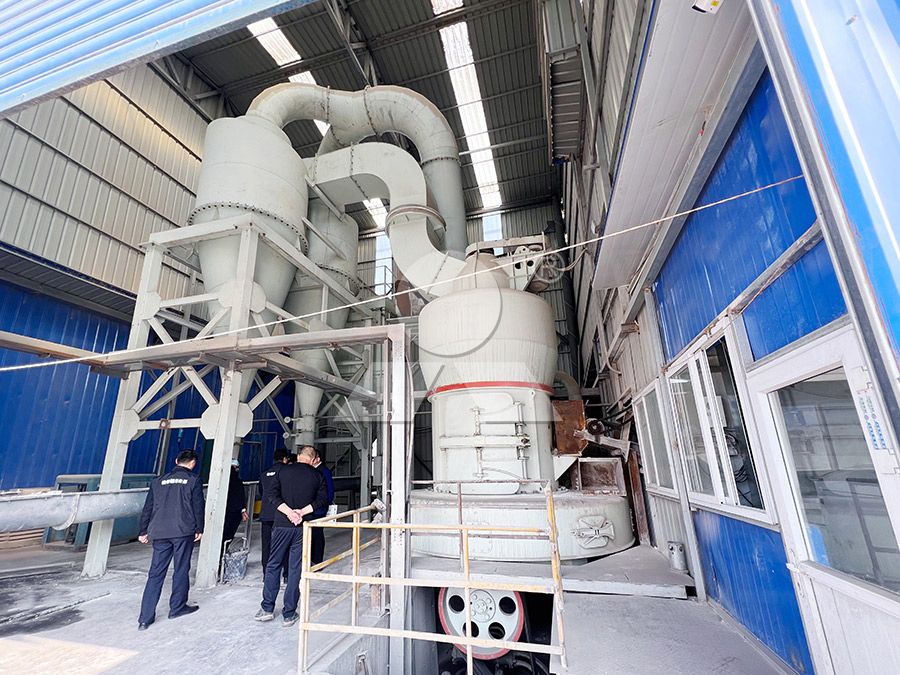
We provide a wide range of mills — including Raymond mill, trapezoidal mill, vertical mill, ultrafine mill, and ball mill, obtained ISO9001 international quality certification, EU CE certification, and Customs Union CU-TR certification. Suitable for processing minerals such as limestone, phosphate, quicklime, kaolin, talc, barite, bentonite, calcium carbonate, dolomite, coal, gypsum, clay, carbon black, slag, cement raw materials, cement clinker, and more.
The discharge range of these mills can be adjusted to meet specific processing needs, typically from 80-400 mesh, 600-3250 mesh, and can achieve the finest particle size of up to 6000 mesh(D50).
If you are looking for a reliable grinding solution to turn stone or minerals into fine powder, please feel free to contact our online customer service.
Buhler SDW1200 Three Roll Mill: Technical Specifications and Applications
When it comes to high-precision dispersion and fine grinding of viscous materials, the Buhler SDW1200 Three Roll Mill stands as a peice of industrial equipment renowned for its reliability and exceptional performance. Designed for demanding applications in industries like ink, paint, cosmetics, and electronics, this machine delivers consistent results where particle size and uniformity are paramount.
Core Technical Specifications
The SDW1200 is built around a robust design featuring three precision-hardened and ground rolls. The typical roll diameter is 300mm (or approximately 12 inches, hence the model designation) with a working length that provides a substantial surface area for processing. The rolls are engineered to operate at different speeds, creating high shear forces that effectively break down agglomerates and disperse particles into the base medium.
Key specifications often include:
- Roll Material: Chilled cast iron or specialty steel, often chrome-plated for extreme wear resistance and corrosion protection.
- Speed Ratios: Fixed or variable speed drives allow for precise adjustment of the friction ratio between the slow, medium, and fast rolls to optimize shear for different pastes.
- Cooling: Internal water cooling for each roll is absolutly critical to maintain a constant temperature during operation, preventing thermal degradation of heat-sensitive products.
- Adjustment: Micrometer-style adjustments for setting the gap between the rolls with high accuracy, often down to micron-level precision.
- Safety: Equipped with emergency stops, guards, and often a double-hand safety system for operation, ensuring complience with international safety standards.
Primary Industrial Applications
The shear precision of the Buhler SDW1200 makes it indispensable across a spectrum of industries. Its primary function is to achieve uniform dispersion and fineness of grind in high-viscosity products.
Printing & Graphic Arts: This is perhaps its most classic application. The mill is used extensively in the production of printing inks—offset, gravure, flexographic, and UV-curable inks. It ensures pigment particles are perfectly dispersed to achieve optimal color strength, gloss, and printability.
Coatings and Paints: For producing high-quality industrial paints, automotive coatings, and decorative paints, especially those containing difficult-to-disperse pigments or effect materials like metallics.
Cosmetics and Pharmaceuticals: In the manufacture of lipsticks, mascaras, ointments, creams, and pastes, the SDW1200 provides the homogeneous texture and smooth consistency required for premium products.
Electronics: Used in the preparation of conductive pastes, soldermasks, and other specialized compounds where particle size directly impacts electrical performance.
Complementary Grinding Solutions from LIMING
While the Buhler SDW1200 excels at wet grinding of pastes, many processes also require dry grinding of raw materials into fine powders beforehand. For these applications, we highly recommend our MW Ultrafine Grinding Mill.
The MW Mill is equipment designed for customers who need to make ultra-fine powder from materials like limestone, calcite, dolomite, talc, and barite. With an input size of 0-20 mm and a capacity range of 0.5-25 tph, it’s incredibly versatile. Its cage-type powder selector, adopting German technologies, allows you to adjustable fineness between 325-2500 meshes, making it perfect for producing the base powders used in many of the industries served by the three roll mill.
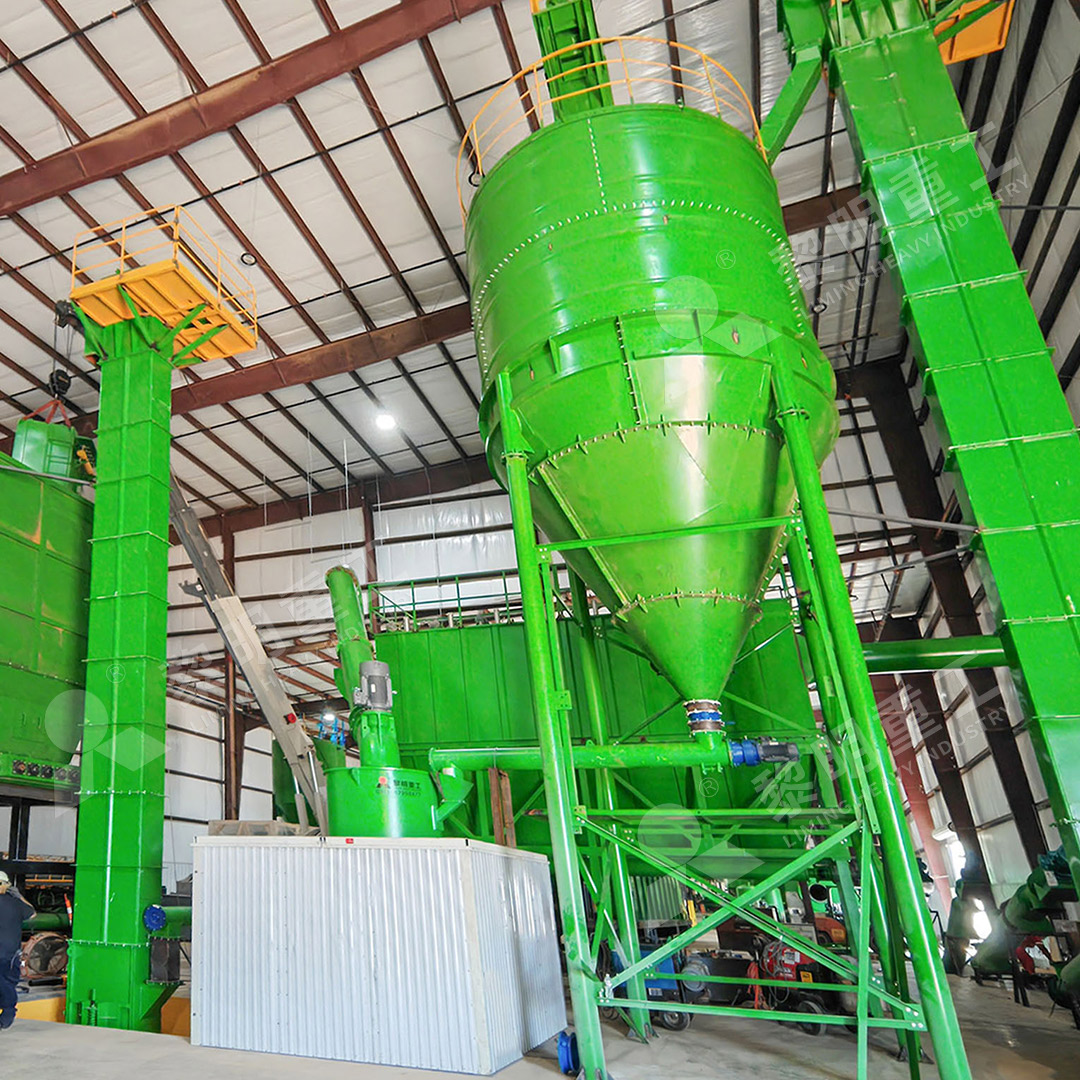
Furthermore, for operations requiring vertical grinding efficiency, our LUM Ultrafine Vertical Grinding Mill is another excellent choice. Integrating ultrafine powder grinding, grading, and transporting, it’s a superior solution for non-metal ores, offering higher yielding rates and better energy efficiency with a consumption 30%-50% lower than common grinding mills.
Why Precision Matters
The synergy between pre-processing materials with a dry mill like our MW series and finishing them with a precision disperser like the Buhler SDW1200 cannot be overstated. Achieving the correct particle size distribution upstream makes the final dispersion process more efficient, consistent, and higher quality. This integrated approach to particle size management is key to developing superior products with controlled rheology and enhanced performance characteristics.
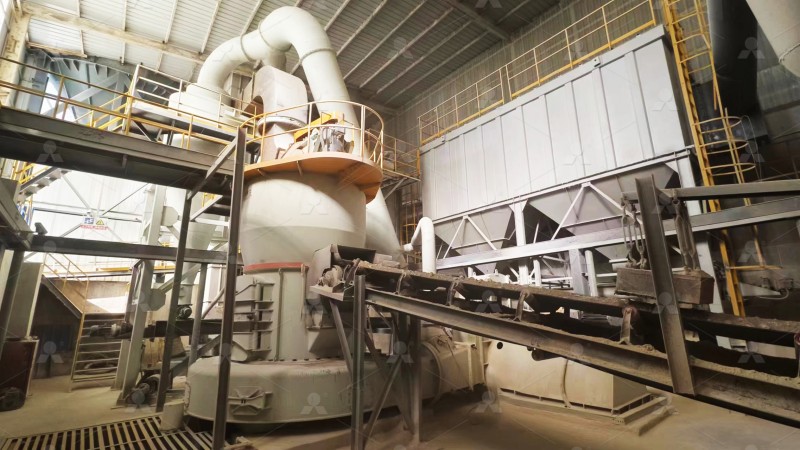
In conclusion, the Buhler SDW1200 Three Roll Mill remains a benchmark for quality and precision in fine dispersion. When paired with robust size-reduction equipment like LIMING’s MW and LUM grinding mills, manufacturers can create a complete, high-performance processing line capable of meeting the most stringent specifications in the market today.