
Blast Furnace Water Slag Grinding Machine for Mineral Powder Mixing Stations
We provide a wide range of mills — including Raymond mill, trapezoidal mill, vertical mill, ultrafine mill, and ball mill, obtained ISO9001 international quality certification, EU CE certification, and Customs Union CU-TR certification. Suitable for processing minerals such as limestone, phosphate, quicklime, kaolin, talc, barite, bentonite, calcium carbonate, dolomite, coal, gypsum, clay, carbon black, slag, cement raw materials, cement clinker, and more.
The discharge range of these mills can be adjusted to meet specific processing needs, typically from 80-400 mesh, 600-3250 mesh, and can achieve the finest particle size of up to 6000 mesh(D50).
If you are looking for a reliable grinding solution to turn stone or minerals into fine powder, please feel free to contact our online customer service.
Blast Furnace Water Slag Grinding Machine for Mineral Powder Mixing Stations
In the world of mineral powder mixing stations, efficiency and reliability are paramount. One of the key components in this process is the grinding of blast furnace water slag, a by-product of steel production that, when properly processed, can be used to enhance the properties of concrete and other construction materials. Grinding this material to the right fineness is crucial, and that’s where advanced grinding machinery comes into play.
Water slag is known for its latent hydraulic properties, meaning it needs to be ground to a fine powder to activate its binding capabilities. Traditional grinding methods often fall short in terms of energy consumption, output quality, and environmental impact. However, with the advent of modern grinding technology, these challenges are being effectively addressed.
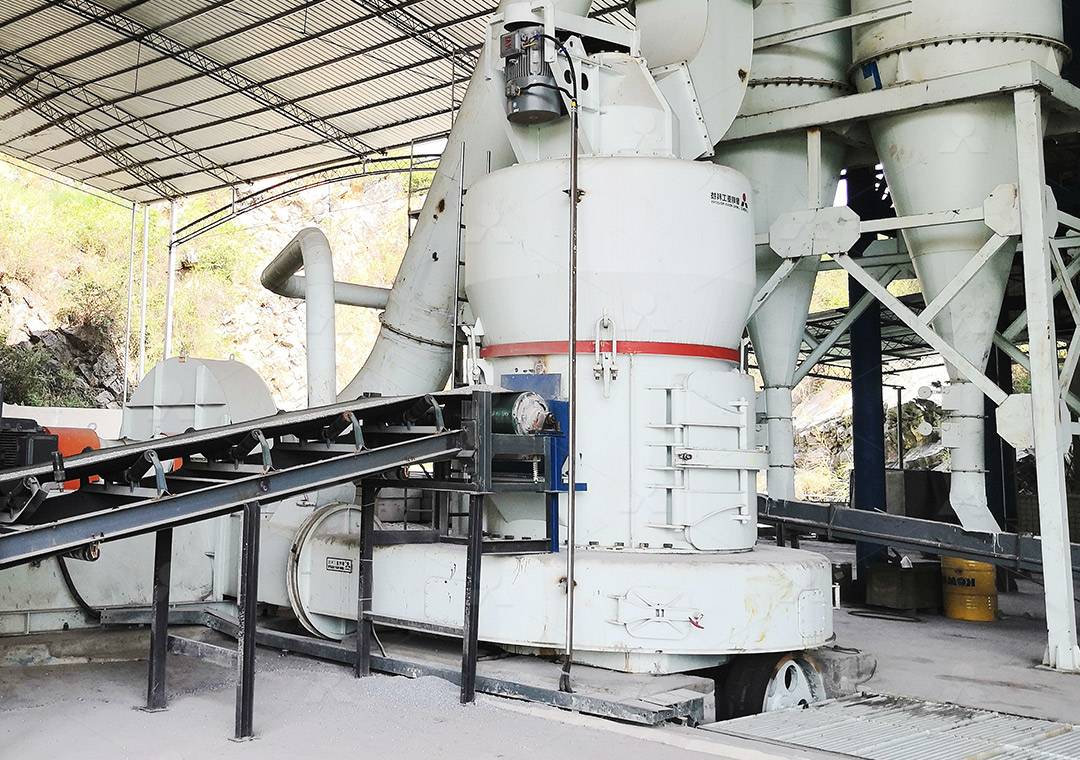
When selecting a grinding machine for water slag, several factors must be considered: input size, capacity, energy efficiency, and the ability to produce a consistent, ultra-fine powder. For instance, the MW Ultrafine Grinding Mill is an excellent choice for operations requiring a fineness between 325 and 2500 meshes. With an input size of 0-20 mm and a capacity ranging from 0.5 to 25 tph, this machine is designed for customers who need to make ultra-fine powder efficiently. It features higher yielding and lower energy consumption, making it 40% more productive than jet mills and twice as efficient as ball mills, while using only 30% of the energy of a jet mill. Its cage-type powder selector, based on German technology, ensures precise separation and adjustable fineness. Moreover, the absence of rolling bearings and screws in the grinding chamber eliminates concerns about bearing damage or loose screws, and its external lubrication system allows for 24/7 operation without shutdowns. The integrated pulse dust collector and muffler make it an eco-friendly option, reducing dust and noise pollution.
Another robust option is the LUM Ultrafine Vertical Grinding Mill, which handles an input size of 0-10 mm and offers a capacity of 5-18 tph. It incorporates the latest grinding roller technology from Taiwan and German powder separating technology, providing higher yielding rates and better quality output. Its unique roller shell and lining plate grinding curve prevent issues like long lingering time and high iron content, common in traditional mills. The multi-head powder separating technology and PLC control system allow for precise adjustments, reducing energy consumption by 30%-50%. The double position-limiting technology ensures stable operation by avoiding destructive impacts from machine vibration, and its reversible structure simplifies maintenance, reducing downtime.
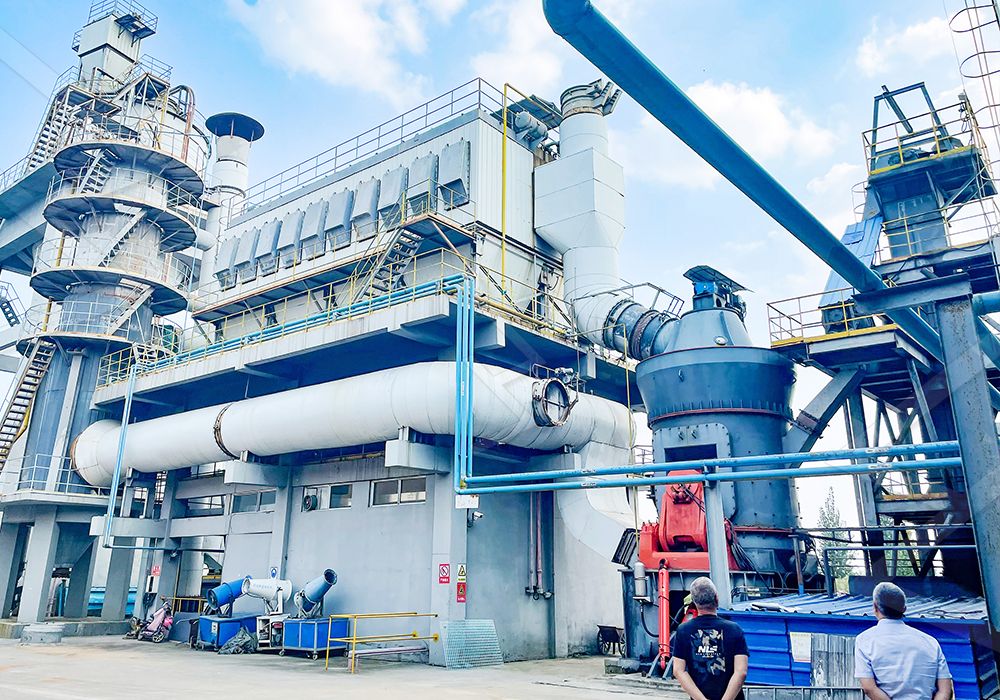
In mineral powder mixing stations, the grinding process must be seamless and integrated. The working principle of these mills involves crushing, drying, grinding, and classifying in a continuous flow. For example, in the MW mill, the motor drives the main shaft and turnplates, with material fed centrally and crushed by rollers against a ring raceway. The ground powder is then separated by a turbine, with fine powder collected and coarse powder reground. This ensures a high-quality final product with minimal waste.
Environmental considerations are also critical. Both the MW and LUM mills are designed with dust removal systems and noise reduction features, aligning with national environmental standards. Their digitalized processing ensures high precision in manufacturing, leading to reliable performance and longevity. Additionally, with sufficient spare parts supply and technical support, operations can run worry-free, minimizing disruptions.
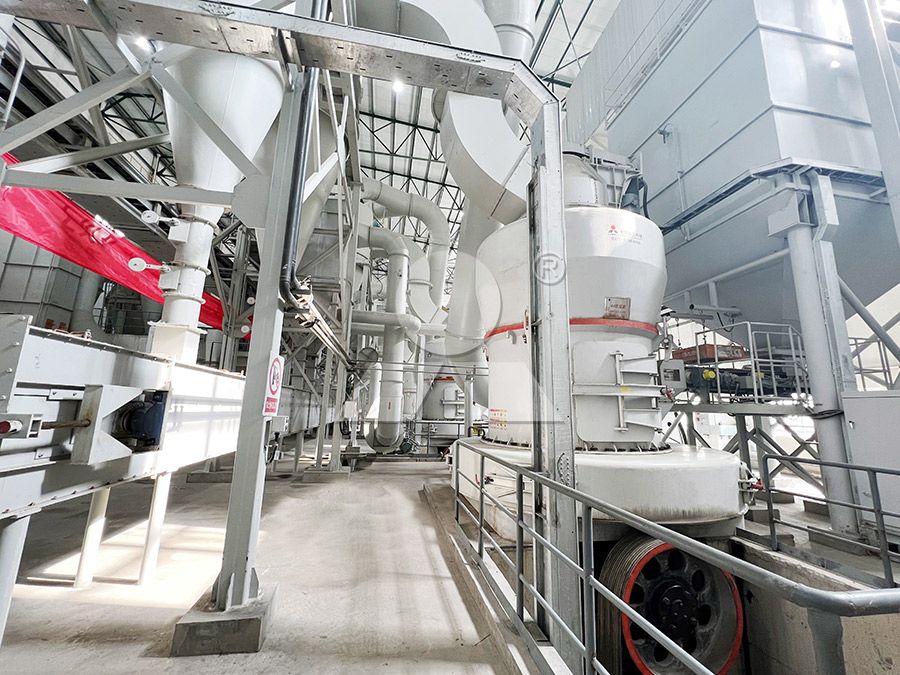
In conclusion, for blast furnace water slag grinding in mineral powder mixing stations, investing in advanced mills like the MW Ultrafine Grinding Mill or LUM Ultrafine Vertical Grinding Mill can significantly enhance productivity, reduce costs, and promote sustainability. Their innovative features and robust design make them ideal for meeting the demanding requirements of modern industrial applications.