
Blast Furnace Slag Grinding Plant: Water-Quenched Slag Recycling Process
We provide a wide range of mills — including Raymond mill, trapezoidal mill, vertical mill, ultrafine mill, and ball mill, obtained ISO9001 international quality certification, EU CE certification, and Customs Union CU-TR certification. Suitable for processing minerals such as limestone, phosphate, quicklime, kaolin, talc, barite, bentonite, calcium carbonate, dolomite, coal, gypsum, clay, carbon black, slag, cement raw materials, cement clinker, and more.
The discharge range of these mills can be adjusted to meet specific processing needs, typically from 80-400 mesh, 600-3250 mesh, and can achieve the finest particle size of up to 6000 mesh(D50).
If you are looking for a reliable grinding solution to turn stone or minerals into fine powder, please feel free to contact our online customer service.
Blast Furnace Slag Grinding Plant: Water-Quenched Slag Recycling Process
In the modern steel industry, the efficient recycling of blast furnace slag, particularly water-quenched slag (also known as granulated slag), is a critical component for both economic and environmental sustainability. This by-product, when properly processed, transforms into a valuable material known as ground granulated blast furnace slag (GGBS), a key supplement in cement and concrete production. The core of this transformation lies in the grinding plant, where advanced milling technology determines the quality, efficiency, and profitability of the entire operation.
The Value of Water-Quenched Slag
Water-quenched slag is formed when molten blast furnace slag is rapidly cooled by high-pressure water jets. This process yields a granular, glassy material rich in silicate and aluminosilicate minerals. In its raw form, it possesses latent hydraulic properties, meaning it only develops its cementitious strength when ground into a fine powder. The primary goal of a slag grinding plant is to achieve this fine grind, typically to a fineness of over 400 m²/kg Blaine surface area, to unlock its full potential as a supplementary cementitious material (SCM).
Challenges in Slag Grinding
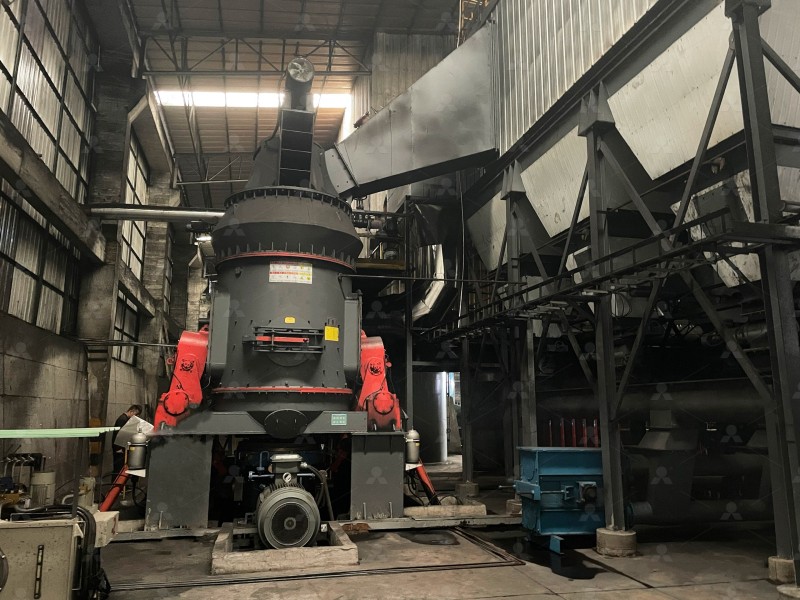
Grinding slag is notably more challenging than grinding conventional raw materials like limestone or clinker. Its abrasive nature and high hardness lead to accelerated wear on grinding components. Furthermore, the process must be energy-efficient to be economically viable, as grinding can account for a significant portion of the plant’s operating costs. Traditional ball mills, while reliable, often suffer from high energy consumption and significant wear, driving the industry towards more advanced, vertical milling solutions.
The Optimal Grinding Solution: LM Vertical Slag Mill
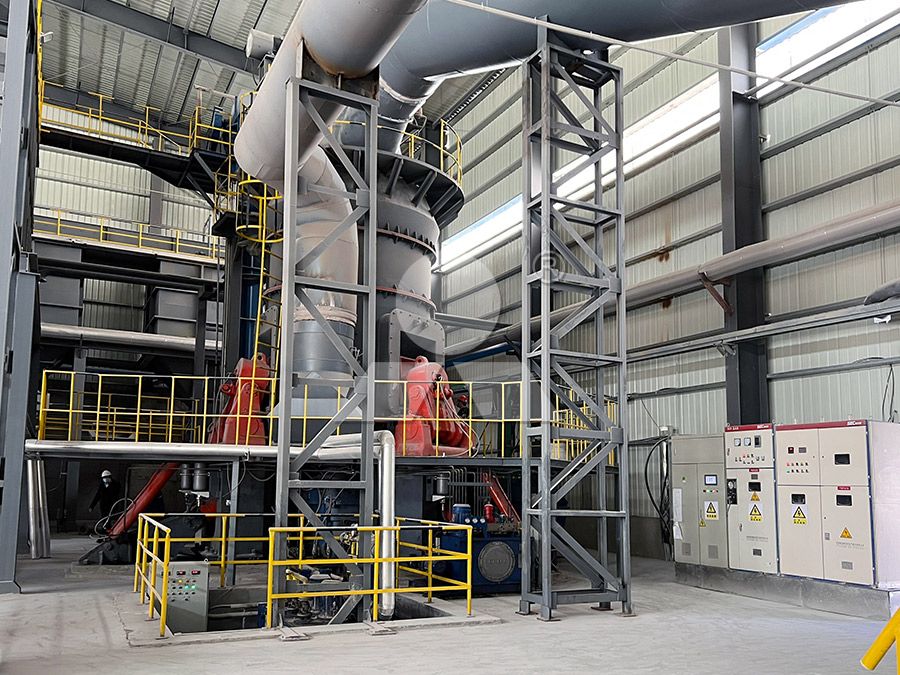
For a specialized application like slag grinding, a purpose-built machine is essential. Our LM Vertical Slag Mill is engineered specifically for grinding industrial waste like water-quenched slag into high-value powder. It integrates drying, grinding, powder selection, and conveying into a single, compact unit. With an input size of 38-65mm and a capacity range of 7-100 t/h, it is perfectly suited for large-scale slag processing operations.
The LM mill’s unique grinding device achieves the integration of grinding and powder selection, focusing intensely on the properties of slag. Its vertical structure reduces the covered area by approximately 50% compared to a ball mill system, and more importantly, it reduces energy consumption by 30% to 40%. Key components are manufactured from high-performance wear-resistant materials, ensuring reliable operation and reducing downtime for maintenance. The result is a fine, uniform powder with a high screening rate, ready to be used in cement or concrete.
Process Flow in a Modern Slag Grinding Plant
- Receiving and Storage: Water-quenched slag is received and stored, often requiring pre-drying depending on moisture content.
- Feed Preparation: The slag is fed into the mill via a conveyor system and a weigh feeder for accurate dosing.
- Grinding and Drying: Inside the LM Vertical Slag Mill, hot air from a gas heater dries the slag while the grinding rollers crush it against the rotating table.
- Classification: The ground powder is carried by the air stream to a high-efficiency classifier. Coarse particles are rejected and returned to the grinding table for further size reduction.
- Product Collection: The fine, finished GGBS is separated from the air stream in a baghouse or cyclone collector and transported to storage silos.
- Packing and Dispatch: The product is then packed in bulk or bags for shipment to cement and ready-mix concrete plants.
Why Choose Our Grinding Technology?
Beyond the LM Vertical Slag Mill, our MW Ultrafine Grinding Mill presents an excellent alternative for operations requiring ultra-fine slag powder for niche applications. With a capacity of 0.5-25 tph and the ability to adjust fineness between 325-2500 meshes, the MW Mill is equiped with a highly efficient pulse dust collector and muffler, ensuring the entire production process is eco-friendly with minimal dust and noise pollution. Its design, free of rolling bearings and screws in the grinding chamber, eliminates common failure points and allows for worry-free, continuous 24/7 operation.
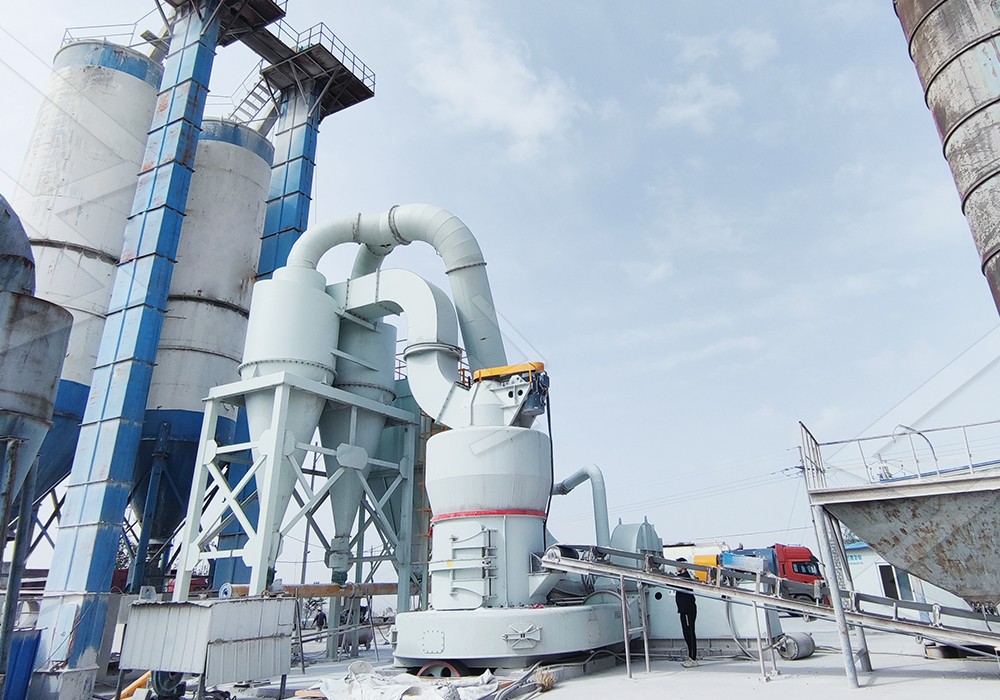
Investing in the right grinding technology is paramount. It directly impacts your bottom line through lower energy bills, reduced maintenance costs, and the production of a consistent, high-quality product that commands a premium in the market. Our vertical and ultrafine mills are designed with these exact goals in mind, providing a robust, efficient, and sustainable solution for transforming industrial waste into a valuable resource.