
Bituminous Coal Mill Price and Selection Guide
We provide a wide range of mills — including Raymond mill, trapezoidal mill, vertical mill, ultrafine mill, and ball mill, obtained ISO9001 international quality certification, EU CE certification, and Customs Union CU-TR certification. Suitable for processing minerals such as limestone, phosphate, quicklime, kaolin, talc, barite, bentonite, calcium carbonate, dolomite, coal, gypsum, clay, carbon black, slag, cement raw materials, cement clinker, and more.
The discharge range of these mills can be adjusted to meet specific processing needs, typically from 80-400 mesh, 600-3250 mesh, and can achieve the finest particle size of up to 6000 mesh(D50).
If you are looking for a reliable grinding solution to turn stone or minerals into fine powder, please feel free to contact our online customer service.
Bituminous Coal Mill Price and Selection Guide
Selecting the right grinding mill for bituminous coal processing is a critical decision that impacts operational efficiency, product quality, and long-term profitability. The choice is not merely about the initial purchase price but involves a comprehensive evaluation of factors such as capacity requirements, desired fineness, energy consumption, and maintenance needs. This guide aims to demystify the selection process and provide a clear framework for making an informed investment.
Key Factors Influencing Your Selection
The optimal mill for your operation depends on a balance of several key parameters. First, consider the required production capacity, measured in tons per hour (tph). This will immediately narrow down your options. Next, the input size of your raw bituminous coal is crucial; some mills are designed to handle larger feed sizes directly, while others require pre-crushing. The target fineness of the final coal powder is another decisive factor, as different mills achieve varying levels of grind, from coarse to ultra-fine powders suitable for specialized applications like injection in blast furnaces.
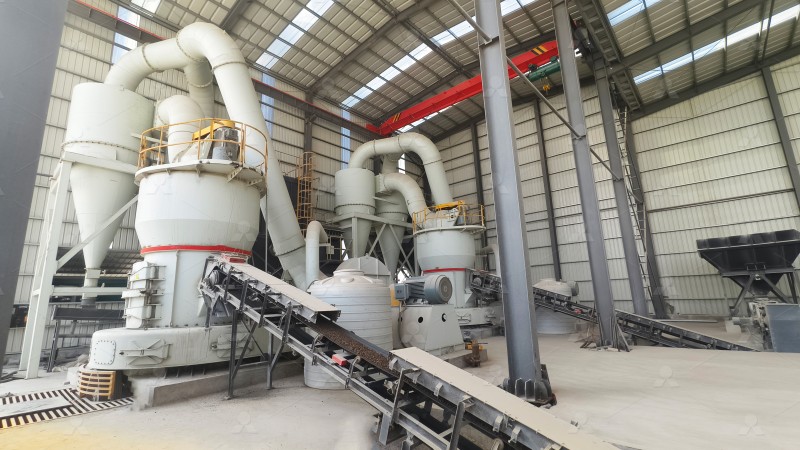
Beyond these technical specs, operational costs play a massive role. Energy consumption is often the largest ongoing expense. Modern vertical roller mills and ultra-fine grinding mills typically offer significantly lower energy consumption per ton of product compared to traditional ball mills. Maintenance complexity and the availability of spare parts are also vital for minimizing downtime and ensuring worry-free operation.
Advanced Solutions for Superior Performance
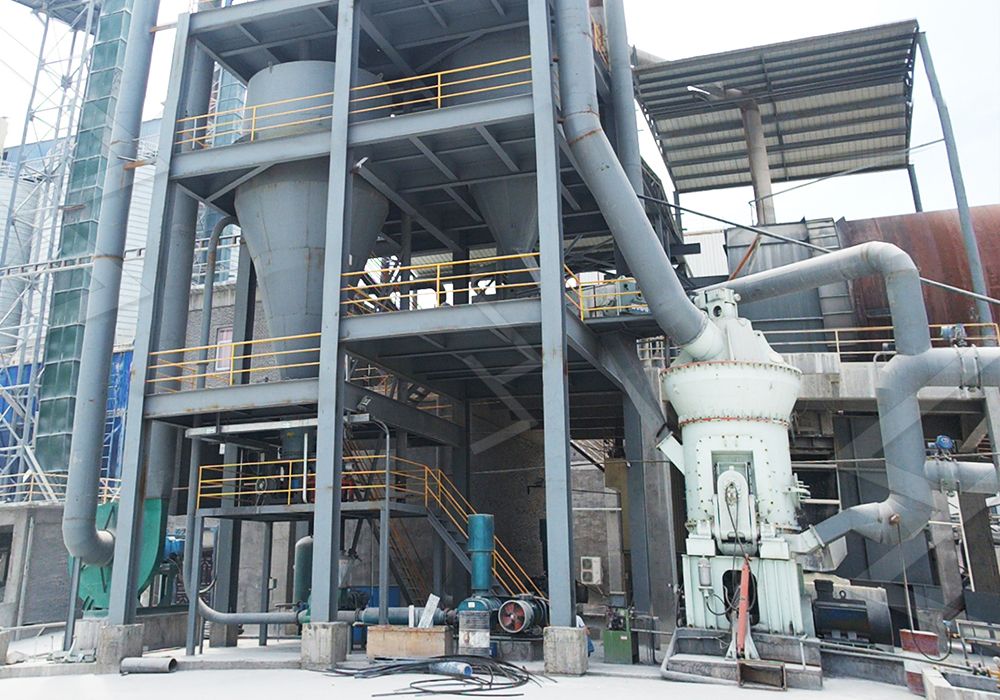
For operations requiring high-capacity processing of bituminous coal with superior efficiency, the LM Vertical Coal Mill stands out. With a capacity range of 5-100 T/H and the ability to handle input sizes up to 50mm, it integrates drying, grinding, and powder selection in a single, compact unit. Its simple and reliable operation, coupled with features like a hydraulic roller turning-out device for easy maintenance, makes it a top choice for power plants and large-scale industrial applications. The system operates under negative pressure, ensuring a dust-free and environmentally friendly process.
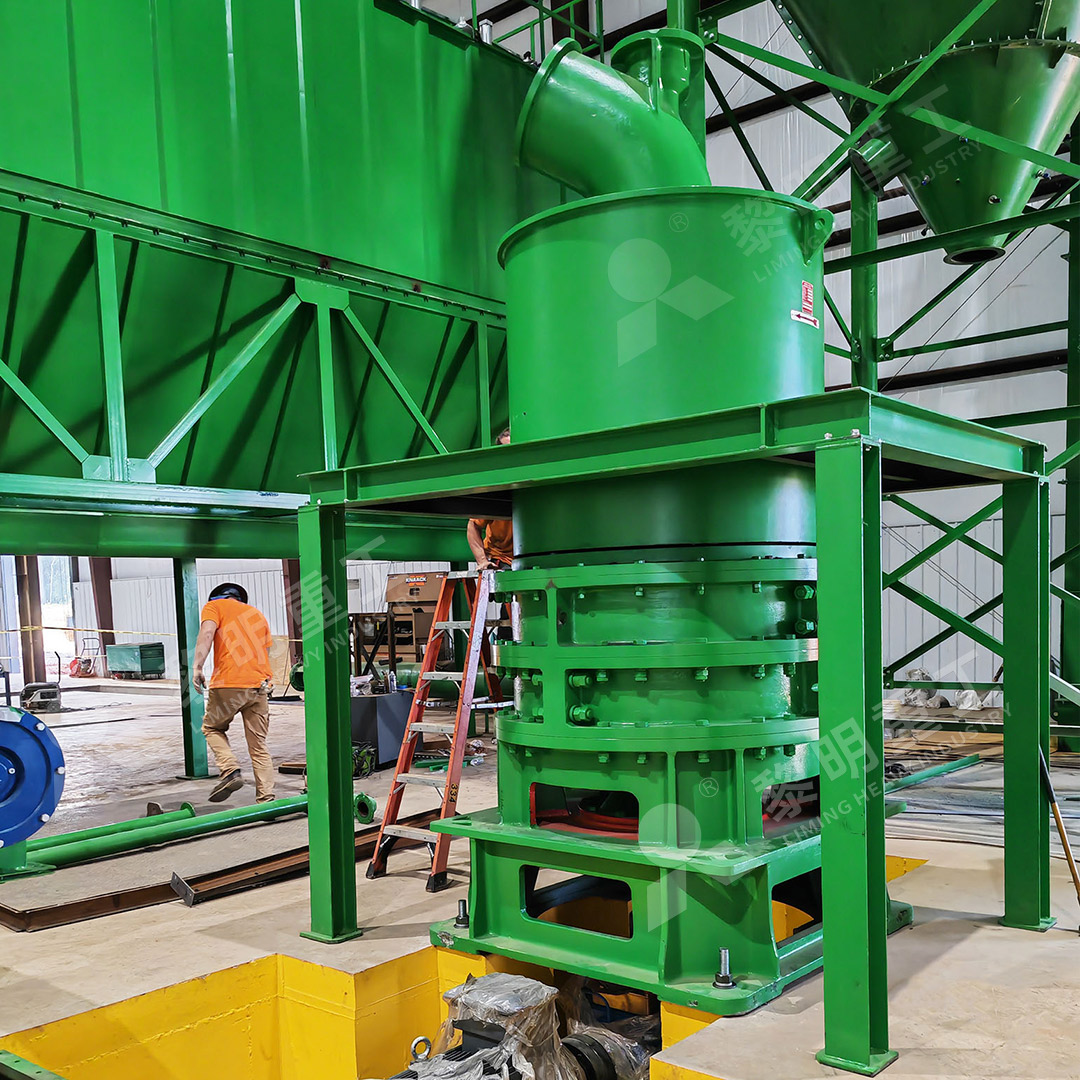
When the application demands ultra-fine bituminous coal powder, the MW Ultrafine Grinding Mill is an exceptional solution. Designed for customers needing to make ultra-fine powder, it accepts a feed size of 0-20 mm and offers a capacity of 0.5-25 tph. A key advantage is its adjustable fineness between 325-2500 meshes, achieved through an advanced German-designed cage-type powder selector. The mill’s innovative design eliminates rolling bearings and screws inside the grinding chamber, drastically reducing the risk of mechanical failure and allowing for external lubrication without shutdown. This enables continuous 24/7 production, which is crucial for high-output facilities.
Understanding the Price Spectrum
Mill prices vary widely based on technology, size, and included features. A basic Raymond mill represents a lower initial investment, suitable for smaller operations with less demanding fineness requirements. In contrast, advanced vertical roller mills or ultra-fine grinding mills like the MW series command a higher price point, justified by their dramatically lower energy consumption (up to 40-50% savings), higher automation, and greater production yields. It is essential to conduct a lifecycle cost analysis, factoring in energy, maintenance, and potential downtime, rather than focusing solely on the purchase price.
Frequently Asked Questions (FAQ)
What is the primary advantage of a vertical coal mill over a traditional ball mill?
Vertical coal mills integrate multiple processes (drying, grinding, classifying) into a single unit, resulting in a significantly smaller footprint and 30-40% lower energy consumption. They also offer better control over product fineness and are more environmentally friendly due to sealed, negative-pressure operation.
Can the MW Ultrafine Grinding Mill handle other materials besides bituminous coal?
Yes, the MW Mill is highly versatile. It is also suitable for grinding limestone, calcite, dolomite, petroleum coal, gypsum, and other non-metallic minerals, making it an excellent investment for operations with diverse grinding needs.
How important is after-sales service and parts availability?
Extremely important. Consistent operation is key to profitability. Choosing a supplier like LIMING, which guarantees a sufficient supply of original spare parts and provides comprehensive technical support, ensures minimal disruption and long-term, worry-free operation of your grinding equipment.