
Bituminous and Anthracite Coal Mix Grinding Mill Solutions
We provide a wide range of mills — including Raymond mill, trapezoidal mill, vertical mill, ultrafine mill, and ball mill, obtained ISO9001 international quality certification, EU CE certification, and Customs Union CU-TR certification. Suitable for processing minerals such as limestone, phosphate, quicklime, kaolin, talc, barite, bentonite, calcium carbonate, dolomite, coal, gypsum, clay, carbon black, slag, cement raw materials, cement clinker, and more.
The discharge range of these mills can be adjusted to meet specific processing needs, typically from 80-400 mesh, 600-3250 mesh, and can achieve the finest particle size of up to 6000 mesh(D50).
If you are looking for a reliable grinding solution to turn stone or minerals into fine powder, please feel free to contact our online customer service.
Bituminous and Anthracite Coal Mix Grinding Mill Solutions
Grinding coal, especially a mix of bituminous and anthracite, presents unique challenges due to differences in hardness, volatility, and grindability. Anthracite, being harder and denser, requires more energy to pulverize, while bituminous coal is softer but may have higher moisture content. Selecting the right grinding equipment is crucial for efficiency, product quality, and operational cost.
Key Considerations for Coal Grinding
When processing a blend of bituminous and anthracite coal, several factors must be addressed:
- Grindability: The Hardgrove Grindability Index (HGI) varies significantly between coal types. Equipment must handle a range from soft bituminous to hard anthracite.
- Moisture Content: High moisture can lead to clogging and requires efficient drying capabilities integrated into the mill.
- Product Fineness: For applications like pulverized coal injection (PCI) or combustion, a consistent, fine powder (often 200 mesh or finer) is essential.
- Wear and Tear: Abrasive components in coal can cause rapid wear of grinding elements, demanding robust, wear-resistant materials.
- Safety and Environment: Coal dust is explosive, and operations must minimize dust emissions and noise pollution.
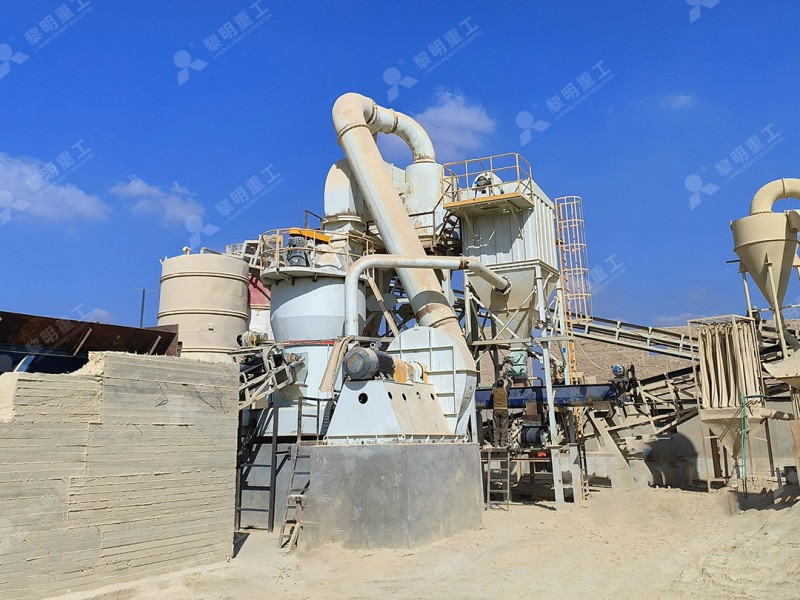
Recommended Solution: MW Ultrafine Grinding Mill
For operations requiring ultra-fine coal powder (325-2500 meshes) from a mixed feed, our MW Ultrafine Grinding Mill is an excellent choice. It is specifically engineered to handle materials like petroleum coal, offering superior performance for fine and ultra-fine grinding applications.
Key Advantages for Coal Grinding:
- Higher Yielding, Lower Energy Consumption: Its newly designed grinding curves enhance efficiency, offering 40% higher capacity than jet mills and twice the yield of ball mills, while reducing system energy consumption by 30%.
- Adjustable Fineness (325-2500 meshes): The German-technology cage-type powder selector allows precise control over product fineness, achieving d97≤5μm in a single pass—ideal for consistent coal powder quality.
- Durable and Low-Maintenance Design: With no rolling bearings or screws in the grinding chamber, risks of bearing damage or loose screws are eliminated. External lubrication allows for 24/7 operation without shutdowns.
- Eco-Friendly Operation: The integrated efficient pulse dust collector ensures no dust pollution, while silencers and noise elimination rooms keep operations within national environmental standards.
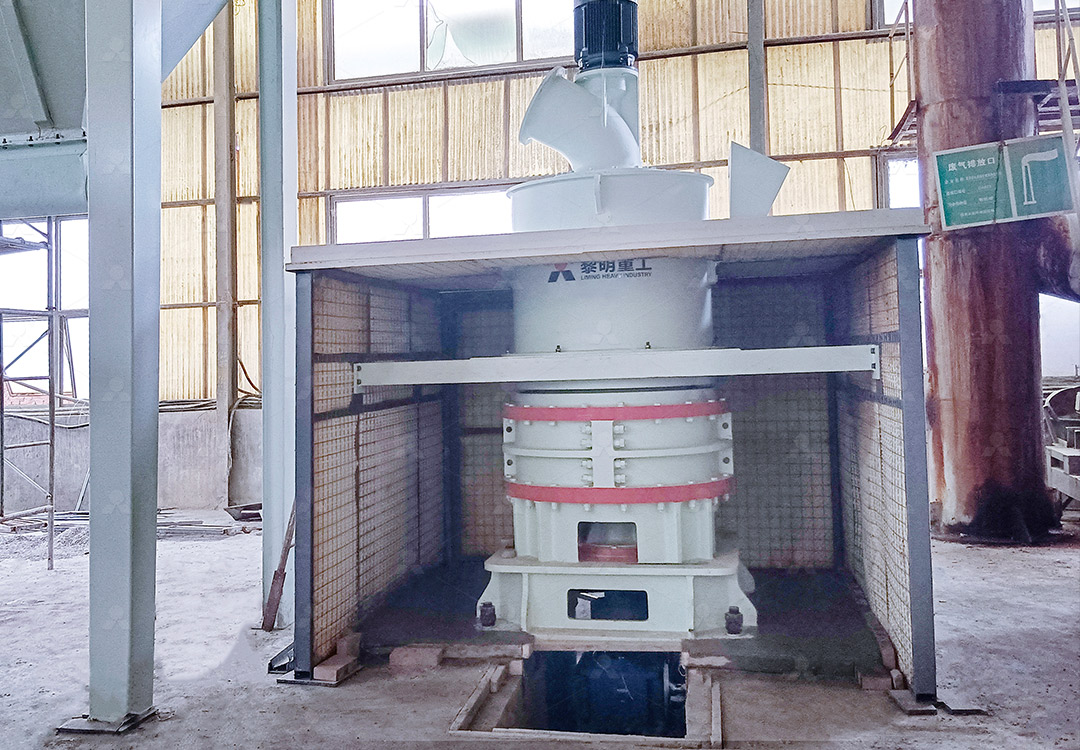
Technical Specifications:
Input Size: 0-20 mm
Capacity: 0.5-25 tph
Applications: Petroleum coal, coal powder, etc.
Alternative Solution: LUM Ultrafine Vertical Grinding Mill
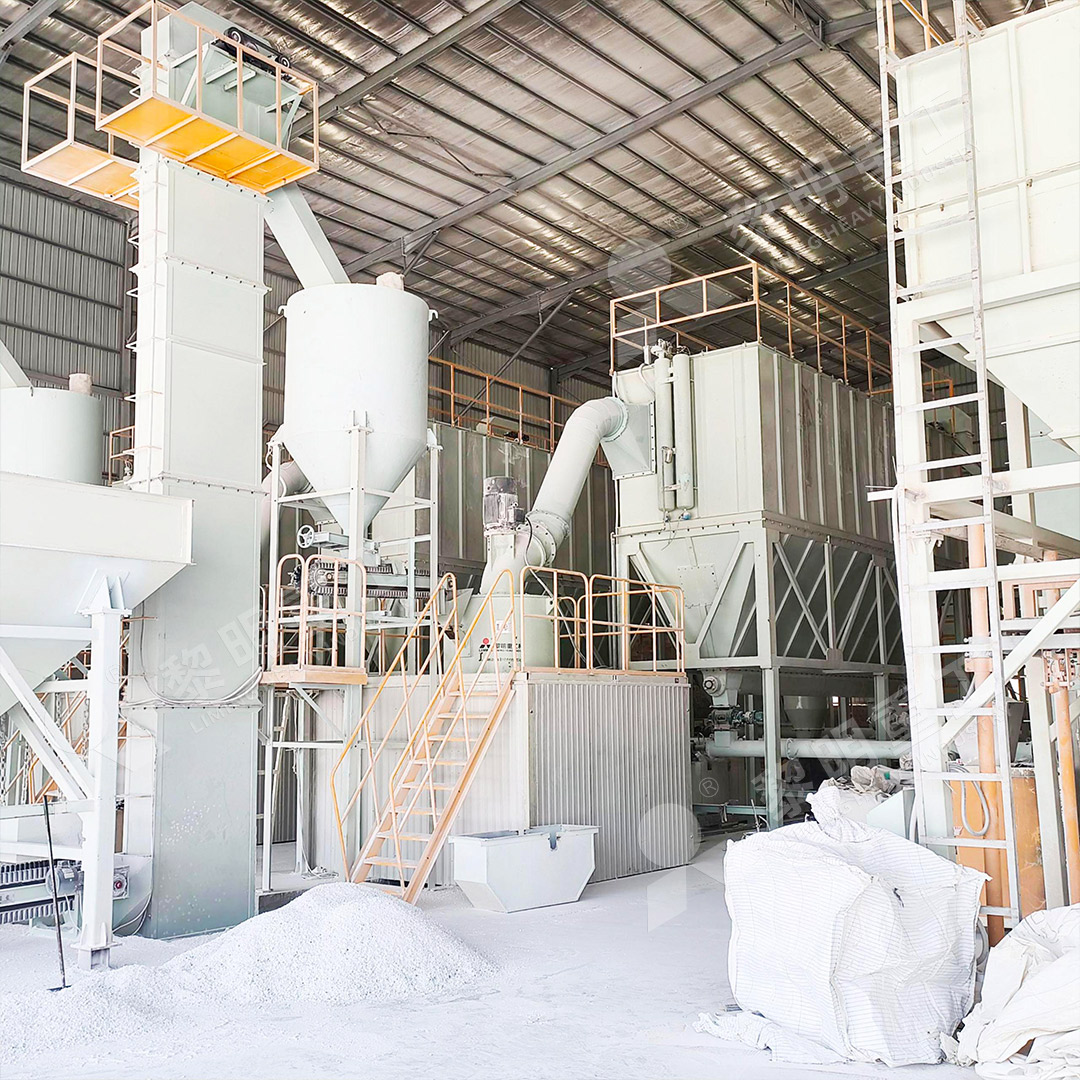
For operations prioritizing energy savings and easier maintenance with slightly larger feed size, the LUM Ultrafine Vertical Grinding Mill is another robust option. It integrates grinding, drying, classifying, and conveying, making it highly efficient for coal processing.
Why LUM for Coal?
- Energy-Saving Multi-Head Powder Separating Technology: Reduces energy consumption by 30%-50% compared to common grinding mills.
- Reversible Structure: Simplifies maintenance; grinding rollers can be easily moved out for checking and replacing wear parts, minimizing downtime.
- Stable Operation: Double position-limiting technology protects against destructive impacts from vibration, ensuring reliability.
Technical Specifications:
Input Size: 0-10 mm
Capacity: 5-18 tph
Applications: Petroleum coal, coal powder, etc.
Conclusion
Grinding a mix of bituminous and anthracite coal demands a mill that combines high efficiency, adjustability, and durability. Our MW and LUM series grinding mills are designed to meet these challenges head-on, offering advanced technology for producing high-quality coal powder while keeping operational and maintenance costs low. For a tailored solution for your specific coal blend, contact our technical team to discuss your requirements.