
Beyond the Ball Mill: The Evolution of Grinding Technology in Cement Production
We provide a wide range of mills — including Raymond mill, trapezoidal mill, vertical mill, ultrafine mill, and ball mill, obtained ISO9001 international quality certification, EU CE certification, and Customs Union CU-TR certification. Suitable for processing minerals such as limestone, phosphate, quicklime, kaolin, talc, barite, bentonite, calcium carbonate, dolomite, coal, gypsum, clay, carbon black, slag, cement raw materials, cement clinker, and more.
The discharge range of these mills can be adjusted to meet specific processing needs, typically from 80-400 mesh, 600-3250 mesh, and can achieve the finest particle size of up to 6000 mesh(D50).
If you are looking for a reliable grinding solution to turn stone or minerals into fine powder, please feel free to contact our online customer service.
Beyond the Ball Mill: The Evolution of Grinding Technology in Cement Production
For decades, the ball mill has been the undisputed workhorse of the cement industry. Its simple, robust design, capable of grinding and blending raw materials and clinker, made it a cornerstone of manufacturing plants worldwide. The principle is straightforward: a rotating cylinder filled with steel balls crushes and grinds material through impact and attrition. However, as the industry evolves, demanding greater efficiency, lower energy consumption, and stricter environmental controls, the limitations of traditional ball mills have become increasingly apparent. High energy intensity, significant noise, and relatively low classification efficiency are driving the search for more advanced solutions.
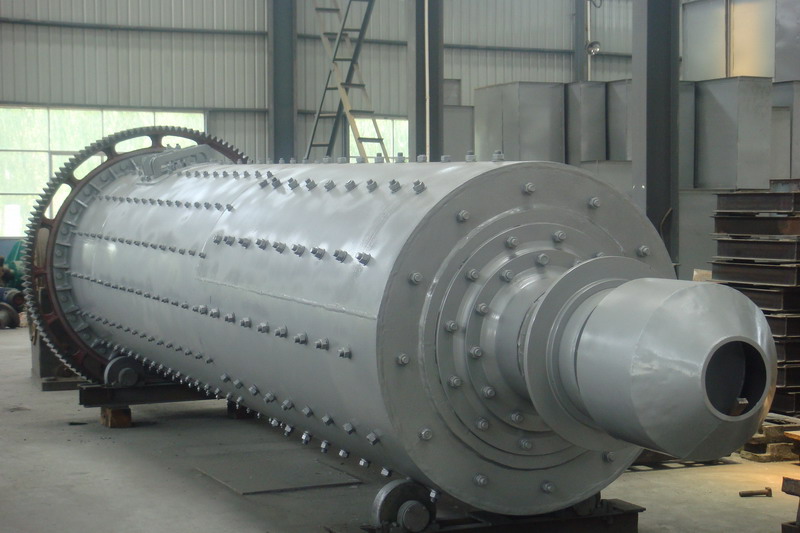
While ball mills laid the foundation, modern cement manufacturing requires a leap forward. The focus has shifted towards systems that offer integrated drying, grinding, and classifying in a single, compact unit. This is where technologies like our MW Ultrafine Grinding Mill truly shine. Designed for customers needing to make ultra-fine powder, this machine is a game-changer. It boasts an impressive input size of 0-20 mm and a capacity range of 0.5-25 tph. A key advantage is its eco-friendly operation, being equipped with an efficient pulse dust collector and muffler, significantly reducing dust and noise pollution throughout the production process.
Key Advantages of Modern Grinding Systems
The move beyond the ball mill is justified by substantial operational benefits. Modern mills are designed for higher yielding at lower energy consumption. For instance, the newly designed grinding curves of the MW Mill’s roller and ring enhance grinding efficiency dramatically. With the same fineness and power, its production capacity is 40% higher than jet mills and twice that of a ball mill, while system energy consumption is just 30% of a jet mill. Furthermore, precision is paramount. Advanced cage-type powder selectors, incorporating German technology, allow for adjustable fineness between 325-2500 meshes, achieving a precise d97≤5μm in a single pass.
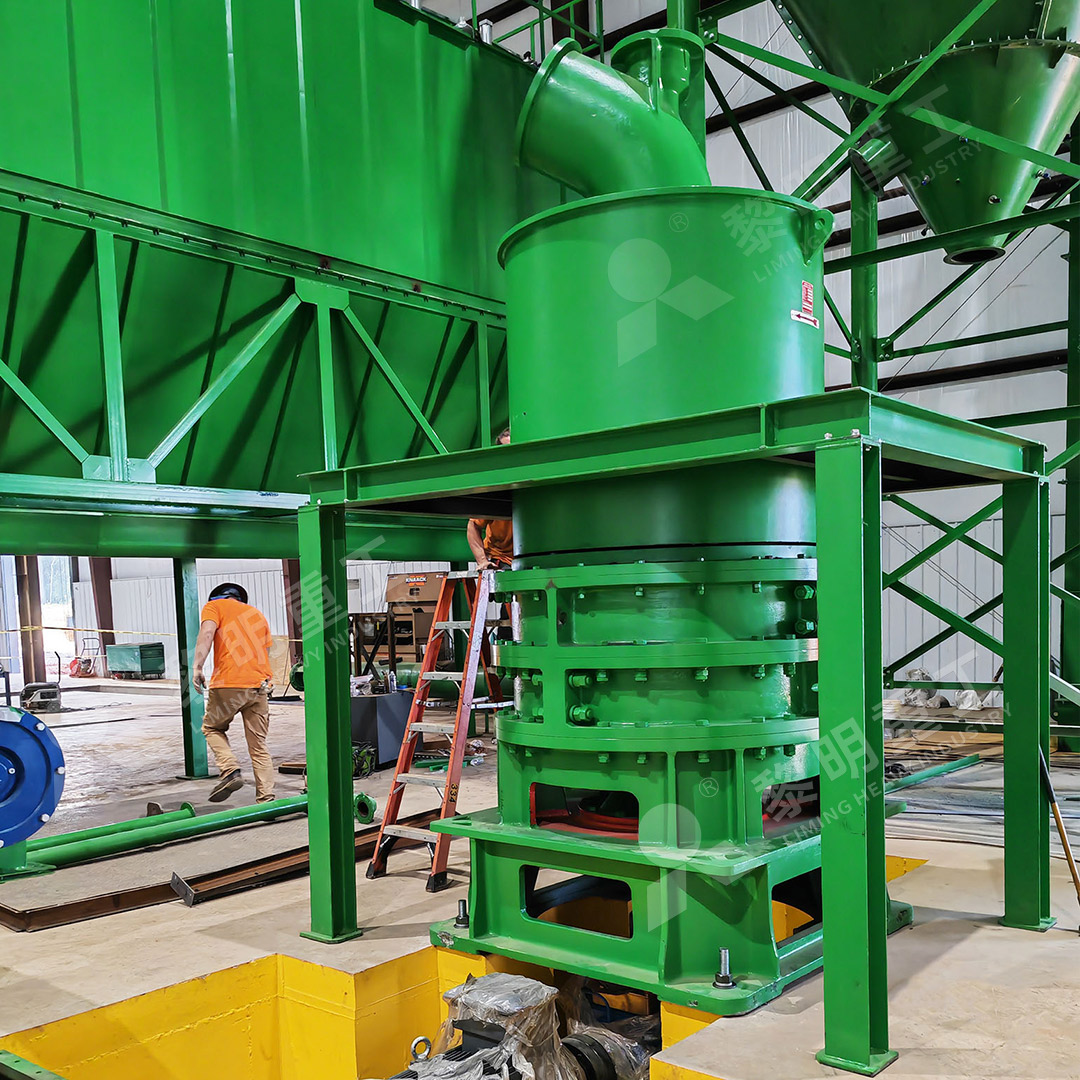
Reliability is another critical factor. The internal design of mills like the MW eliminates common failure points. With no rolling bearings or screws in the grinding chamber, concerns about bearing damage or loose screws causing catastrophic failure are eradicated. External lubrication points allow for maintenance without shutdowns, supporting continuous 24/7 operation that is essential for modern production lines. For operations requiring a different approach, our LUM Ultrafine Vertical Grinding Mill offers another powerful option. It integrates the latest roller technology and German powder separating tech for exceptional efficiency in ultrafine powder grinding, grading, and transporting, making it a premier choice in the industry.
The Future is Efficient and Sustainable
The evolution from the traditional ball mill to advanced grinding systems represents the cement industry’s commitment to a more sustainable and profitable future. The significant reduction in energy use directly lowers operating costs and the carbon footprint of production. The integrated dust collection and noise reduction features ensure that plants can meet increasingly stringent environmental regulations without sacrificing performance.
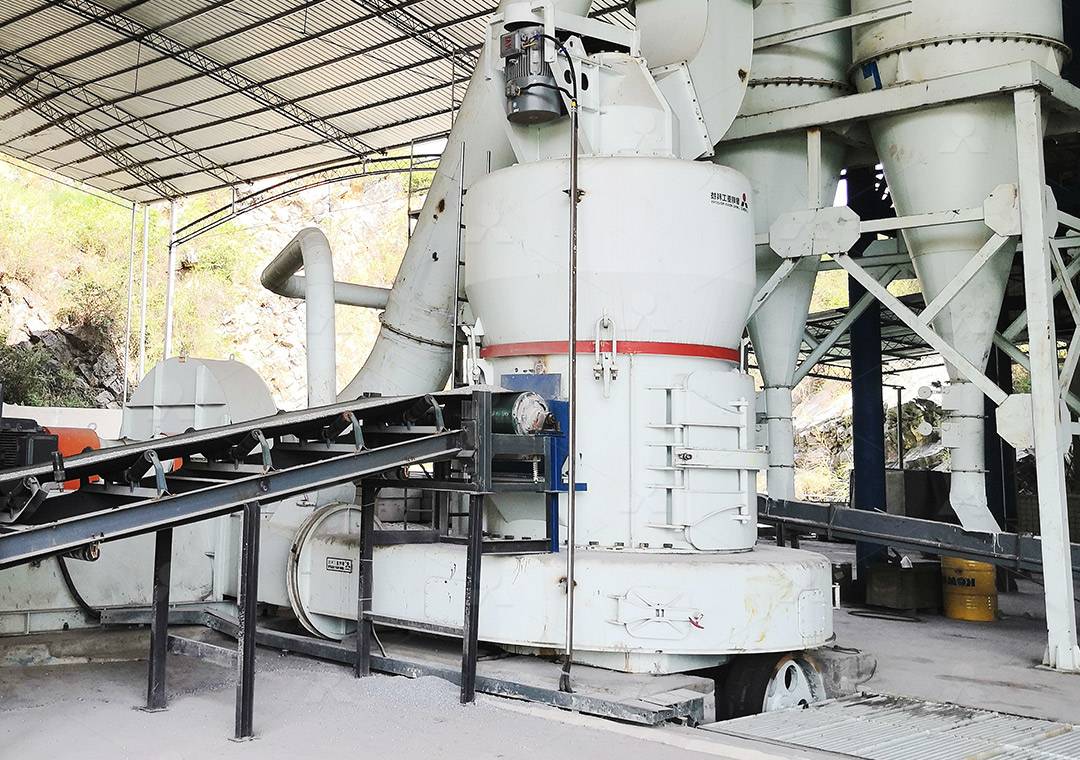
In conclusion, while the ball mill played a crucial historical role, the future of cement manufacturing lies in embracing innovative grinding technologies. Solutions like the MW and LUM mills provide the necessary efficiency, precision, and environmental compatibility that modern plants require to remain competitive and responsible. The industry’s grinding heart is beating stronger and smarter than ever before.