
Beyond the Ball Mill: Modern Grinding Solutions for Higher Profit
We provide a wide range of mills — including Raymond mill, trapezoidal mill, vertical mill, ultrafine mill, and ball mill, obtained ISO9001 international quality certification, EU CE certification, and Customs Union CU-TR certification. Suitable for processing minerals such as limestone, phosphate, quicklime, kaolin, talc, barite, bentonite, calcium carbonate, dolomite, coal, gypsum, clay, carbon black, slag, cement raw materials, cement clinker, and more.
The discharge range of these mills can be adjusted to meet specific processing needs, typically from 80-400 mesh, 600-3250 mesh, and can achieve the finest particle size of up to 6000 mesh(D50).
If you are looking for a reliable grinding solution to turn stone or minerals into fine powder, please feel free to contact our online customer service.
Beyond the Ball Mill: Modern Grinding Solutions for Higher Profit
For decades, the cement and minerals processing industry has relied heavily on the traditional ball mill. While a workhorse, this technology is often associated with high energy consumption, significant noise, and substantial maintenance downtime. In today’s competitive market, where operational efficiency and environmental compliance are paramount, forward-thinking manufacturers are looking beyond conventional equipment.
The Shift Towards Efficient & Specialized Grinding
The core challenge in grinding is achieving the desired fineness with minimal energy input and maximum reliability. While Chinese manufacturers like Sinoma, CITIC HIC, and CNBM produce robust ball mills, the industry is evolving. The focus is now on systems that offer integrated drying, precise classification, and significantly lower power draw per ton of output. This is where advanced grinding mill technology truly shines, offering a direct path to reduced operating costs and a smaller environmental footprint.
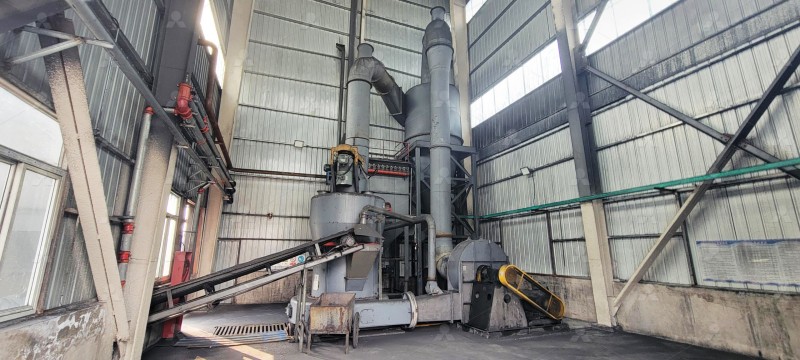
Introducing a Superior Alternative: The MW Ultrafine Grinding Mill
For operations requiring ultra-fine powders (325-2500 meshes), the traditional ball mill is particularly inefficient. We recommend evaluating our MW Ultrafine Grinding Mill, a machine engineered for high-yielding, low-consumption production of premium fine powders.
Key advantages of the MW Series include:
- Higher Yielding, Lower Energy Consumption: Production capacity is 40% higher than jet mills and double that of ball mills, while system energy consumption is slashed by 70% compared to jet mills.
- Precision Fineness Control: A German-technology, cage-type powder selector allows precise adjustment between 325-2500 meshes, achieving a superb d97≤5μm screening rate in a single pass.
- Unmatched Reliability: A revolutionary design eliminates rolling bearings and screws inside the grinding chamber. This eradicates common failure points, preventing machine damage from loose parts or bearing seizures, and allows for external lubrication without shutdown.
- Eco-Friendly Operation: Equipped with an efficient pulse dust collector and muffler, the entire system operates cleanly with minimal dust and noise, fully meeting national environmental protection standards.
With an input size of 0-20mm and a capacity range of 0.5-25 tph, the MW Mill is perfect for processing limestone, calcite, dolomite, talc, barite, and other materials for industries like chemicals, paints, cosmetics, and advanced materials.
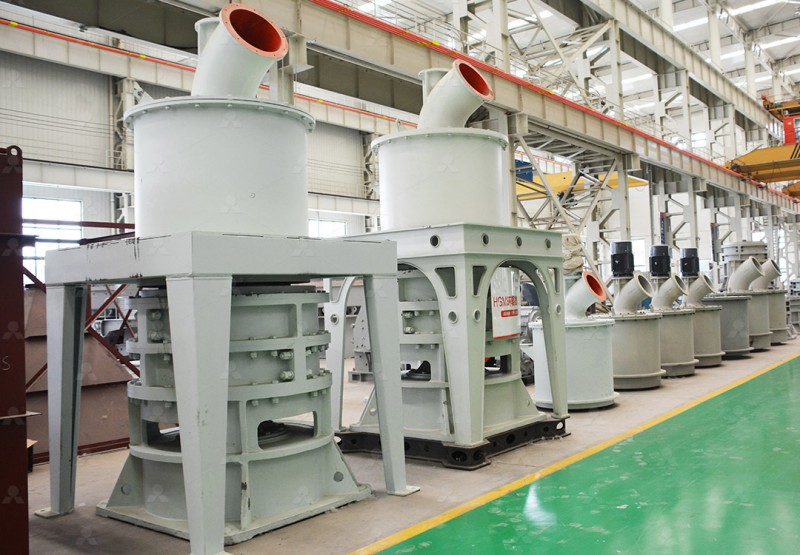
Considering Vertical Roller Mills for Larger Scale
For larger capacity needs and coarser grinds, Vertical Roller Mills (VRM) represent another leap in efficiency. Our LUM Ultrafine Vertical Grinding Mill is another standout option. It integrates grinding, classifying, and transporting with remarkable efficiency. Its unique roller shell and lining plate curve promote better material layer formation, enabling high rates of finished product in a single milling operation. Features like multi-head powder separating technology and a reversible structure for easier maintenance make it a compelling choice for serious producers looking to upgrade their entire grinding circuit.
Making the Right Investment
Choosing grinding equipment is a strategic decision. While the initial price is a factor, the Total Cost of Ownership (TCO)—encompassing energy bills, maintenance downtime, spare parts, and output quality—is what truly impacts your bottom line. Modern mills like the MW and LUM series are designed to minimize this TCO from day one.
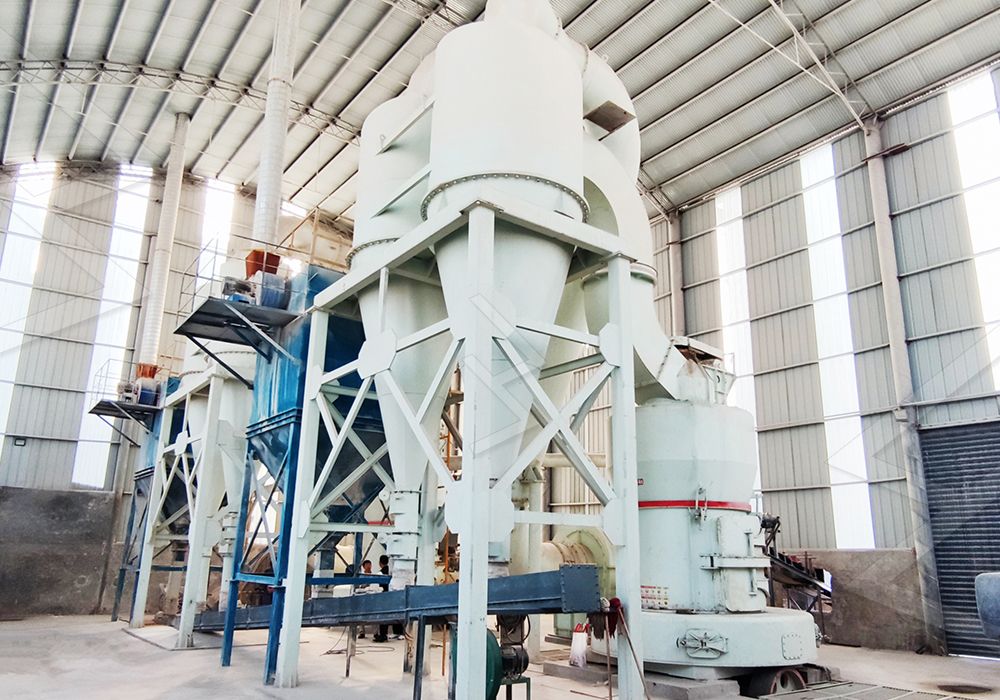
Before committing to any equipment, always request detailed quotations, review case studies, and if possible, conduct a factory inspection. The goal is to find a partner whose technology doesn’t just replace old equipment but actively drives your profitability forward through smarter, cleaner, and more efficient production.