
Best Water Slag Grinding Machine for Steel Plants
We provide a wide range of mills — including Raymond mill, trapezoidal mill, vertical mill, ultrafine mill, and ball mill, obtained ISO9001 international quality certification, EU CE certification, and Customs Union CU-TR certification. Suitable for processing minerals such as limestone, phosphate, quicklime, kaolin, talc, barite, bentonite, calcium carbonate, dolomite, coal, gypsum, clay, carbon black, slag, cement raw materials, cement clinker, and more.
The discharge range of these mills can be adjusted to meet specific processing needs, typically from 80-400 mesh, 600-3250 mesh, and can achieve the finest particle size of up to 6000 mesh(D50).
If you are looking for a reliable grinding solution to turn stone or minerals into fine powder, please feel free to contact our online customer service.
Best Water Slag Grinding Machine for Steel Plants
In the steel industry, efficient waste management is not just an environmental concern—it’s a critical economic factor. Water slag, a byproduct of steel production, presents both a challenge and an opportunity. When processed correctly, this material can be transformed into valuable products like cement additives or concrete enhancers. The key to unlocking this value lies in selecting the right grinding equipment. For steel plants aiming to optimize their slag processing operations, the choice of grinding mill impacts everything from operational costs to product quality and environmental compliance.
Why Specialized Grinding Matters for Slag
Slag possesses unique abrasive properties and moisture content that demand robust and efficient grinding solutions. Traditional ball mills, while common, often fall short in terms of energy efficiency, wear part longevity, and achieving the uniform fineness required for high-value applications. The ideal machine must handle these matereials with lower energy consumption, minimal maintenance downtime, and produce a consistently fine powder to maximize the slag’s marketability.
Key Considerations for Steel Plants
When evaluating grinding machines, steel plant operators should prioritize several factors:
- Energy Efficiency: Grinding can be power-intensive. Machines that consume less energy per ton processed significantly reduce operating costs.
- Durability & Maintenance: The abrasive nature of slag accelerates wear. Equipment designed with easy-to-replace, long-lasting wear parts minimizes downtime and maintenance expenses.
- Environmental Controls: Integrated dust collection and noise reduction systems are essential for meeting stringent environmental and workplace safety standards.
- Product Fineness & Flexibility: The ability to precisely control the fineness of the end product (often between 325-2500 meshes) allows plants to cater to different market demands.
Recommended Solution: LM Vertical Slag Mill
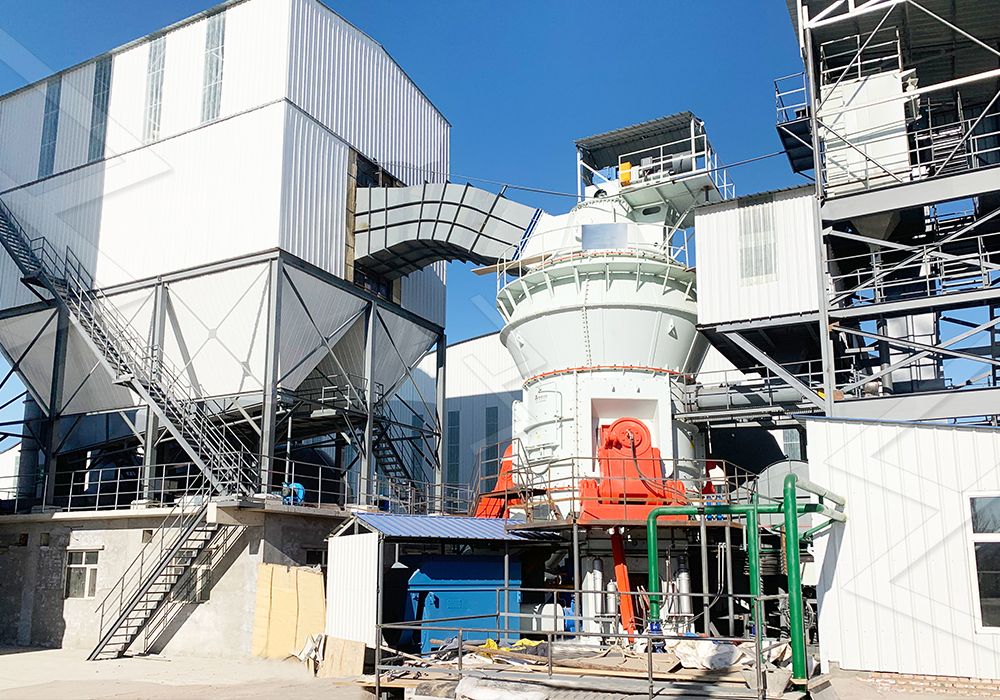
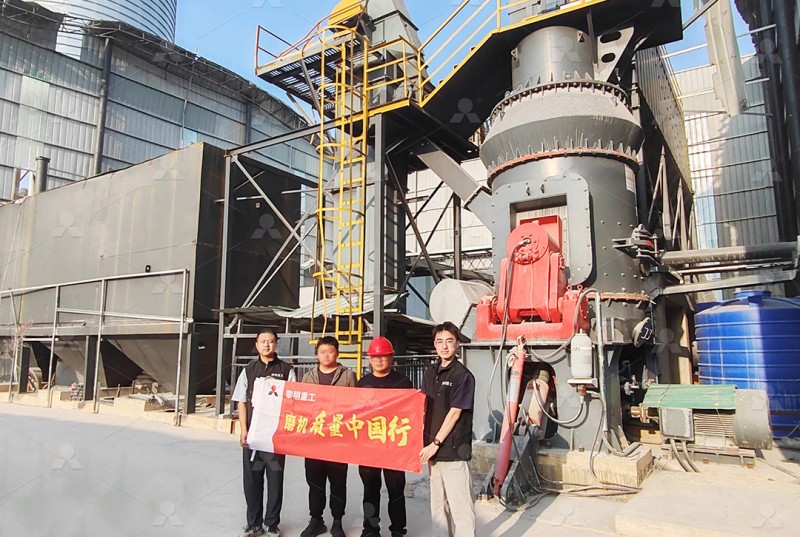
Based on years of industry feedback and technical performance, our LM Vertical Slag Mill stands out as a premier choice for steel plants. This machine is specifically engineered for grinding industrial waste like water slag and steel slag into high-quality powder.
With an input size of 38-65mm and a capacity range of 7-100 T/H, it integrates drying, grinding, powder selection, and conveying into a single, compact unit. Its vertical structure reduces the footprint by approximately 50% compared to ball mill systems, and more importantly, it reduces energy consumption by 30% to 40%. The mill’s unique grinding device and high-performance wear-resistant materials ensure reliable operation and long service life, even with highly abrasive slag. The fineness of the finished powder is uniform, making it perfect for cement and concrete production.
A High-Capacity Alternative: MW Ultrafine Grinding Mill
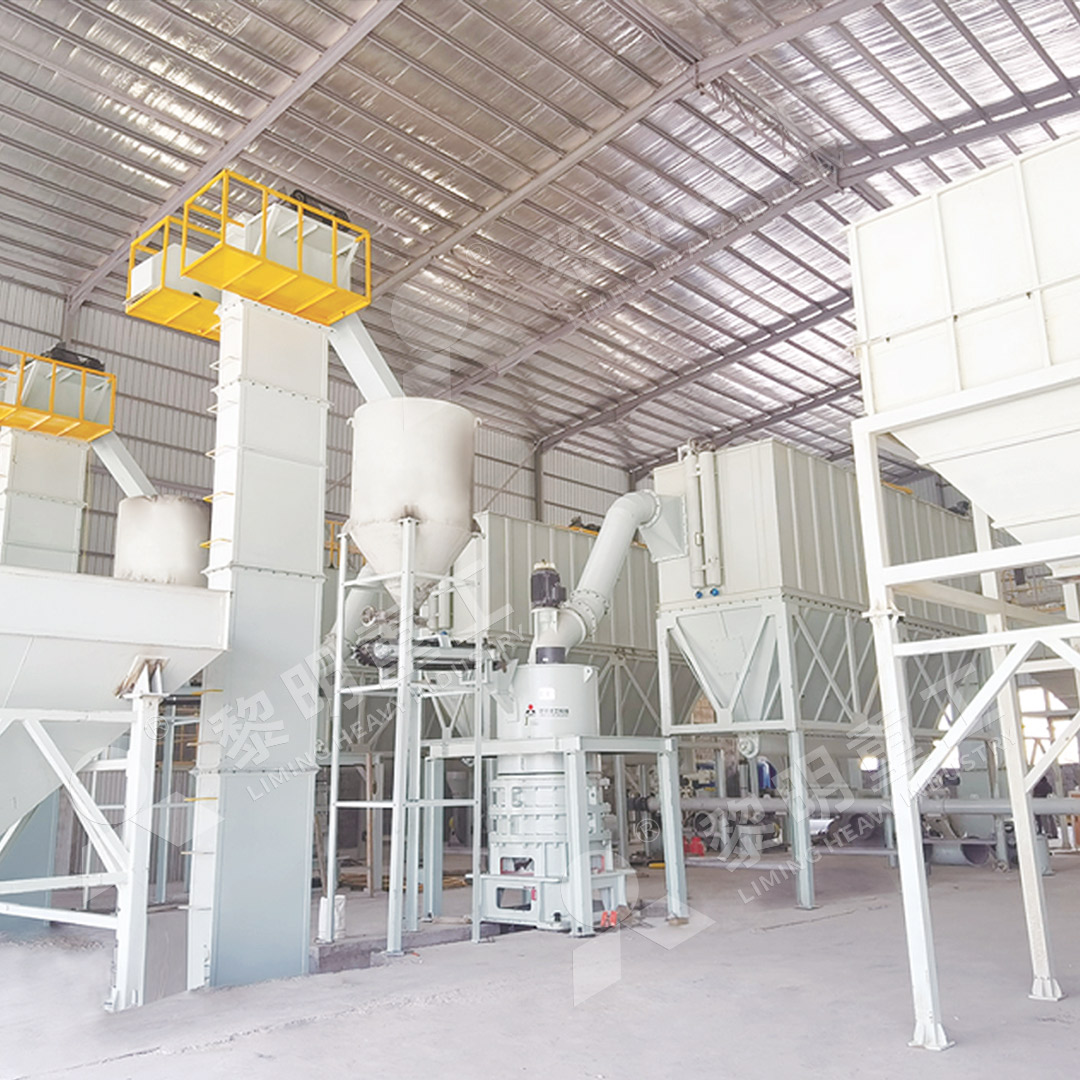
For operations requiring ultra-fine powder for specialized applications, our MW Ultrafine Grinding Mill is another excellent option. This machine is designed for customers who need to make ultra-fine powder from various materials, including slag.
It handles an input size of 0-20 mm with a capacity of 0.5-25 tph. A key advantage is its adjustable fineness between 325-2500 meshes, achieved through a advanced German cage-type powder selector. It boasts higher yielding and lower energy consumption—production capacity is 40% higher than jet mills with system energy consumption only 30% of theirs. Its design eliminates rolling bearings and screws in the grinding chamber, virtually eliminating concerns about bearing damage or loose screws causing failures. Furthermore, it is equipped with an efficient pulse dust collector and muffler, making the entire production process more eco-friendly with reduced dust and noise.
Conclusion
Investing in the right grinding technology is paramount for steel plants looking to capitalize on their slag byproduct. It’s a strategic decision that reduces waste, creates a new revenue stream, and enhances environmental credentials. The LM Vertical Slag Mill, with its dedicated design and proven efficiency, offers a tailored solution for large-scale slag recycling. For ultra-fine powder requirements, the MW Ultrafine Grinding Mill provides precision and reliability. By choosing equipment designed for the specific challenges of slag, plants can ensure lower operating costs, higher product quality, and a more sustainable operation.