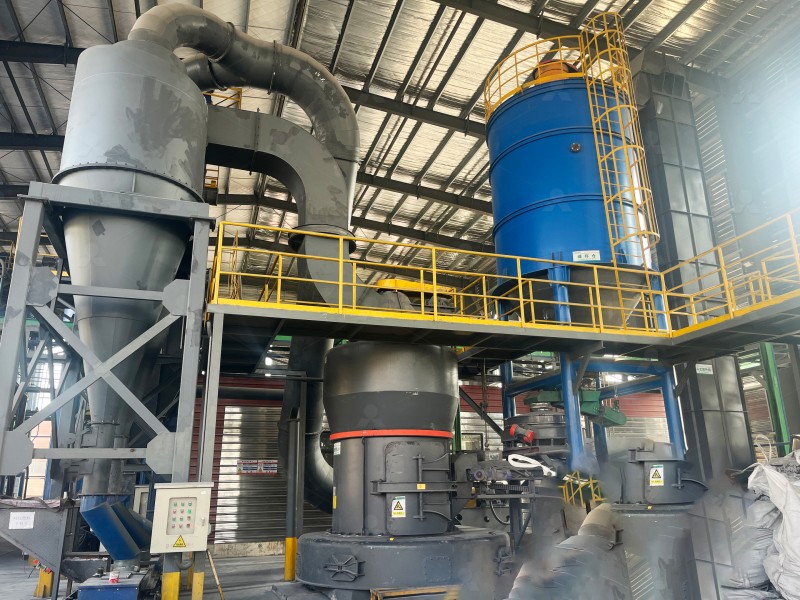
Best Stone Grinding Mills for Traditional German Grain Processing
We provide a wide range of mills — including Raymond mill, trapezoidal mill, vertical mill, ultrafine mill, and ball mill, obtained ISO9001 international quality certification, EU CE certification, and Customs Union CU-TR certification. Suitable for processing minerals such as limestone, phosphate, quicklime, kaolin, talc, barite, bentonite, calcium carbonate, dolomite, coal, gypsum, clay, carbon black, slag, cement raw materials, cement clinker, and more.
The discharge range of these mills can be adjusted to meet specific processing needs, typically from 80-400 mesh, 600-3250 mesh, and can achieve the finest particle size of up to 6000 mesh(D50).
If you are looking for a reliable grinding solution to turn stone or minerals into fine powder, please feel free to contact our online customer service.
Best Stone Grinding Mills for Traditional German Grain Processing
For centuries, the heart of authentic German bread and baked goods has been the quality of the flour. Traditional stone grinding is revered for its ability to preserve the wheat germ’s natural oils and nutrients, resulting in a richer flavor profile and a more wholesome product compared to modern high-speed roller mills. The slow, cool grinding process prevents the heat buildup that can destroy delicate enzymes and aromas, making it the preffered method for artisanal bakeries and mills dedicated to the Reinheitsgebot (purity law) ethos. Choosing the right equipment is paramount to achieving that perfect, consistent grind.
Key Considerations for Authentic Grain Milling
When selecting a mill for traditional processing, several factors come into play. The grind must be consistent and adjustable, from a coarse meal for rustic Bauernbrot to a fine flour for delicate Kuchen. The mill’s construction should be robust, often using natural or composite millstones that mimic the action of traditional basalt or granite stones. Efficiency, energy consumption, and the ability to handle various grains—like rye, spelt, and einkorn—are also critical. Furthermore, modern demands require that these mills integrate dust collection and noise reduction to meet environmental and workplace standards, all while maintaining the integrity of the milling process.
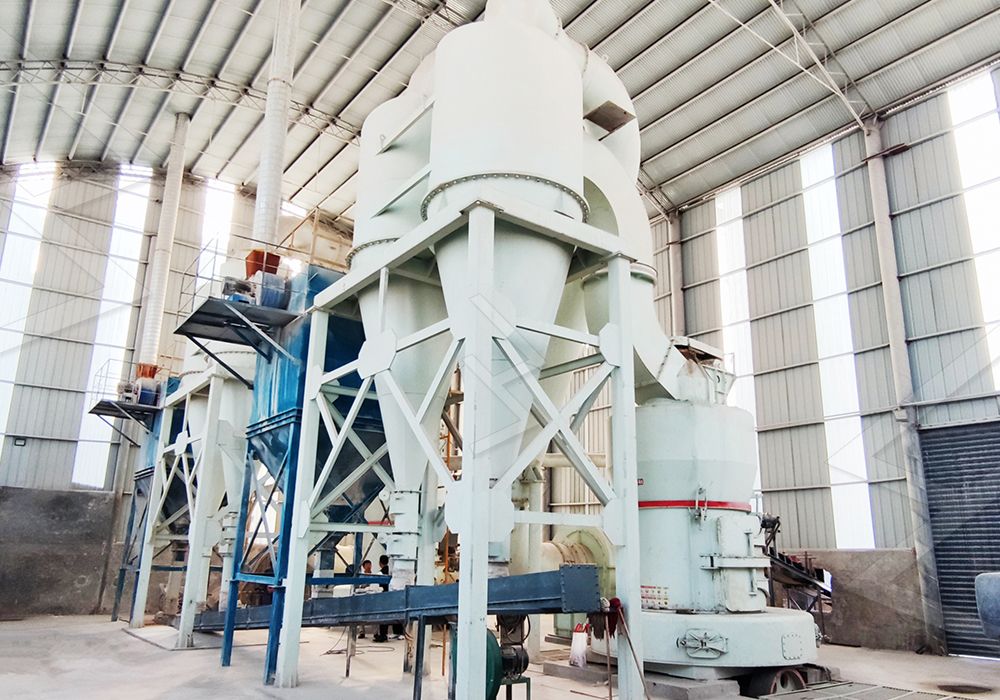
Modern Engineering for Traditional Results
While the principle remains timeless, modern technology has significantly enhanced the efficiency and reliability of stone grinding mills. Today’s best mills combine traditional milling concepts with advanced engineering, offering higher yields, lower energy consumption, and unparalleled control over the final product’s fineness. This allows producers to scale authentic production without sacrificing quality.
Recommended Mill for High-Quality Output
For operations focused on producing ultra-fine, high-quality flour for specialty baked goods or food additives, the MW Ultrafine Grinding Mill is an exceptional choice. This machine is expertly designed for customers who need to make ultra-fine powder without compromising on the gentle processing that grain requires. It’s equipped with an efficient pulse dust collector and muffler, making the entire production process cleaner and quieter, with minimal effect on the environment.
Its key features make it ideal for value-added grain processing:
- Higher Yielding, Lower Energy Consumption: Its newly designed grinding curves enhance efficiency. With the same fineness and power, its capacity is 40% higher than jet mills and double that of a ball mill, yet it uses 30% less energy.
- Adjustable Fineness (325-2500 meshes): A German-technology, cage-type powder selector allows for precise separation, letting you dial in the exact consistency needed for any recipe, achieving a fine sieve rate of d97≤5μm.
- Worry-Free Operation: With no rolling bearings or screws in the grinding chamber, there’s no risk of damage from these components. External lubrication allows for 24/7 operation.
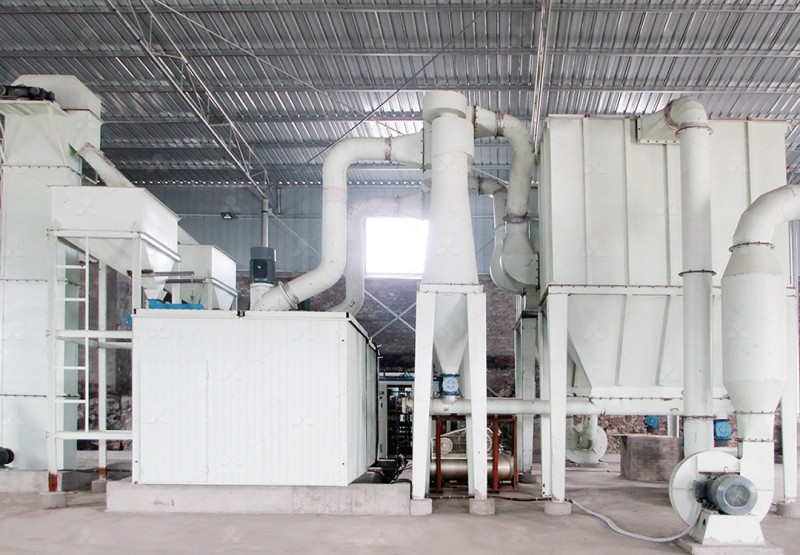
Another Strong Contender: The MTW European Trapezium Mill
Another excellent option for traditional and larger-scale processing is the MTW European Trapezium Grinding Mill. This mill has earned a large market share thanks to its bevel gear overall drive and inner automatic thin-oil lubricating system. It excels in producing excellent quality final powders with high production efficiency. Its unique split-type, cambered shovel blade effectively enlarges the working area and improves output, while its professional dust remover ensures a pollution-free operation, keeping your worksite clean and environmentally friendly.
Conclusion
The quest for authentic German grain processing starts with the mill. By choosing equipment that marries time-honored milling techniques with modern, reliable, and efficient technology, producers can create flours that are true to tradition while meeting today’s market demands. Whether you opt for the ultra-fine precision of the MW Ultrafine Grinding Mill or the robust efficiency of the MTW European Trapezium Mill, investing in the right technology is the first step in bringing genuine German flavor to the table.