
Best Prices for Grinding Mills in Zimbabwe: Hammer & Maize Mills
We provide a wide range of mills — including Raymond mill, trapezoidal mill, vertical mill, ultrafine mill, and ball mill, obtained ISO9001 international quality certification, EU CE certification, and Customs Union CU-TR certification. Suitable for processing minerals such as limestone, phosphate, quicklime, kaolin, talc, barite, bentonite, calcium carbonate, dolomite, coal, gypsum, clay, carbon black, slag, cement raw materials, cement clinker, and more.
The discharge range of these mills can be adjusted to meet specific processing needs, typically from 80-400 mesh, 600-3250 mesh, and can achieve the finest particle size of up to 6000 mesh(D50).
If you are looking for a reliable grinding solution to turn stone or minerals into fine powder, please feel free to contact our online customer service.
Finding the Right Grinding Solution for Zimbabwe’s Agricultural and Mining Sectors
For farmers, miners, and industrial operators across Zimbabwe, securing reliable and cost-effective grinding equipment is not just a purchase—it’s an investment in productivity and profitability. The local economy, heavily reliant on agriculture and mineral resources, demands robust milling solutions that can withstand rigorous use while optimizing operational costs. The challenge often lies in balancing initial investment with long-term performance, energy consumption, and maintenance requirements.
Having spoken with numerous operators from Harare to Bulawayo, a common theme emerges: the need for mills that deliver consistent fineness, high throughput, and minimal downtime. Whether processing maize for mealie-meal or grinding minerals for export, the right mill can significantly impact your bottom line.
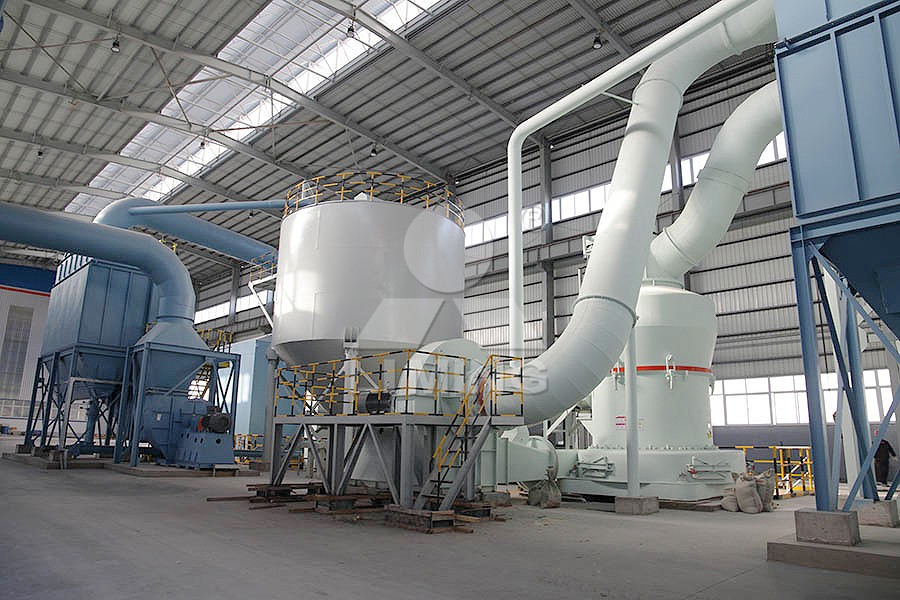
Key Considerations When Choosing a Mill in Zimbabwe
Before diving into specific models, it’s crucial to assess your operational needs. What is your target capacity? What fineness of powder is required for your end product? How critical is energy efficiency given local power supply considerations? For many, a versatile mill that can handle a range of materials—from agricultural grains to industrial minerals—offers the best value.
Two standout performers in our lineup, based on extensive feedback from the region, are the MW Ultrafine Grinding Mill and the MTW-Z European Trapezium Mill. Let’s examine why these models have gained popularity.
Spotlight on the MW Ultrafine Grinding Mill
For operations requiring ultra-fine powder between 325 and 2500 meshes, the MW Ultrafine Grinding Mill is a game-changer. We’ve seen it deployed successfully in processing limestone, calcite, and talc for various industries. Its design directly addresses common pain points. The absence of rolling bearings and screws in the grinding chamber is a significant advantage, virtually eliminating failures related to these components—a frequent cause of downtime in other mills.
What truly sets the MW series apart is its efficiency. With a capacity ranging from 0.5 to 25 tons per hour, it achieves a production capacity 40% higher than jet mills while consuming only 30% of the energy. For a business watching its operational expenses, this translates to substantial savings. The integrated pulse dust collector and muffler also ensure the production process is clean and compliant with environmental standards, which is increasingly important.
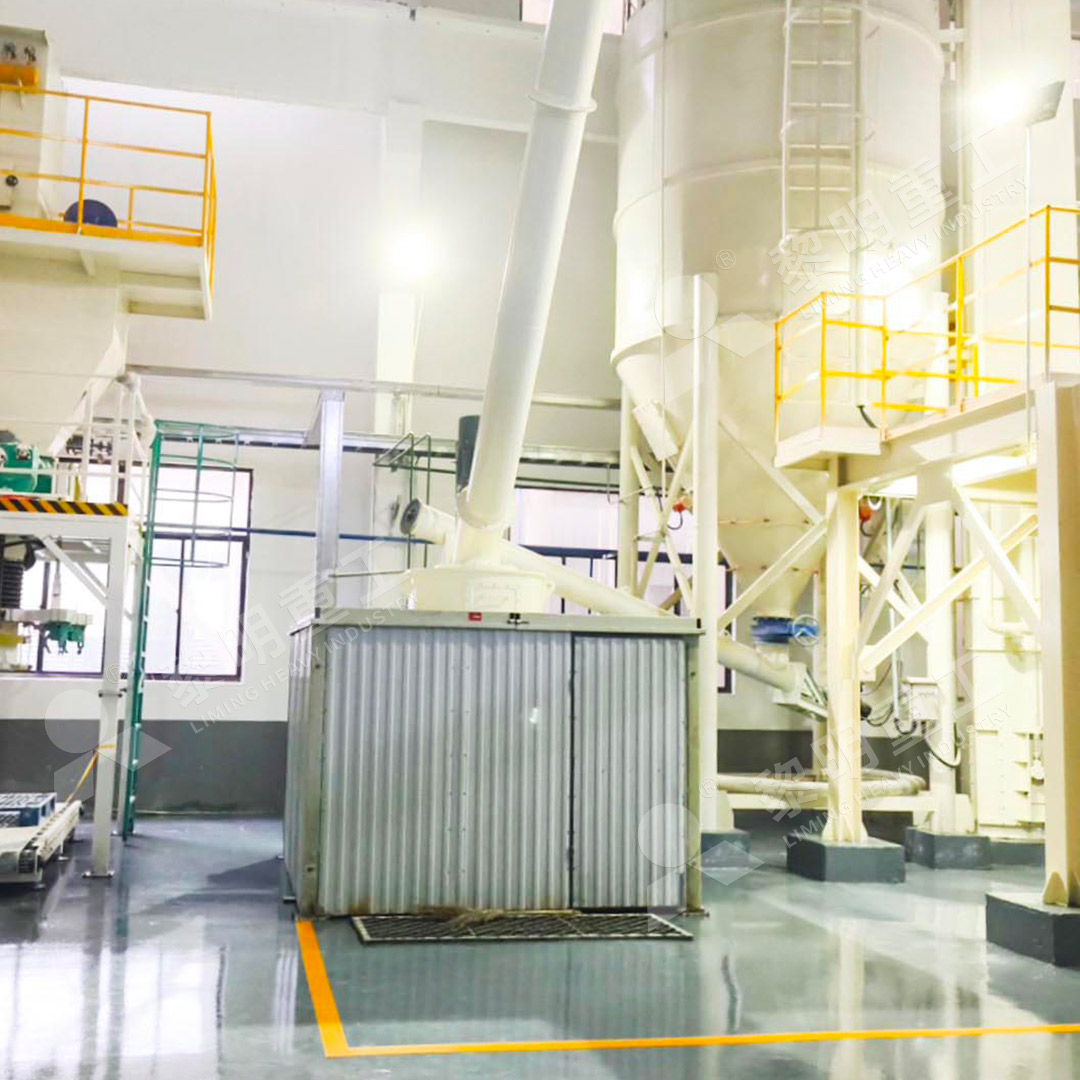
The Robust MTW-Z European Trapezium Mill for Heavy-Duty Use
If your operation involves grinding larger feed sizes (up to 50mm) and requires a robust, low-maintenance workhorse, the MTW-Z European Trapezium Mill is an excellent choice. Its advanced features are designed for stability and longevity. The elastic volute damping structure, for instance, is specifically engineered to reduce vibrational damage, a common issue that leads to cracks and failures in less robust machines.
The MTW-Z’s use of dilute oil lubrication for the grinding rollers is a maintenance breakthrough. It’s far more convenient than traditional grease lubrication, requiring less frequent attention and lowering long-term maintenance costs. Furthermore, the absence of a shovel blade cylinder in the grinding chamber allows for better ventilation and higher grinding efficiency, directly boosting your output.
Beyond the Machine: Support and Service
Investing in machinery for the Zimbabwean market goes beyond the initial specs. Reliable technical support and ready availability of genuine spare parts are non-negotiable. Our commitment includes providing comprehensive technical services and original spare parts to ensure worry-free operation, minimizing the risk of prolonged stoppages that can cripple production schedules.
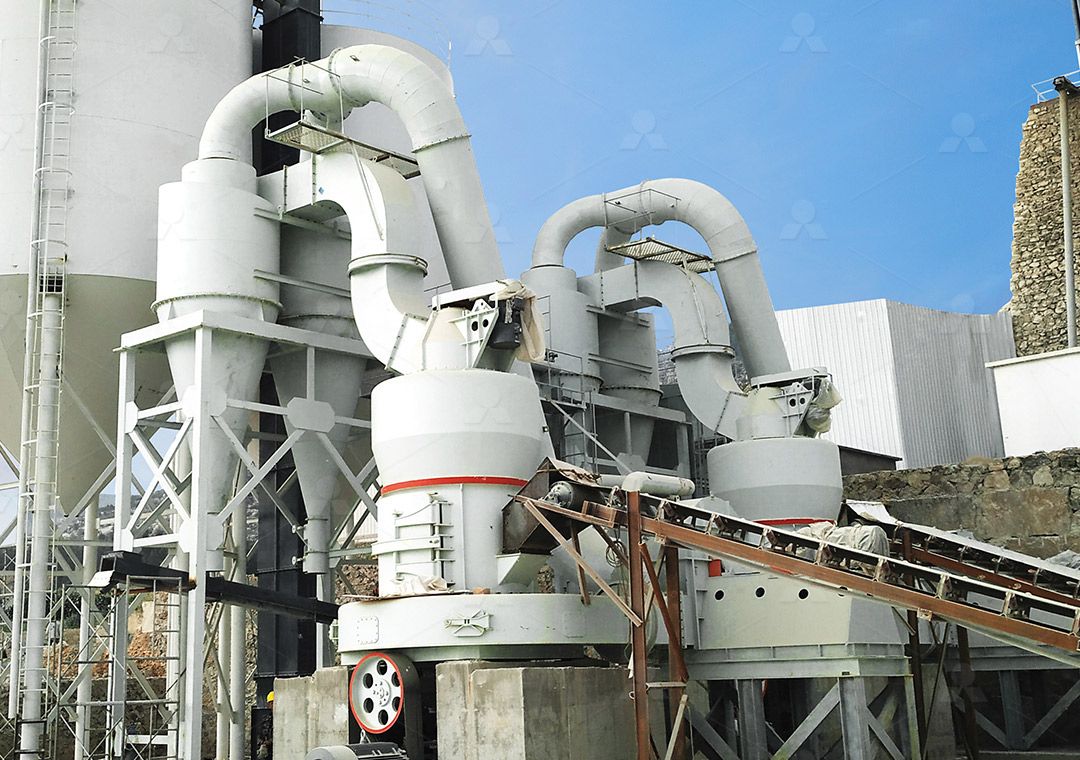
The decision ultimately hinges on your specific material, desired fineness, and production goals. We encourage potential buyers to share their project details with our technical team for a tailored recommendation that ensures you get the best possible price-to-performance ratio for your grinding needs in Zimbabwe.
Frequently Asked Questions (FAQ)
What is the typical lead time for delivery of a grinding mill to Zimbabwe?
Lead times can vary based on the model and specific configuration, but we generally aim for shipment within 4-6 weeks after order confirmation, with transit time to major ports in Zimbabwe being additional.
Do you provide installation and commissioning support locally?
Yes, we can arrange for our engineers to supervise installation and commissioning on-site. We also provide detailed installation manuals and offer remote support to guide your local team through the process.
How does the MW Ultrafine Mill handle Zimbabwe’s sometimes unstable power supply?
The MW Mill is designed with efficient energy consumption in mind, which helps mitigate issues related to power fluctuations. However, we strongly recommend using a voltage stabilizer or generator backup system to protect the equipment’s electrical components from damage due to surges or outages.
Are spare parts readily available within Africa?
We maintain a strategic inventory of critical spare parts to ensure faster delivery times to our African clients. While common wear parts are often available ex-stock, we advise keeping a small inventory of high-wear items on-site to avoid production delays.
Can these mills be used for grinding maize as well as minerals?
Absolutely. While specifications like the MTW-Z are excellent for minerals, they are equally capable of processing maize and other grains to a fine powder for mealie-meal production. The key is adjusting the settings to achieve the desired fineness for food-grade products.