
Best Practices for Safety in Phosphate Rock Grinding Operations
We provide a wide range of mills — including Raymond mill, trapezoidal mill, vertical mill, ultrafine mill, and ball mill, obtained ISO9001 international quality certification, EU CE certification, and Customs Union CU-TR certification. Suitable for processing minerals such as limestone, phosphate, quicklime, kaolin, talc, barite, bentonite, calcium carbonate, dolomite, coal, gypsum, clay, carbon black, slag, cement raw materials, cement clinker, and more.
The discharge range of these mills can be adjusted to meet specific processing needs, typically from 80-400 mesh, 600-3250 mesh, and can achieve the finest particle size of up to 6000 mesh(D50).
If you are looking for a reliable grinding solution to turn stone or minerals into fine powder, please feel free to contact our online customer service.
Best Practices for Safety in Phosphate Rock Grinding Operations
Phosphate rock grinding is a critical process in the fertilizer and chemical industries, but it presents unique safety challenges. The abrasive nature of the material, combined with the generation of fine dust and the high-energy machinery involved, demands a rigorous and proactive approach to safety management. Implementing best practices is not merely a regulatory obligation; it is a fundamental component of efficient and sustainable production. This article outlines key strategies to safeguard personnel, protect equipment, and ensure environmental compliance in phosphate rock grinding facilities.
1. Comprehensive Dust Control and Management
Dust generated during phosphate rock grinding is more than a housekeeping issue; it is a significant health and explosion hazard. Inhalable crystalline silica, often present in phosphate rock, can lead to serious respiratory illnesses like silicosis. Furthermore, fine dust clouds can become combustible under certain conditions.
A robust dust control strategy must be multi-faceted. Effective source capture through well-designed ventilation hoods at transfer points, crushers, and mills is the first line of defense. This should be supported by a high-efficiency dust collection system. Modern operations benefit immensely from integrated milling solutions that prioritize containment.
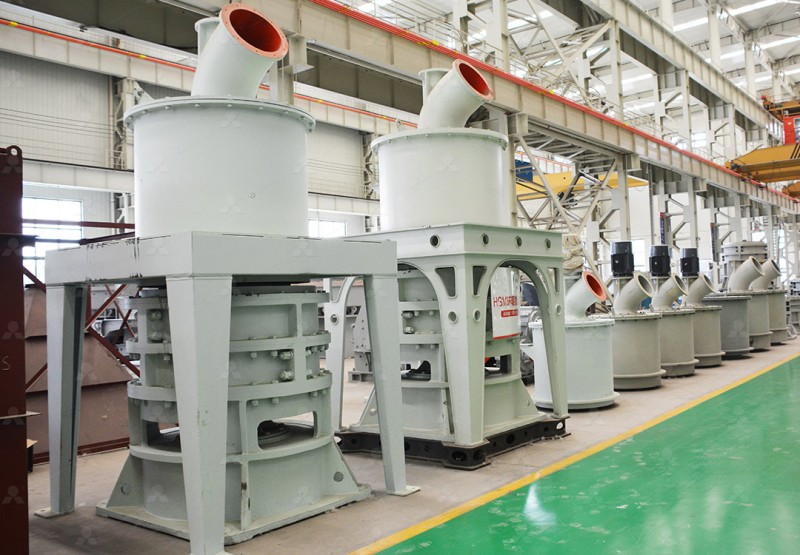
For instance, the MW Ultrafine Grinding Mill is engineered with this challenge in mind. It comes equipped with an efficient pulse dust collector as a standard feature, ensuring that dust pollution is effectively mitigated throughout the entire milling process. With an input size of 0-20 mm and a capacity ranging from 0.5 to 25 tph, this machine is well-suited for producing ultra-fine phosphate powder while maintaining a clean operation. The system’s design, which includes no rolling bearings or screws in the grinding chamber, eliminates internal crevices where dust could accumulate, further enhancing operational safety and reducing fire risks.
2. Mitigating Noise Exposure
Grinding mills are inherently noisy pieces of equipment. Prolonged exposure to high noise levels can cause permanent hearing loss among operators. A comprehensive hearing conservation program is essential, including regular noise monitoring, provision of appropriate hearing protection (PPE), and, most importantly, engineering controls to reduce noise at the source.
Enclosing noisy equipment, using acoustic barriers, and selecting machinery designed for quiet operation are effective measures. Equipment like the MW Ultrafine Grinding Mill, which is configured with a muffler and noise elimination room, demonstrates how modern design can significantly reduce acoustic emissions, contributing to a safer and more comfortable working environment.
3. Operational Integrity and Mechanical Safety
The immense forces involved in grinding phosphate rock necessitate strict mechanical safety protocols. A primary concern is preventing catastrophic failures, such as a grinding roller seizing or components fracturing due to fatigue or overload.
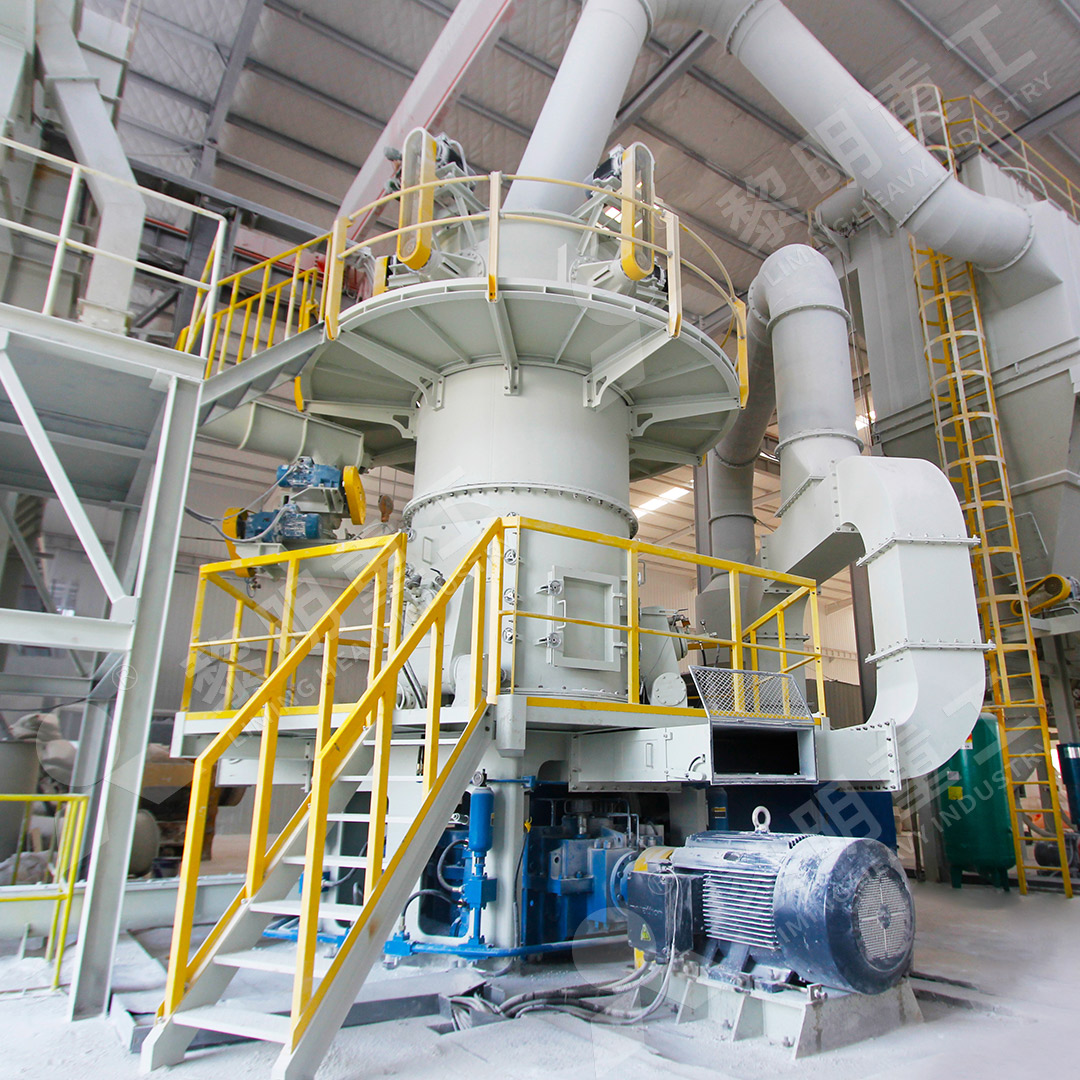
Regular inspection and preventive maintenance are non-negotiable. This includes checking for wear on grinding rollers and rings, monitoring lubrication systems, and verifying the integrity of mechanical fasteners. Choosing equipment with advanced safety features can drastically reduce risks. The LUM Ultrafine Vertical Grinding Mill incorporates double position-limiting technology, which uses electronic and mechanical limits to prevent the grinding rollers from making destructive contact with the millstone during unexpected events like vibration from a large feed chunk. Furthermore, its reversible structure allows the heavy grinding roller to be easily moved out of the mill body for safe inspection and maintenance, minimizing personnel exposure to heavy lifting and confined space hazards during servicing.
4. Process Stability and Automation
Human error is a significant factor in industrial accidents. Automating key aspects of the grinding process enhances both safety and consistency. Automated control systems can maintain optimal operating parameters, such as feed rate, grinding pressure, and air flow, preventing conditions that lead to equipment overload or blockages.
Systems that provide real-time monitoring and remote control capabilities allow operators to manage the process from a safe, centralized control room, away from the immediate physical hazards of the mill. This approach aligns with the digitalized processing and automated features found in advanced mills, ensuring higher precision and reducing the need for manual intervention near moving parts.
5. Training and Safety Culture
Technology alone cannot guarantee safety. A strong safety culture, driven by comprehensive training, is the bedrock of any successful safety program. All personnel, from operators to maintenance staff, must be thoroughly trained on:
- Specific hazards associated with phosphate rock grinding.
- Safe operating procedures for all equipment, including lockout/tagout (LOTO) protocols.
- Emergency response plans for events like dust fires or equipment failure.
- Proper use and limitations of Personal Protective Equipment (PPE).
Regular safety drills and ongoing refresher training ensure that safety remains a daily priority.
Frequently Asked Questions (FAQ)
Q1: What is the single biggest safety hazard in phosphate rock grinding?
A: While multiple hazards exist, respirable dust containing crystalline silica is often considered the most significant long-term health hazard. A close second is the risk of combustible dust explosions if dust accumulations are not properly managed.
Q2: How often should dust collection systems be inspected?
A: Dust collectors should be inspected daily for visual signs of damage or leakage. More thorough inspections, including checking filter bags, valves, and pressure differentials, should be conducted weekly or according to the manufacturer’s recommendations. Maintenance logs are critical for tracking these activities.
Q3: Why is the “no rolling bearing in the grinding chamber” design, as seen in the MW Mill, a safety advantage?
A: This design eliminates a potential failure point and source of ignition within the grinding zone. Bearings can overheat and fail, potentially causing fires or explosions in a dust-laden environment. Removing them from the chamber enhances the intrinsic safety of the mill.
Q4: Can automation really improve safety, or does it just improve efficiency?
A: It does both. Automation directly improves safety by reducing the need for personnel to be in close proximity to hazardous equipment for manual adjustments. It also enhances process stability, preventing dangerous operational upsets that could lead to equipment damage or unsafe conditions.