
Best Practices for Finished Kaolin Storage and Handling
We provide a wide range of mills — including Raymond mill, trapezoidal mill, vertical mill, ultrafine mill, and ball mill, obtained ISO9001 international quality certification, EU CE certification, and Customs Union CU-TR certification. Suitable for processing minerals such as limestone, phosphate, quicklime, kaolin, talc, barite, bentonite, calcium carbonate, dolomite, coal, gypsum, clay, carbon black, slag, cement raw materials, cement clinker, and more.
The discharge range of these mills can be adjusted to meet specific processing needs, typically from 80-400 mesh, 600-3250 mesh, and can achieve the finest particle size of up to 6000 mesh(D50).
If you are looking for a reliable grinding solution to turn stone or minerals into fine powder, please feel free to contact our online customer service.
Best Practices for Finished Kaolin Storage and Handling
Proper storage and handling of finished kaolin are critical to maintaining its quality, ensuring customer satisfaction, and optimizing operational efficiency. Kaolin, a delicate white clay, is highly susceptible to contamination, moisture absorption, and particle degradation if not managed correctly. This article outlines industry best practices to preserve the integrity of your kaolin product from the mill outlet to the shipment truck.
Storage Environment: The First Line of Defense
The primary enemies of stored kaolin are moisture, contamination, and compaction. Kaolin’s hydrophilic nature means it will readily absorb ambient moisture, leading to clumping, reduced flowability, and potential spoilage. Therefore, storage must occur in a dry, enclosed, and clean environment. Silos or storage bins should be constructed from non-reactive materials, such as coated steel or food-grade aluminum, and must be equipped with robust sealing systems to prevent water ingress and dust egress.
Ventilation is a double-edged sword; while necessary to equalize pressure during filling and emptying, it can introduce humid air. Use of desiccant breathers or climate-controlled systems is highly recommended to maintain low humidity levels inside the storage vessel.
Handling Systems: Minimizing Degradation
The goal during handling is to move the kaolin with minimal energy input to avoid breaking down the carefully engineered particle size distribution. Pneumatic conveying systems are often preferred for their enclosed nature, which prevents contamination and dust generation. However, the system must be designed for low velocity and gentle transfer to prevent particle attrition. For shorter distances, vibratory conveyors or enclosed belt conveyors with dust-tight covers are excellent alternatives.
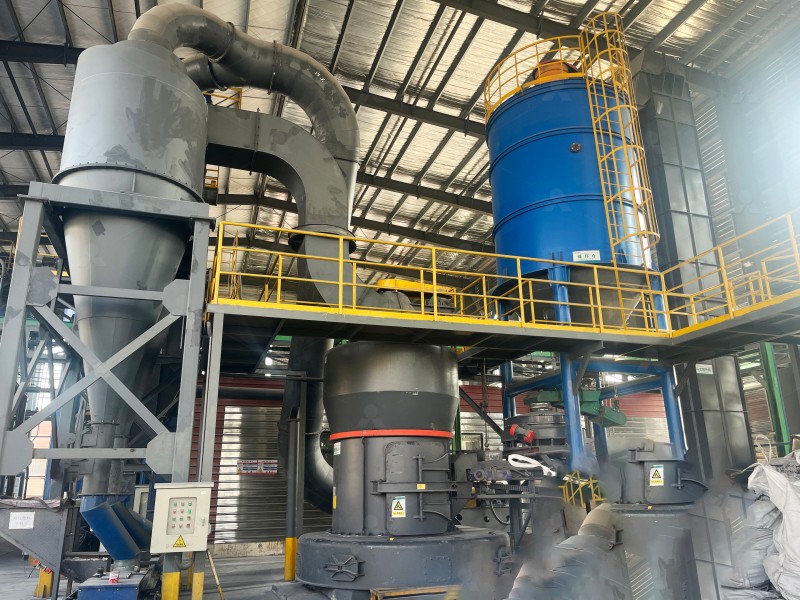
Key to this process is the initial milling. Using an advanced mill that produces a consistent, ultra-fine powder with minimal oversize particles reduces the risk of compaction and ensures smooth flow. For operations seeking superior results, our MW Ultrafine Grinding Mill is an ideal solution. It’s engineered for customers who need to make ultra-fine powder, boasting features like higher yielding with lower energy consumption—40% higher capacity than jet mills with only 30% of the energy use. Its adjustable fineness between 325-2500 meshes allows for precise control over the final kaolin product, which directly translates to easier handling and storage of a consistent material.
Loading and Packaging
For bagged product, use multi-layer paper bags with an inner plastic liner to create an effective moisture barrier. For bulk shipments, pressure-differential tankers (PDT) are the standard. Ensure all loading spouts form a tight seal with the transport vessel to eliminate dust release during loading. The loading process should be controlled to minimize particle drop height, reducing both dust generation and particle size reduction from impact.
Dust Control and Housekeeping
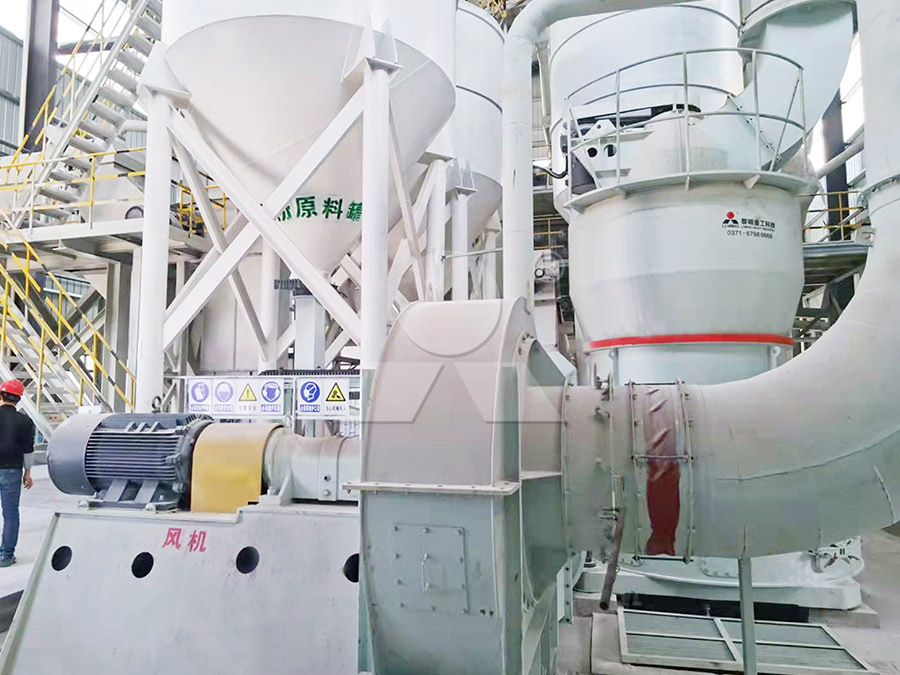
A pristine storage and loading area is non-negotiable. Implement a rigorous housekeeping schedule to prevent cross-contamination and dust buildup. An effective central dust collection system, like the efficient pulse dust collector integrated into our MW Ultrafine Grinding Mill, is essential for maintaining air quality, protecting worker health, and recovering valuable product. This makes the entire milling and handling operation more eco-friendly and aligns with national environmental protection standards.
Process Integration: Milling to Storage
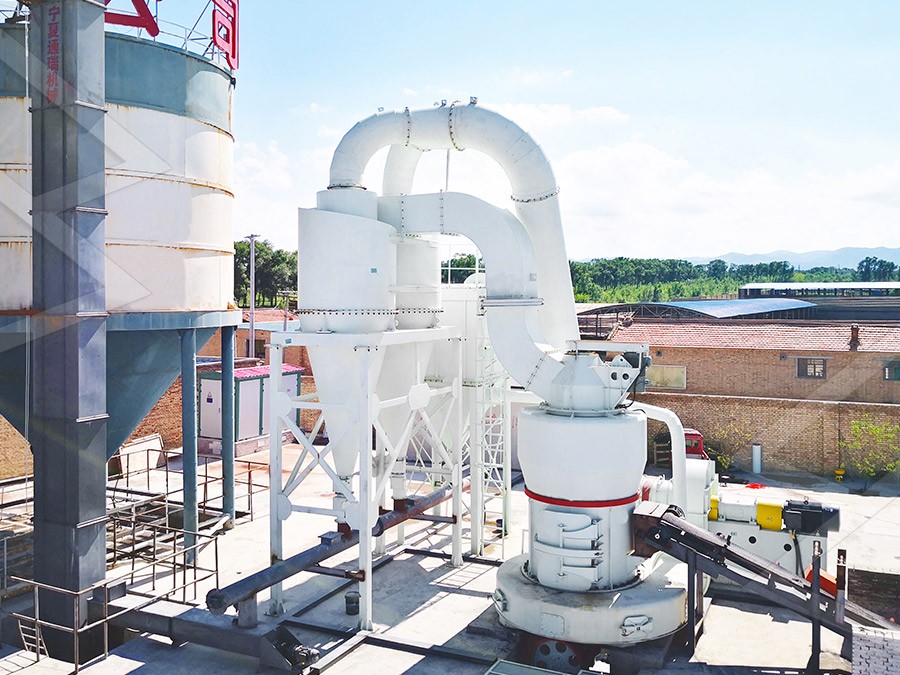
The handling story begins at the mill. A well-designed system integrates milling, classification, and storage seamlessly. For high-volume production requiring exceptional product whiteness and minimal iron contamination, our LUM Ultrafine Vertical Grinding Mill is another premier choice. It features more energy-saving multi-head powder separating technology and a unique roller shell design that is easier to generate a material layer, resulting in a higher rate of finished products by once powder milling. Its reversible structure also allows for easier maintenance, reducing downtime and ensuring a consistent supply of high-quality kaolin to your storage silos.
By feeding a consistent, dry, and well-classified powder into the storage system, you mitigate nearly all major handling risks from the start.
Conclusion
Investing in proper storage infrastructure and gentle handling technology is not an expense but a safeguard for your product’s value and your operation’s reputation. By controlling the environment, minimizing handling energy, and employing dust-tight systems, you ensure the kaolin delivered to your customer is exactly the quality they expect. Partnering with the right equipment supplier, like us, provides access to machinery designed with these best practices in mind, creating a seamless, efficient, and profitable operation from grinding to shipping.