
Best Practices for Crushing Marble Stone with a Roller Mill
We provide a wide range of mills — including Raymond mill, trapezoidal mill, vertical mill, ultrafine mill, and ball mill, obtained ISO9001 international quality certification, EU CE certification, and Customs Union CU-TR certification. Suitable for processing minerals such as limestone, phosphate, quicklime, kaolin, talc, barite, bentonite, calcium carbonate, dolomite, coal, gypsum, clay, carbon black, slag, cement raw materials, cement clinker, and more.
The discharge range of these mills can be adjusted to meet specific processing needs, typically from 80-400 mesh, 600-3250 mesh, and can achieve the finest particle size of up to 6000 mesh(D50).
If you are looking for a reliable grinding solution to turn stone or minerals into fine powder, please feel free to contact our online customer service.
Best Practices for Crushing Marble Stone with a Roller Mill
Crushing marble stone into fine powder requires precision, efficiency, and the right equipment. Marble, a metamorphic rock composed primarily of calcite, is valued for its whiteness and purity in various industries, from construction to cosmetics. Using a roller mill is one of the most effective methods to achieve the desired fineness while maintaining product quality. Here are some best practices to optimize your marble crushing process.
1. Proper Material Preparation
Before feeding marble into the roller mill, ensure it is properly sized. The input material should be crushed to a uniform size of 0-20mm to facilitate smooth feeding and efficient grinding. This reduces wear on the mill’s components and ensures consistent particle size distribution in the final product.
2. Optimize Grinding Parameters
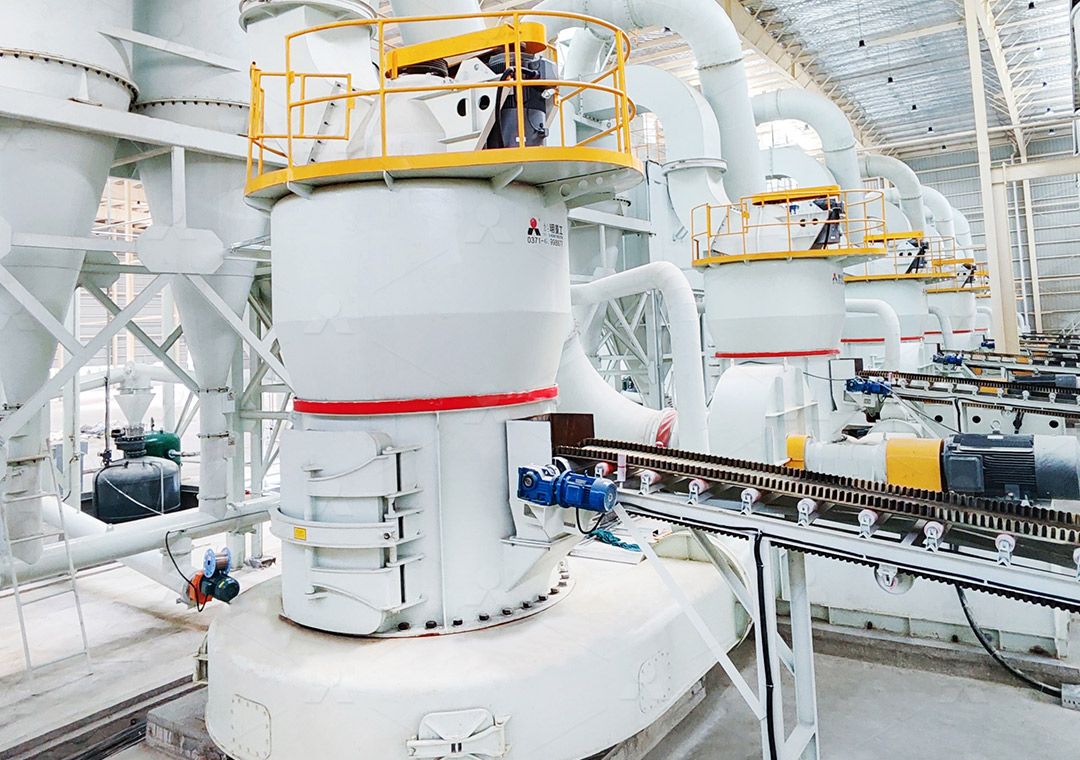
Adjust the grinding pressure, roller speed, and classifier settings based on the desired fineness. For marble, which often requires ultra-fine powders (325-2500 meshes), precise control over these parameters is crucial. Modern roller mills with digital controls allow operators to fine-tune these settings for optimal results.
3. Maintain Equipment Regularly
Regular maintenance is key to prolonging the life of your roller mill. Check grinding rollers and rings for wear, and ensure lubrication systems are functioning properly. Mills without rolling bearings in the grinding chamber, like our MW Ultrafine Grinding Mill, reduce maintenance concerns and prevent damage from loose screws or bearing failures.
4. Dust and Noise Control
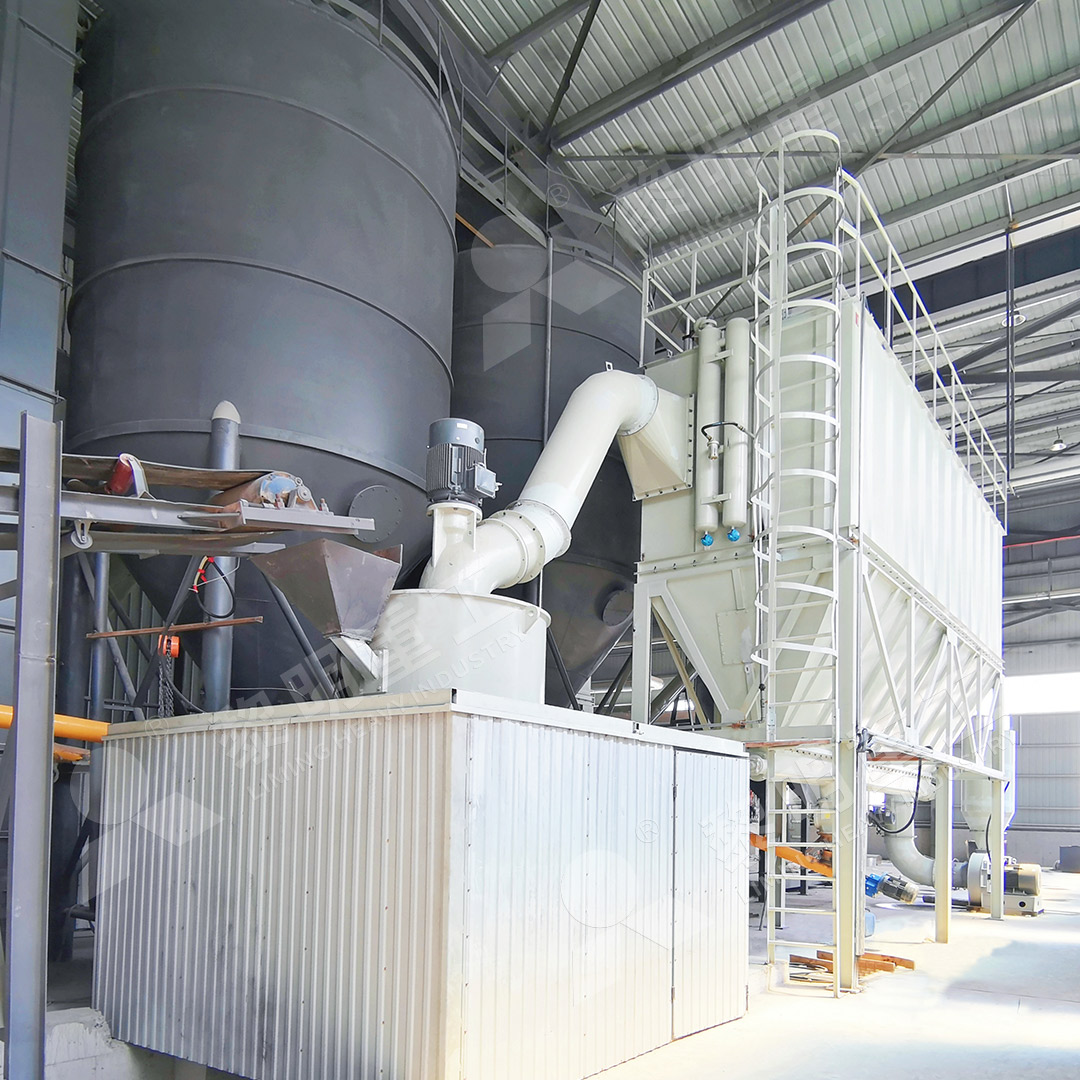
Marble grinding can generate significant dust and noise. Implement effective dust collection systems, such as pulse dust collectors, to maintain a clean working environment and comply with environmental regulations. Our MW Ultrafine Grinding Mill comes equipped with efficient pulse dust collectors and mufflers, minimizing dust and noise pollution.
5. Energy Efficiency Considerations
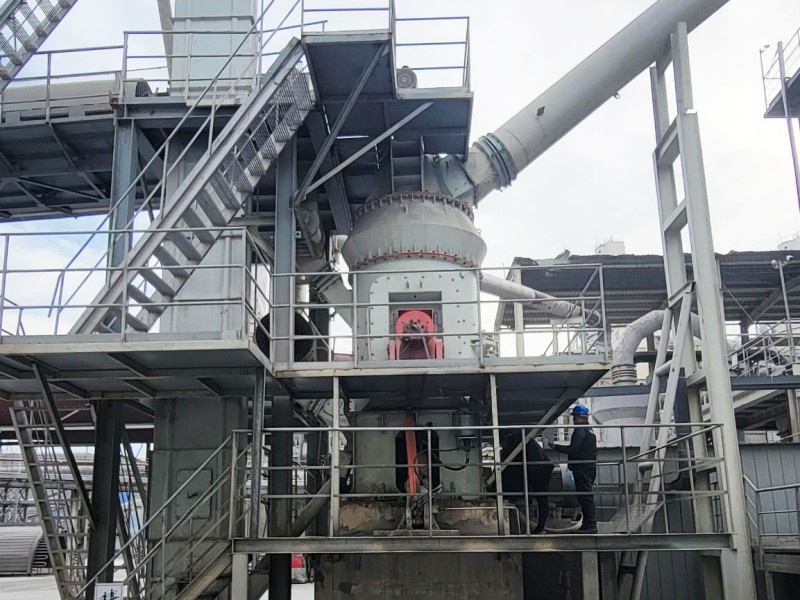
Choose energy-efficient equipment to reduce operational costs. Advanced roller mills offer higher yields with lower energy consumption. For instance, the MW Ultrafine Grinding Mill consumes only 30% of the energy compared to jet mills while providing 40% higher capacity. Its cage-type powder selector, based on German technology, ensures precise separation and adjustable fineness between 325-2500 meshes.
6. Product Quality Assurance
To achieve high whiteness and purity in marble powder, avoid contamination during grinding. Use mills designed to minimize iron content, such as those with no rolling bearings in the grinding chamber. Additionally, ensure the mill allows for easy cleaning between batches to prevent cross-contamination.
Recommended Product: MW Ultrafine Grinding Mill
For marble crushing applications, we highly recommend our MW Ultrafine Grinding Mill. It is specifically designed for ultra-fine powder production, with an input size of 0-20 mm and a capacity range of 0.5-25 tph. Key features include:
- Higher yielding and lower energy consumption (40% higher capacity than jet mills)
- Adjustable fineness between 325-2500 meshes
- No rolling bearings or screws in the grinding chamber, reducing maintenance needs
- Eco-friendly operation with pulse dust collectors and noise reduction systems
This mill is ideal for producing high-quality marble powder for use in paints, cosmetics, and other premium applications.
Conclusion
Crushing marble stone with a roller mill requires attention to detail in material preparation, equipment settings, and maintenance. By following these best practices and leveraging advanced technology like the MW Ultrafine Grinding Mill, you can achieve efficient, high-quality marble powder production while minimizing environmental impact and operational costs. Always consult with equipment manufacturers to tailor the process to your specific needs and ensure optimal performance.