
Best High Speed Wet Grinder Stone Machines for Industrial Use
We provide a wide range of mills — including Raymond mill, trapezoidal mill, vertical mill, ultrafine mill, and ball mill, obtained ISO9001 international quality certification, EU CE certification, and Customs Union CU-TR certification. Suitable for processing minerals such as limestone, phosphate, quicklime, kaolin, talc, barite, bentonite, calcium carbonate, dolomite, coal, gypsum, clay, carbon black, slag, cement raw materials, cement clinker, and more.
The discharge range of these mills can be adjusted to meet specific processing needs, typically from 80-400 mesh, 600-3250 mesh, and can achieve the finest particle size of up to 6000 mesh(D50).
If you are looking for a reliable grinding solution to turn stone or minerals into fine powder, please feel free to contact our online customer service.
Navigating the World of Industrial Grinding: A Focus on Efficiency and Precision
The demand for ultra-fine powders is surging across a multitude of industries, from construction materials like cement and ceramics to specialized sectors such as pharmaceuticals, cosmetics, and food additives. Selecting the right high-speed grinding equipment is paramount to achieving the desired product quality, operational efficiency, and cost-effectiveness. Modern industrial grinding goes beyond mere particle size reduction; it encompasses energy consumption, environmental impact, system automation, and long-term operational stability.
For operations requiring the production of ultra-fine powders between 325 and 2500 meshes, traditional methods often fall short, being either energy-intensive or incapable of achieving the necessary fineness and purity. This is where advanced, purpose-built grinding technology makes a significant difference.
Key Considerations for Industrial Grinding Solutions
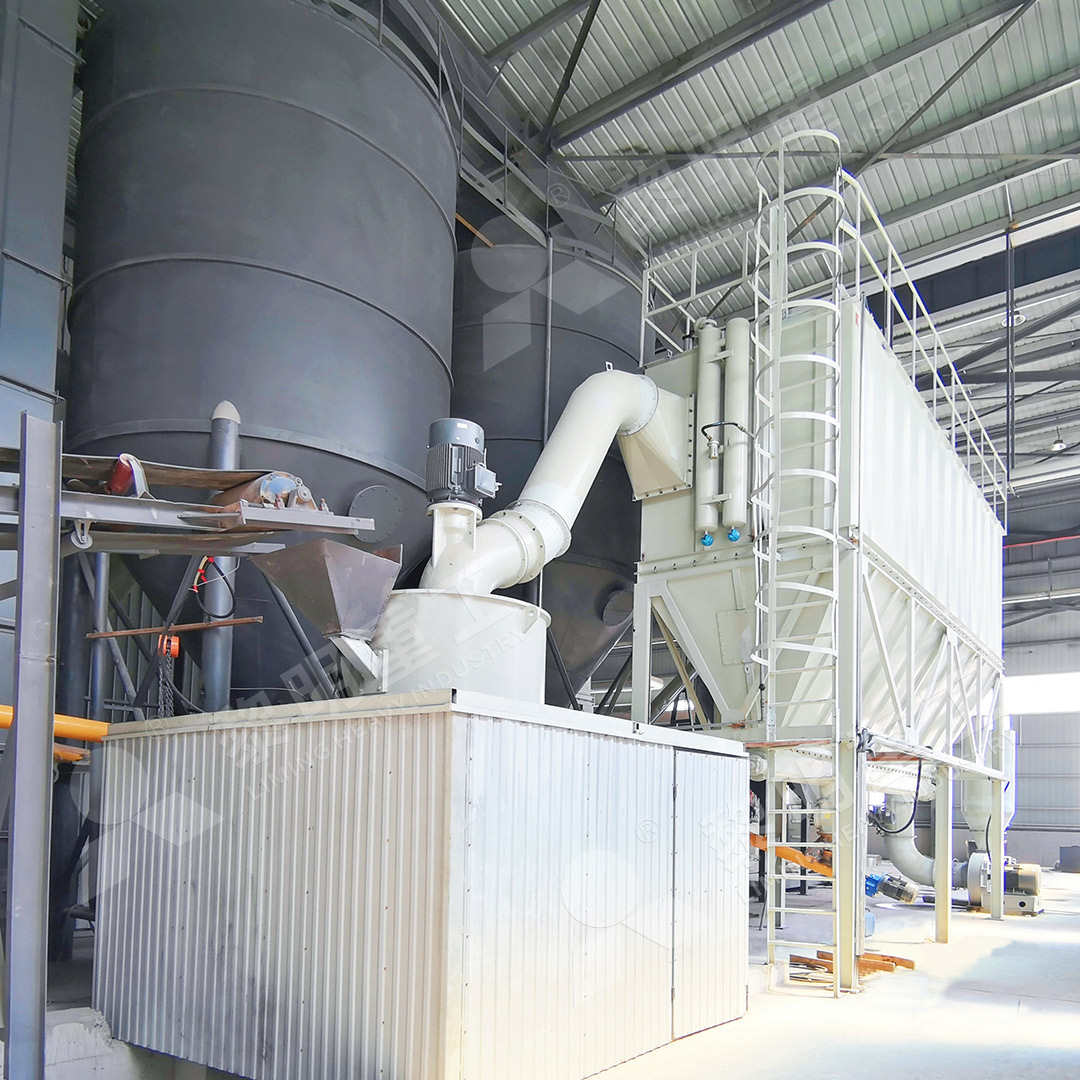
When evaluating wet grinder stone machines for heavy-duty applications, several critical factors come into play. The machine’s construction must be robust to handle continuous operation, with wear-resistant components to minimize downtime for maintenance. Energy efficiency is no longer a luxury but a necessity, directly impacting the bottom line. Furthermore, in today’s eco-conscious market, equipment must operate cleanly, with integrated dust collection and noise reduction systems to meet stringent environmental standards. Finally, the ability to precisely control the fineness of the output is crucial for product consistency and meeting specific customer requirements.
Spotlight on Superior Technology: The MW Ultrafine Grinding Mill
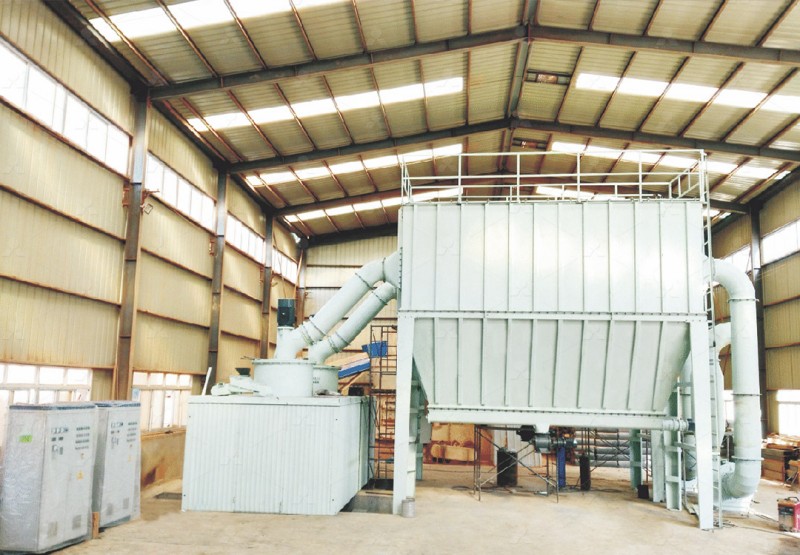
For operations where ultra-fine precision is the ultimate goal, the MW Ultrafine Grinding Mill stands out as a premier choice. Engineered for customers who need to make high-purity ultra-fine powder, this machine is a testament to modern engineering excellence. It handles an input size of 0-20 mm and offers a impressive capacity range of 0.5 to 25 tons per hour, making it suitable for various production scales.
Its design incorporates an efficient pulse dust collector and muffler, ensuring that the entire production process has minimal impact on the environment by reducing both dust pollution and operational noise. A key innovation is the absence of rolling bearings and screws within the grinding chamber. This brilliant design eliminates common failure points, freeing users from concerns about bearing damage or machine failure due to loose screws. External lubrication allows for maintenance without shutdowns, supporting relentless 24/7 production cycles.
Unmatched Performance and Flexibility
The MW Mill’s performance is driven by newly designed grinding curves for its roller and ring, enhancing efficiency dramatically. It boasts a production capacity 40% higher than jet or stirred grinding mills at the same fineness and power level. Its cage-type powder selector, utilizing German technology, allows for precise adjustments in fineness between 325-2500 meshes, achieving a remarkable screening rate of d97≤5μm in a single pass. This combination of higher yield, lower energy consumption (using only 30% of the energy of a jet mill), and exceptional precision makes it an invaluable asset for processing materials like limestone, calcite, dolomite, talc, and barite for use in chemicals, paint, and cosmetics.
Vertical Grinding for Integrated Processing: The LUM Ultrafine Vertical Mill
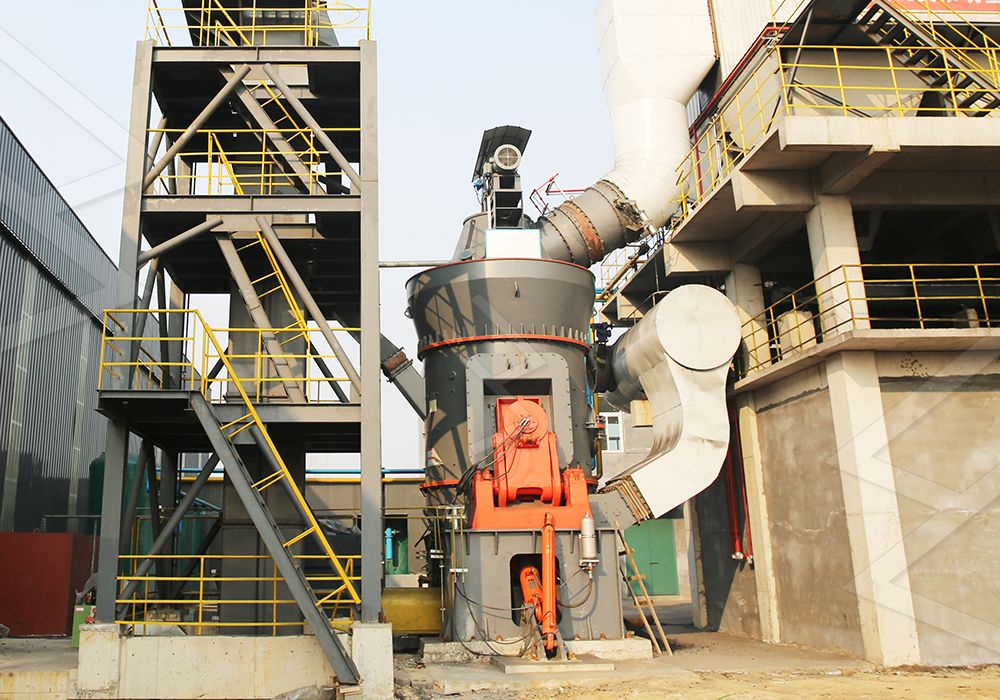
Another formidable contender in the high-performance grinding arena is the LUM Ultrafine Vertical Grinding Mill. This mill integrates grinding, grading, and transporting into a single, compact unit. With an input size of 0-10 mm and a capacity of 5-18 tph, it is ideal for superfine dry powder production of non-metal ores.
Its distinguishing feature is the unique roller shell and lining plate grinding curve, designed to easily generate a material layer and achieve a high rate of finished product in a single pass. This not only enhances efficiency but also improves the whiteness and cleanliness of the final product. The mill incorporates PLC control and multi-head powder separating technology, allowing for exact control over grinding parameters and reducing energy consumption by 30%-50% compared to common grinding mills.
Conclusion
Investing in the right grinding machinery is a strategic decision that affects productivity, product quality, and operational costs. For industries demanding the highest levels of fineness and operational reliability, technology-forward solutions like the MW Ultrafine Grinding Mill and the LUM Ultrafine Vertical Grinding Mill offer a compelling combination of performance, efficiency, and environmental responsibility. By focusing on innovative designs that eliminate common pain points and reduce energy use, these machines represent the future of industrial powder processing.
Frequently Asked Questions (FAQ)
What materials can the MW Ultrafine Grinding Mill process?
The MW Mill is highly versatile and can process a wide range of non-flammable and non-explosive brittle materials with Mohs hardness less than 6, including limestone, calcite, dolomite, gypsum, barite, marble, talc, and coal powder, among others.
How does the LUM Vertical Mill improve product whiteness?
The LUM Mill’s unique grinding curve design and efficient material layer formation minimize the iron content caused by mechanical wear during the grinding process. This results in a final product with higher whiteness and purity, which is critical for applications in plastics, paints, and coatings.
What are the main advantages of not having rolling bearings in the grinding chamber?
This design eliminates the risk of bearing seizure or failure, which is a common cause of unplanned downtime in traditional mills. It also removes the concern of lubricant contamination in the product chamber and allows for external lubrication, enabling 24/7 continuous operation.
How is the fineness of the final powder controlled?
Fineness is precisely controlled through an advanced cage-type powder selector. By adjusting the speed of the classifier, operators can accurately and consistently achieve the desired particle size distribution, from 325 to 2500 meshes.