
Best Grinding Mill to Crush Rocks into Fine Dust
We provide a wide range of mills — including Raymond mill, trapezoidal mill, vertical mill, ultrafine mill, and ball mill, obtained ISO9001 international quality certification, EU CE certification, and Customs Union CU-TR certification. Suitable for processing minerals such as limestone, phosphate, quicklime, kaolin, talc, barite, bentonite, calcium carbonate, dolomite, coal, gypsum, clay, carbon black, slag, cement raw materials, cement clinker, and more.
The discharge range of these mills can be adjusted to meet specific processing needs, typically from 80-400 mesh, 600-3250 mesh, and can achieve the finest particle size of up to 6000 mesh(D50).
If you are looking for a reliable grinding solution to turn stone or minerals into fine powder, please feel free to contact our online customer service.
Best Grinding Mill to Crush Rocks into Fine Dust
When it comes to reducing rocks and minerals to ultra-fine powders, the choice of grinding equipment is paramount. The process requires not just brute force, but precision engineering to achieve the desired particle size distribution, maintain efficiency, and ensure operational reliability. For operations demanding powders in the range of 325 to 2500 meshes, traditional crushers and ball mills often fall short, leading to inefficiency and inconsistent product quality.
The Challenge of Ultra-Fine Grinding
Crushing rocks into a fine dust, as opposed to coarse gravel or sand, presents unique challenges. The goal is to achieve a uniform, superfine powder with minimal energy consumption and maximum yield. Equipment must handle abrasive materials, manage heat generation, and incorporate sophisticated classification systems to ensure only correctly sized particles exit the mill. Environmental considerations, such as dust containment and noise reduction, are also critical for modern, responsible operations.
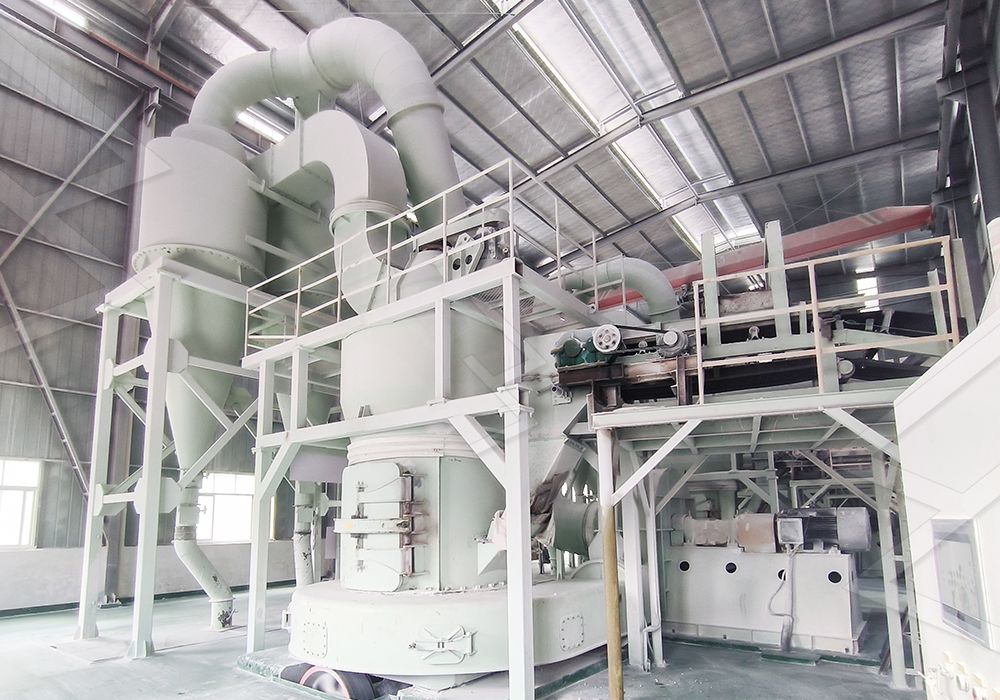
Key Features of an Optimal Fine Grinding Mill
The ideal mill for this application should possess several key characteristics. It must offer adjustable fineness control to cater to different product specifications. Higher yielding with lower energy consumption is no longer a luxury but a necessity for economic viability. The design should minimize maintenance downtime, with features like external lubrication systems to avoid shutdowns. Finally, integrated dust collection and noise reduction are essential for meeting environmental standards and ensuring worker safety.
Our Recommended Solution: MW Ultrafine Grinding Mill
Based on these stringent requirements, our MW Ultrafine Grinding Mill stands out as a premier choice for producing fine dust from rocks. This machine is specifically engineered for customers who need to make ultra-fine powder from materials like limestone, calcite, dolomite, gypsum, and barite.
Here’s why it excels:
- Superior Efficiency: Its newly designed grinding curves enhance grinding efficiency, offering production capacity 40% higher than jet mills and twice that of ball mills, while slashing system energy consumption by 30%.
- Precise Fineness Adjustment: With a German-technology cage-type powder selector, it allows you to expertly adjust the product fineness between 325-2500 meshes, achieving a precise d97≤5μm in a single pass.
- Unmatched Reliability: A revolutionary design eliminates rolling bearings and screws inside the grinding chamber. This eradicates common failure points, meaning no worries about bearing damage or loose screws causing catastrophic failures.
- Eco-Friendly Operation: We understand that production shouldn’t harm the environment. The MW Mill is equipped with an efficient pulse dust collector and muffler, ensuring no dust pollution and significantly reduced noise during operation, making it fully compliant with national环保 (environmental) standards.
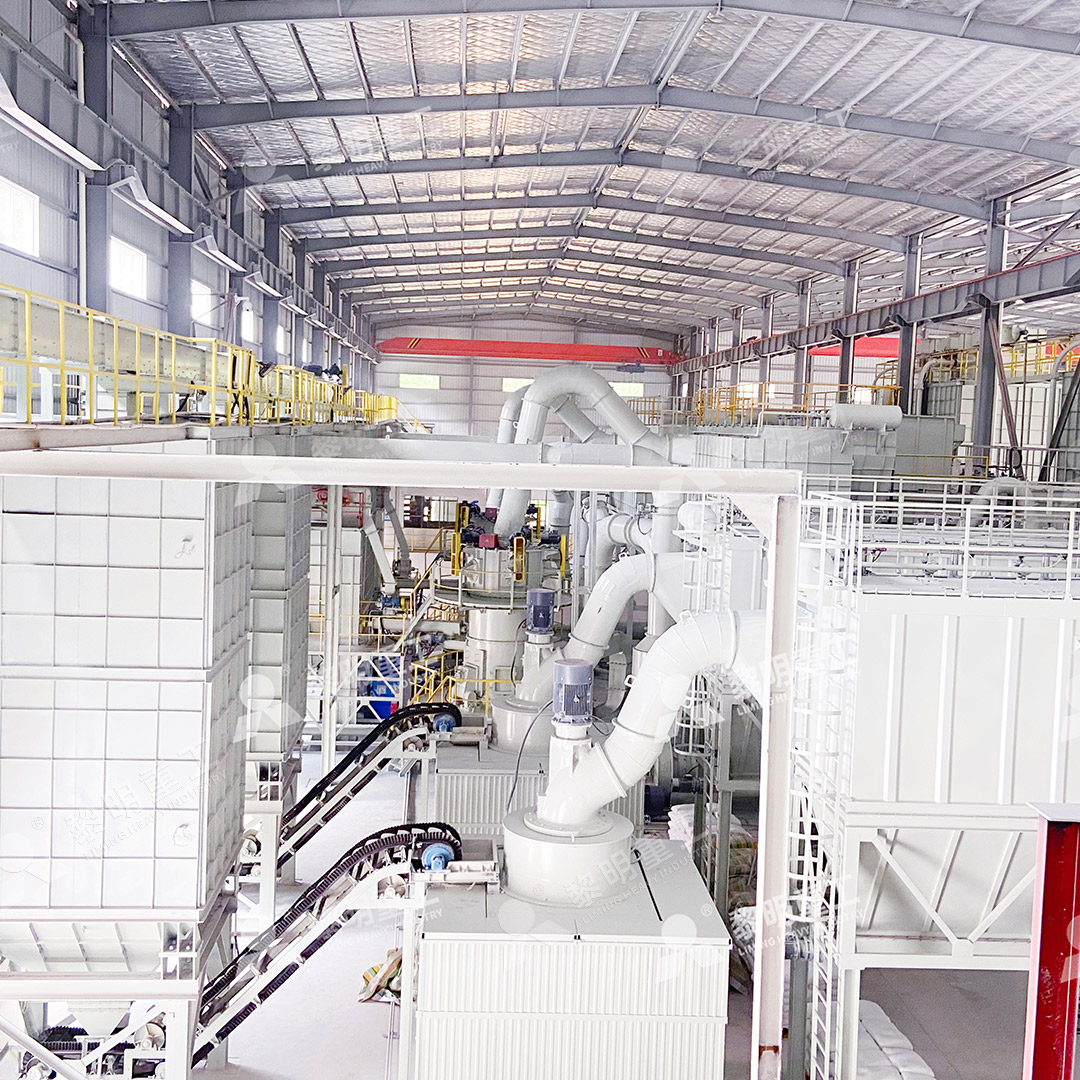
Another Strong Contender: LUM Ultrafine Vertical Grinding Mill
For certain applications, our LUM Ultrafine Vertical Grinding Mill is another exceptional option. Integrating the latest roller and powder separating technologies, it is a masterpiece of efficiency and stability. Its key advantages include a unique roller shell design for higher yield and better product whiteness, multi-head powder separating technology for 30%-50% energy savings, and double position-limiting technology that guarantees stable operation even under disruptive conditions. Its reversible structure also allows for incredibly easy maintenance, drastically reducing downtime.
Making the Right Choice for Your Operation
Selecting between the MW and LUM models depends on your specific input size, capacity needs, and material characteristics. The MW Mill handles inputs up to 20mm with a capacity of 0.5-25 tph, perfect for dedicated ultra-fine processing lines. The LUM Mill accepts slightly smaller feed (0-10mm) but offers a robust capacity of 5-18 tph, ideal for operations prioritizing vertical integration and ease of maintenance.
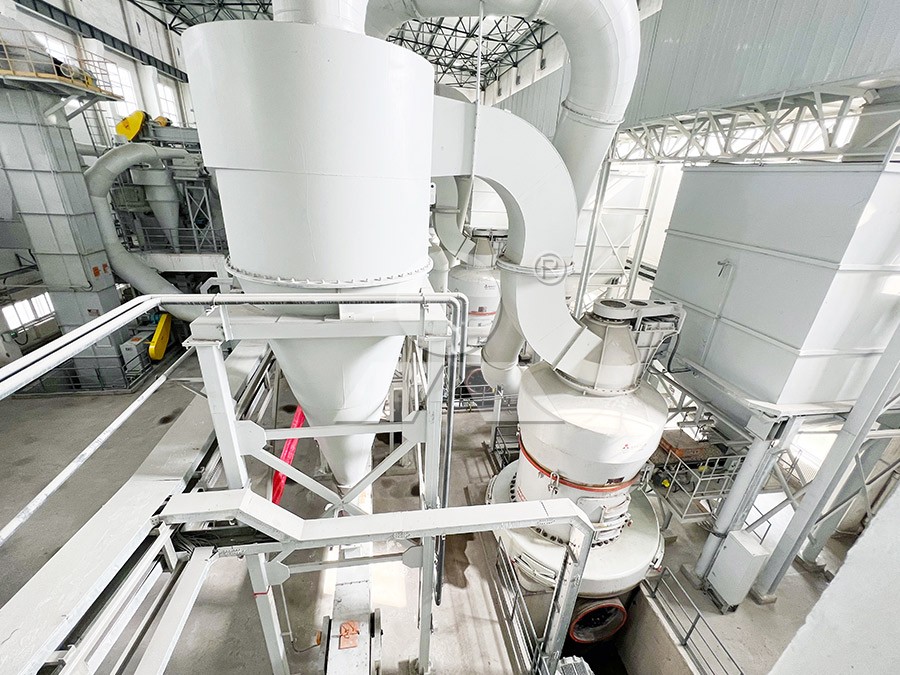
Both mills are backed by our commitment to digitalized processing for high precision and a sufficient supply of genuine spare parts for worry-free, continuous operation. Don’t settle for outdated technology that increases your operational costs and environmental footprint.
Upgrade your production line with a grinding mill designed for the future. Contact us today to discuss which model—the MW Ultrafine Grinding Mill or the LUM Ultrafine Vertical Grinding Mill—is the perfect fit to transform your rocks into valuable, high-quality fine dust.