
Best Grinding Mill Machines for Indonesia Mining Industry
We provide a wide range of mills — including Raymond mill, trapezoidal mill, vertical mill, ultrafine mill, and ball mill, obtained ISO9001 international quality certification, EU CE certification, and Customs Union CU-TR certification. Suitable for processing minerals such as limestone, phosphate, quicklime, kaolin, talc, barite, bentonite, calcium carbonate, dolomite, coal, gypsum, clay, carbon black, slag, cement raw materials, cement clinker, and more.
The discharge range of these mills can be adjusted to meet specific processing needs, typically from 80-400 mesh, 600-3250 mesh, and can achieve the finest particle size of up to 6000 mesh(D50).
If you are looking for a reliable grinding solution to turn stone or minerals into fine powder, please feel free to contact our online customer service.
Navigating the Indonesian Mining Landscape: A Guide to Optimal Grinding Solutions
Indonesia’s mining industry, a cornerstone of its economy, demands robust and efficient processing equipment to handle its vast and diverse mineral resources. From coal and limestone to precious metal ores, the choice of grinding mill is paramount to operational success, impacting everything from production yield and product quality to energy consumption and environmental compliance.
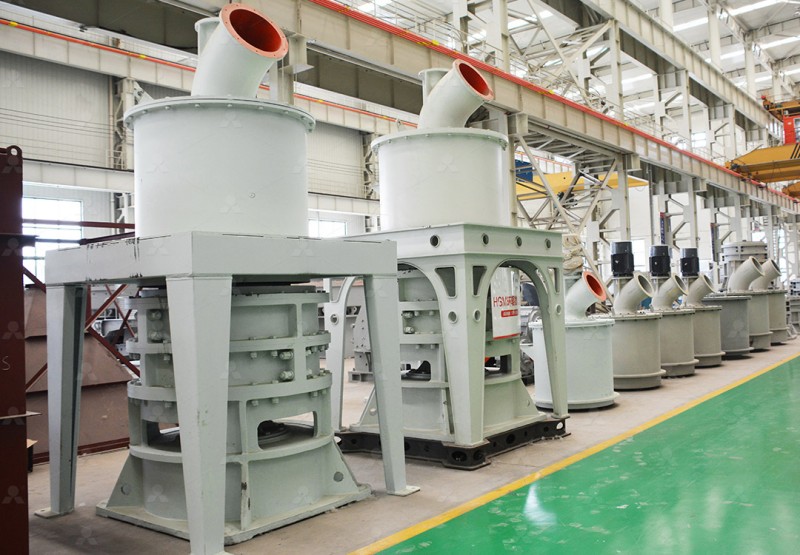
Selecting the right mill involves a careful analysis of material characteristics, desired fineness, capacity requirements, and site-specific conditions like humidity and space constraints. The wrong choice can lead to excessive downtime, high maintenance costs, and failure to meet product specifications.
Key Considerations for Mill Selection
For operations targeting ultra-fine powders (325-2500 meshes) for high-value applications in chemicals, paints, or advanced materials, traditional ball mills or Raymond mills often fall short on efficiency and precision. The industry is increasingly moving towards advanced, energy-saving vertical and trapezium mills that offer superior control over particle size distribution and significantly lower operating costs.
One standout solution for these demanding applications is our MW Ultrafine Grinding Mill. Engineered for customers who need to make ultra-fine powder, this machine is a game-changer. It boasts a capacity of 0.5-25 TPH and can handle an input size of 0-20mm. Its design incorporates an efficient pulse dust collector and muffler, ensuring the entire production process has minimal impact on the environment—a critical factor for sustainable mining practices in Indonesia.
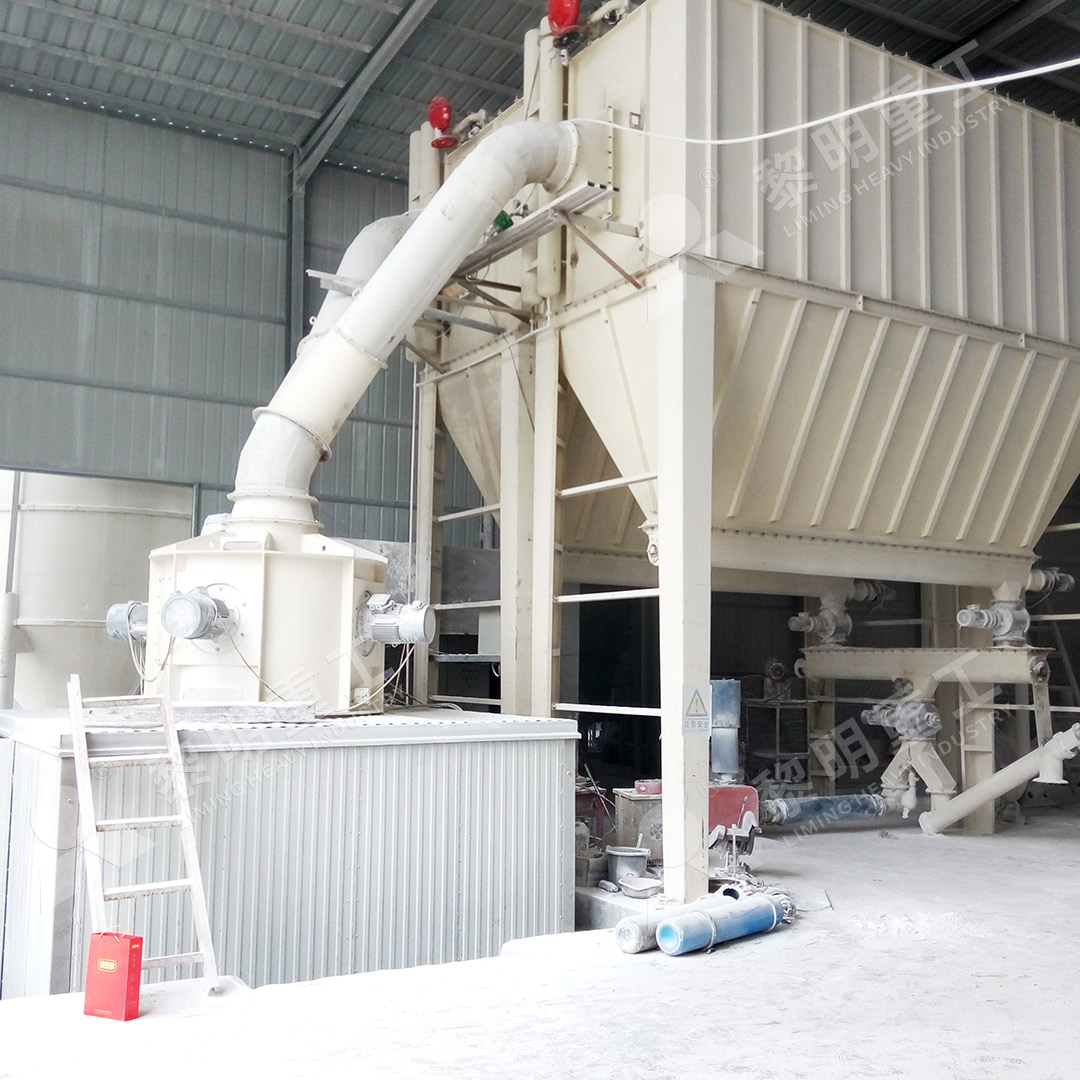
Why the MW Ultrafine Grinding Mill Excels
The MW Mill’s innovative design leads to higher yields and lower energy consumption. Its newly designed grinding curves enhance efficiency, offering production capacity 40% higher than jet mills and twice that of ball mills, while using only 30% of the energy of a jet mill. Its German-technology, cage-type powder selector allows precise fineness adjustment between 325-2500 meshes, achieving a superb screening rate of d97≤5μm in a single pass.
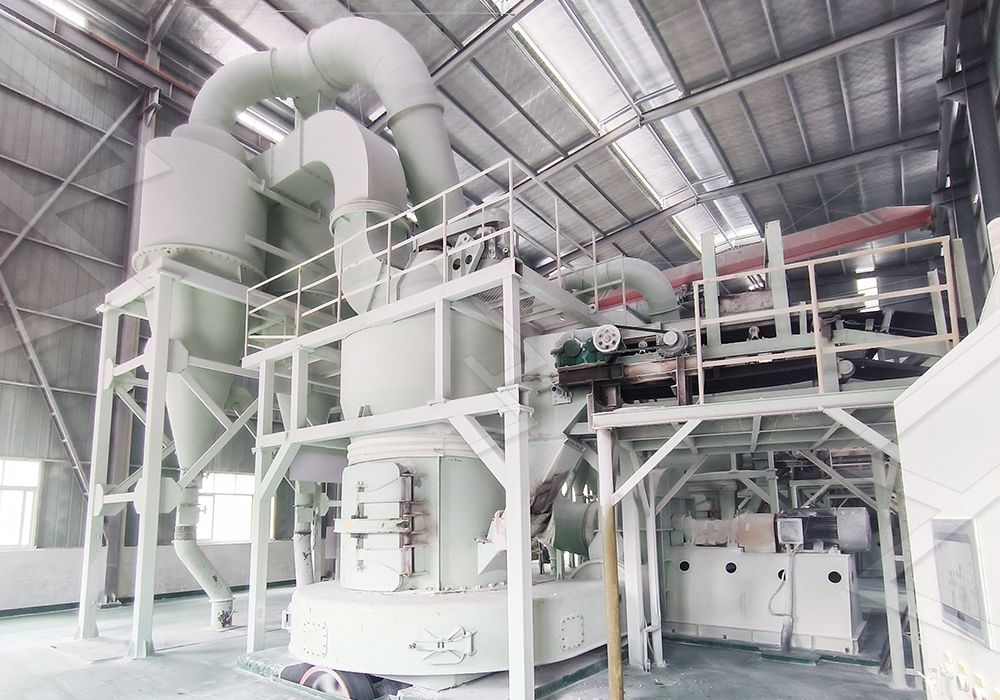
Furthermore, its maintenance-friendly design eliminates rolling bearings and screws in the grinding chamber, preventing common failure points and enabling external lubrication without shutdown for continuous 24/7 operation. For operations also considering a robust vertical solution for slightly larger feed sizes, our LUM Ultrafine Vertical Grinding Mill (0-10mm input, 5-18 TPH capacity) presents an excellent alternative, integrating the latest grinding roller and powder separating technology for exceptional efficiency and stability.
Conclusion
Investing in the right grinding technology is not an expense but a strategic decision that defines profitability and longevity in the competitive Indonesian market. Leveraging advanced, digitally-processed mills like the MW series ensures you achieve the precise product quality, operational reliability, and environmental standards required to thrive.
Frequently Asked Questions (FAQ)
- What is the primary advantage of the MW Ultrafine Grinding Mill over a traditional ball mill?
The MW Mill offers significantly higher efficiency, producing up to twice the yield of a ball mill while consuming far less energy. It also provides precise control over ultra-fine fineness, which ball mills struggle to achieve consistently. - How does the MW Mill handle dust and noise, common concerns in mining operations?
It is equipped with an integrated efficient pulse dust collector and a silencer system. This design ensures no dust pollution and greatly reduces operational noise, making it compliant with strict environmental regulations. - Is the MW Mill suitable for grinding abrasive materials found in Indonesia?
Yes. Its design avoids critical wear points like internal screws and bearings in the grinding chamber. The use of high-precision, digitally machined wear parts and the availability of original spare parts ensure long life and worry-free operation even with abrasive materials. - Can the fineness of the final product be adjusted easily?
Absolutely. The mill features an advanced multi-head cage-type powder selector, allowing operators to easily adjust the product fineness between 325 and 2500 meshes to meet specific customer requirements. - What kind of after-sales support is available for operations in Indonesia?
We take full responsibility for every machine we produce. Our business covers both production and sales, and we provide comprehensive technical services and a sufficient supply of original spare parts to guarantee continuous, worry-free operation for our clients in Indonesia and worldwide.