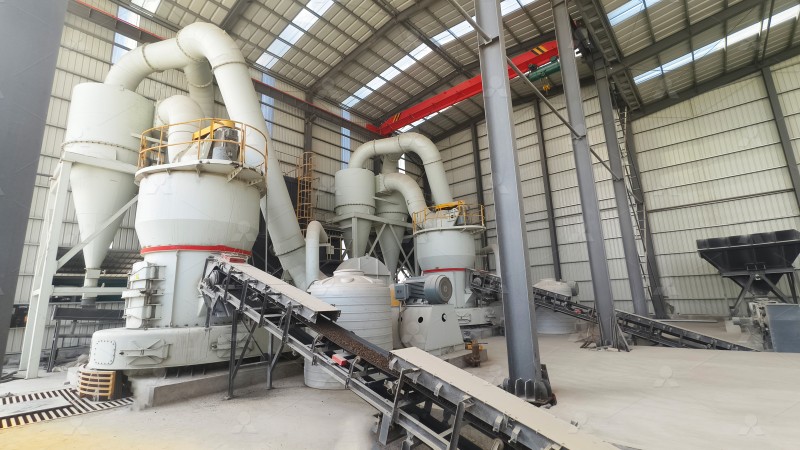
Best Coal-Based Activated Coke Grinding Mills for Industrial Use
We provide a wide range of mills — including Raymond mill, trapezoidal mill, vertical mill, ultrafine mill, and ball mill, obtained ISO9001 international quality certification, EU CE certification, and Customs Union CU-TR certification. Suitable for processing minerals such as limestone, phosphate, quicklime, kaolin, talc, barite, bentonite, calcium carbonate, dolomite, coal, gypsum, clay, carbon black, slag, cement raw materials, cement clinker, and more.
The discharge range of these mills can be adjusted to meet specific processing needs, typically from 80-400 mesh, 600-3250 mesh, and can achieve the finest particle size of up to 6000 mesh(D50).
If you are looking for a reliable grinding solution to turn stone or minerals into fine powder, please feel free to contact our online customer service.
Best Coal-Based Activated Coke Grinding Mills for Industrial Use
When it comes to industrial grinding, especially for materials like coal-based activated coke, choosing the right mill is crucial for efficiency, output quality, and operational cost. Activated coke, known for its high surface area and adsorption properties, requires fine and consistent grinding to meet various industrial applications, from air purification to chemical processes. In this article, we’ll explore some of the top grinding solutions, with a focus on ultra-fine and vertical grinding technologies that excel in handling coal-based materials.
Grinding mills for activated coke need to balance several factors: particle size distribution, energy consumption, maintenance requirements, and environmental impact. Traditional ball mills, while reliable, often fall short in terms of energy efficiency and fineness control. Modern alternatives, such as ultrafine grinding mills and vertical roller mills, offer superior performance with lower operational costs and better environmental compliance.
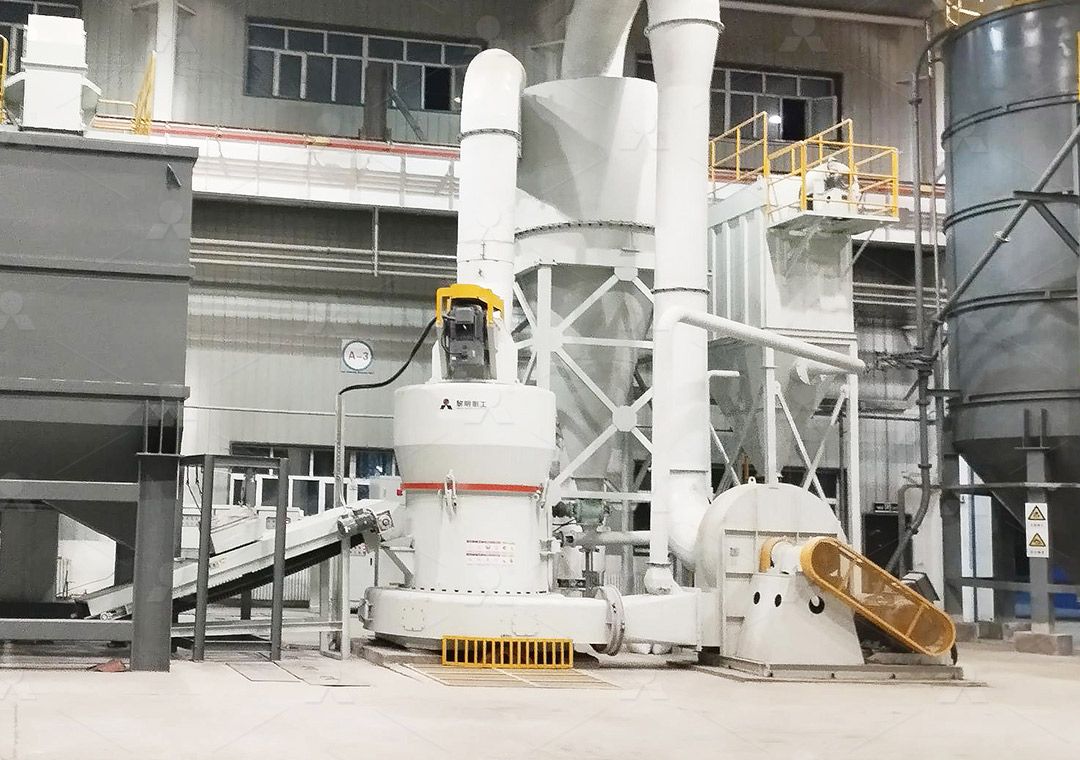
One standout product for this application is the MW Ultrafine Grinding Mill. Designed for customers who need to produce ultra-fine powder, this machine handles inputs up to 20 mm with a capacity ranging from 0.5 to 25 tons per hour. It’s equipped with an efficient pulse dust collector and muffler, minimizing dust and noise pollution, making it an eco-friendly choice. The MW mill is ideal for coal powder, petroleum coal, and similar materials, thanks to its higher yielding and lower energy consumption—up to 40% more efficient than jet mills and twice as productive as ball mills. Its adjustable fineness between 325-2500 meshes ensures precise control over the final product, which is critical for activated coke applications where surface area matters.
Another excellent option is the LUM Ultrafine Vertical Grinding Mill, which integrates grinding, classifying, and transporting in one system. With an input size of 0-10 mm and capacity of 5-18 tph, it uses advanced roller and powder separating technologies to achieve high efficiency and better product quality. The LUM mill is particularly suited for superfine dry powders, including coal-based materials, and features energy-saving multi-head powder separating technology that reduces consumption by 30%-50%. Its reversible structure simplifies maintenance, reducing downtime—a key advantage in continuous industrial operations.
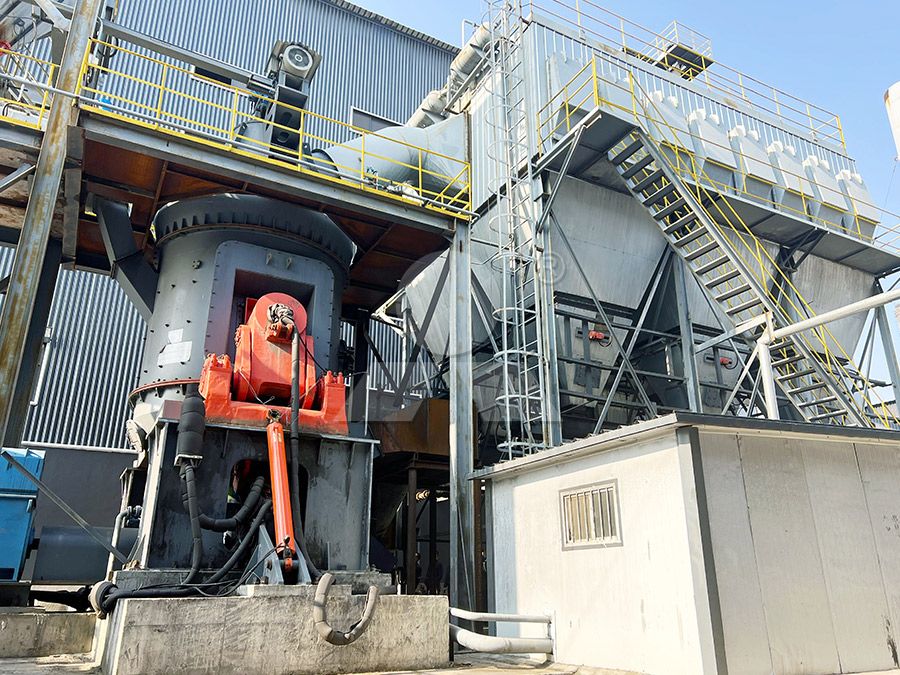
Both mills are backed by LIMING’s expertise in digitalized processing and spare parts supply, ensuring worry-free operation. When selecting a mill for coal-based activated coke, consider factors like feed size, desired fineness, and production scale. Ultra-fine mills like the MW and LUM models provide the flexibility and performance needed for high-value applications, while vertical mills offer compact designs and integrated systems for larger capacities.
In conclusion, for industries relying on coal-based activated coke, investing in advanced grinding technology pays off in better product quality, lower costs, and reduced environmental impact. The MW and LUM mills are top recommendations for their innovation and reliability.