
Best Calcium Carbonate Coarse Powder Mill for Industrial Grinding
We provide a wide range of mills — including Raymond mill, trapezoidal mill, vertical mill, ultrafine mill, and ball mill, obtained ISO9001 international quality certification, EU CE certification, and Customs Union CU-TR certification. Suitable for processing minerals such as limestone, phosphate, quicklime, kaolin, talc, barite, bentonite, calcium carbonate, dolomite, coal, gypsum, clay, carbon black, slag, cement raw materials, cement clinker, and more.
The discharge range of these mills can be adjusted to meet specific processing needs, typically from 80-400 mesh, 600-3250 mesh, and can achieve the finest particle size of up to 6000 mesh(D50).
If you are looking for a reliable grinding solution to turn stone or minerals into fine powder, please feel free to contact our online customer service.
Best Calcium Carbonate Coarse Powder Mill for Industrial Grinding
In the world of industrial mineral processing, finding the right equipment for grinding calcium carbonate into a coarse powder is paramount for efficiency, cost-effectiveness, and final product quality. Calcium carbonate, a ubiquitous material used in everything from plastics and paints to construction materials and agriculture, demands robust and reliable milling solutions. While many mills claim to handle this task, only a few are truely engineered for the specific challenges of coarse, high-volume production.
The Challenge of Coarse Grinding
Grinding calcium carbonate to a coarse powder (typically in the range of 20-100 mesh) presents unique challenges. The process requires significant mechanical force to fracture the particles without generating excessive heat or fine, unwanted dust. The ideal mill must offer high throughput, exceptional wear resistance to combat the abrasive nature of the mineral, and precise control over particle size distribution. Energy consumption is another critical factor, as inefficient grinding can drastically inflate operational costs.
Key Features to Look For in a Coarse Powder Mill
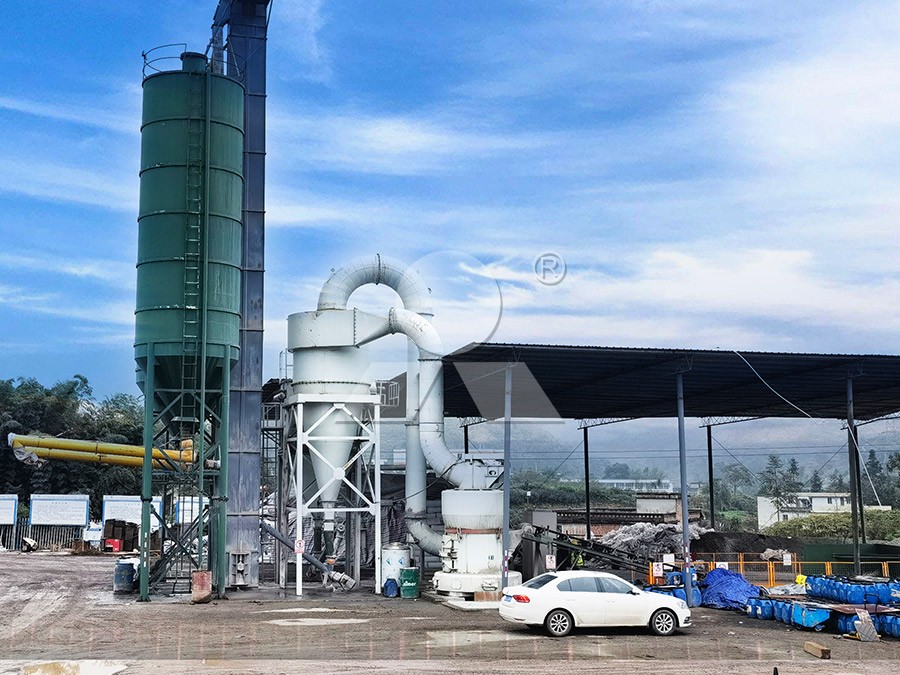
When selecting a mill for coarse calcium carbonate, several features are non-negotiable. The grinding mechanism must be durable, often utilizing heavy-duty rollers and races made from high-chromium or other wear-resistant alloys. The system should be designed for easy maintenance and quick replacement of wear parts to minimize downtime. Furthermore, effective dust collection is essential not only for environmental compliance but also for product recovery and a safe working environment. A well-designed mill will integrate crushing, grinding, and classifying stages seamlessly.
Our Recommended Solution: The MW Ultrafine Grinding Mill
For operations seeking a versatile and high-performance solution, we highly recommend our MW Ultrafine Grinding Mill. While its name suggests an ultrafine application, its robust construction and design make it exceptionally capable for coarse grinding tasks as well.
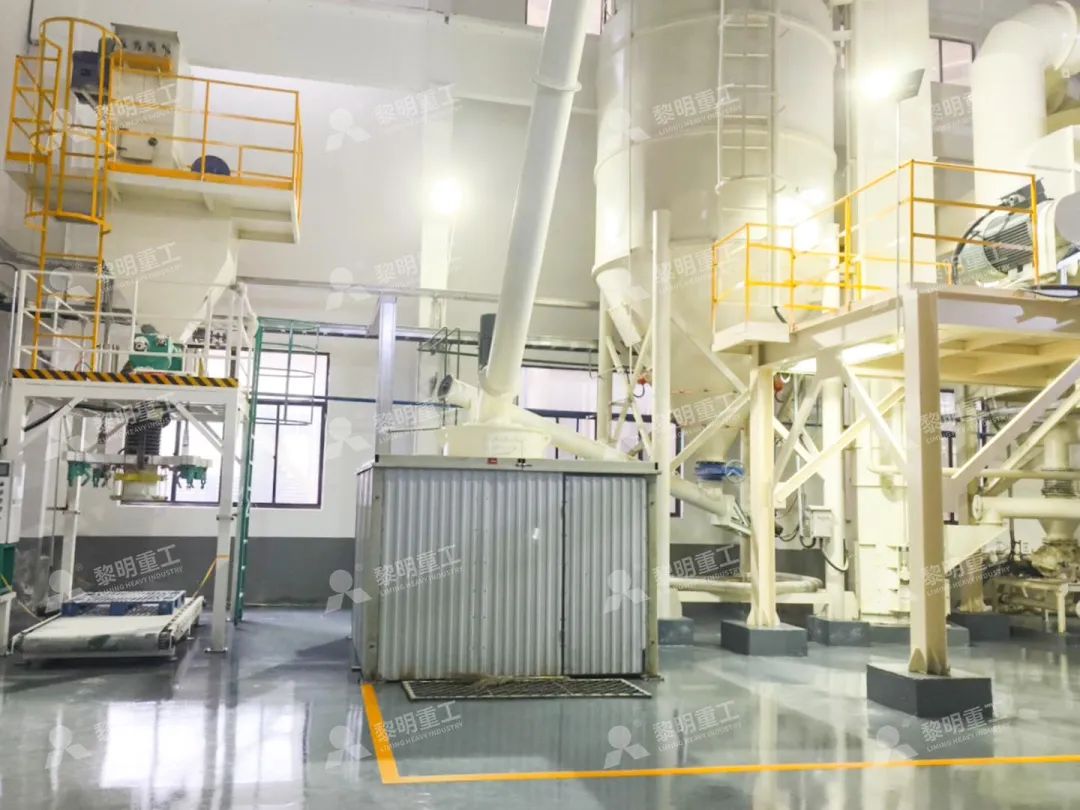
With an input size capability of 0-20 mm and a capacity range of 0.5-25 tph, the MW series is built for productivity. Its newly designed grinding curves for the roller and ring significantly enhance grinding efficiency, yielding up to 40% higher capacity than jet mills or stirred grinding mills for the same power consumption. A key advantage for coarse grinding is the adjustable fineness between 325-2500 meshes, giving operators precise control over the output. Perhaps its most robust feature for heavy-duty use is the absence of rolling bearings and screws in the grinding chamber, eliminating common failure points and concerns about loose components causing machine damage.
An Alternative for Integrated Systems: The LM Vertical Grinding Mill
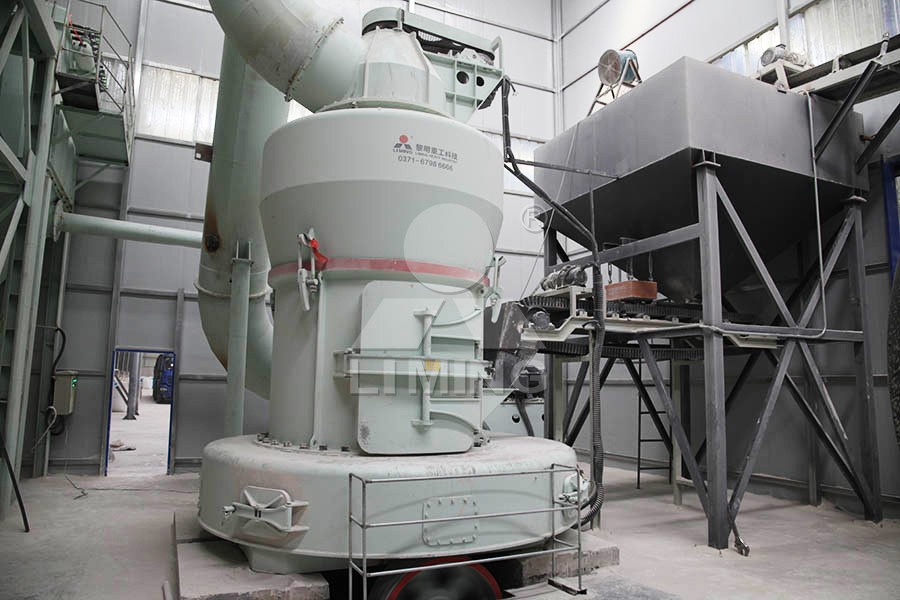
For larger-scale operations requiring an integrated solution, our LM Vertical Grinding Mill is another outstanding choice. This mill is a workhorse, capable of handling input sizes up to 0-70 mm and boasting massive capacities from 3-340 tph. It integrates crushing, drying, grinding, classifying, and conveying into a single, compact unit, reducing its footprint by 50% compared to a traditional ball mill system. Its vertical design and efficient grinding principle lead to energy savings of 30%-40%, a crucial factor for cost-sensitive production. The short grinding time also ensures a low iron content in the final product, preserving the whiteness and quality of the calcium carbonate.
Conclusion: Investing in the Right Technology
Choosing the best mill for coarse calcium carbonate grinding is an investment in your operation’s long-term productivity and profitability. It’s not just about breaking down rock; it’s about doing so efficiently, reliably, and with a keen eye on the total cost of ownership. Our MW and LM series mills are engineered with these principles in mind, offering the durability, efficiency, and control that modern industrial applications demand. By selecting the right technology, you can ensure a consistent, high-quality coarse powder that meets your specifications and drives your business forward.