
Best Alloys for Hammer Mill Beaters: A Guide to Material Selection
We provide a wide range of mills — including Raymond mill, trapezoidal mill, vertical mill, ultrafine mill, and ball mill, obtained ISO9001 international quality certification, EU CE certification, and Customs Union CU-TR certification. Suitable for processing minerals such as limestone, phosphate, quicklime, kaolin, talc, barite, bentonite, calcium carbonate, dolomite, coal, gypsum, clay, carbon black, slag, cement raw materials, cement clinker, and more.
The discharge range of these mills can be adjusted to meet specific processing needs, typically from 80-400 mesh, 600-3250 mesh, and can achieve the finest particle size of up to 6000 mesh(D50).
If you are looking for a reliable grinding solution to turn stone or minerals into fine powder, please feel free to contact our online customer service.
Best Alloys for Hammer Mill Beaters: A Guide to Material Selection
In the demanding world of size reduction, hammer mill beaters are the unsung heroes, enduring immense impact and abrasive wear. Selecting the right alloy for these critical components is not merely a maintenance decision; it’s a fundamental choice that dictates operational efficiency, product quality, and total cost of ownership. This guide delves into the material science behind beater longevity and performance.
The Crucial Role of Material Properties
Hammer mill beaters are subjected to a combination of high-impact shock and severe abrasion. The ideal alloy must therefore possess a unique balance of hardness and toughness. Hardness resists the wearing away of material by abrasive feedstocks, while toughness allows the beater to absorb the energy of impact without fracturing. An alloy too hard may be brittle and prone to catastrophic failure, while one too soft will wear down rapidly, requiring frequent replacement and causing inconsistent grind quality.
Commonly used materials include high-carbon steel, medium-carbon low-alloy steels, and through-hardening alloys like 4340. For the most abrasive applications, beaters are often faced with specialized cemented carbide overlays or manufactured from white iron alloys, which offer exceptional wear resistance at the expense of some impact strength.
Optimizing Your Entire Grinding Circuit
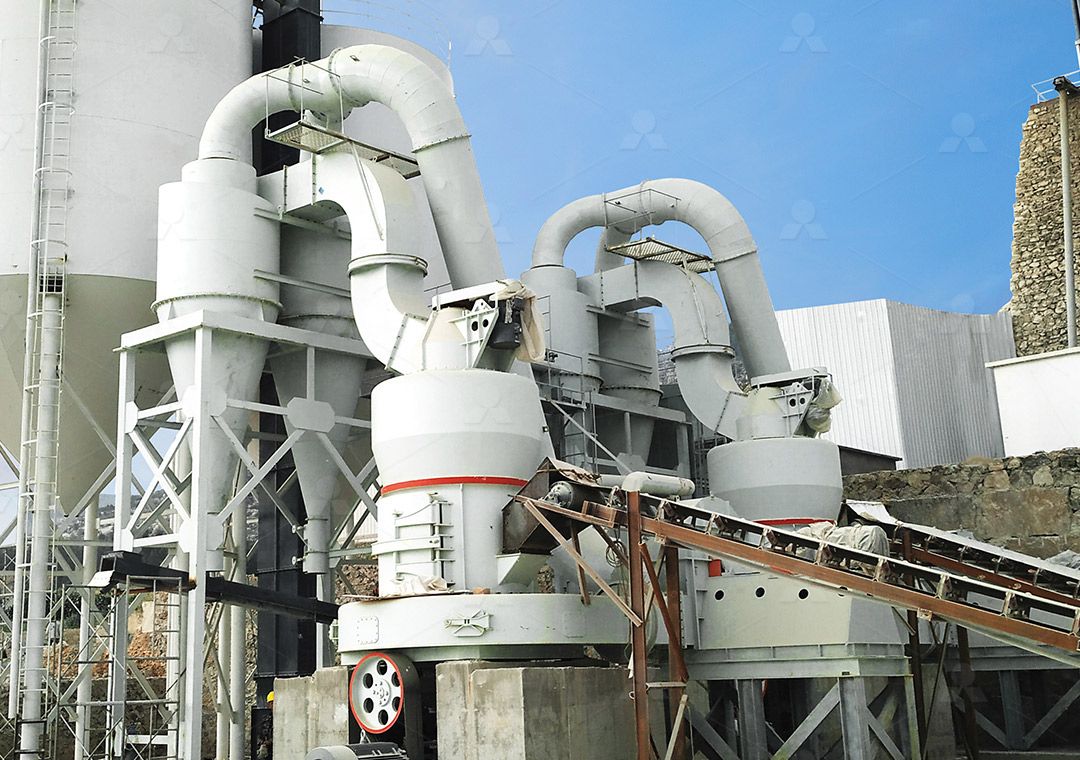
While beater material is paramount, achieving peak efficiency requires a holistic view of the entire grinding system. The mill’s design, airflow, and feeding mechanism all contribute to how beaters interact with the material. For operations requiring ultra-fine powders, pairing robust beaters with a high-efficiency mill designed for fine grinding is the key to profitability.
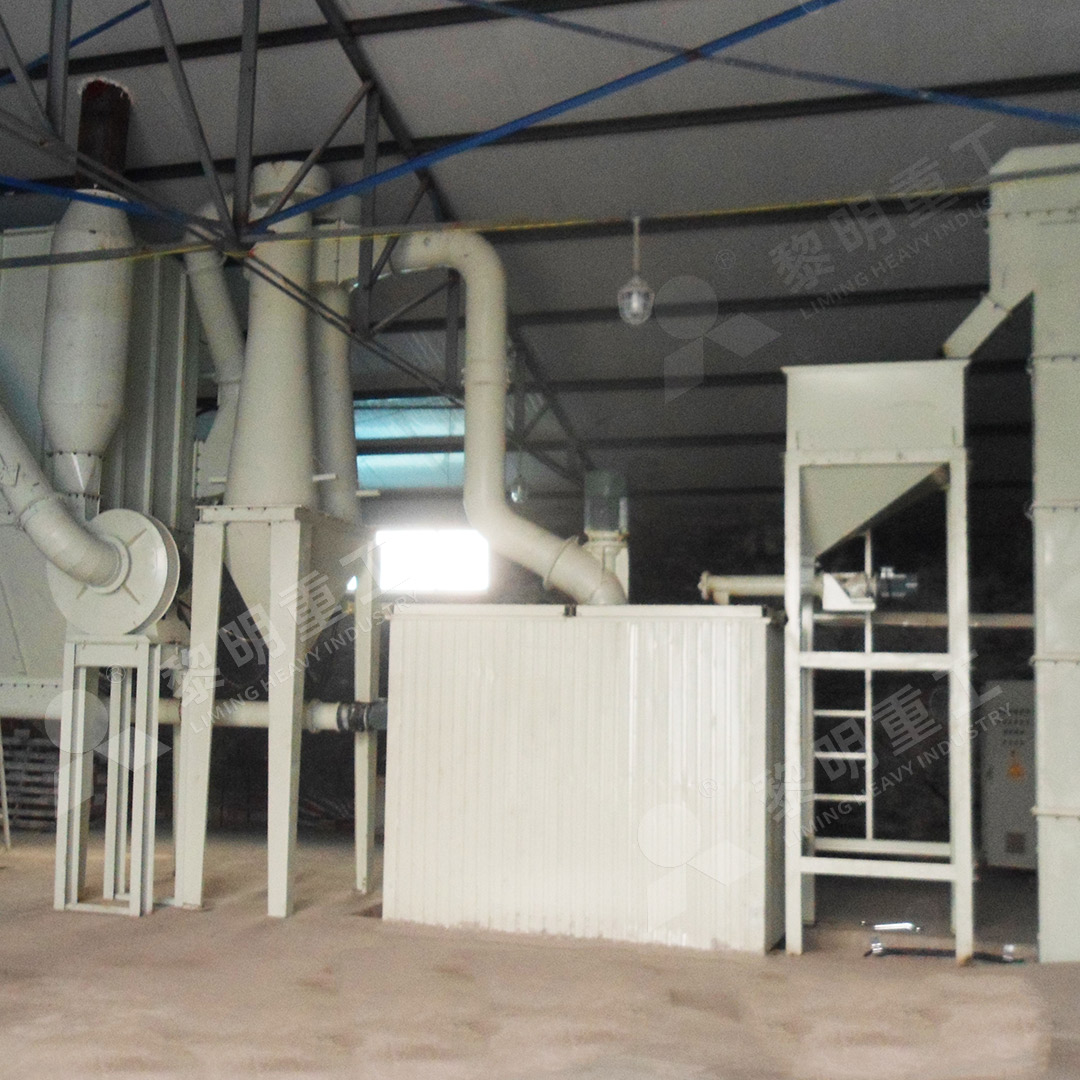
For these precise applications, our MW Ultrafine Grinding Mill is an exemplary solution. Engineered for customers who need to make ultra-fine powder between 325-2500 meshes, it features a highly efficient grinding curve and a German-technology cage-type powder selector for precise classification. Its design eliminates rolling bearings and screws in the grinding chamber, removing common failure points and allowing for external lubrication without shutdown. This enables continuous, worry-free 24/7 production, perfectly complementing the durability offered by high-quality alloy beaters.
Maximizing Beater Life and Performance
Material selection is just the beginning. Proper operational practices significantly extend beater service life. This includes ensuring feed is consistent and free of tramp metal, maintaining proper rotor balance, and implementing a regular rotation and replacement schedule. Monitoring power draw and product fineness can provide early warnings of beater wear.
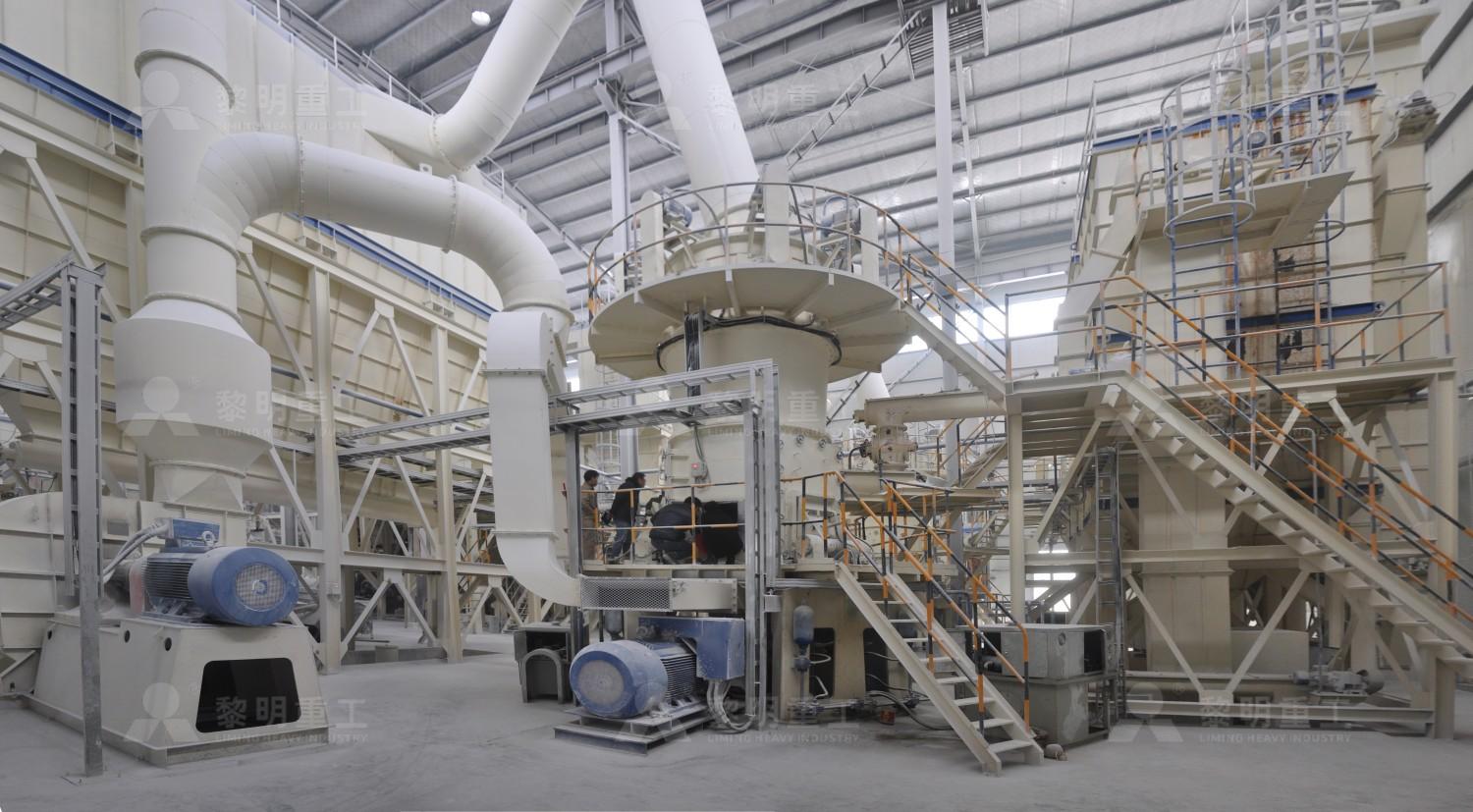
For operations processing non-metallic minerals and seeking higher capacity, our LUM Ultrafine Vertical Grinding Mill presents a compelling alternative. It integrates grinding, grading, and transporting with higher yielding rates and better product quality. Its unique roller shell design and multi-head powder separating technology reduce energy consumption by 30%-50% compared to common grinding mills. A reversible structure allows for easy maintenance, making it an intelligent choice for modern processing plants focused on both performance and operational ease.
Frequently Asked Questions (FAQ)
What is the most important property for a hammer mill beater?
The optimal balance between hardness (for wear resistance) and toughness (to resist impact fracture). The correct balance depends on the specific material being processed.
How often should hammer mill beaters be replaced?
There is no fixed timeline. Replacement should be based on wear, often indicated by a loss of grinding efficiency, increased energy consumption, or a change in product particle size. Regular inspection is crucial.
Can beaters be reconditioned or hard-faced?
Yes, worn beaters made of suitable base steel can often be rebuilt through hard-facing with a wear-resistant alloy, which can be a cost-effective alternative to full replacement.
How does feed material affect beater alloy choice?
Highly abrasive materials (e.g., silica sand) require harder alloys. Fibrous or tough materials require tougher alloys to withstand impact without chipping. Corrosive materials may require stainless alloys.