
Bentonite Grinding Mill in South Africa: Price, Supplier, and Process Guide
We provide a wide range of mills — including Raymond mill, trapezoidal mill, vertical mill, ultrafine mill, and ball mill, obtained ISO9001 international quality certification, EU CE certification, and Customs Union CU-TR certification. Suitable for processing minerals such as limestone, phosphate, quicklime, kaolin, talc, barite, bentonite, calcium carbonate, dolomite, coal, gypsum, clay, carbon black, slag, cement raw materials, cement clinker, and more.
The discharge range of these mills can be adjusted to meet specific processing needs, typically from 80-400 mesh, 600-3250 mesh, and can achieve the finest particle size of up to 6000 mesh(D50).
If you are looking for a reliable grinding solution to turn stone or minerals into fine powder, please feel free to contact our online customer service.
Bentonite Grinding Mill in South Africa: Price, Supplier, and Process Guide
South Africa’s mining and industrial sectors are a cornerstone of its economy, and the processing of minerals like bentonite is a vital part of this landscape. Bentonite, a highly absorbent clay, is used in everything from foundry binders and cat litter to drilling mud and environmental sealants. For any operation looking to process this valuable material, selecting the right grinding mill is absolutely critical for profitability and product quality.
Understanding the Bentonite Grinding Process
Bentonite is typically mined in open pits and arrives at the processing plant in large, hard chunks. The grinding process transforms this raw material into a fine, consistent powder. The journey involves several key stages:
- Primary Crushing: Large chunks of bentonite clay are reduced to a smaller, more manageable size (typically below 20mm) using a jaw crusher.
- Drying: Bentonite often has a high natural moisture content. A rotary dryer is frequently employed to reduce this moisture to an optimal level for efficient grinding.
- Grinding: This is the core of the operation. The dried material is fed into a grinding mill where it is pulverized into a fine powder. The fineness can be adjusted based on the final application, often ranging from 100 to 800 mesh.
- Classification: An integrated or separate classifier ensures that only particles of the desired size proceed to the final product collection. Oversized particles are recirculated back into the mill for further grinding.
- Packaging: The finished bentonite powder is collected in cyclones and bagging systems for storage and shipment.
Choosing the Right Mill for Bentonite in South Africa
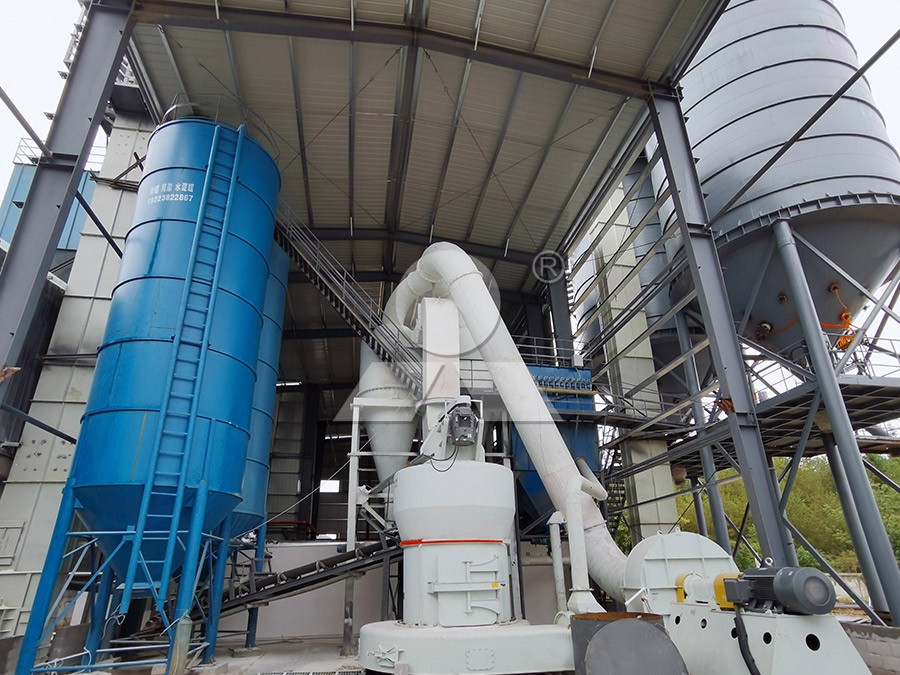
Not all mills are created equal, especially when dealing with a clay material like bentonite that can be abrasive and moist. The South African market offers various options, but the most advanced and efficient choice for ultra-fine bentonite powder is an ultrafine grinding mill.
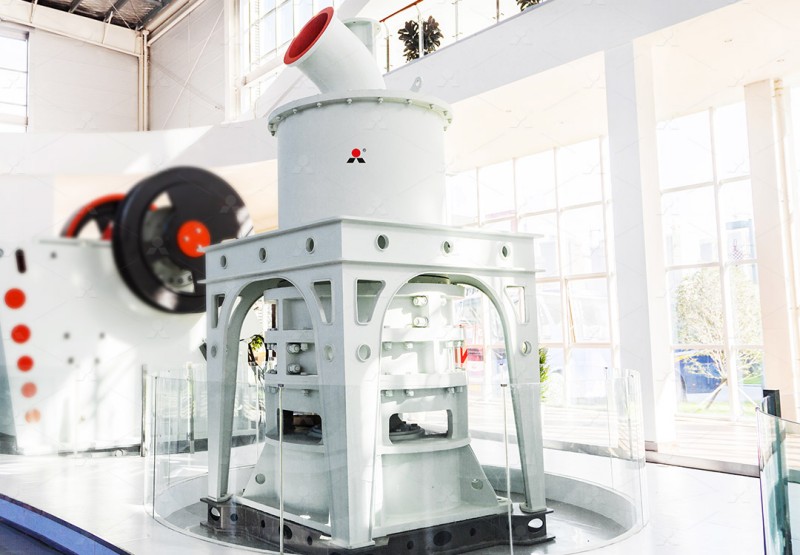
For operations that demand the highest quality ultra-fine powder, we highly recommend our MW Ultrafine Grinding Mill. This machine is specifically engineered for customers who need to make 325-2500 mesh powders. It’s an ideal solution for bentonite, offering significant advantages:
- Higher Yielding, Lower Energy Consumption: Its newly designed grinding curves enhance efficiency, offering 40% higher capacity than jet mills while using 30% less energy. This is a massive saving on your operational costs.
- Adjustable Fineness: Its German-technology, cage-type powder selector allows you to precisely control the product fineness between 325-2500 meshes, perfect for meeting diverse customer specifications.
- Eco-Friendly Operation: Equipped with an efficient pulse dust collector and muffler, the entire milling system operates with no dust pollution and reduced noise, keeping you compliant with South Africa’s environmental standards.
- Worry-Free Maintenance: A key feature is that there are no rolling bearings or screws in the grinding chamber. This eliminates the most common failure points and allows for external lubrication without shutdown, enabling continuous 24/7 production.
Price and Supplier Considerations
The price of a bentonite grinding mill in South Africa is not a fixed figure. It depends on the model (e.g., capacity, size), the configuration (e.g., including dryer, classifier), and the supplier. While initial investment is important, the real cost is measured over the lifespan of the machine. A cheaper mill may have higher energy consumption and require more frequent maintenance and part replacements, ultimately costing more.
It is crucial to partner with a reputable supplier that offers not only quality machinery but also local technical support, reliable after-sales service, and genuine spare parts. Look for a manufacturer with a proven track record and a commitment to supporting the African market.
Why Partner with Us?
We are a leading supplier of industrial grinding equipment with a strong presence and support network. Our MW Series and LUM Ultrafine Vertical Grinding Mill are at the forefront of grinding technology. The LUM Mill, for instance, features advanced roller technology and a reversible structure that makes maintenance incredibly easy, drastically reducing downtime.
We take full responsibility for every machine we produce, from digitalized precision manufacturing to ensuring a sufficient supply of original spare parts. When you invest in our technology, you invest in reliability, efficiency, and a partnership dedicated to your success in the South African market and beyond.
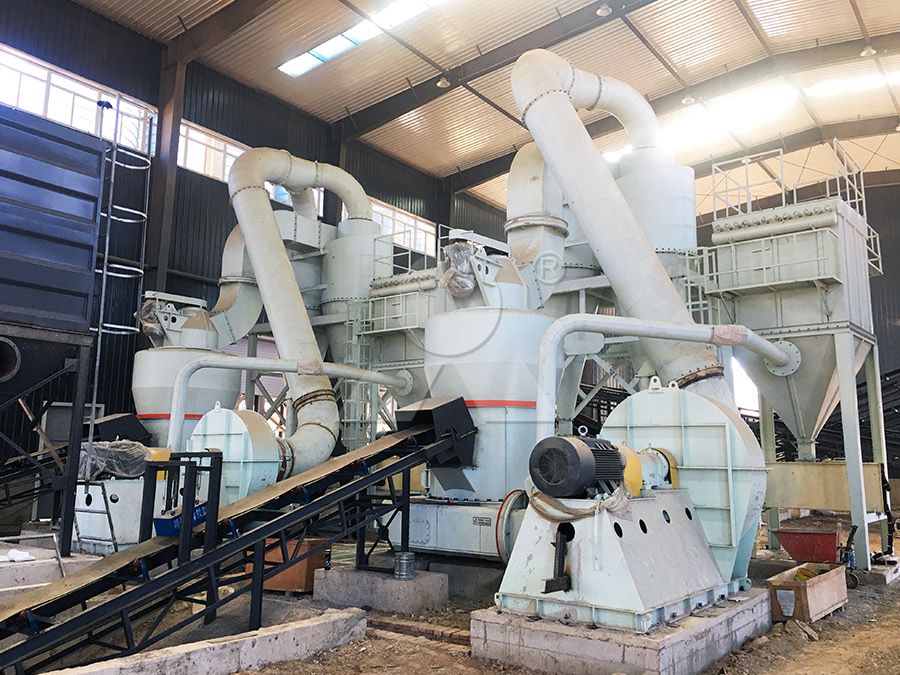
In conclusion, succesfully processing bentonite requires the right equipment. By choosing a high-performance, energy-efficient mill like the MW Series and partnering with a dependable supplier, you can significantly enhance your product quality and boost your bottom line.