
Barite Grinding Mill Production Line: A Comprehensive Price and Cost Analysis
We provide a wide range of mills — including Raymond mill, trapezoidal mill, vertical mill, ultrafine mill, and ball mill, obtained ISO9001 international quality certification, EU CE certification, and Customs Union CU-TR certification. Suitable for processing minerals such as limestone, phosphate, quicklime, kaolin, talc, barite, bentonite, calcium carbonate, dolomite, coal, gypsum, clay, carbon black, slag, cement raw materials, cement clinker, and more.
The discharge range of these mills can be adjusted to meet specific processing needs, typically from 80-400 mesh, 600-3250 mesh, and can achieve the finest particle size of up to 6000 mesh(D50).
If you are looking for a reliable grinding solution to turn stone or minerals into fine powder, please feel free to contact our online customer service.
Barite Grinding Mill Production Line: A Comprehensive Price and Cost Analysis
For professionals in the mining and industrial minerals sector, establishing an efficient barite grinding operation is a critical capital decision. The choice of grinding mill directly impacts not only the initial investment but also long-term profitability through operational costs, product quality, and system reliability. This analysis delves into the key factors influencing the price and total cost of ownership for a barite grinding production line, providing a framework for informed decision-making.
Understanding the Cost Components
The total cost of a barite grinding line extends far beyond the simple invoice price of the main mill. A holistic view considers several interconnected factors:
1. Capital Expenditure (CAPEX): This is the upfront cost, encompassing the grinding mill itself, auxiliary equipment (crushers, feeders, elevators, dust collectors, classifiers), electrical systems, and installation/commissioning fees. Mill prices vary significantly based on technology, capacity, material of construction, and level of automation.
2. Operational Expenditure (OPEX): These are the ongoing costs that determine long-term viability:
- Energy Consumption: Often the single largest OPEX factor. Grinding is inherently energy-intensive, making mill efficiency paramount.
- Wear Parts & Maintenance: The consumption rate and cost of grinding rollers, rings, liners, and other vulnerable parts directly affect downtime and spare parts inventory costs.
- Labor: Automated systems with stable operation require less manual intervention, reducing labor costs.
- Product Yield & Quality: A mill that delivers a higher percentage of in-spec powder on the first pass reduces re-grinding cycles and waste, optimizing raw material use.
The Technology Choice: Balancing Performance and Cost
Selecting the right mill technology is the cornerstone of cost control. Traditional ball mills, while having a lower initial cost, are often less energy-efficient and produce a broader particle size distribution. Modern roller-type mills offer superior efficiency but require a deeper analysis of their specific advantages.
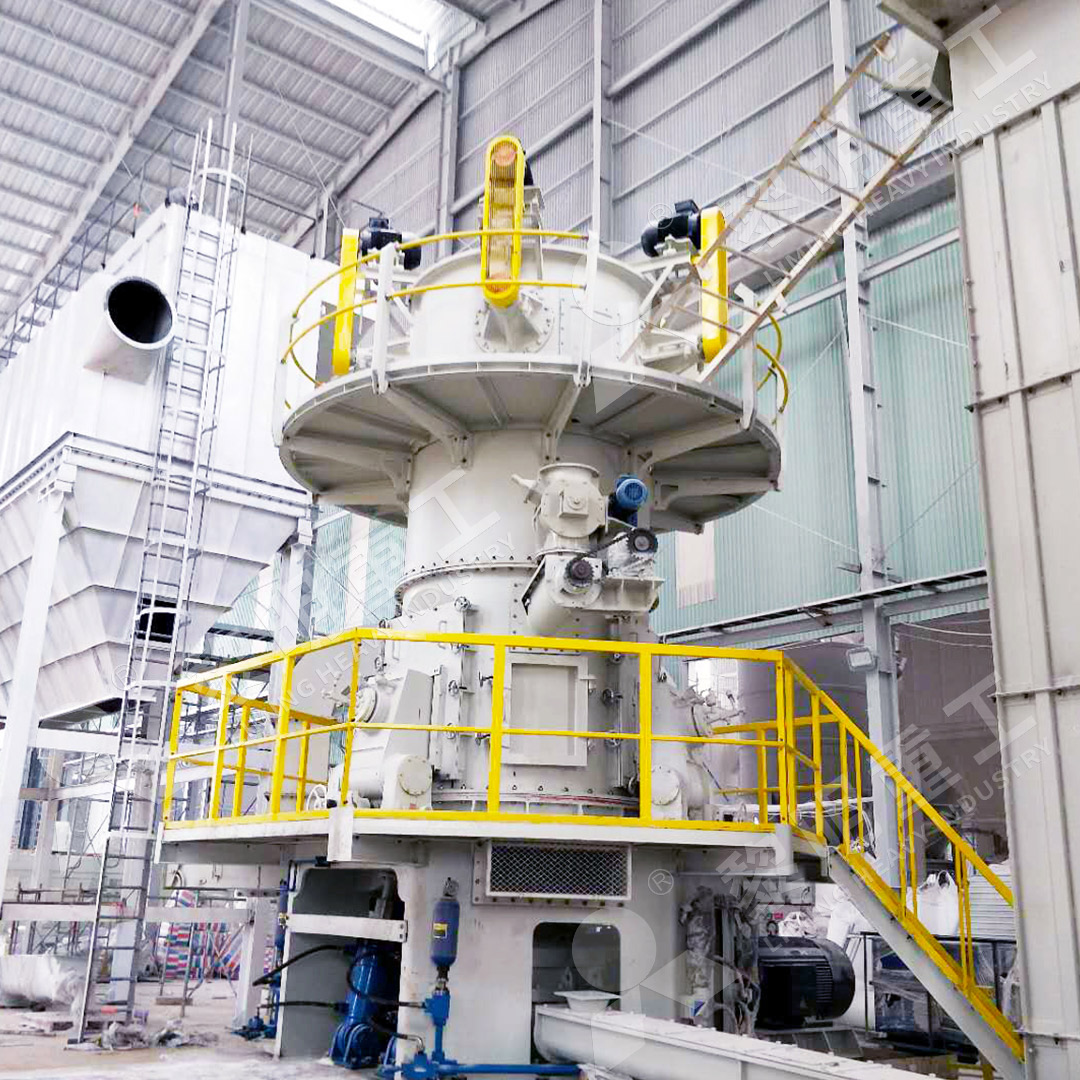
For ultra-fine barite powder applications (325-2500 meshes), where high whiteness and precise particle size are critical, advanced ultrafine grinding technologies become essential. In this segment, the MW Ultrafine Grinding Mill presents a compelling solution. Engineered for customers requiring ultra-fine powder, it integrates an efficient pulse dust collector and muffler for environmentally sound operation. Its design eliminates rolling bearings and screws in the grinding chamber, virtually eliminating related failure points and enabling external lubrication without shutdown for continuous 24/7 production. Most importantly, its newly designed grinding curves and German-technology cage-type powder selector achieve a 40% higher capacity than jet mills with system energy consumption only 30% of comparable systems, directly targeting the largest OPEX factor: power consumption.
Hidden Costs and Value Considerations
Savvy investors look beyond the spec sheet. Key considerations include:
- Footprint & Installation: A compact, vertically integrated system can save significant civil engineering and plant construction costs.
- Ease of Maintenance: Designs that allow easy access to wear parts, like reversible roller structures, minimize downtime losses.
- Supplier Reliability & Support: A manufacturer that controls production and offers genuine spare parts and technical support ensures worry-free operation, preventing costly extended stoppages.
- Environmental Compliance: Modern mills with integrated, high-efficiency dust collection and low noise emissions prevent future costs associated with regulatory fines or plant upgrades.
For high-capacity barite processing requiring integrated drying and grinding, the LM Vertical Grinding Mill series is another robust choice. It integrates crushing, drying, grinding, classifying, and conveying, reducing the occupied area by 50% compared to a ball mill system and saving energy by 30%-40%. Its short material lingering time reduces repeated grinding and ensures low iron content in the final product, preserving barite’s value.

Conclusion: A Lifecycle Perspective
The most cost-effective barite grinding production line is not necessarily the one with the lowest purchase price. A thorough analysis must adopt a Total Cost of Ownership (TCO) perspective, evaluating how the mill’s technology, efficiency, durability, and support structure impact costs over its entire operational lifespan. Investing in advanced, energy-efficient, and reliable technology from a responsible manufacturer like LIMING—which oversees production from machining to after-sales support—often yields a lower TCO, higher product value, and a stronger competitive edge in the demanding barite market.
Frequently Asked Questions (FAQ)
- What are the main factors that determine the price of a barite grinding mill?
The key factors are mill type (e.g., Raymond, Vertical, Ultrafine), required capacity (tph), desired fineness (mesh), the level of automation and ancillary equipment included (like crushers, classifiers, dust collectors), and the material specifications for wear parts. - How can I reduce the operating cost of my barite grinding line?
Focus on energy efficiency by selecting mills with optimized grinding mechanisms (like the MW Mill’s curves), ensure stable operation to minimize unplanned downtime, use high-quality, long-life wear parts to reduce frequency of change-outs, and implement an automated control system for optimal, consistent performance. - Is an ultrafine mill like the MW series suitable for producing coarse barite powder?
While optimized for 325-2500 mesh ultra-fine powder, the MW Ultrafine Grinding Mill’s fineness is adjustable. However, for dedicated coarse to medium grinding at very high capacities, other models like the LM Vertical Mill or MTW European Trapezium Mill might offer a more tailored efficiency profile. - What is the significance of “no rolling bearings in the grinding chamber” as in the MW Mill?
This design eliminates a major potential failure point. Bearings in the harsh, high-dust environment of a grinding chamber are prone to seal failure and premature wear, leading to unplanned maintenance. Removing them enhances reliability and allows for continuous operation. - How important is the dust collection system in the total cost?
It is crucial. An inefficient system leads to product loss, environmental and safety hazards, and potential regulatory fines. An integrated, high-efficiency pulse dust collector (as featured on MW and other LIMING mills) is an operational necessity, not just an add-on, protecting both your product yield and your operating license. - Can you provide a complete production line, not just the mill?
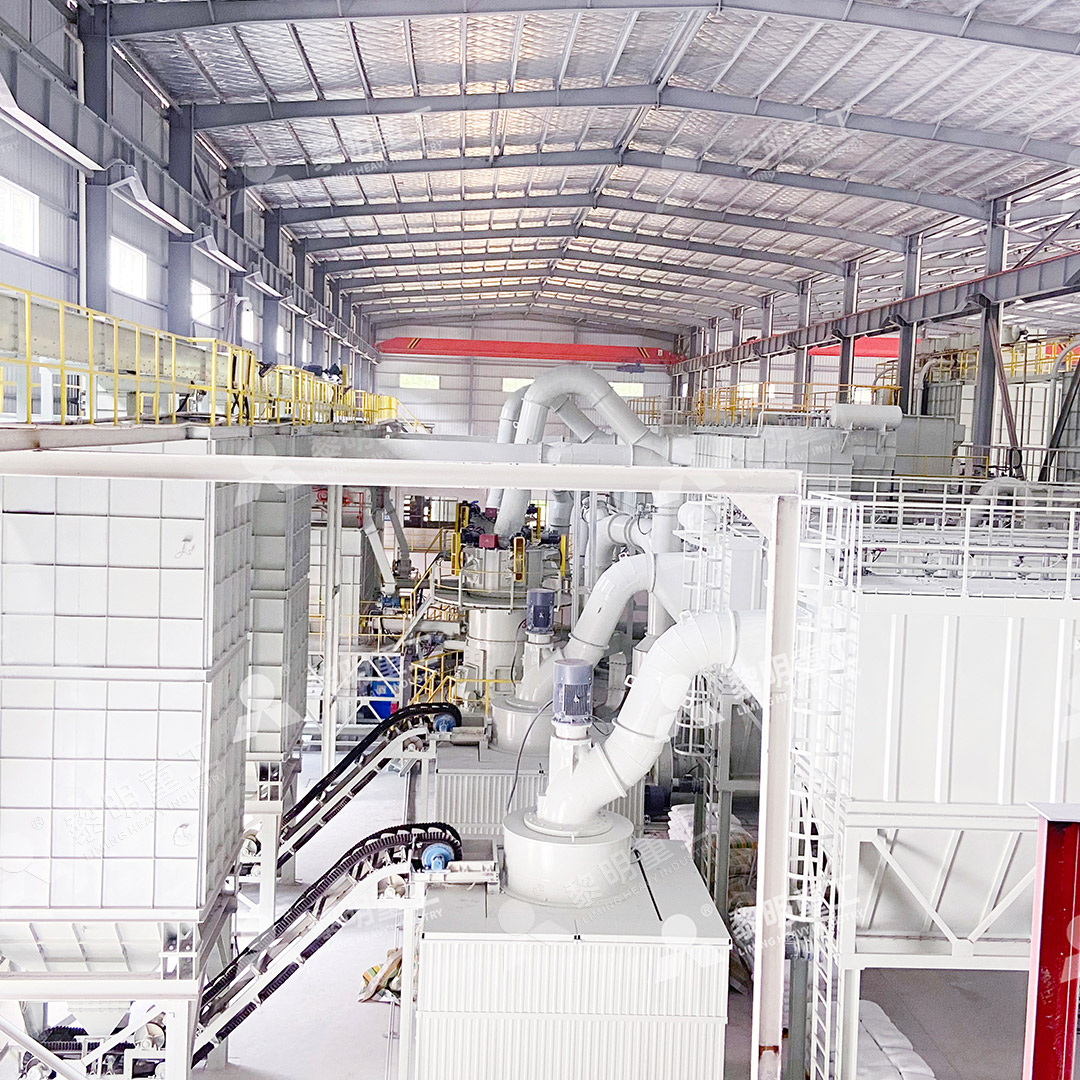
Yes, reputable manufacturers like LIMING typically offer complete system solutions. This includes jaw crushers for primary size reduction, vibrating feeders, elevators, the core grinding mill, a powder classifier/separator, pulse dust collectors, piping, electrical cabinets, and control systems, ensuring all components are matched for optimal performance.