
Barite Grinding Mill and Processing Plant for Sale in USA
We provide a wide range of mills — including Raymond mill, trapezoidal mill, vertical mill, ultrafine mill, and ball mill, obtained ISO9001 international quality certification, EU CE certification, and Customs Union CU-TR certification. Suitable for processing minerals such as limestone, phosphate, quicklime, kaolin, talc, barite, bentonite, calcium carbonate, dolomite, coal, gypsum, clay, carbon black, slag, cement raw materials, cement clinker, and more.
The discharge range of these mills can be adjusted to meet specific processing needs, typically from 80-400 mesh, 600-3250 mesh, and can achieve the finest particle size of up to 6000 mesh(D50).
If you are looking for a reliable grinding solution to turn stone or minerals into fine powder, please feel free to contact our online customer service.
Barite Grinding Mill and Processing Plant for Sale in USA
The United States remains one of the world’s leading producers and consumers of barite, primarily driven by its extensive oil and gas drilling industry where barite is a critical weighting agent in drilling muds. For companies looking to establish or upgrade their barite processing capabilities, selecting the right grinding mill is paramount to achieving the required API specifications and operational efficiency.
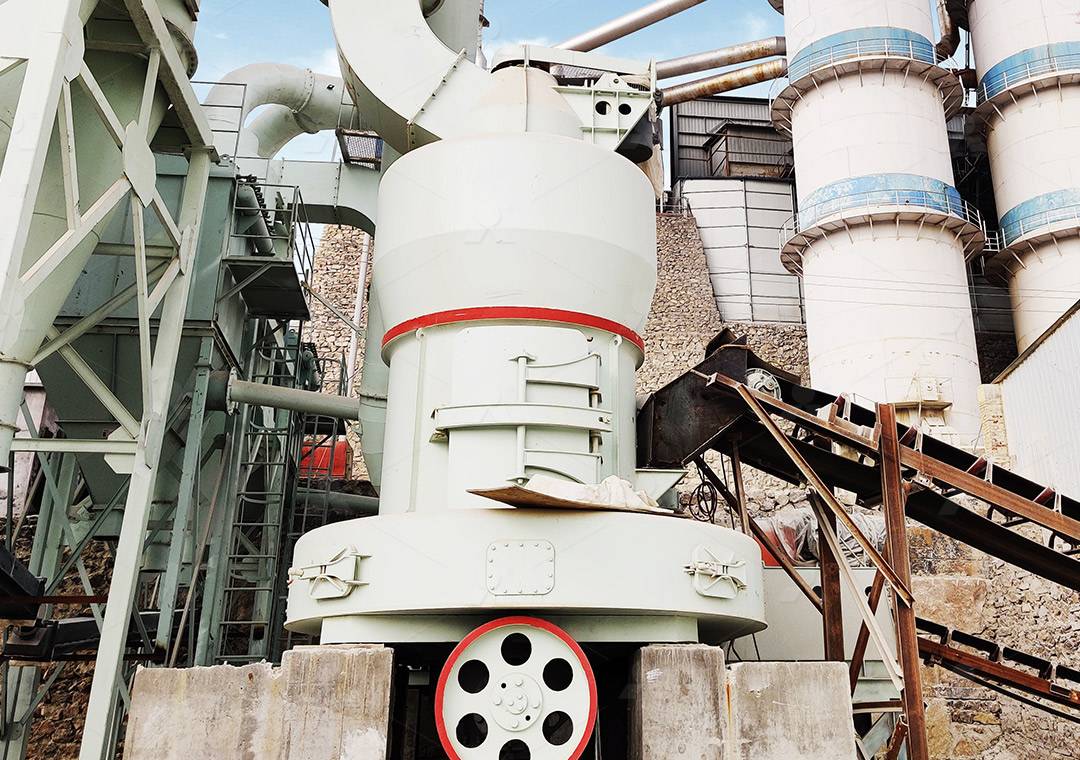
Barite, or baryte, is a mineral composed of barium sulfate. For industrial use, it must be ground to a specific fineness to meet various application requirements. The most demanding specification is for oil and gas drilling mud, where barite must meet API standards with a specific gravity of 4.2 or higher and be ground to where 97% of particles pass through a 75-micrometer (200-mesh) screen and 80% pass through a 44-micrometer (325-mesh) screen.
Key Considerations for Barite Grinding
When processing barite, several factors must be considered to ensure optimal operation and product quality. The hardness of barite ranges between 3 and 3.5 on the Mohs scale, making it relatively soft but abrasive. This combination requires grinding equipment that can handle abrasion while maintaining consistent particle size distribution.
Moisture content is another critical factor. While barite is typically dry-milled, any residual moisture can affect grinding efficiency and final product quality. Proper drying before grinding or selecting equipment with integrated drying capabilities becomes essential for operations processing freshly mined barite.
Advanced Grinding Solutions for Barite
For operations requiring ultra-fine barite powder for specialized applications such as plastics, paints, or pharmaceuticals, the MW Ultrafine Grinding Mill presents an excellent solution. This advanced mill is specifically designed for customers who need to produce ultra-fine powder with precision and efficiency.
The MW Ultrafine Grinding Mill handles input sizes up to 20 mm with capacities ranging from 0.5 to 25 tph, making it suitable for various production requirements. Its innovative design features higher yielding with lower energy consumption – achieving 40% higher production capacity than jet grinding mills and stirred grinding mills with the same fineness and power. The mill’s energy consumption is only 30% of comparable jet grinding mills, providing significant operational savings.
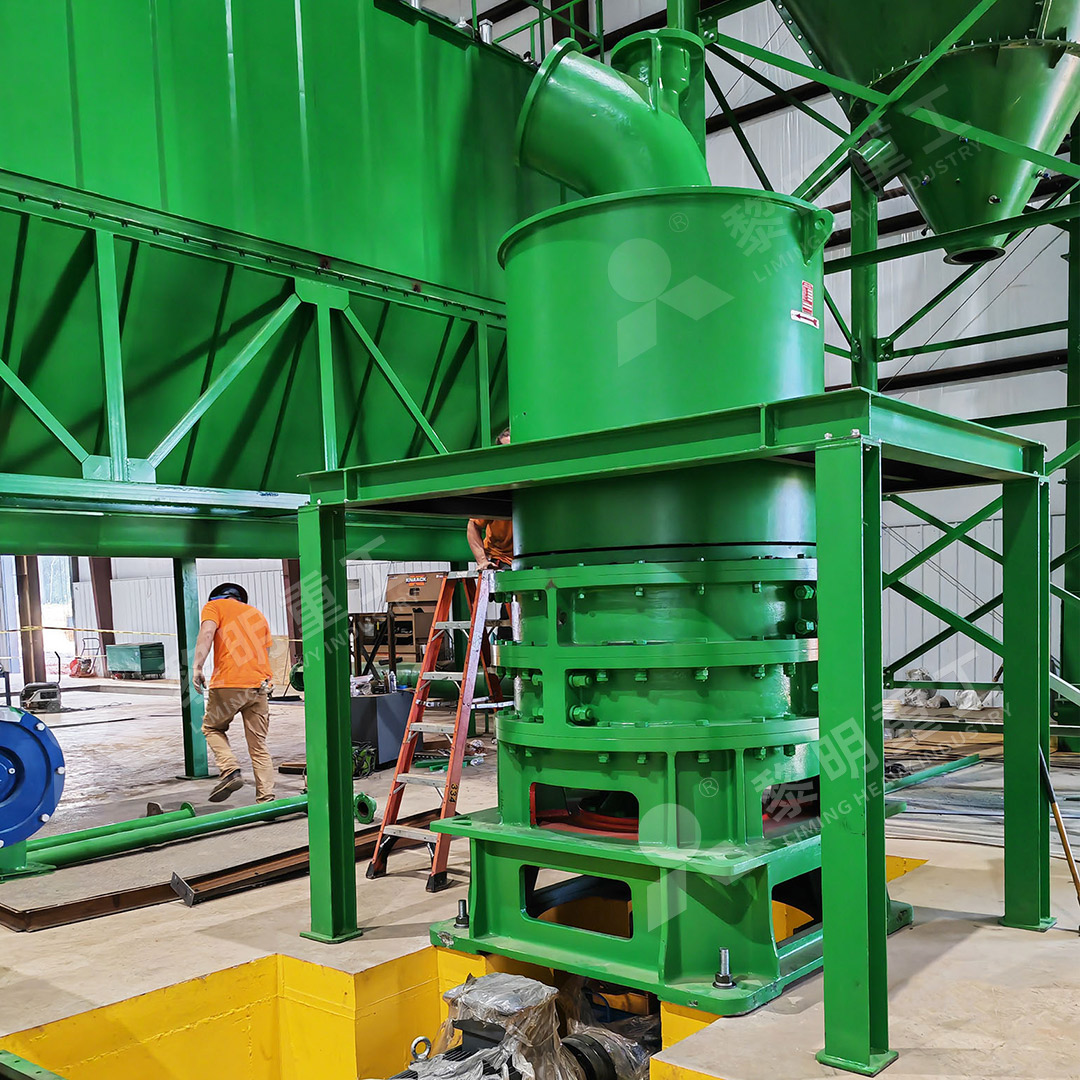
What sets the MW Ultrafine Grinding Mill apart for barite processing is its adjustable fineness between 325-2500 meshes, with the capability to achieve d97≤5μm in a single pass. The cage-type powder selector employs German technology to ensure precise powder separation, while the absence of rolling bearings and screws in the grinding chamber eliminates concerns about bearing damage or machine failure due to loose screws.
Environmental considerations are addressed through an efficient pulse dust collector and muffler system, ensuring the entire production process meets national environmental protection standards with minimal dust and noise pollution.
Vertical Grinding Technology for Barite
For operations prioritizing energy efficiency and compact footprint, the LUM Ultrafine Vertical Grinding Mill offers another compelling option. With an input size of 0-10 mm and capacity ranging from 5-18 tph, this mill integrates ultrafine powder grinding, grading, and transporting in a single unit.
The LUM mill features unique roller shell and lining plate grinding curves that facilitate easier material layer generation and enable high rates of finished products through single-pass powder milling. Its multi-head powder separating technology, controlled by a PLC system, reduces energy consumption by 30%-50% compared to conventional grinding mills while providing precise control over grinding parameters.
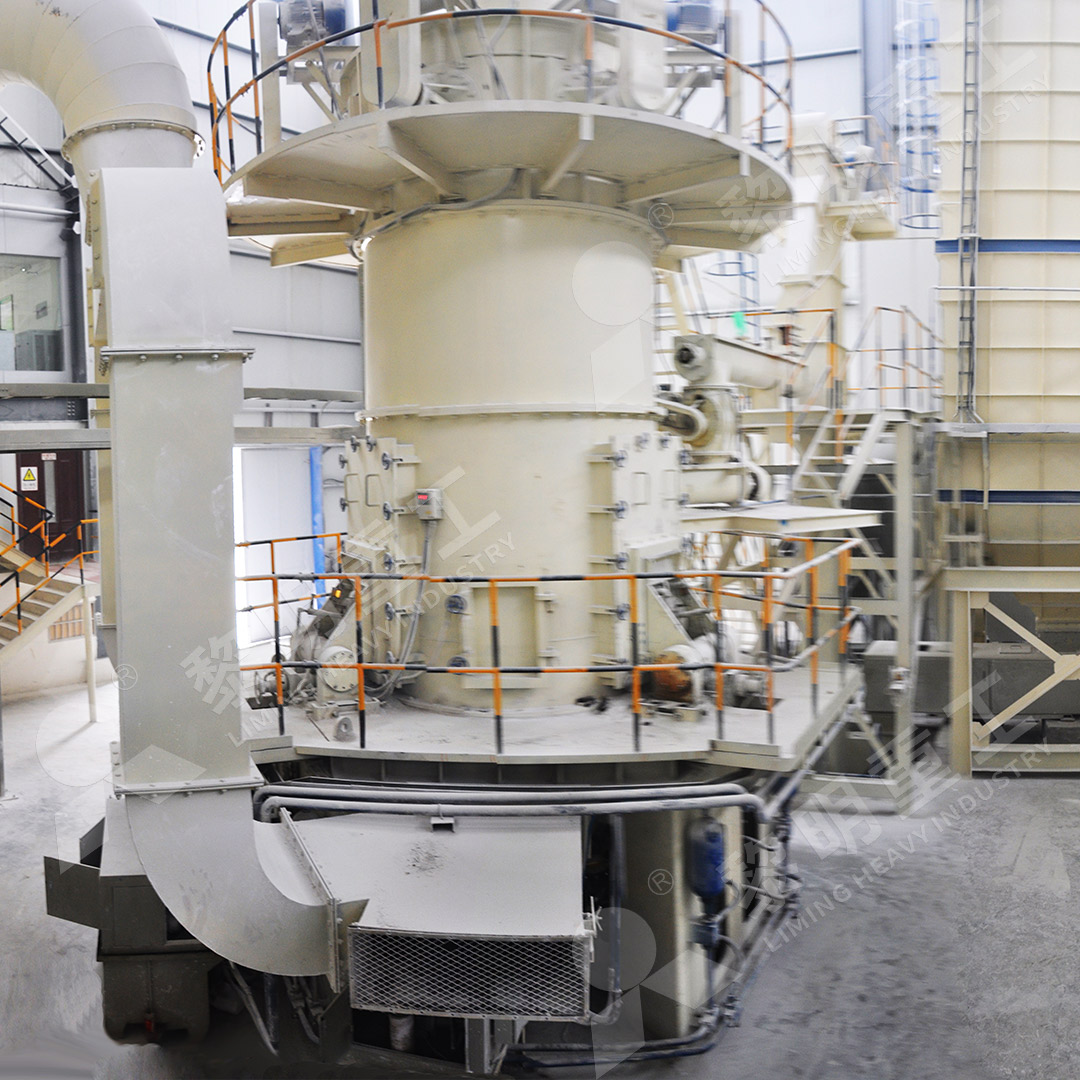
Double position-limiting technology ensures operational stability by preventing destructive impacts between grinding components, while the reversible structure simplifies maintenance operations, reducing downtime and associated costs.
Plant Design and Configuration
A complete barite processing plant involves more than just the grinding mill. Proper configuration includes crushing equipment, drying systems when necessary, material handling equipment, and dust collection systems. The specific layout depends on the raw material characteristics, desired final product specifications, and production capacity requirements.
For new operations, working with experienced equipment providers who can offer comprehensive technical support and genuine spare parts ensures long-term operational reliability and minimizes unexpected downtime.
Frequently Asked Questions
What fineness can be achieved when grinding barite?
With the MW Ultrafine Grinding Mill, barite can be ground to fineness between 325-2500 meshes, with the capability to achieve d97≤5μm in a single pass, suitable for even the most demanding industrial applications.
How does the energy consumption compare to traditional grinding methods?
The MW Ultrafine Grinding Mill consumes only 30% of the energy required by jet grinding mills while providing 40% higher production capacity. The LUM Ultrafine Vertical Grinding Mill reduces energy consumption by 30%-50% compared to conventional grinding mills.
What environmental considerations are addressed in these grinding systems?
Both the MW and LUM mills incorporate efficient pulse dust collectors and noise reduction technologies. The MW mill features a dust removal system that eliminates dust pollution during operation, while both systems are designed to meet national environmental protection standards.
How is maintenance handled for these grinding mills?
The MW Ultrafine Grinding Mill features external lubrication without shutdown capability, allowing continuous 24-hour operation. The LUM Ultrafine Vertical Grinding Mill incorporates a reversible structure that enables easy access to grinding components for maintenance, significantly reducing downtime.
What support is available for spare parts and technical service?
Both mills are backed by comprehensive technical support and genuine spare parts availability, ensuring worry-free operation and minimizing production interruptions due to maintenance requirements.