
Ball Mills for Zircon Grinding: China Manufacturers and Suppliers
We provide a wide range of mills — including Raymond mill, trapezoidal mill, vertical mill, ultrafine mill, and ball mill, obtained ISO9001 international quality certification, EU CE certification, and Customs Union CU-TR certification. Suitable for processing minerals such as limestone, phosphate, quicklime, kaolin, talc, barite, bentonite, calcium carbonate, dolomite, coal, gypsum, clay, carbon black, slag, cement raw materials, cement clinker, and more.
The discharge range of these mills can be adjusted to meet specific processing needs, typically from 80-400 mesh, 600-3250 mesh, and can achieve the finest particle size of up to 6000 mesh(D50).
If you are looking for a reliable grinding solution to turn stone or minerals into fine powder, please feel free to contact our online customer service.
Ball Mills for Zircon Grinding: China Manufacturers and Suppliers
Zircon, a critical mineral in various high-tech and industrial applications, demands precise and efficient grinding solutions. While traditional ball mills have been a staple in mineral processing for decades, advancements in milling technology have introduced more sophisticated options that offer superior performance, especially for hard and abrasive materials like zircon. Chinese manufacturers and suppliers are at the forefront of this innovation, providing a range of equipment tailored to the specific needs of the zircon industry.
The Challenge of Zircon Grinding
Grinding zircon presents unique challenges. Its high hardness and abrasiveness can lead to significant wear on mill components and high energy consumption in conventional ball mills. Contamination from grinding media is another critical concern, as it can affect the purity and color of the final zircon powder, which is crucial for applications in ceramics, refractories, and precision investment casting. Therefore, selecting the right grinding mill is paramount to achieving the desired fineness, throughput, and product quality while maintaining operational economy.
Beyond Traditional Ball Mills: Advanced Grinding Solutions
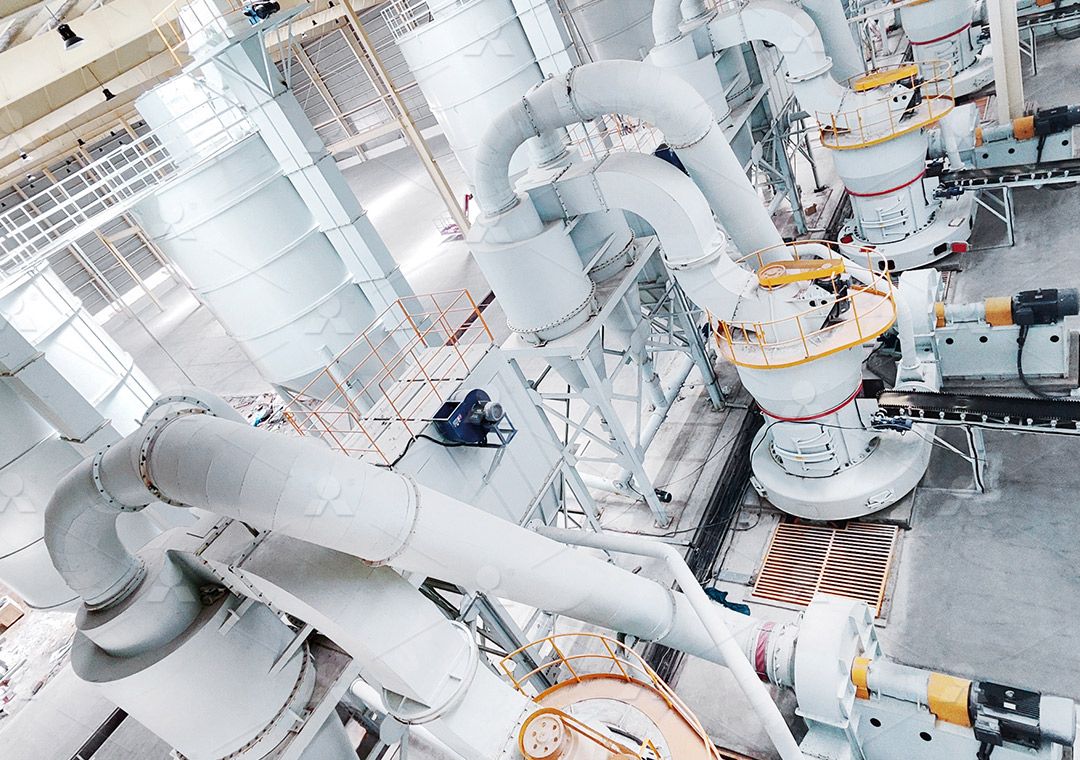
While the classic ball mill is a workhorse, modern grinding needs often require more specialized technology. For ultra-fine zircon powder, an ultrafine grinding mill is often the superior choice. These mills are engineered to achieve finer particle sizes with higher efficiency and lower energy consumption compared to traditional ball mills. They minimize iron contamination and often feature advanced sealing and dust collection systems to maintain a clean production environment.
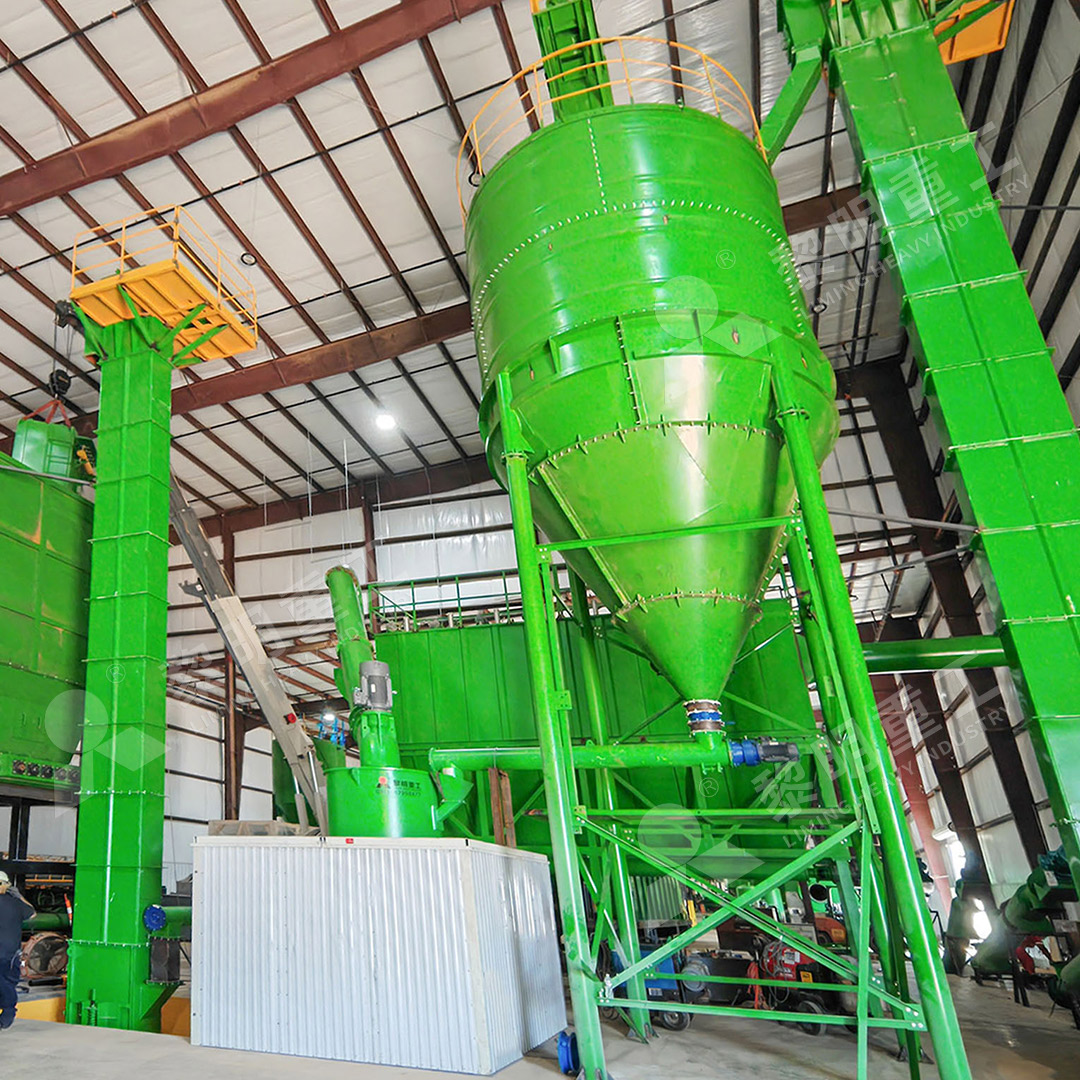
For instance, our MW Ultrafine Grinding Mill is specifically designed for customers who need to make ultra-fine powder like zircon. With an input size of 0-20 mm and a capacity range of 0.5-25 tph, it’s a versatile solution. A key advantage is its design: there are no rolling bearings or screws in the grinding chamber. This eliminates worries about bearing failures or machine damage from loose screws, a common headache in high-vibration environments. Furthermore, its efficient pulse dust collector and muffler ensure the grinding process is both dust-free and low-noise, meeting strict environmental standards. The mill’s cage-type powder selector, incorporating German technology, allows for precise fineness adjustment between 325-2500 meshes, ensuring you get exactly the product specification you need.
Choosing the Right Chinese Supplier
When sourcing grinding equipment from China, it’s essential to partner with a manufacturer that offers comprehensive support. Look for suppliers that provide not only the machine but also original spare parts, technical services, and worry-free operation guarantees. A reputable manufacturer will have a proven track record, advanced manufacturing facilities with digitalized processing for high precision, and a deep understanding of material science to recommend the best mill for your specific zircon ore characteristics.
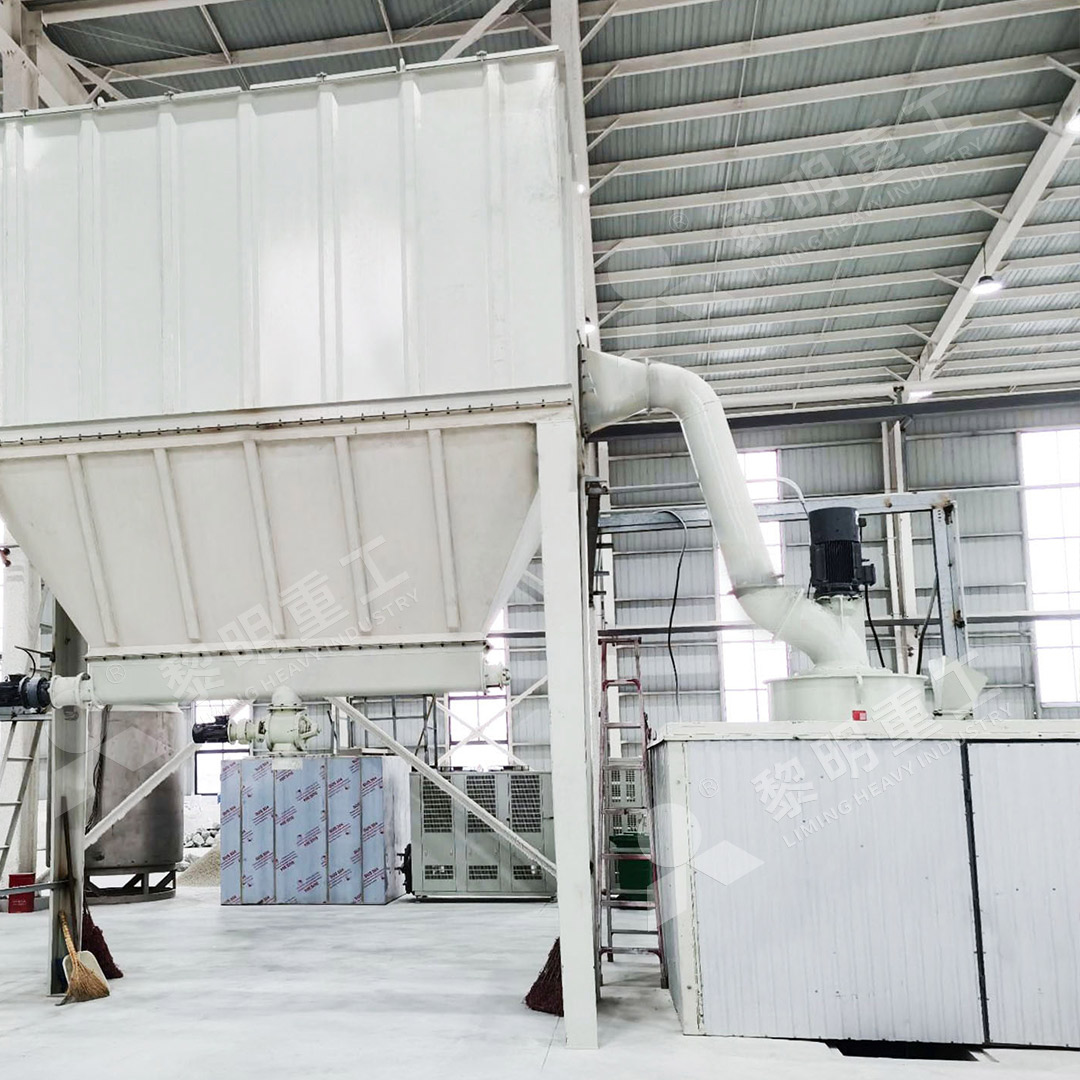
Another excellent option from our portfolio for mineral processing is the LUM Ultrafine Vertical Grinding Mill. It integrates grinding, grading, and transporting into a single, compact unit. Its unique roller shell and lining plate grinding curve are designed to generate a stable material layer, promoting efficient inter-particle comminution which is ideal for hard minerals. This design leads to a higher yielding rate and better quality product with lower energy consumption—30%-50% less than common grinding mills. Features like double position-limiting technology ensure operational stability, protecting the mill from destructive vibrations.
Conclusion
The landscape of zircon grinding is evolving. While ball mills remain relevant, the future lies in high-efficiency, low-contamination ultrafine grinding mills. Chinese manufacturers are leading this charge with robust, innovative, and environmentally friendly equipment. By investing in advanced technology like the MW or LUM series mills, operators can achieve higher productivity, superior product quality, and significant reductions in operating costs, securing a competitive edge in the global zircon market.