
Ball Mills and Crushers for Sale in the Philippines: A Comprehensive Guide
We provide a wide range of mills — including Raymond mill, trapezoidal mill, vertical mill, ultrafine mill, and ball mill, obtained ISO9001 international quality certification, EU CE certification, and Customs Union CU-TR certification. Suitable for processing minerals such as limestone, phosphate, quicklime, kaolin, talc, barite, bentonite, calcium carbonate, dolomite, coal, gypsum, clay, carbon black, slag, cement raw materials, cement clinker, and more.
The discharge range of these mills can be adjusted to meet specific processing needs, typically from 80-400 mesh, 600-3250 mesh, and can achieve the finest particle size of up to 6000 mesh(D50).
If you are looking for a reliable grinding solution to turn stone or minerals into fine powder, please feel free to contact our online customer service.
The Philippine mining and construction industries continue to demonstrate robust growth, driving increased demand for reliable grinding and crushing equipment. Selecting the right machinery is crucial for operational efficiency and profitability. This guide examines the key considerations for Philippine operations seeking ball mills, crushers, and advanced grinding solutions.
Understanding Your Grinding Requirements
Before investing in any grinding equipment, operators must carefully evaluate their specific needs. Key factors include material hardness, required production capacity, desired fineness, and available installation space. The humid tropical climate of the Philippines also necessitates equipment with excellent corrosion resistance and reliable dust control systems.
Traditional ball mills have served the industry for decades, offering reliable performance for coarse to medium grinding applications. However, technological advancements have introduced more efficient alternatives that deliver superior results with lower operational costs.
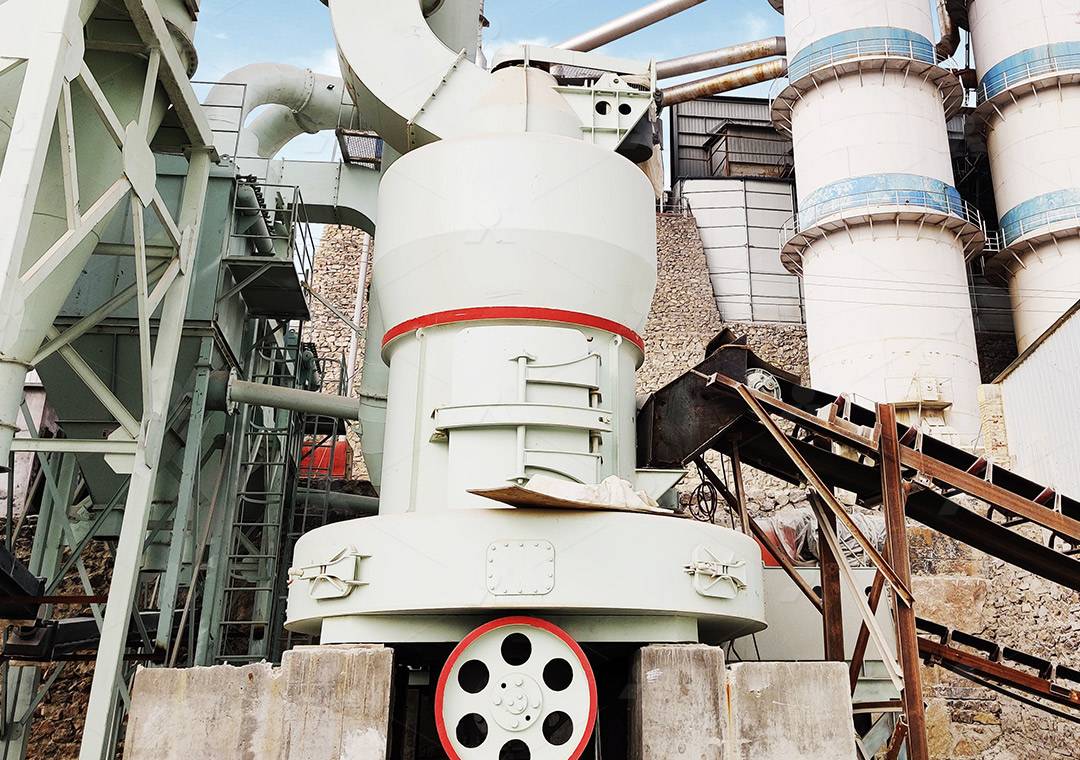
Advanced Grinding Solutions for Modern Operations
While conventional ball mills remain popular for certain applications, forward-thinking operations are increasingly turning to more sophisticated grinding technologies. These advanced systems offer significant advantages in energy efficiency, product quality, and environmental compliance.
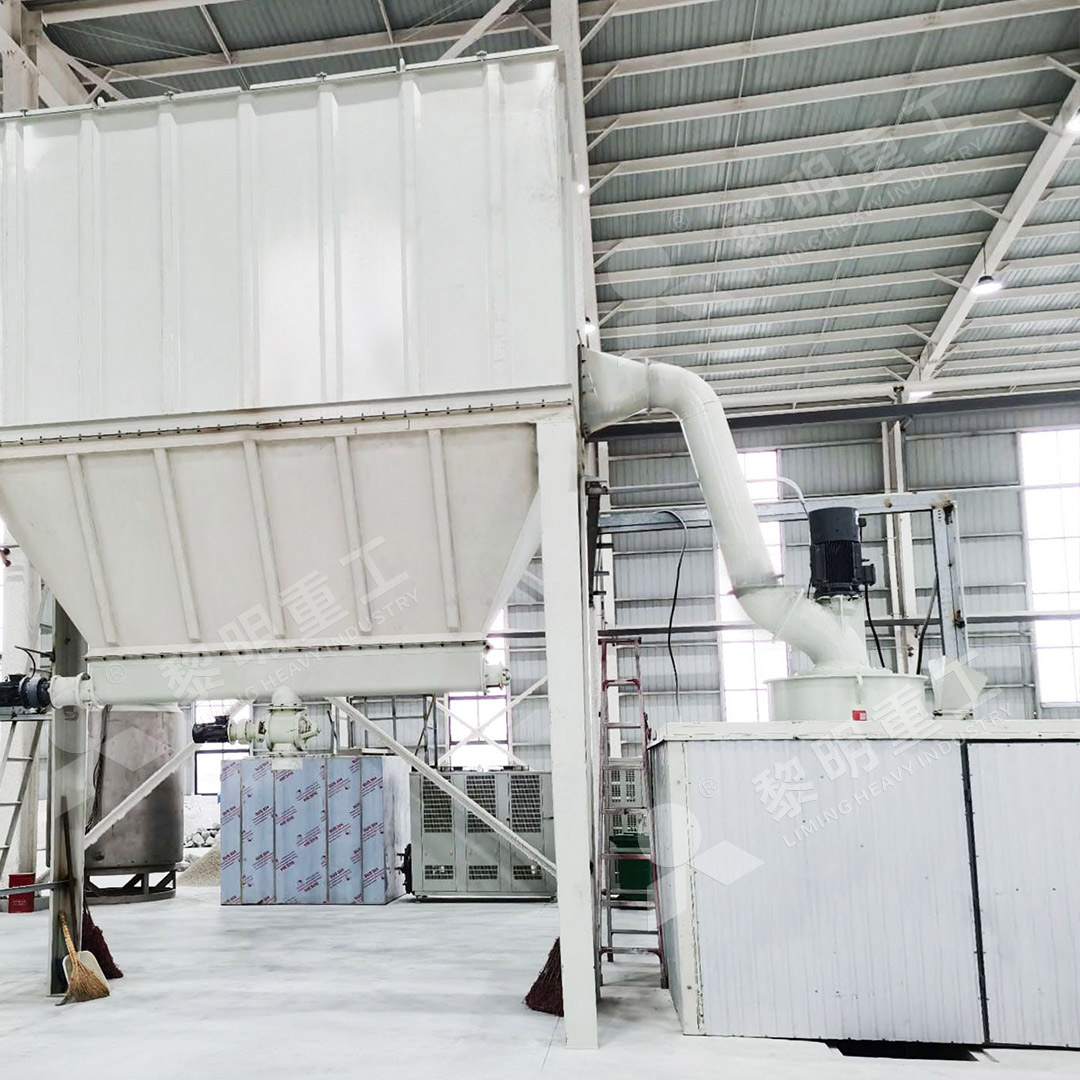
For operations requiring ultra-fine powders, the MW Ultrafine Grinding Mill represents a technological leap forward. With an input size capacity of 0-20 mm and production rates ranging from 0.5 to 25 tons per hour, this machine is engineered for customers who need to produce high-quality ultra-fine powder efficiently. The integrated pulse dust collector and muffler system effectively minimizes environmental impact, making it particularly suitable for operations near residential areas or in environmentally sensitive regions of the Philippines.
Key Advantages of Modern Grinding Technology
The MW Ultrafine Grinding Mill demonstrates why newer technologies are gaining market share. Its innovative design delivers 40% higher production capacity compared to jet mills and double the output of traditional ball mills, while consuming only 30% of the energy of jet grinding systems. The adjustable fineness between 325-2500 meshes provides exceptional flexibility for various applications.
Philippine operations will appreciate the maintenance-friendly design, which eliminates rolling bearings and screws from the grinding chamber. This significantly reduces downtime caused by bearing failures or loose components. The external lubrication system enables continuous 24-hour operation, crucial for maximizing productivity in the competitive Philippine market.
Applications Across Philippine Industries
Modern grinding equipment serves diverse sectors throughout the Philippine economy. From limestone processing for construction materials to specialized applications in cosmetics, pharmaceuticals, and food additives, the right grinding solution can enhance product quality and operational efficiency.
The MW Ultrafine Grinding Mill processes various materials including limestone, calcite, dolomite, petroleum coal, gypsum, barite, marble, talc, and coal powder. Its versatility makes it an excellent investment for operations serving multiple industries or planning future diversification.
Making the Right Investment Decision
When evaluating grinding equipment for Philippine operations, consider both immediate needs and long-term strategic goals. While initial cost is important, total cost of ownership—including energy consumption, maintenance requirements, and production efficiency—often proves more significant over the equipment’s lifespan.
The digitalized processing and high-precision manufacturing of modern grinding mills ensure consistent performance and reliability. Additionally, comprehensive after-sales support and genuine spare parts availability are crucial considerations for Philippine operations, where equipment downtime can have substantial financial implications.
Frequently Asked Questions
What maintenance requirements should I expect with modern grinding mills?
Advanced mills like the MW Ultrafine Grinding Mill are designed for minimal maintenance. The absence of rolling bearings and screws in the grinding chamber eliminates common failure points. Regular maintenance primarily involves monitoring the external lubrication system and replacing wear parts according to the manufacturer’s recommendations.
How does the energy consumption compare between traditional ball mills and newer technologies?
Modern grinding mills typically consume 30-50% less energy than traditional ball mills while delivering higher production capacity. The MW Ultrafine Grinding Mill, for example, uses only 30% of the energy required by jet mills while providing 40% higher capacity.
What environmental considerations are important for Philippine operations?
Modern grinding equipment incorporates advanced dust collection and noise reduction technologies. The MW Ultrafine Grinding Mill’s efficient pulse dust collector ensures no dust pollution during operation, while silencers and noise elimination rooms minimize acoustic impact—important considerations for compliance with Philippine environmental regulations.
How important is after-sales support for grinding equipment in the Philippines?
Comprehensive after-sales support is crucial for maximizing equipment uptime. Look for suppliers who provide technical services, genuine spare parts, and local expertise. Equipment with straightforward maintenance requirements and accessible service points offers significant advantages for Philippine operations.