
Ball Milling Process for Aluminium Dross Recovery in Turkey
We provide a wide range of mills — including Raymond mill, trapezoidal mill, vertical mill, ultrafine mill, and ball mill, obtained ISO9001 international quality certification, EU CE certification, and Customs Union CU-TR certification. Suitable for processing minerals such as limestone, phosphate, quicklime, kaolin, talc, barite, bentonite, calcium carbonate, dolomite, coal, gypsum, clay, carbon black, slag, cement raw materials, cement clinker, and more.
The discharge range of these mills can be adjusted to meet specific processing needs, typically from 80-400 mesh, 600-3250 mesh, and can achieve the finest particle size of up to 6000 mesh(D50).
If you are looking for a reliable grinding solution to turn stone or minerals into fine powder, please feel free to contact our online customer service.
Ball Milling Process for Aluminium Dross Recovery in Turkey
The aluminium industry in Turkey, a significant global player, generates substantial amounts of aluminium dross as a by-product. This dross contains valuable metallic aluminium and salts, making its recovery both economically and environmentally imperative. The ball milling process has emerged as a highly efficient mechanical method for liberating and recovering these trapped aluminium particles, transforming waste into a valuable resource.
The Challenge of Aluminium Dross
Aluminium dross is a mixture of free aluminium metal, aluminium oxide, salts, and other oxides formed on the surface of molten metal. Traditional disposal methods in landfills are no longer viable due to environmental regulations and the loss of valuable material. Efficient recovery processes are essential for sustainable production.
The Role of Ball Milling in Recovery
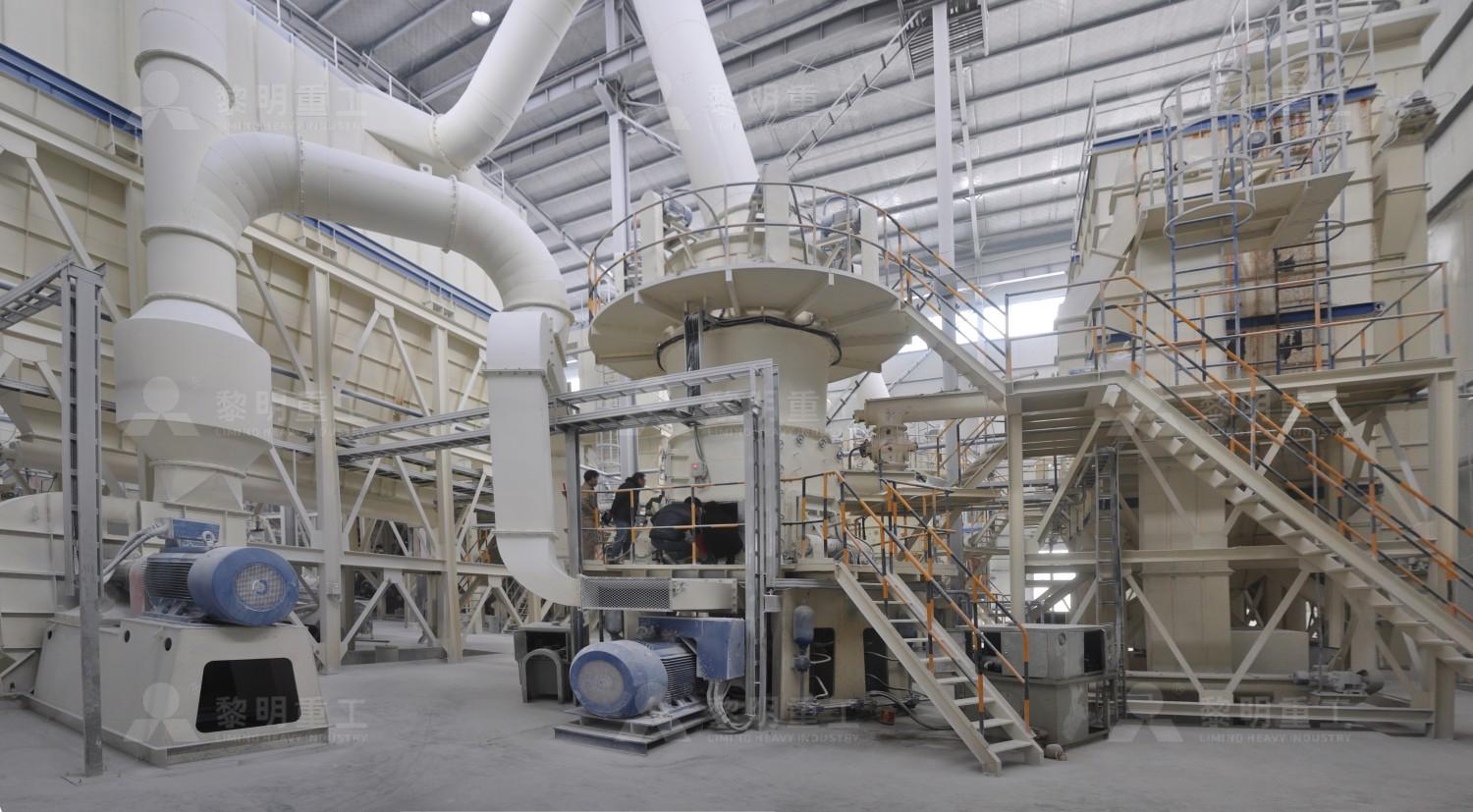
Ball milling is a size reduction and liberation process where rotating drums filled with grinding media (balls) impact and crush the brittle dross material. This action fractures the oxide matrix, releasing encapsulated aluminium droplets for subsequent recovery through screening or gravity separation. The efficiency of this grinding stage is paramount to the overall yield of the operation.
Optimizing the Process with Advanced Technology
While traditional ball mills are common, modern recovery plants require higher efficiency, finer control over particle size, and lower energy consumption. This is where advanced grinding technology makes a substantial difference. For operations focusing on ultra-fine grinding to maximize liberation, the MW Ultrafine Grinding Mill presents a superior solution.
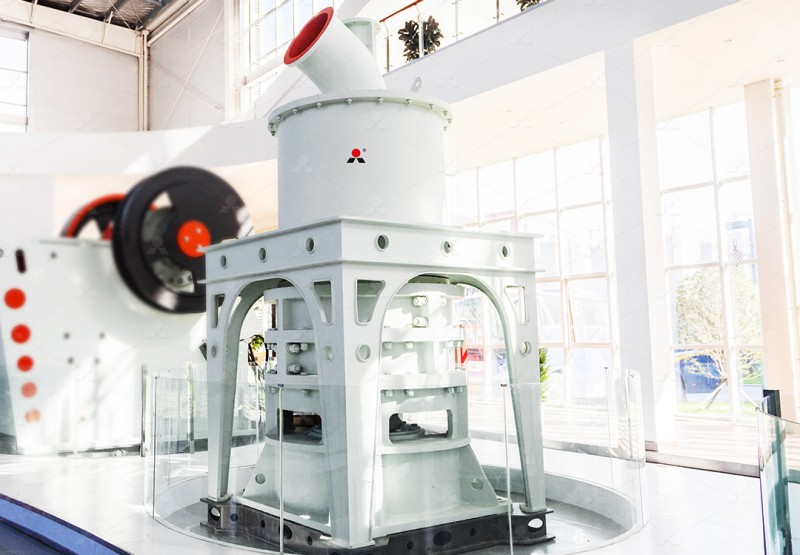
Specifically engineered for customers requiring ultra-fine powder, the MW Mill is an ideal choice for processing aluminium dross salts and oxides. With an input size of 0-20 mm and a capacity ranging from 0.5 to 25 tph, it offers remarkable flexibility. Its cage-type powder selector, adopting German technology, allows for precise fineness adjustment between 325-2500 meshes, ensuring the optimal particle size for maximum aluminium recovery. Furthermore, its design eliminates rolling bearings and screws in the grinding chamber, drastically reducing maintenance concerns and the risk of iron contamination—a critical factor in maintaining product purity.
A Complementary Solution for Vertical Grinding
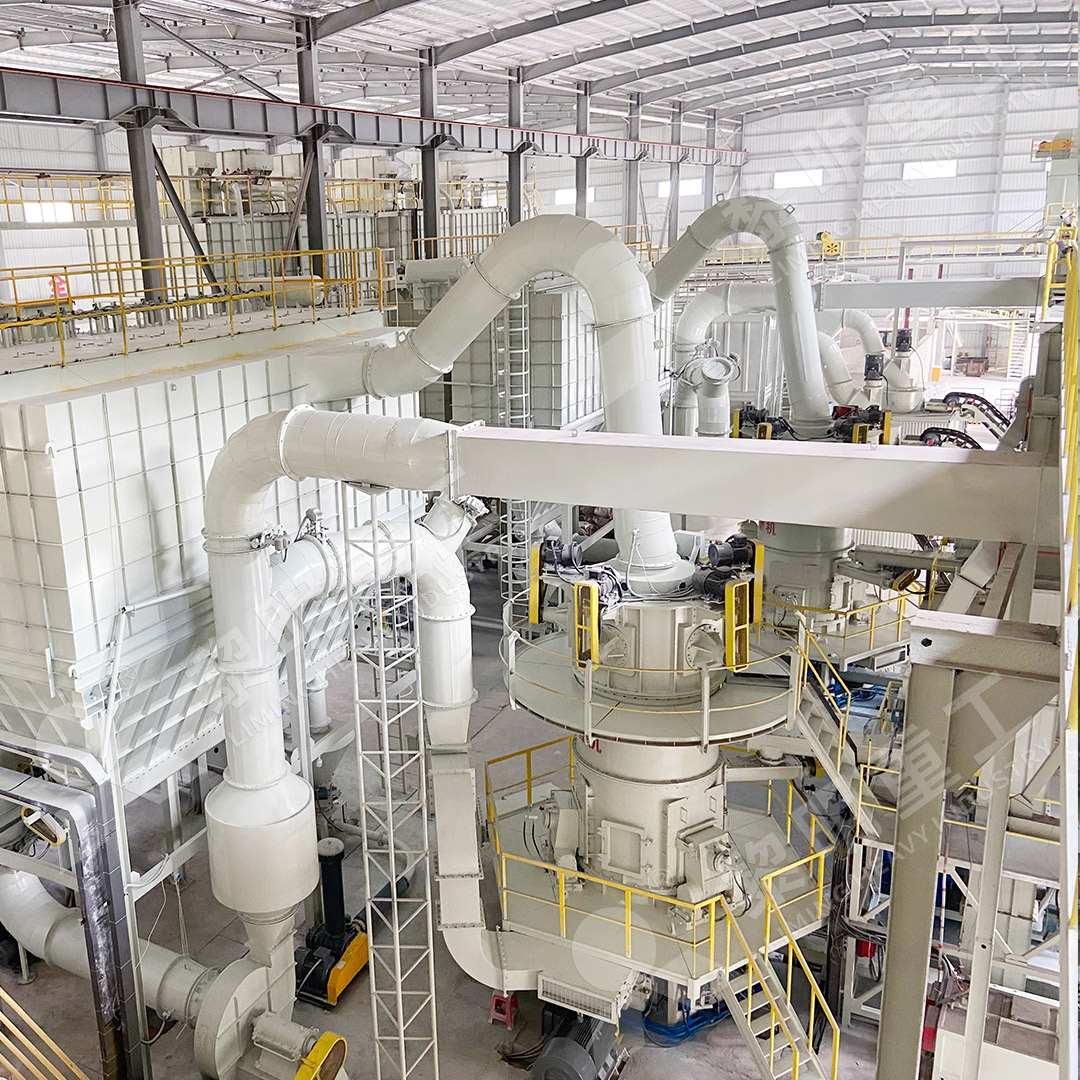
For facilities looking to integrate drying and grinding or handle slightly different feed characteristics, the LUM Ultrafine Vertical Grinding Mill is another excellent option from our portfolio. Independently designed with the latest grinding roller and powder separating technology, it integrates grinding, grading, and transporting. With an input size of 0-10 mm and a capacity of 5-18 tph, it excels in producing superfine dry powder. Its unique roller shell and lining plate grinding curve are easier to generate a material layer, achieving a high rate of finished products in a single pass, which enhances efficiency and improves the whiteness and cleanliness of the final product—key concerns in dross processing.
Conclusion
The adoption of advanced ball milling and grinding technologies is crucial for Turkish aluminium smelters to enhance their dross recovery rates, improve profitability, and meet stringent environmental standards. By moving beyond conventional equipment, processors can achieve superior liberation, higher yields, and more consistent product quality.
Frequently Asked Questions (FAQ)
What is aluminium dross?
Aluminium dross is a by-product of aluminium smelting and melting processes. It is a mixture of metallic aluminium, aluminium oxide, and various salts used during fluxing.
Why is recovering aluminium from dross important?
Recovery is important for both economic and environmental reasons. It allows smelters to reclaim valuable metal, reduce waste sent to landfills, and minimize the environmental impact of their operations.
How does ball milling help in the recovery process?
Ball milling crushes the dross, breaking apart the oxide shell that traps droplets of molten aluminium. This liberates the metal, making it easier to separate and recover through subsequent processes.
What are the advantages of using an MW Ultrafine Grinding Mill for dross processing?
The MW Mill offers higher efficiency, adjustable fineness for optimal liberation, lower energy consumption, and a design that minimizes iron contamination and maintenance downtime, leading to a purer end product and higher operational efficiency.
Can these grinding mills handle other materials besides aluminium dross?
Absolutely. Mills like the MW and LUM are versatile and can process a wide range of non-metallic minerals, including limestone, calcite, barite, and gypsum, making them valuable assets for various industrial applications beyond dross recovery.