
Ball Milling Machine: A Key Tool for Nanoparticles Fabrication
We provide a wide range of mills — including Raymond mill, trapezoidal mill, vertical mill, ultrafine mill, and ball mill, obtained ISO9001 international quality certification, EU CE certification, and Customs Union CU-TR certification. Suitable for processing minerals such as limestone, phosphate, quicklime, kaolin, talc, barite, bentonite, calcium carbonate, dolomite, coal, gypsum, clay, carbon black, slag, cement raw materials, cement clinker, and more.
The discharge range of these mills can be adjusted to meet specific processing needs, typically from 80-400 mesh, 600-3250 mesh, and can achieve the finest particle size of up to 6000 mesh(D50).
If you are looking for a reliable grinding solution to turn stone or minerals into fine powder, please feel free to contact our online customer service.
Ball Milling Machine: A Key Tool for Nanoparticles Fabrication
In the realm of advanced materials science, the fabrication of nanoparticles stands as a cornerstone technology, enabling breakthroughs in fields ranging from medicine to electronics. Among the various techniques available, mechanical milling, particularly using ball milling machines, remains a fundamental and widely adopted method for producing nano-sized particles efficiently and at scale.
The principle behind ball milling is relatively straightforward yet profoundly effective. It involves a hollow cylindrical shell rotating around its horizontal axis, partially filled with the material to be ground and the grinding medium—typically hardened steel, ceramic, or tungsten carbide balls. As the shell rotates, the balls are lifted up on the rising side and then cascade down, impacting the material and reducing its size through a combination of impact and attrition forces. This repetitive mechanical action gradually breaks down coarse particles into finer and finer powders, eventually reaching the nanoscale.
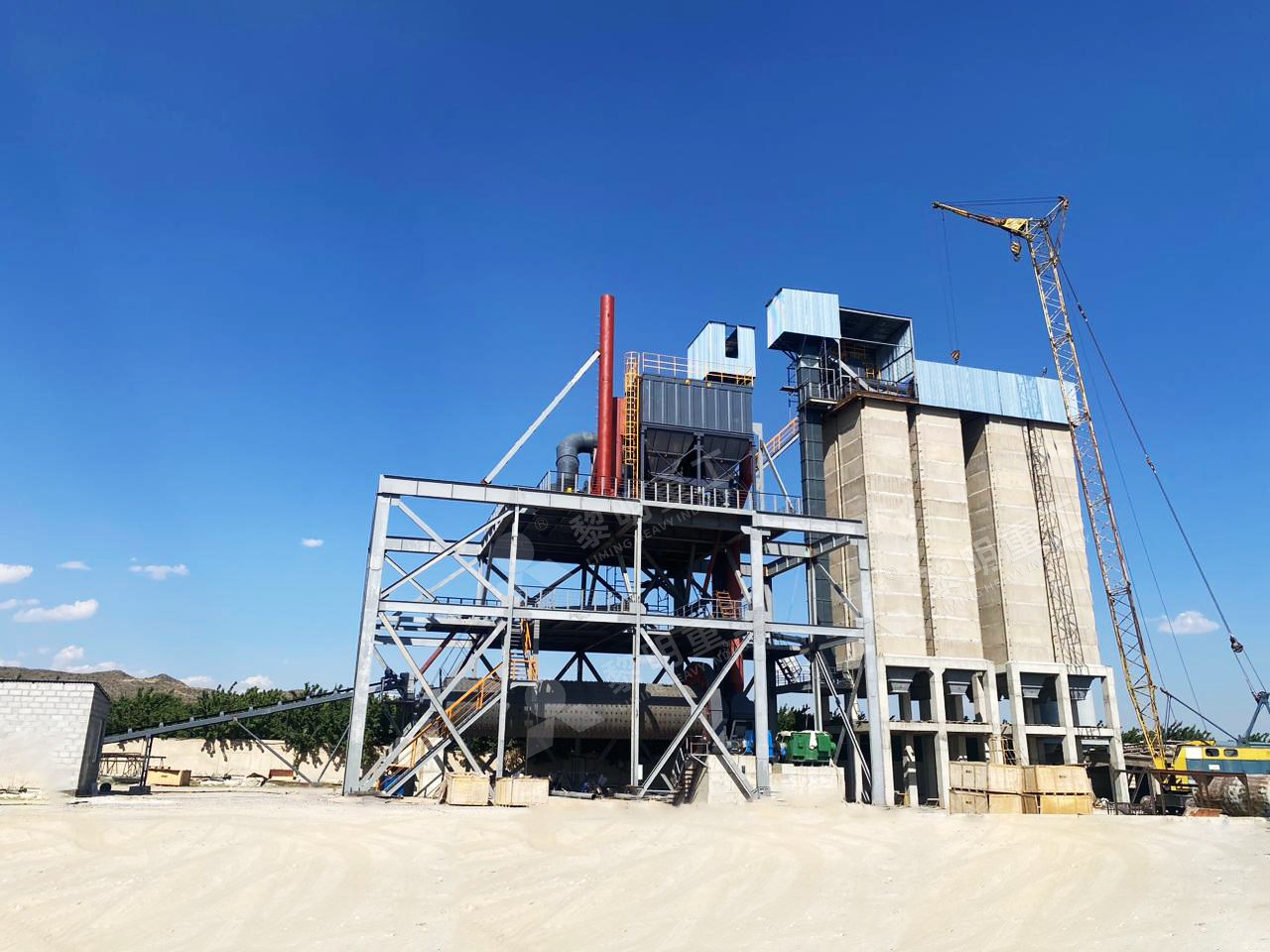
What makes ball milling so versatile is its ability to handle a vast array of materials, from brittle ceramics and hard metals to organic compounds. The process parameters, such as rotation speed, ball size and material, milling duration, and the ball-to-powder weight ratio, can be meticulously controlled to achieve the desired particle size distribution, morphology, and even induce chemical reactions in a process known as mechanochemistry.
Beyond Traditional Ball Mills: The Need for Advanced Grinding
While traditional ball mills are effective, the quest for higher efficiency, finer powders, and lower energy consumption has driven significant innovation. For customers who need to make ultra-fine powder with superior precision, standard equipment often falls short. This is where advanced grinding mills truly shine, offering enhanced control and performance.
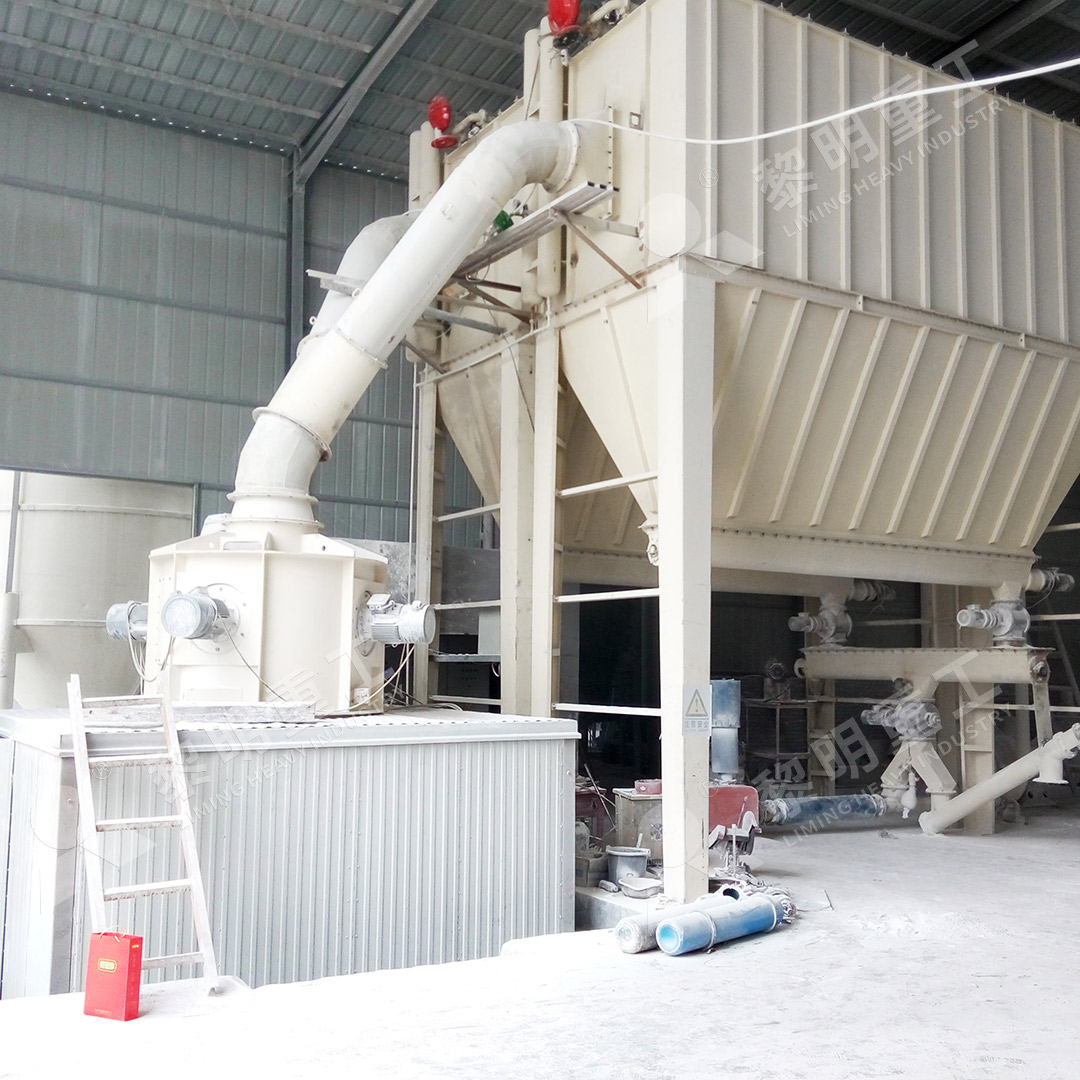
For instance, our MW Ultrafine Grinding Mill is specifically engineered to adress these modern challenges. Designed for ultra-fine powder production, it boasts an input size of 0-20 mm and a impressive capacity range of 0.5-25 tons per hour. It’s equipped with an efficient pulse dust collector and muffler, significantly reducing dust and noise pollution, ensuring the entire production process is more environmentally friendly. Its cage-type powder selector, incorporating German technology, allows for precise fineness adjustment between 325-2500 meshes, achieving a remarkable screening rate of d97≤5μm in a single pass. A key design advantage is the absence of rolling bearings and screws in the grinding chamber, eliminating concerns about bearing damage or machine failure from loose screws, while external lubrication allows for 24/7 operation.
Choosing the Right Tool for Nanofabrication
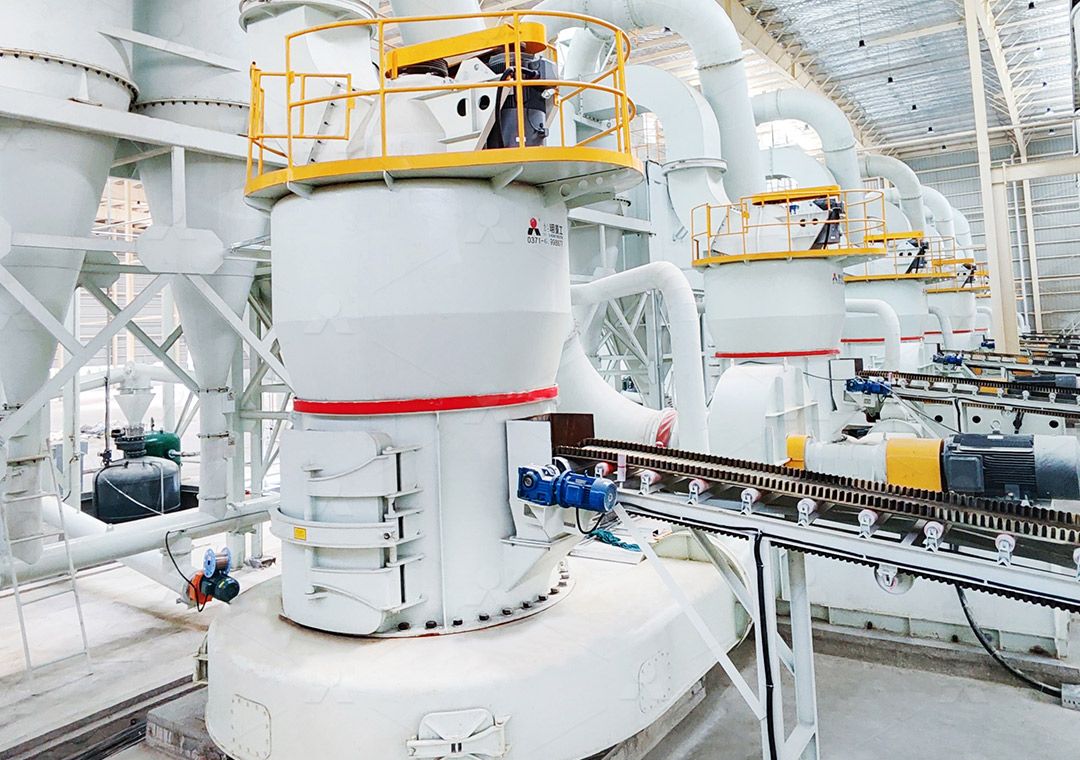
Selecting the appropriate milling technology is crucial. Factors such as the initial feed size, required final fineness, desired throughput, and the material’s physical properties must all be considered. Another exceptional solution in our portfolio is the LUM Ultrafine Vertical Grinding Mill. It integrates ultrafine powder grinding, grading, and transporting into a single, highly efficient unit. With an input size of 0-10 mm and a capacity of 5-18 tph, it features unique roller shell and lining plate grinding curves for higher yield rates and better product quality. Its PLC control system and multi-head powder separating technology make it exceptionally energy-efficient, reducing consumption by 30%-50% compared to common mills.
Both the MW and LUM mills exemplify the evolution from simple ball milling to sophisticated, integrated systems that offer greater control over the nanoparticle fabrication process. They are indispensable for applications in chemicals, paints, cosmetics, pharmaceuticals, and food additives where consistent, high-purity nano powders are required.
In conclusion, while the traditional ball mill laid the groundwork, advanced grinding mills like our MW and LUM series are the key tools pushing the boundaries of nanoparticle fabrication. They offer the precision, efficiency, and environmental consciousness demanded by modern industry, making them the intelligent choice for anyone serious about producing high-quality nanomaterials.