
Ball Milling Equipment for Steel Slag Processing: A Comprehensive Guide
We provide a wide range of mills — including Raymond mill, trapezoidal mill, vertical mill, ultrafine mill, and ball mill, obtained ISO9001 international quality certification, EU CE certification, and Customs Union CU-TR certification. Suitable for processing minerals such as limestone, phosphate, quicklime, kaolin, talc, barite, bentonite, calcium carbonate, dolomite, coal, gypsum, clay, carbon black, slag, cement raw materials, cement clinker, and more.
The discharge range of these mills can be adjusted to meet specific processing needs, typically from 80-400 mesh, 600-3250 mesh, and can achieve the finest particle size of up to 6000 mesh(D50).
If you are looking for a reliable grinding solution to turn stone or minerals into fine powder, please feel free to contact our online customer service.
Ball Milling Equipment for Steel Slag Processing: A Comprehensive Guide
Steel slag, a byproduct of steelmaking, presents both a disposal challenge and a potential resource. Properly processed, it can be used in construction, cement production, and as a raw material for various industrial applications. The key to unlocking this potential lies in efficient and effective grinding technology. This guide explores the critical role of ball milling equipment in steel slag processing and highlights advanced solutions that outperform traditional methods.
The Challenge of Steel Slag Grinding
Steel slag is notoriously abrasive and variable in composition, containing hard minerals that can quickly wear down conventional grinding equipment. Traditional ball mills, while widely available, often struggle with high energy consumption, significant wear on grinding media, and inconsistent product fineness. These limitations can make slag processing economically unviable and environmentally taxing due to excessive power usage and frequent maintenance requirements.
Advanced Grinding Solutions
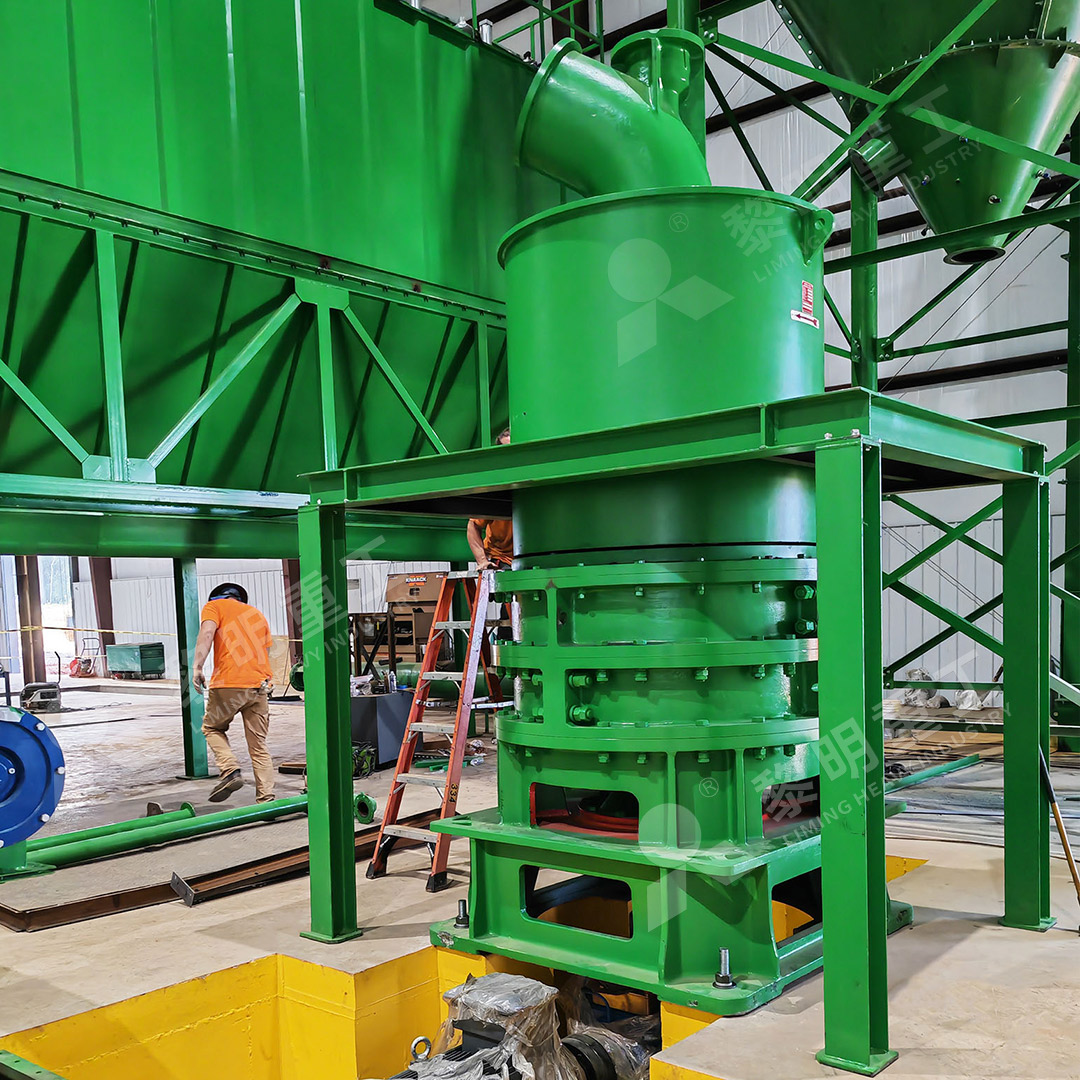
Modern grinding technology has evolved significantly beyond traditional ball mills. At our company, we’ve developed specialized equipment that addresses the specific challenges of slag processing. For operations requiring ultra-fine powders with precise particle size distribution, our MW Ultrafine Grinding Mill offers exceptional performance.
This machine handles input sizes up to 20 mm with capacities ranging from 0.5 to 25 tph, making it ideal for medium to large-scale slag processing operations. What sets it apart is its innovative design that eliminates rolling bearings and screws in the grinding chamber – a crucial advantage when processing abrasive materials like steel slag that cause rapid wear in conventional mills.
Key Advantages for Slag Applications
The MW Ultrafine Grinding Mill delivers higher yields with lower energy consumption compared to traditional jet mills or ball mills. Its cage-type powder selector, incorporating German technology, allows precise control over fineness between 325-2500 meshes, with the ability to achieve d97≤5μm in a single pass. This precision is particularly valuable for slag applications where consistent particle size directly impacts the material’s performance in downstream applications.
Environmental considerations are also addressed through integrated pulse dust collection and noise reduction systems, ensuring compliance with stringent environmental regulations that often govern industrial operations near urban areas.
Vertical Mill Alternative
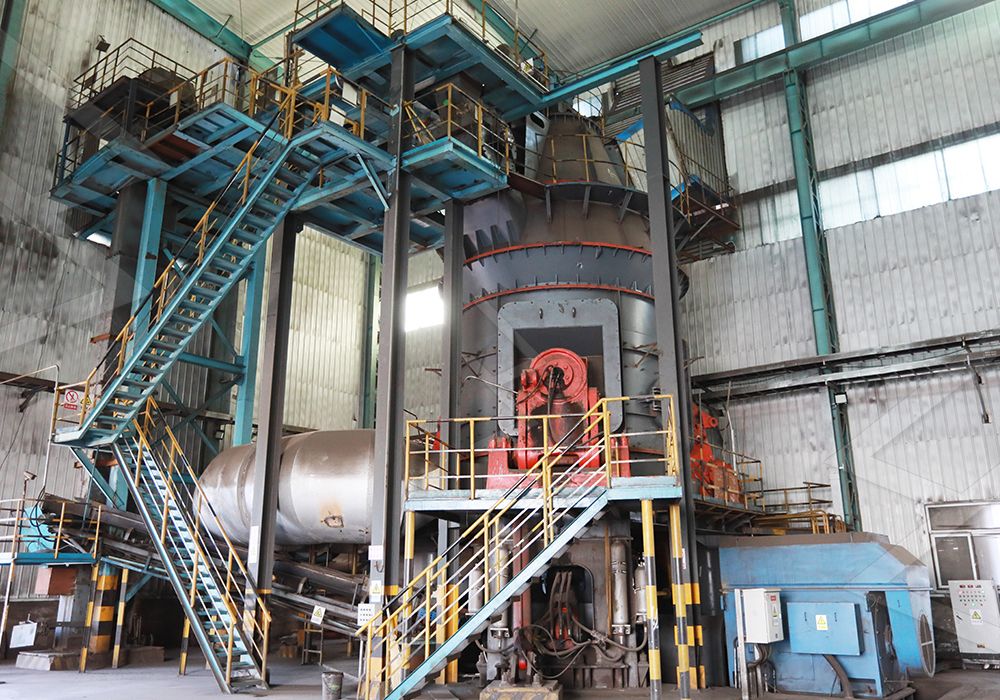
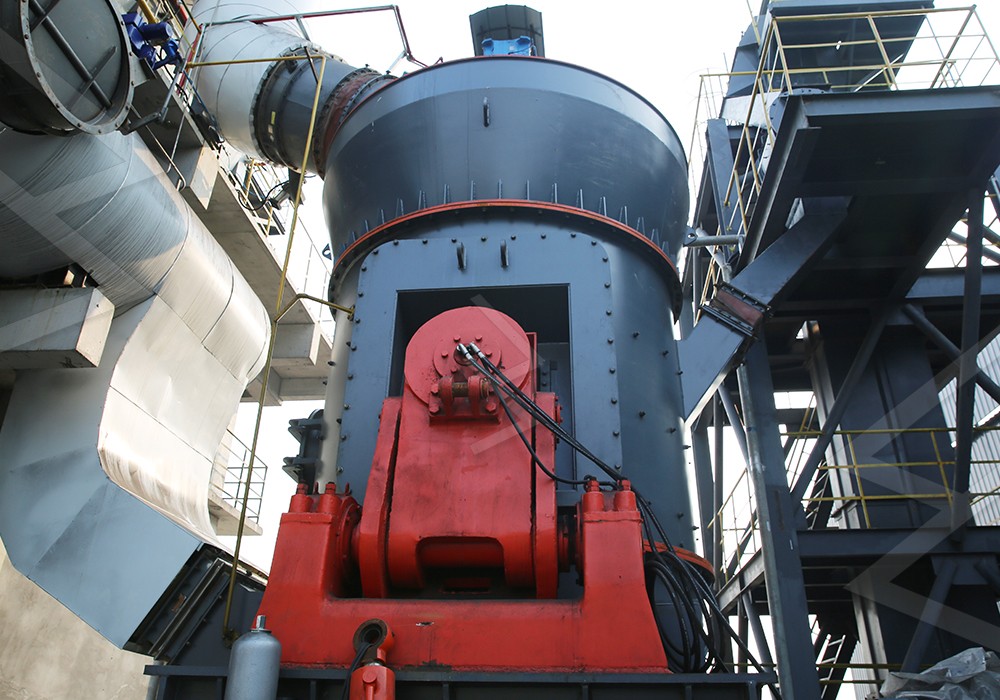
For operations processing larger volumes of slag, our LM Vertical Slag Mill represents another excellent solution. Specifically designed for industrial waste grinding, this mill integrates drying, grinding, powder selection, and conveying in a single compact system. With capacity ranging from 7-100 t/h and handling input sizes of 38-65 mm, it’s particularly suited for large-scale steel plant operations.
The vertical design reduces the footprint by approximately 50% compared to traditional ball milling systems while cutting energy consumption by 30-40%. Its specialized grinding装置 (device) achieves the integration of grinding and powder selection, focusing specifically on the challenges of slag milling. The mill’s construction uses high-quality steel and wear-resistant materials throughout, ensuring reliable operation even with highly abrasive slag materials.
Operational Considerations
When selecting grinding equipment for steel slag, consider not just the initial investment but the total cost of ownership. Equipment with external lubrication systems, like our MW mill, allows for maintenance without shutdowns – a significant advantage in continuous processing environments. Similarly, designs that facilitate easy replacement of wear parts can dramatically reduce downtime and maintenance costs over the equipment’s lifespan.
Conclusion
The transformation of steel slag from waste product to valuable resource hinges on advanced grinding technology. While traditional ball mills have their place, modern specialized equipment like our MW Ultrafine Grinding Mill and LM Vertical Slag Mill offer superior performance, lower operating costs, and better environmental performance. By selecting the right technology for your specific slag processing needs, you can turn an industrial byproduct into a profitable product line while contributing to more sustainable steel production.